Wheel Fitment Compatibility Checker
Your Vehicle Specs
New Wheel Specs
Quick Summary: What You Need to Know
- Bolt Patterns: The number and spacing of bolts must match exactly.
- Offset: How far the wheel sits in or out of the wheel arch.
- Hub Bore: The center hole must fit the car's hub perfectly.
- Brake Clearance: The wheel must be wide enough to clear the calipers.
- Tire Specs: The total diameter must not rub against the chassis.
The Dealbreaker: Bolt Patterns and PCD
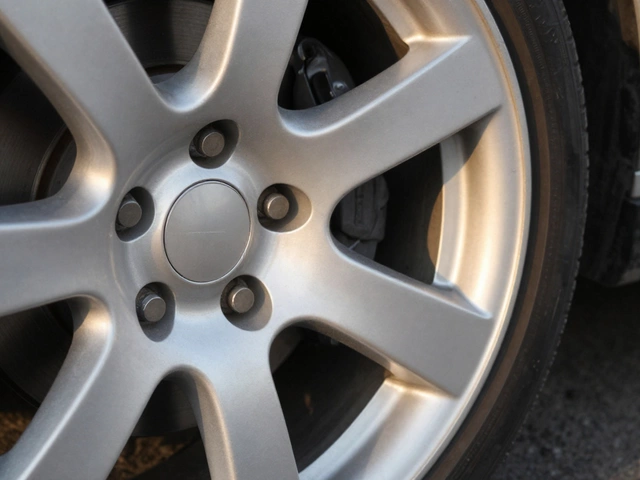
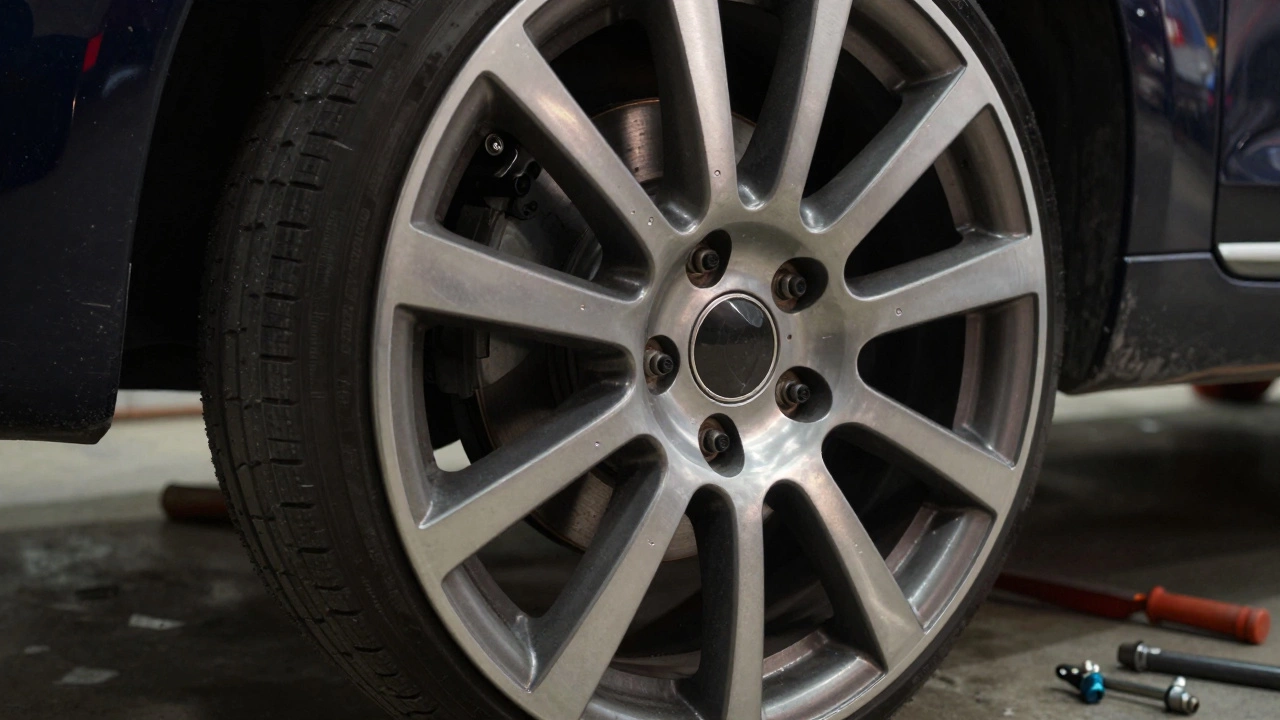
Before you even look at the style, you have to talk about the Bolt Pattern is the arrangement of the lug holes on a wheel, typically measured by the number of bolts and the Pitch Circle Diameter (PCD). Also known as PCD, this is the absolute first thing you check. If your car has a 5x114.3 pattern and you buy 5x120 wheels, they simply will not bolt on.
Think of it like a puzzle piece. A 5-bolt pattern means there are five lugs; the 114.3 refers to the diameter of the imaginary circle that passes through the center of those bolts in millimeters. Common patterns include 4x100 (found on many older hatchbacks) or 5x120 (common on BMWs). While some people use adapter plates to change their PCD, this pushes the wheel further out and can mess with your steering geometry, so it's generally a last resort.
Understanding Offset and Backspacing
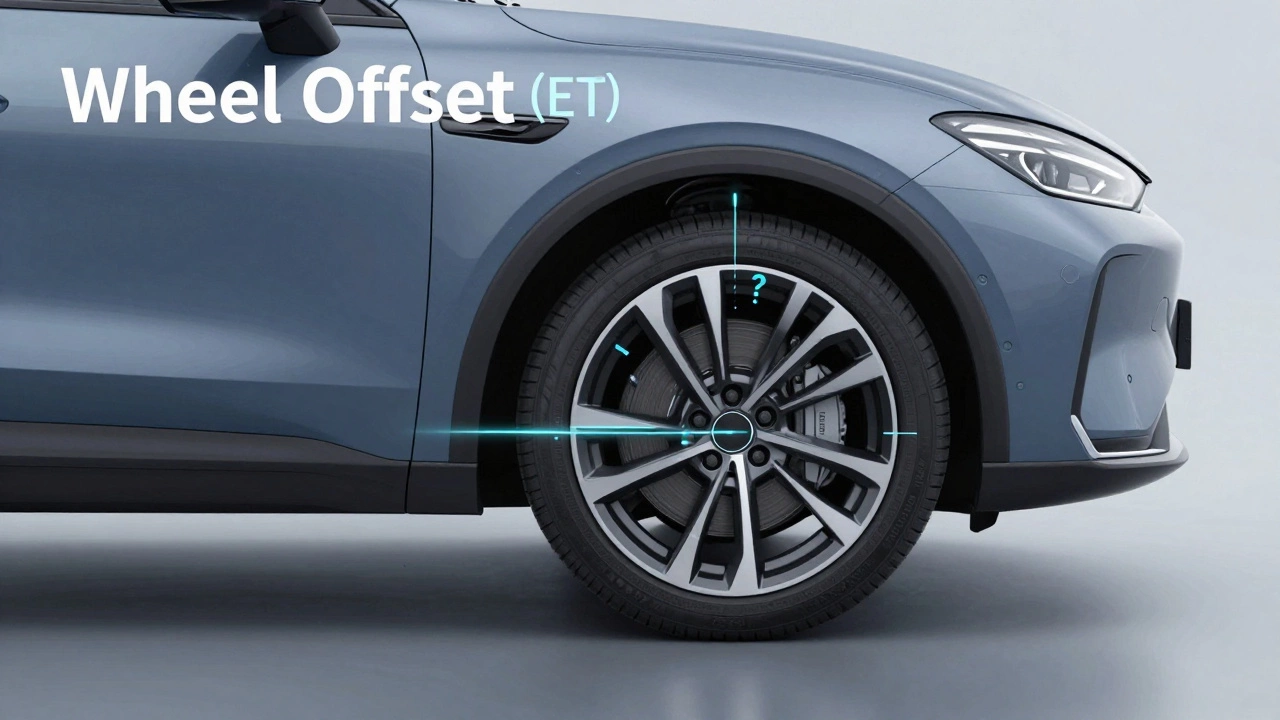
Even if the bolts line up, the wheel might stick out too far or tuck too deep into the wheel well. This is where Wheel Offset comes in. Offset is the distance from the hub mounting surface to the centerline of the wheel. It is usually measured in millimeters (e.g., ET35 or ET45).
If you go with an offset that is too low (low number or negative), the wheels will poke out of the fenders. This looks "aggressive" to some, but it often leads to your tires rubbing against the wheel arch when you hit a bump or turn the wheel. On the flip side, an offset that is too high (high number) can cause the inner rim to hit your suspension struts or brake components. For example, if you put a wheel with an ET20 offset on a car designed for ET50, the tire will likely protrude past the bodywork, which is actually illegal in many regions because it throws road debris up at other drivers.
The Hub Bore and Centering Rings
The Hub Bore is the hole in the center of the wheel that fits over the car's axle hub. This is critical because the hub is what actually centers the wheel; the bolts just hold it tight. If the hub bore of the wheel is smaller than your car's hub, it won't fit at all. You can't just "shave it down" without risking the wheel's structural integrity.
However, if the wheel's hub bore is larger than your car's hub, you can use centering rings. These are small plastic or metal sleeves that fill the gap. Without them, the wheel might be slightly off-center, which causes a vibration in the steering wheel that feels like your tires are out of balance, even if they aren't. It's a tiny detail that makes a massive difference in ride quality.
| Attribute | Must Match? | What happens if wrong? | Fixable? |
|---|---|---|---|
| Bolt Pattern (PCD) | Yes (Exact) | Will not bolt on | Adapters (Not recommended) |
| Hub Bore | Yes (Equal/Larger) | Won't seat or vibrates | Centering Rings |
| Offset (ET) | Close Range | Rubbing or poking out | Wheel Spacers |
| Wheel Width | Close Range | Tire bulge or rubbing | Change Tire Width |
Brake Clearance: The Hidden Trap
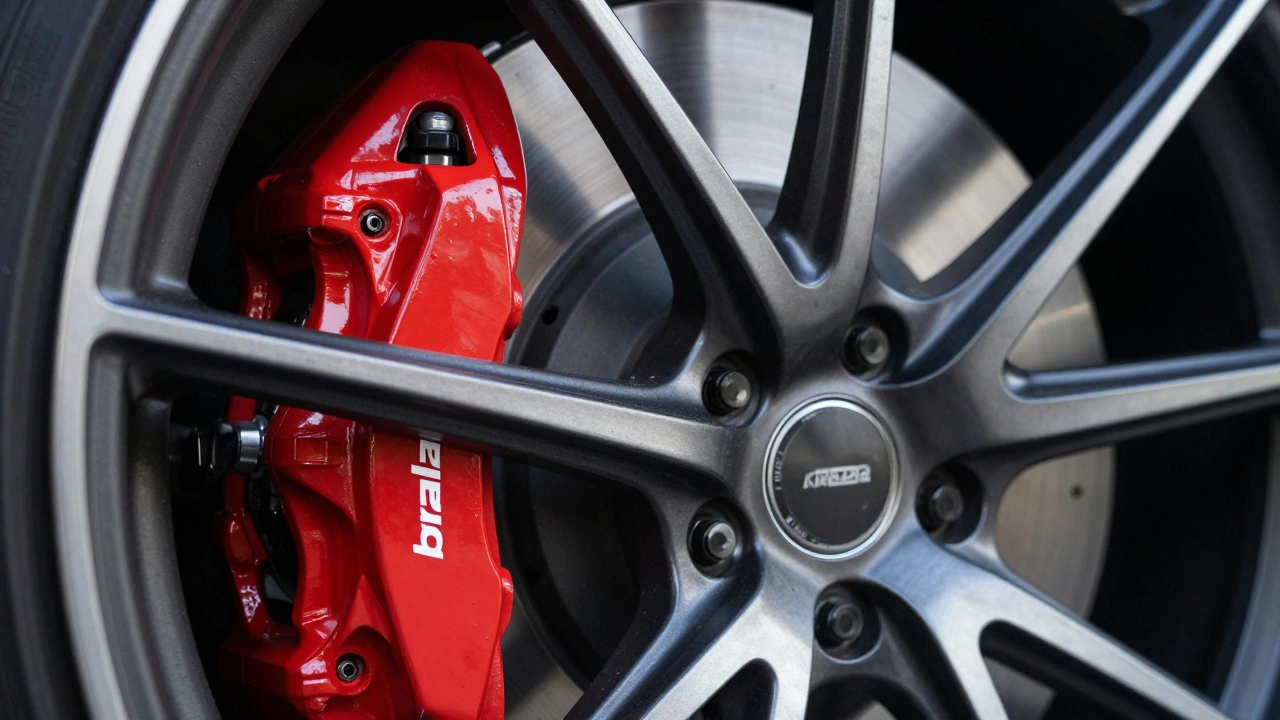
You can have the perfect PCD and offset, but your wheels might still fail if you've upgraded your brakes. Many people install Brake Calipers that are larger than stock to get more stopping power. These big calipers take up more room inside the wheel. If the spokes of your Alloy Wheels are too close to the rim, they will physically hit the caliper.
This is especially common with "replica" wheels or those designed for base-model cars. For instance, a wheel that fits a standard sedan might not fit the same model if it's the sports version with upgraded brakes. Always check the inner diameter of the wheel spokes. If you're unsure, the best move is to test-fit one wheel on the front axle before committing to the whole set.
Weight, Load Ratings, and Safety
Not all alloys are created equal. Some are cast, while others are forged. Beyond the look, every wheel has a Load Rating, which is the maximum weight the wheel can support. This is vital for heavier vehicles like SUVs or electric cars. Electric vehicles (EVs) are significantly heavier due to the battery packs, and putting a wheel designed for a lightweight coupe on an EV can lead to the wheel cracking or collapsing under the pressure.
Furthermore, the diameter of the wheel affects your speedometer. If you jump from a 15-inch wheel to an 18-inch wheel but don't adjust the tire profile (the sidewall height), the total circumference of the tire increases. This means your car travels further with every rotation of the axle, making your speedometer read slower than you're actually going. This can lead to unexpected speeding tickets if you aren't careful.
Step-by-Step Fitment Checklist
If you're shopping for wheels, use this process to avoid wasting money on a set that won't fit.
- Find your factory specs: Look in your owner's manual or a reputable fitment database for your PCD, offset, and hub bore.
- Verify the PCD: Ensure the number of holes and the millimeter diameter match exactly.
- Compare the Offset: Check if the new wheel's ET value is within +/- 5mm of your stock wheels for a safe fit.
- Check the Hub Bore: Ensure the wheel's center hole is equal to or larger than your hub. Buy centering rings if it's larger.
- Test for Brake Clearance: If you have big brakes, verify the spoke clearance with the manufacturer.
- Calculate Total Diameter: Use an online tire calculator to ensure the new wheel/tire combo won't rub against the fenders.
Can I use adapters to make a wheel fit?
Yes, you can use wheel adapters to change the bolt pattern (PCD) or increase the offset. However, this pushes the wheel further away from the hub, which puts more stress on the wheel studs and can change your car's handling and scrubbing radius. It is generally safer to buy wheels that match your car's native specs.
Will alloy wheels improve my car's performance?
In many cases, yes. Alloy wheels are often lighter than traditional steel wheels, which reduces "unsprung mass." This can lead to slightly better acceleration, improved braking, and more responsive steering. However, the most noticeable difference usually comes from the wider tires that often accompany alloy upgrades, providing more grip.
What is the difference between cast and forged alloys?
Cast wheels are made by pouring molten metal into a mold; they are affordable and common. Forged wheels are pressed into shape under extreme pressure, making them significantly stronger and lighter. Forged wheels are much more expensive and are typically reserved for high-performance racing or luxury cars.
Do I need new lug nuts when switching to alloy wheels?
Often, yes. Steel wheels usually use a tapered lug nut, while some alloy wheels require a "tuner nut" (which is thinner) to fit through the smaller lug holes of the alloy rim. Always check if the wheels come with their own nuts or if you need to buy a specific set.
Can I put larger wheels on my car if the bolts match?
You can, but you must consider the "clearance." If you go too large, the tire will rub against the inner fender or the suspension when you turn the steering wheel fully. You'll also need to use a lower-profile tire to keep the overall diameter the same, which can make the ride feel stiffer and more bumpy.
Next Steps for Your Upgrade
If you've decided to move forward with new wheels, your first stop should be a professional alignment shop. Changing your wheels and tires often alters your toe and camber settings, which can eat through your new rubber in a few thousand kilometers if not corrected. If you're buying used wheels, always inspect the inner rim for bends or welds-a "cheap" set of alloys is a liability if they've been structurally compromised in a pothole.