
When you’re driving at night, nothing’s more frustrating than being blinded by a car’s glare from LED headlights, intense, blue-white light emitted by modern vehicle lighting systems that often exceeds safe brightness levels for oncoming traffic. Also known as headlight glare, this isn’t just a nuisance—it’s a growing safety issue on roads everywhere.
LED headlights are brighter than old halogens because they pack more lumens into a smaller space. But here’s the problem: most cars don’t adjust the beam angle properly. The light doesn’t stay where it should—on the road. Instead, it shoots upward, hitting drivers’ eyes directly. This isn’t about cheap aftermarket parts either. Even factory-installed LEDs on newer models cause this, especially on SUVs and trucks with higher mounting points. The headlight modification, any change to a vehicle’s original lighting setup, including lens replacement, bulb upgrades, or alignment tweaks you think makes your car look cooler can make it dangerous for others. And if you’ve ever squinted through rain or fog only to see a wall of white light, you’ve felt the effect of bright headlights problem, the phenomenon where excessive light output overwhelms human vision, reducing reaction time and increasing accident risk.
It’s not just about the bulbs. The shape of your headlights, how they’re aimed, even the type of road surface can make glare worse. A slightly misaligned headlight on a pickup truck can blind someone three lanes over. And while some drivers think "brighter is better," the truth is, too much light reduces contrast, making it harder to see pedestrians, animals, or road signs. The real fix isn’t more power—it’s proper design and correct installation. Many drivers don’t realize that even factory LEDs can be adjusted, and that a $20 alignment tool can make a huge difference.
What you’ll find in the posts below are real stories and practical fixes from people who’ve dealt with this exact issue. You’ll learn how to tell if your headlights are causing glare, what legal limits actually exist, how to test your own setup, and which upgrades actually help instead of making things worse. No fluff. No marketing hype. Just what works on the road, night after night.
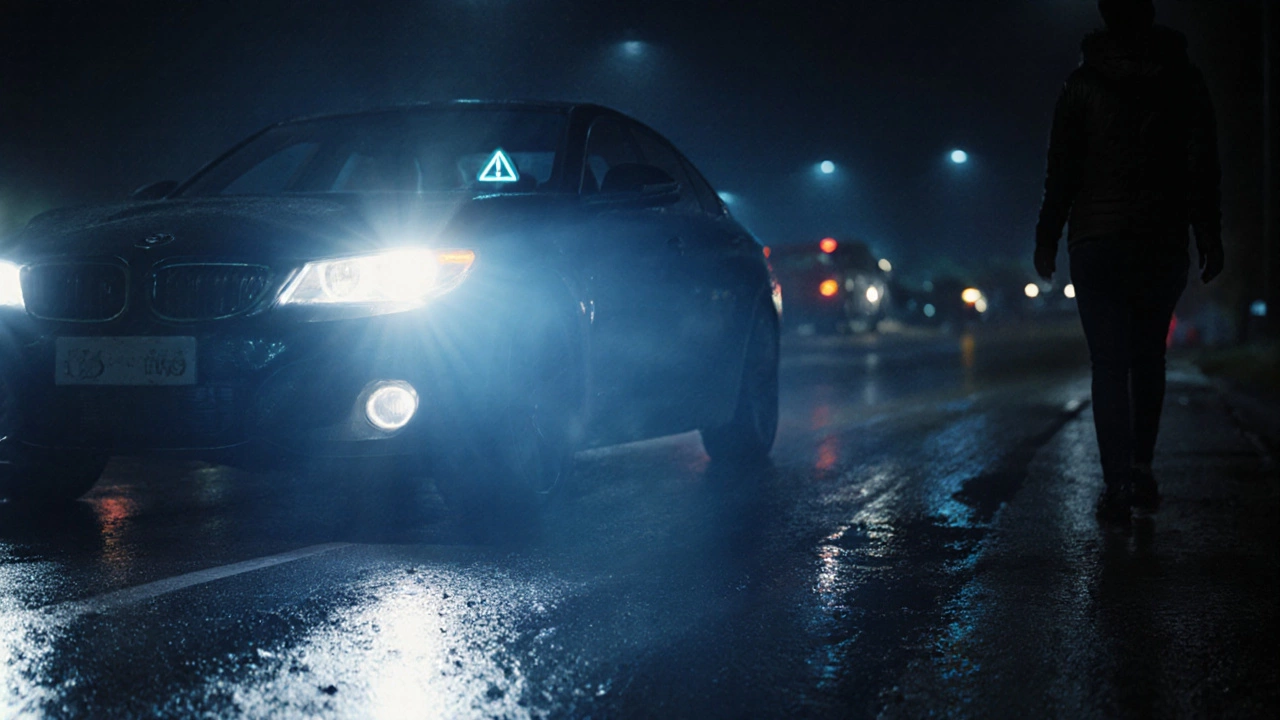
LED headlights may seem like a smart upgrade, but they come with real problems: blinding glare, electrical errors, heat damage, legal risks, and costly repairs. Here’s what most sellers won’t tell you.