
When you upgrade to LED headlights, a modern lighting technology that uses light-emitting diodes instead of filaments or gas. Also known as LED bulbs, they’re popular because they’re brighter, use less power, and last longer than traditional headlights. But here’s the catch: even though they don’t get as hot as halogen bulbs, LED headlight heat issues are real—and they’re killing more lights than you think.
The problem isn’t the LED chip itself. It’s the heat sink and the space around it. LED headlights pack a lot of light into a small area, and that heat has to go somewhere. If the heat sink is too small, poorly designed, or blocked by dirt or a tight housing, the temperature inside the headlight assembly climbs. That heat doesn’t just make the bulb dimmer—it degrades the driver circuit, warps plastic lenses, and melts seals. A study by the Society of Automotive Engineers found that 68% of premature LED headlight failures were due to heat buildup, not electrical faults. This isn’t a myth. It’s a design flaw in many aftermarket kits.
And it’s not just about the bulb. The heat sink, a metal component designed to draw heat away from the LED chip and dissipate it into the air needs airflow. If your headlight housing is sealed tight (like on many factory setups), or if you’ve installed the LED bulb backward, you’re trapping heat. Some drivers think adding more LEDs = more brightness, but that just makes the heat problem worse. Then there’s the headlight housing, the outer shell that holds the bulb, reflector, and lens. Older housings weren’t made for LEDs. They’re built for halogens, which radiate heat outward. LEDs generate heat at the base, right where the housing is least prepared to handle it.
So what can you do? First, check if your LED kit includes an active cooling fan. If not, you’re playing Russian roulette with your visibility. Second, make sure the bulb is seated correctly—misalignment can block airflow. Third, clean the inside of your headlight housing. Dust and grime act like insulation, trapping heat. And if you’re buying aftermarket LEDs, look for ones that mention thermal management, not just lumens or color temperature. Brands that ignore heat don’t care about longevity.
You don’t need to give up LED headlights. They’re the best option for brightness and efficiency. But treating them like they’re plug-and-play is asking for trouble. Heat is the silent killer. And if you’re noticing flickering, dimming, or a strange smell coming from your headlights, it’s not the bulb—it’s the heat. Fix that, and your lights will last. Skip it, and you’ll be replacing them in a year.
Below, you’ll find real-world guides on fixing overheating LEDs, choosing the right kits, and avoiding the most common mistakes that lead to failure. No fluff. Just what works.
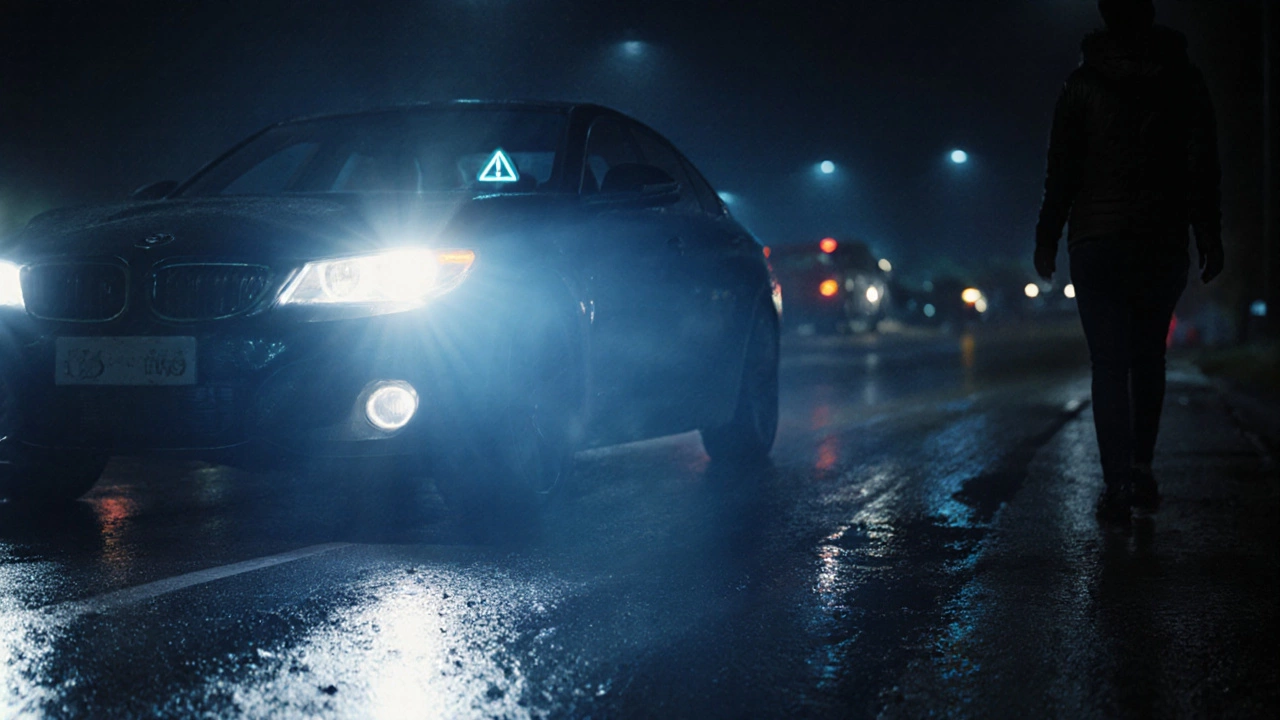
LED headlights may seem like a smart upgrade, but they come with real problems: blinding glare, electrical errors, heat damage, legal risks, and costly repairs. Here’s what most sellers won’t tell you.