
When you think of LED headlights, a type of automotive lighting that uses light-emitting diodes instead of halogen or xenon bulbs. Also known as LED bulbs, they’re marketed as brighter, longer-lasting, and more efficient. But behind the sleek look and energy savings, there’s a side most car shops won’t show you. Many drivers upgrade expecting perfection—only to deal with blinding glare, sudden failures, or repair bills that hit three figures faster than you can say "warranty expired."
The biggest issue isn’t brightness—it’s glare, the intense, scattered light that blinds oncoming drivers and reduces visibility for everyone else. Unlike halogens that glow evenly, LEDs focus light in sharp beams. When poorly designed or misaligned, they turn your headlights into spotlights for other drivers’ eyes. It’s not just annoying—it’s dangerous. In the UK, even factory-fit LED upgrades can fail MOT if they scatter light outside legal limits. And if you’ve installed aftermarket LEDs? You’re gambling with fines, failed inspections, or worse—accidents caused by impaired drivers.
Then there’s heat management, the hidden engineering challenge behind every LED headlight assembly. LEDs don’t produce heat like old bulbs, but their tiny circuit boards do. Without proper heat sinks or cooling fans, they overheat and die—sometimes after just a year. Cheap kits skip the cooling entirely. You’ll see the light dim, flicker, or go dark. Replacing a single LED module often means swapping the whole housing. That’s not a $20 bulb fix—it’s a $300+ job. And if your car’s wiring wasn’t made for LEDs? You’ll fry fuses, trigger error codes, or mess up your car’s computer.
And don’t assume they last forever. While LEDs *can* last 20,000 hours, real-world conditions cut that in half. Road salt, moisture, vibration, and poor installation all kill them faster. You’ll find people online saying "my LEDs died after 18 months"—not because they’re faulty, but because they were never built for harsh driving. And when they go? Repairing them is nearly impossible. Most manufacturers don’t sell individual diodes. You buy the whole unit. That’s why LED headlight repairs cost more than replacing an entire headlight assembly on a 10-year-old car.
Some drivers blame the tech. But the real problem isn’t LED lighting—it’s the rush to cut corners. Brands sell cheap kits without proper optics. Mechanics install them without alignment tools. Drivers ignore the warning signs until the lights fail at night. The truth? LED headlights aren’t bad. But the cheap versions, the bad installs, and the lack of regulation make them risky. If you want them, go factory or go with a certified retrofit kit. Skip the Amazon specials. They might save you $100 now—but cost you $1,000 later in repairs, tickets, or worse.
Below, you’ll find real stories from drivers who’ve dealt with these problems—glare that got them pulled over, LED failures mid-road trip, and repair bills that shocked even experienced mechanics. We’ve pulled together every known issue, fix, and warning so you don’t make the same mistakes.
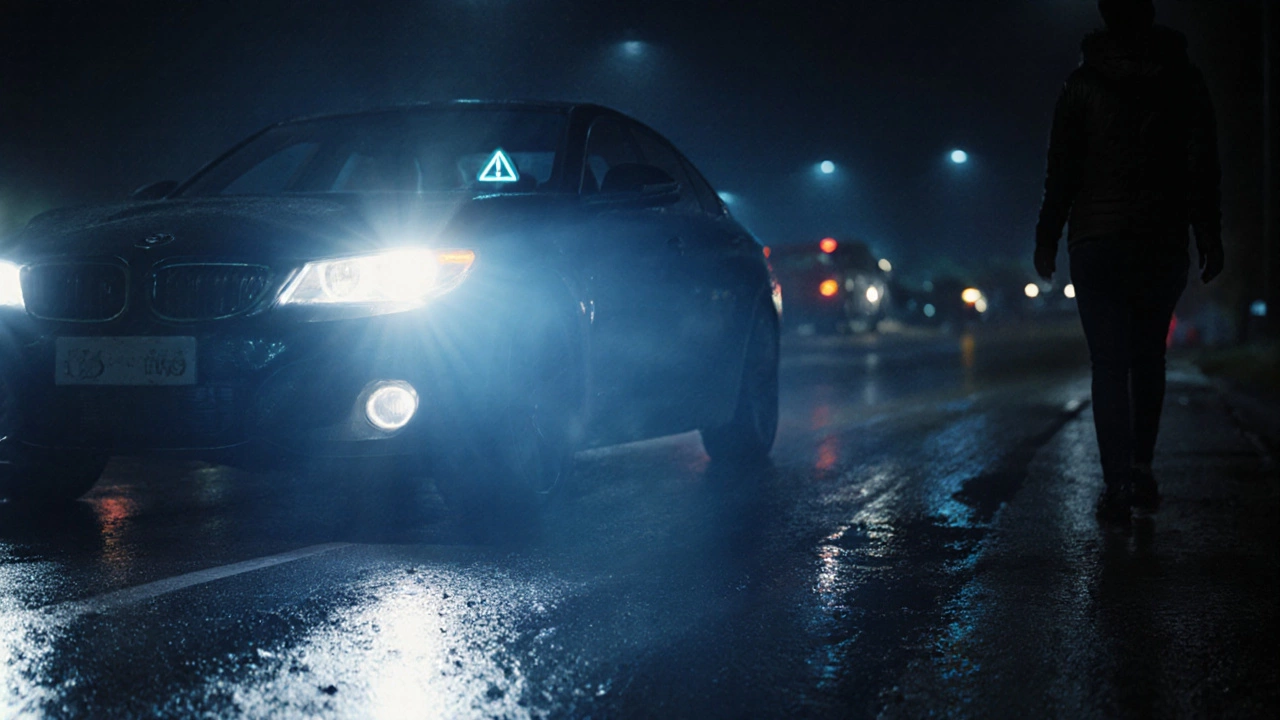
LED headlights may seem like a smart upgrade, but they come with real problems: blinding glare, electrical errors, heat damage, legal risks, and costly repairs. Here’s what most sellers won’t tell you.