Window Tint Curing & Care Checker
Curing Status Calculator
Current Status: 0 Days
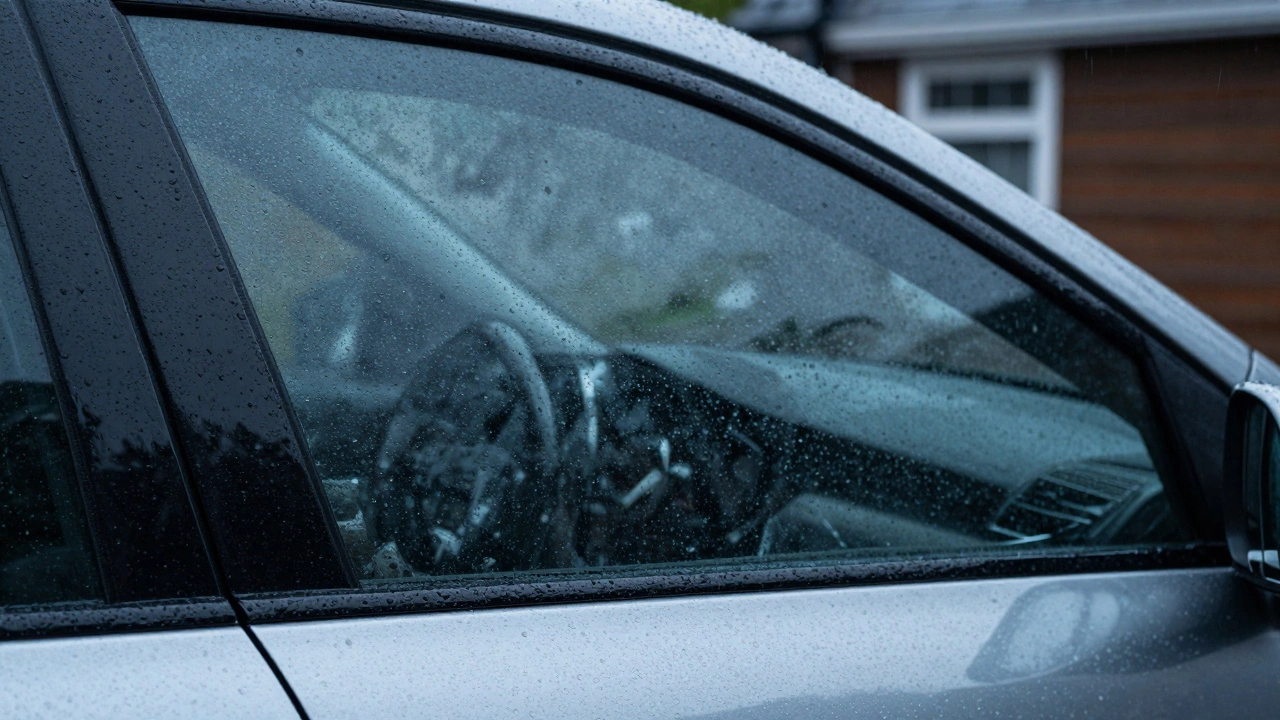
The real concern isn't the rain itself, but how the window tint curing is the process where the adhesive layer of the window film fully bonds to the glass as moisture evaporates. While the film is essentially 'stuck' the moment the installer finishes, it takes several days for that bond to become permanent. Rain hits the outside of the glass, and since the film is on the inside, the water can't actually touch the adhesive. However, there are a few specific scenarios where moisture and weather can actually cause a headache.
What Happens During the Curing Process
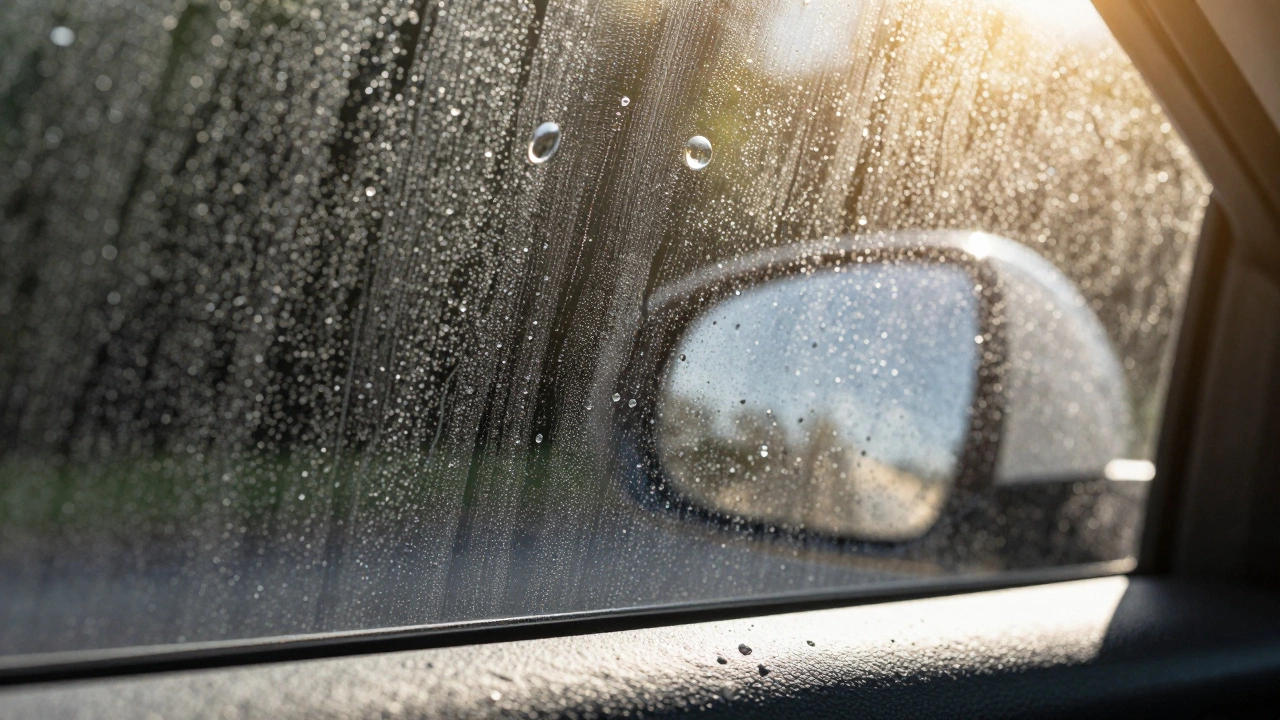
When a pro installs Window Film, they use a soapy solution to slide the film into place and squeegee out the air. This leaves a thin layer of moisture trapped between the glass and the polyester. As this water evaporates, the adhesive locks in. This is why you might see tiny "bubbles" or a slightly hazy look for the first 48 hours.
If you see a few small bubbles, don't panic. They aren't air; they are actually tiny pockets of water. Over the next week, these usually disappear on their own. If you try to poke them or scrape them, you'll likely create a permanent crease or pull the film away from the glass, which is a much bigger problem than a little rain.
Does Rain Affect the Outside of the Glass?
Since the tint is applied to the interior surface of the window, rain falling on the exterior has zero physical impact on the adhesive bond. Whether it's a light drizzle or a monsoon, the glass acts as a waterproof shield. The only way rain could theoretically "ruin" the tint is if your car has a massive leak in the window seal that allows water to pour directly onto the interior glass during the first 24 hours.
Even then, most modern films use a very strong pressure-sensitive adhesive. A few drops of water leaking from a worn-out weatherstrip aren't likely to lift the film unless the water is actively pooling at the bottom of the window and soaking into the edge of the film for hours. If your car is watertight, you can stop worrying about the weather forecast.
The Real Danger: Rolling Down the Windows
While rain is a non-issue, your own curiosity is the biggest threat. Many people want to test their new windows or let some air in right after they leave the shop. This is where things go wrong. When the film hasn't fully cured, the friction from the window regulator and the rubber gaskets can catch the edge of the film and peel it back.
Once a corner peels, it creates a gap. That gap can then collect dust, moisture, and debris, making it impossible to reseal without replacing the entire sheet. Most installers recommend waiting at least 3 to 7 days before rolling your windows down. If you absolutely must, do it slowly and avoid any abrupt movements.
| Scenario | Risk Level | Action Required |
|---|---|---|
| Rain on exterior glass | None | None. Just drive normally. |
| Small water bubbles | Low | Wait 3-7 days for evaporation. |
| Rolling windows down (Day 1) | High | Keep windows up for at least 72 hours. |
| Using ammonia-based cleaners | High | Use ammonia-free glass cleaner only. |
| Direct sunlight (Heat) | Beneficial | Park in the sun to speed up curing. |
Cleaning Your New Tint Without Ruining It
Once the rain stops and the windows dry, you might notice some streaks or smudges on the inside. Here is the golden rule: Ammonia is the enemy. Many common glass cleaners contain ammonia, which is a harsh chemical that can eat through the dye in your tint, leading to a purple, faded look or permanent clouding.
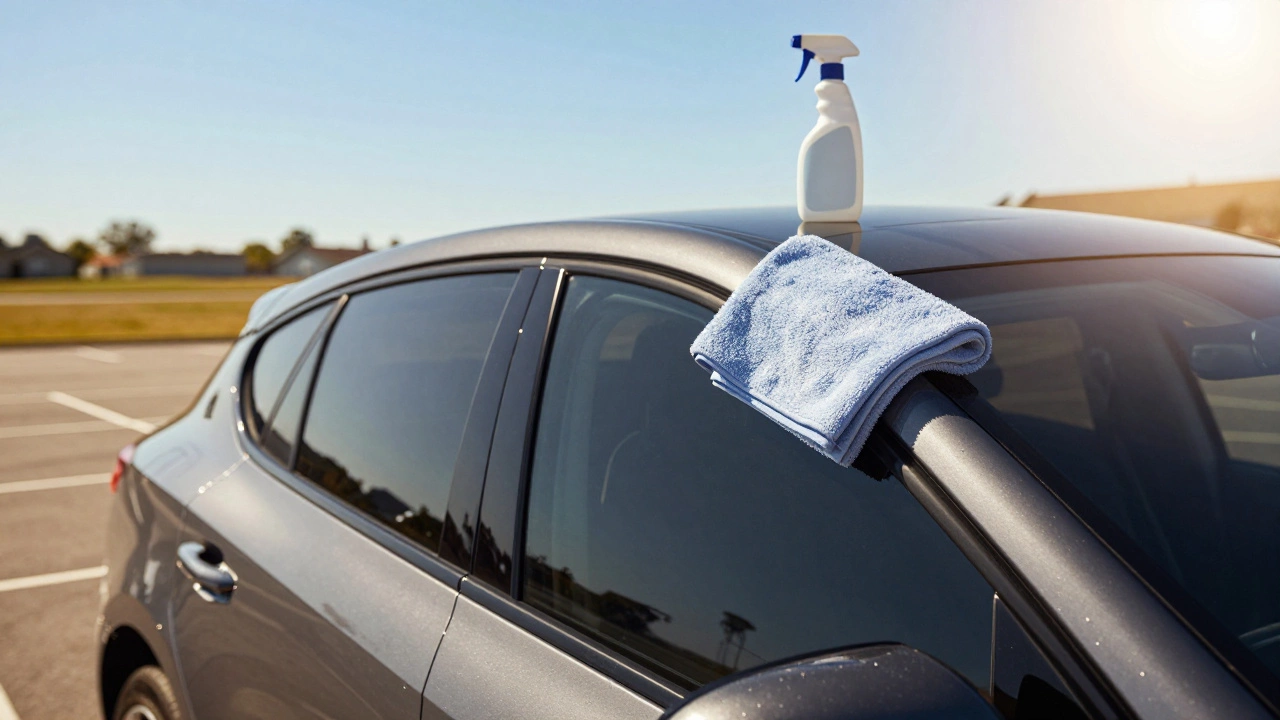
Instead, use a microfiber cloth and a dedicated ammonia-free cleaner or just a drop of mild dish soap in warm water. Avoid scrubbing the edges of the film for the first week. If you press too hard on the edges while the adhesive is still settling, you might accidentally push the film away from the glass, creating a "silvering" effect where the film doesn't lay flat.
Signs That Something Actually Went Wrong
Since we've established that rain isn't the culprit, what should you actually look for? If you see a large bubble that doesn't shrink after a week, or a "finger-like" streak that looks like a permanent wrinkle, you have a problem. This is usually caused by contamination (like a piece of lint) getting trapped during installation, not by the weather.
Another red flag is "peeling" at the top edge near the window seal. If the film is lifting, it's likely due to a poor fit or a gasket that's too tight, not because it rained. Most reputable shops offer a warranty on their labor; if the tint isn't adhering properly after the curing period, take it back for a free replacement.
Pro Tips for a Perfect Cure
If you want to ensure your tint looks factory-perfect, follow these simple heuristics:
- Seek the Sun: Heat helps the water evaporate faster. Parking your car in a sunny spot for a few hours will actually speed up the curing process.
- Avoid the Wash: While rain is fine, high-pressure car washes can sometimes force water through seals or vibrate the glass excessively. Wait a couple of days before hitting the automated wash.
- Touch Nothing: Resist the urge to press out those tiny bubbles. You'll likely just push dirt into the adhesive.
How long does it actually take for window tint to cure?
Generally, it takes about 3 to 7 days for the moisture to fully evaporate and the adhesive to bond. In very humid environments, it can take up to two weeks, while in hot, dry climates, it can happen in as little as 48 hours.
Can I drive in the rain immediately after getting my tint done?
Yes. Rain only touches the outside of your glass. The tint is applied to the inside, so it is completely protected from the rain. Your drive home in a storm will not affect the quality or longevity of the film.
Why are there bubbles in my new tint?
Most small bubbles are actually tiny pockets of water used during the installation process. These are normal and will vanish as the film cures. If the bubbles are large, dry, and don't disappear after a week, they may be air pockets caused by dust or poor installation.
Can I use Windex on my tinted windows?
You should avoid standard Windex or any cleaner containing ammonia. Ammonia can break down the dyes and the protective coating of the film, causing it to fade or turn purple over time. Use a cleaner explicitly labeled as "ammonia-free."
What happens if I roll down my window too early?
Rolling the window down before the adhesive has set can cause the film to slide, crease, or peel away from the edges. Once a corner is lifted, it is very difficult to fix without replacing the entire piece of film.
Next Steps for New Tint Owners
If you just left the shop, the most important thing you can do is stay patient. Keep those windows rolled up for the next few days, even if you're tempted to let some fresh air in. If you notice any major peeling or huge bubbles that won't budge after a week, contact your installer immediately while the work is still under warranty.
For those who live in rainy or humid climates, don't stress about the weather. Just make sure you aren't using heavy-duty interior cleaners on your glass for a while. Give the film time to breathe and bond, and you'll have a crisp, bubble-free look for years to come.