Alloy Wheel Upgrade Cost Calculator
Wheel Selection & Details
Hidden Costs & Extras
Estimated Total Cost
Total Estimated Investment
$0 - $0
💡 Money Saving Tip:
Buying last year's model can save you up to 30%. Consider refinishing used wheels instead of buying new if cosmetic damage is minor.
Standing in your driveway, staring at a set of shiny rims, you might wonder if dropping a few hundred dollars on them is worth it. The short answer is: it depends entirely on what you buy. Alloy wheels are lightweight vehicle wheels made from an aluminum-based alloy, designed to improve performance, handling, and aesthetics compared to traditional steel wheels. They range from budget-friendly options that cost less than a nice dinner out to high-end collector pieces that could buy you a used car.
If you're thinking about upgrading your ride, the price tag isn't just about the metal itself. It's about manufacturing methods, brand reputation, size, and whether you're buying new or used. Let’s break down exactly where your money goes so you don’t get ripped off.
The Price Spectrum: From Budget to Luxury
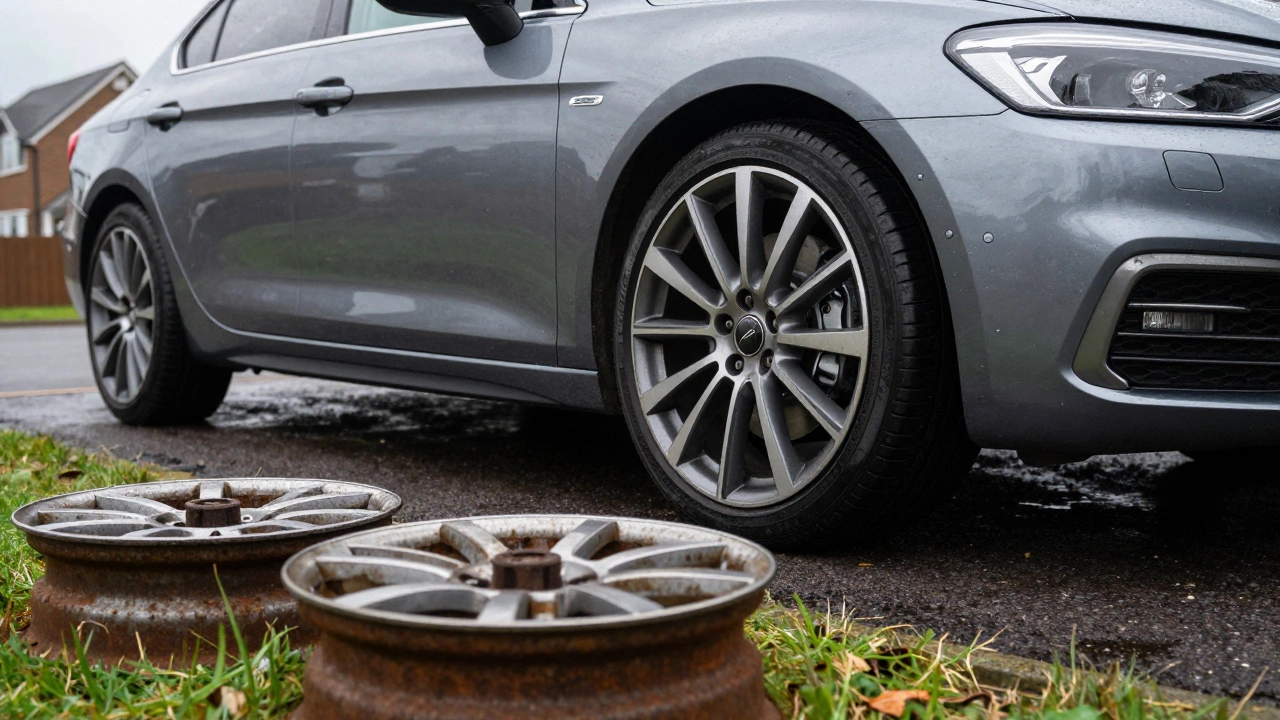
When people ask if alloy wheels are expensive, they usually compare them to standard steel wheels are heavy, durable wheels made from stamped steel, typically covered by plastic hubcaps, found on base model vehicles. Steel wheels are cheap-often costing between $50 and $100 per wheel. They’re ugly, heavy, and rust easily, but they’re tough. Alloy wheels start higher because the manufacturing process is more complex.
In 2026, here is what you can expect to pay for a set of four alloy wheels (excluding tires and installation):
- Budget Tier: $300 - $800 total. These are often cast aluminum wheels from lesser-known brands. They look decent but might be heavier than advertised.
- Middle Ground: $800 - $2,000 total. This includes popular aftermarket brands like Enkei is a Japanese wheel manufacturer known for lightweight flow-formed technology and motorsport heritage., BBS is a premium German wheel brand renowned for forged construction and high-performance engineering. entry-level lines, or quality OEM replacements.
- Premium/Luxury: $2,000 - $5,000+ total. Think forged carbon-fiber hybrids, limited edition designs, or top-tier brands like HRE is an ultra-high-end American wheel manufacturer specializing in custom forged wheels for luxury and supercars..
So, are they expensive? Compared to stock steelies, yes. Compared to the value they add to your car’s appearance and handling, many drivers say no.
Why Do Alloy Wheels Cost More?
You aren’t just paying for the material. You’re paying for the process. Most budget alloy wheels are made using a method called cast aluminum is a manufacturing process where molten aluminum is poured into molds, creating affordable but heavier wheels with potential porosity issues. This is similar to making chocolate bars. It’s fast and cheap, but the result isn’t as strong or light as other methods.
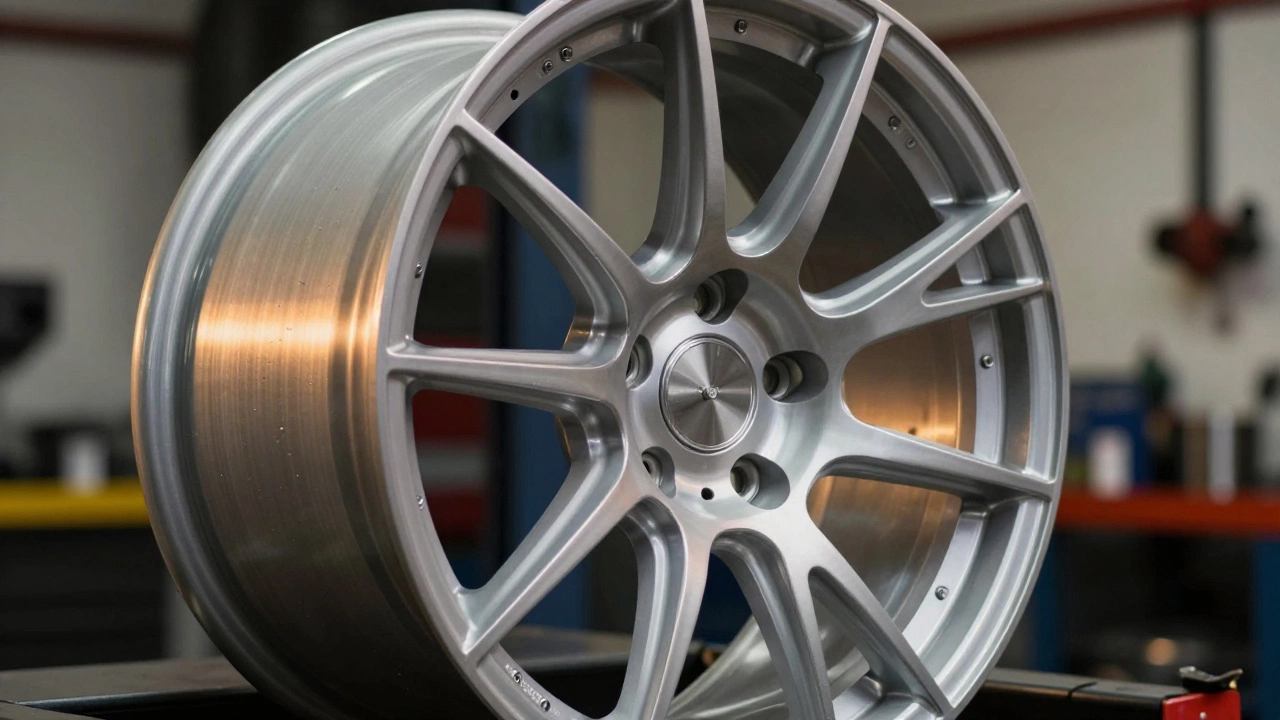
Higher-end wheels use forged aluminum is a manufacturing technique where solid aluminum billets are pressed under extreme pressure, resulting in stronger, lighter, and more expensive wheels. Imagine hammering iron into shape versus pouring it into a mold. Forging aligns the metal grain structure, making the wheel incredibly strong and light. This process requires massive machinery and more labor, which drives up the price. A single forged wheel can cost $400-$600, while a cast one might be $100.
Additionally, design complexity matters. Simple five-spoke designs are cheaper to produce. Intricate multi-spoke or mesh patterns require more precise tooling and finishing, adding to the final cost.
Hidden Costs That Blow Your Budget
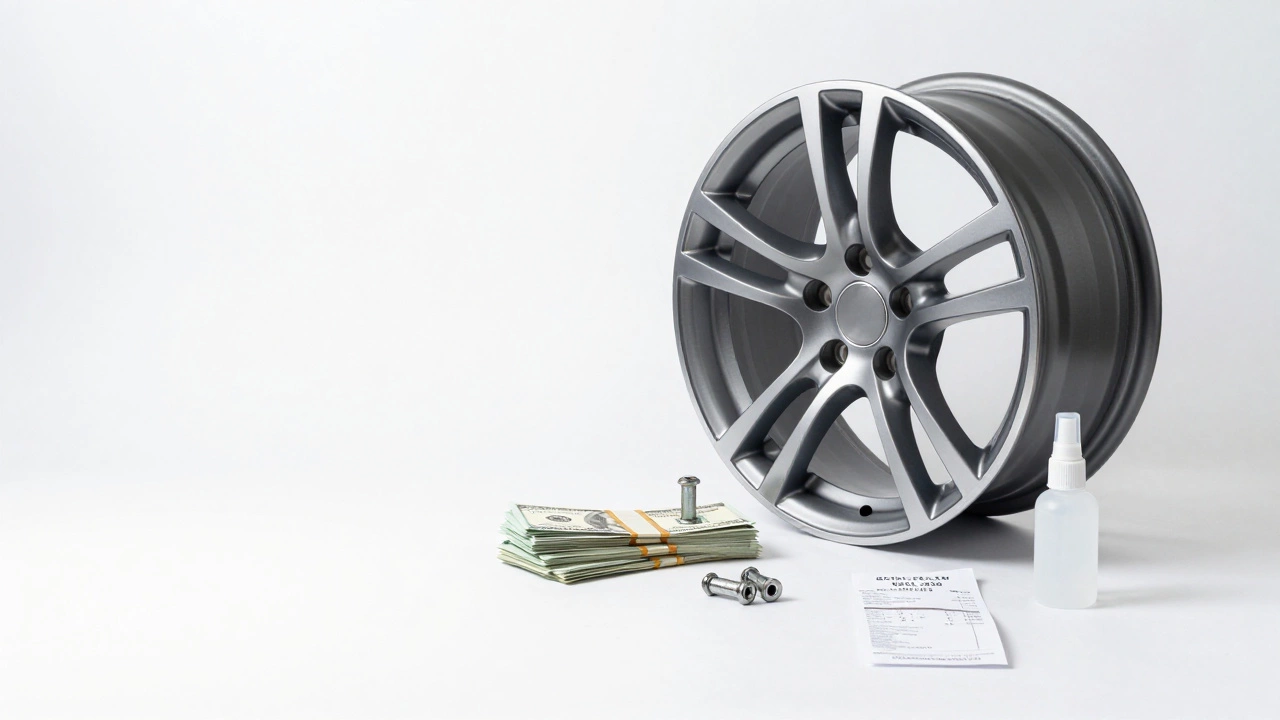
Here’s the trap most buyers fall into: looking at the wheel price and forgetting the rest. Buying wheels is rarely just about the rims. Here are the hidden costs that make alloy wheels truly expensive:
- Tires: If your new wheels have a different diameter or width, you’ll need new tires. A set of quality tires can cost $400-$1,000 alone.
- Installation & Balancing: Don’t try this at home unless you have a press. Professional mounting and balancing cost $20-$50 per wheel.
- Lug Nuts/Bolts: Switching from steel to alloy often requires shorter or longer lug nuts. Expect to spend $30-$60 on these.
- Center Caps & Adapters: If you’re mixing brands or sizes, you might need adapters ($50-$100) or specific center caps.
- Paint Protection: Alloy wheels scratch easily. Clear coat protection adds $50-$100 but saves you from repainting later.
So, a $800 set of wheels might actually become a $1,200 project once you factor everything in.
New vs. Used: Is Second-Hand Worth It?
Buying used alloy wheels is a great way to save money, but it comes with risks. In Brisbane, the humidity and road salt can cause corrosion over time. When inspecting used wheels, look for:
- Curb Rash: Deep scratches on the rim edge. Minor ones can be polished out; deep ones may compromise structural integrity.
- Cracks: Never buy a cracked wheel. Even hairline cracks can lead to catastrophic failure at high speeds.
- Bent Rims: Check if the wheel sits flat on the ground. A bent wheel won’t balance properly, causing vibration.
- Corrosion: Pitting on the back of the wheel can indicate poor maintenance or exposure to harsh chemicals.
You can find used wheels on platforms like Gumtree or Facebook Marketplace for 30-50% off retail. However, always verify the bolt pattern and offset before purchasing. A wrong fitment means you’ll have to return them or buy spacers, eating into your savings.
OEM Aftermarket vs. Independent Brands
Many drivers prefer buying OEM wheels are original equipment manufacturer wheels, produced by the car maker or their suppliers, ensuring perfect fitment and warranty compatibility. Why? Because they’re guaranteed to fit your car without modification. An OEM wheel for a Toyota Camry or Ford Falcon will match the bolt pattern, offset, and center bore perfectly.
However, OEM wheels are often priced higher due to branding. Independent aftermarket brands offer similar quality for less money. For example, a set of Rays Wheels is a Japanese manufacturer famous for lightweight magnesium and aluminum wheels used in racing applications. might cost more than a generic brand, but the weight savings improve fuel efficiency and braking. Always check reviews and ensure the aftermarket wheels are JWL (Japan Light Alloy Wheel) or VIA (Vehicle Industries Association) certified for safety.
| Type | Avg. Cost per Wheel | Weight | Durability | Best For |
|---|---|---|---|---|
| Steel | $50 - $100 | Heavy | High | Snow tires, daily beaters |
| Cast Alloy | $100 - $250 | Medium | Medium | Street cars, budget upgrades |
| Flow-Formed | $250 - $400 | Light | High | Performance sedans, track days |
| Forged | $400 - $800+ | Very Light | Very High | Supercars, competitive racing |
Do Alloy Wheels Increase Resale Value?
This is a tricky question. Generally, modifications do not increase a car’s resale value dollar-for-dollar. However, good-looking alloy wheels can make your car sell faster. Buyers perceive them as a sign of care and style. If you keep your original steel wheels and buy a separate set of alloys, you can sell the originals later to recoup some costs. Selling the whole car with upgraded wheels might attract a higher offer, but don’t expect to recover 100% of your investment.
Also, consider the buyer’s perspective. A set of trendy, oversized wheels might appeal to young drivers but deter families looking for practicality. Stick to classic, clean designs if resale value is a priority.
How to Save Money Without Sacrificing Quality
You don’t need to spend thousands to get great wheels. Here are some practical tips:
- Buy Last Year’s Model: Wheel manufacturers release new designs annually. Last year’s model often drops in price significantly.
- Shop Local: In Australia, local distributors sometimes have clearance sales. Visit shops in Brisbane or Melbourne to see wheels in person.
- Choose Standard Sizes: 17-inch and 18-inch wheels are widely available and cheaper than niche 20-inch+ sizes.
- Consider Refinishing: If you find a used set with cosmetic damage, professional refinishing costs $100-$200 and can make them look brand new.
- Wait for Sales: Black Friday, end-of-financial-year sales, and automotive expos often feature discounts on wheels and tires.
Remember, the cheapest wheel isn’t always the best deal. Poorly balanced wheels can cause suspension wear and tire imbalance, leading to costly repairs down the road.
Are alloy wheels worth the extra cost?
Yes, if you value aesthetics, handling, and fuel efficiency. Alloy wheels reduce unsprung weight, improving acceleration and braking. They also dissipate heat better than steel, protecting your brakes. For daily drivers, the visual upgrade alone often justifies the expense.
What is the average cost of alloy wheels for a sedan?
For a standard sedan, a set of four mid-range 17-inch alloy wheels typically costs between $800 and $1,500, excluding tires. Budget options start around $400, while premium forged sets can exceed $2,500.
Can I install alloy wheels myself?
While possible, it’s not recommended for beginners. Proper torque specifications and balancing are critical for safety. Incorrect installation can lead to wheel detachment or uneven tire wear. Professional installation ensures everything is done correctly.
Do alloy wheels rust?
Aluminum doesn’t rust like steel, but it can corrode. Exposure to road salt, brake dust, and harsh cleaners can cause pitting and oxidation. Regular cleaning and waxing help prevent corrosion and maintain the finish.
Is it safe to buy cheap alloy wheels online?
Only if they are certified. Look for JWL, VIA, or TÜV markings. Unbranded, uncertified wheels may lack proper strength testing, posing a serious safety risk. Avoid deals that seem too good to be true, especially from unknown sellers.