Car Interior Customisation Estimator
Select your planned modifications to estimate total costs (AUD) and potential resale impact.
Estimated Total Cost
$0Resale Value Analysis
Select options to see analysis.
NeutralInstallation Tips
You spend more time looking at your car’s interior than its paint job. Yet, most drivers buy a vehicle and never touch the cabin until it wears out. Why? Because we assume customisation is either too expensive or too complicated. It isn’t. Whether you want to hide a cigarette burn on a rental return or turn a boring grey sedan into a luxury lounge, customising your car interior is one of the highest-impact upgrades you can make for the money.
The truth is, you don’t need a full rebuild to change how your car feels. Small tweaks-like swapping gear knobs, adding ambient lighting, or re-upholstering headrests-can completely shift the vibe. But where do you start? And what actually holds up against Brisbane’s heat versus what peels off in six months? Let’s break down exactly what you can change, what it costs, and which modifications are worth your cash.
What Can You Actually Change?
When people ask if they can customise their interior, they often picture a complete strip-down. That’s rare. Most effective changes fall into three buckets: soft goods, hard parts, and electronic add-ons. Understanding these categories helps you budget correctly.
Soft Goods refer to anything made of fabric, leather, or vinyl. This includes seat covers, floor mats, steering wheel wraps, and headliner replacements. These are usually the easiest entry point because many can be installed with basic tools or even just Velcro and clips.
Hard Parts are rigid components like dashboards, centre consoles, gear shifts, and door cards. Changing these often requires removing screws and plastic clips. If you’re handy with a trim removal tool, you can save hundreds by doing this yourself.
Electronic Add-ons cover ambient lighting, upgraded infotainment screens, digital gauges, and sound systems. These require wiring knowledge but offer massive visual impact without altering the physical structure of the car.
Seat Upholstery: The Biggest Impact
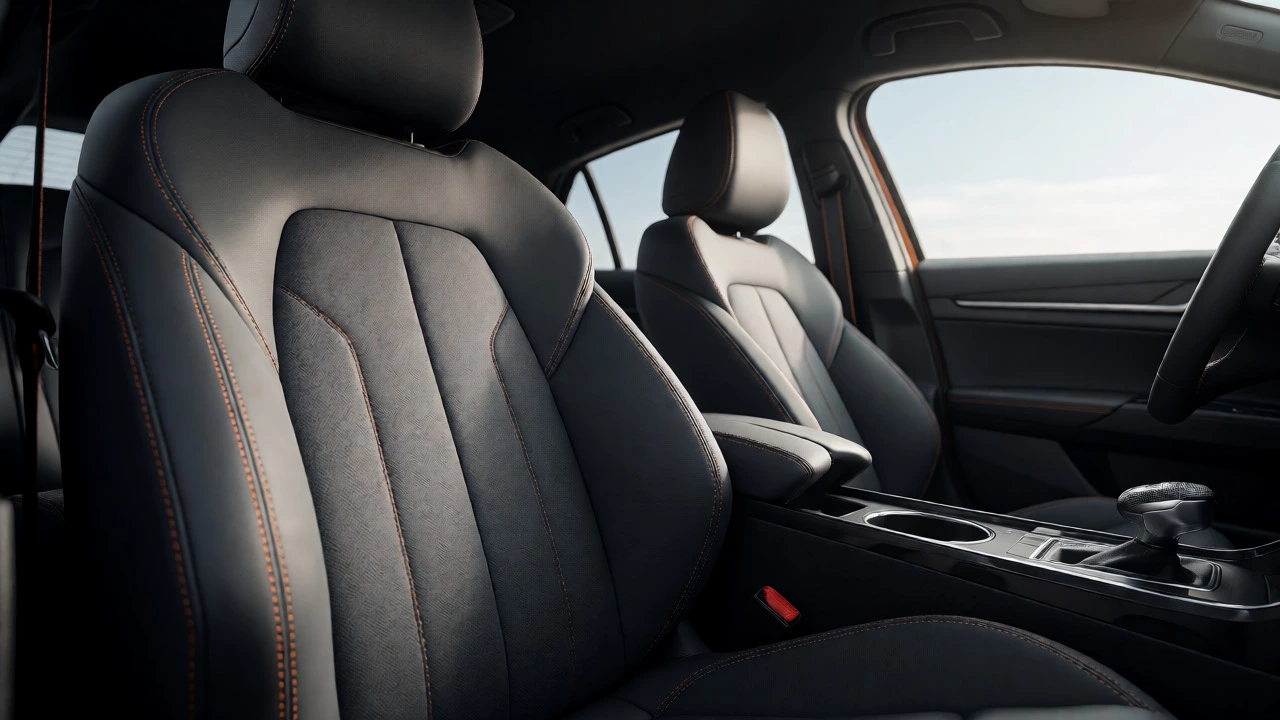
If you only do one thing, fix the seats. They occupy the largest surface area visible to both you and your passengers. Factory cloth seats in base models often look dated within five years. Leather looks better but cracks in the sun if not maintained.
You have three main options here:
- Re-upholstering: A professional removes the old material and sews new fabric onto the existing foam. This gives the cleanest, factory-like finish. In Australia, expect to pay between $400 and $800 per row of seats depending on the material. Real leather (Nappa) pushes this higher, while synthetic vegan leathers are cheaper and easier to clean.
- Bespoke Seat Covers: High-quality custom-fit covers are surprisingly good now. Brands use laser-cut patterns that match specific car models. They aren’t glued down, so you can remove them when selling the car. Look for materials like Alcantara or high-grade PU leather rather than cheap neoprene, which traps heat.
- DIY Kits: For the brave, universal fit kits exist. However, unless you own an industrial sewing machine, the finish rarely matches a pro job. Use this option only if budget is tight and aesthetics are secondary.
A common mistake is choosing light-coloured interiors for daily drivers parked outside. Unless you have a garage, beige seats will stain quickly. Dark greys or blacks with contrasting stitching are practical and stylish.
Dashboard and Trim Upgrades
Your dashboard is the face of the car. Cracked plastic or faded wood veneer ages a vehicle instantly. You don’t need to replace the whole dash. Instead, consider respraying or wrapping the trim pieces.
Vinyl Wrapping is a popular method for changing dashboard accents. You can switch from fake wood to carbon fibre, brushed aluminium, or matte black. A skilled installer charges around $150-$300 for a full dashboard wrap. It’s removable, which protects resale value.
For older cars, Dash Restoration involves sanding down UV damage and applying a new texture coat. This is labour-intensive but restores the original feel better than a sticker ever could.
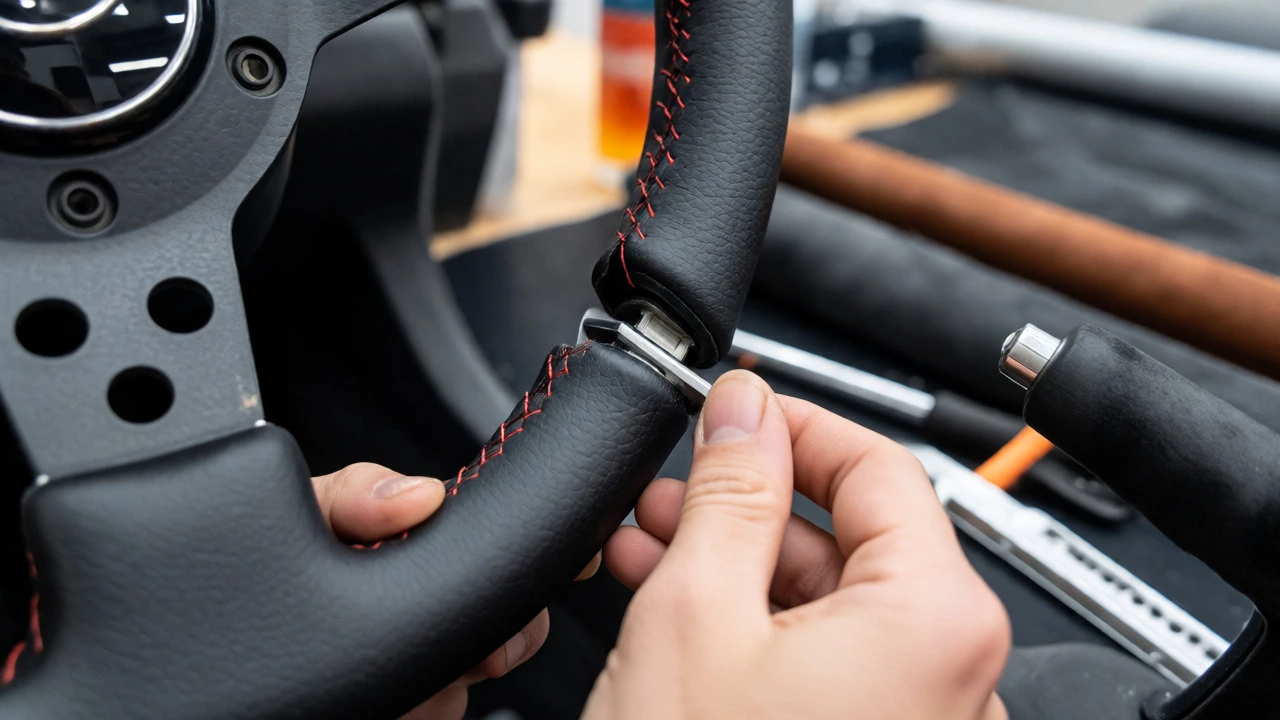
Don’t forget the small touches. Swapping the gear knob and handbrake lever takes ten minutes and costs under $50. Choose weighted metal or leather-wrapped options. The tactile feedback makes the car feel more premium every time you drive.
Lighting and Ambience
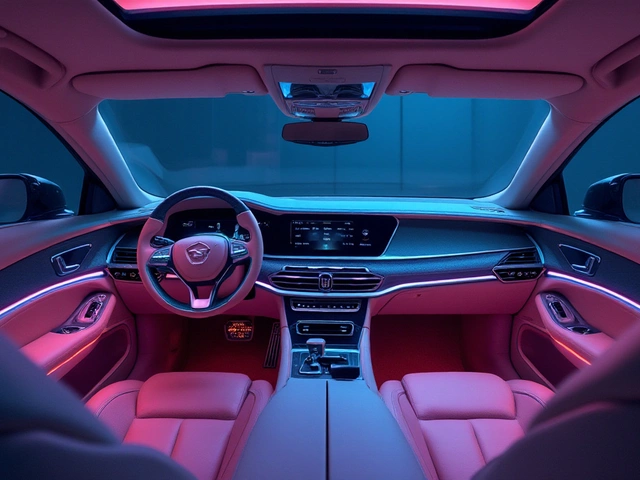
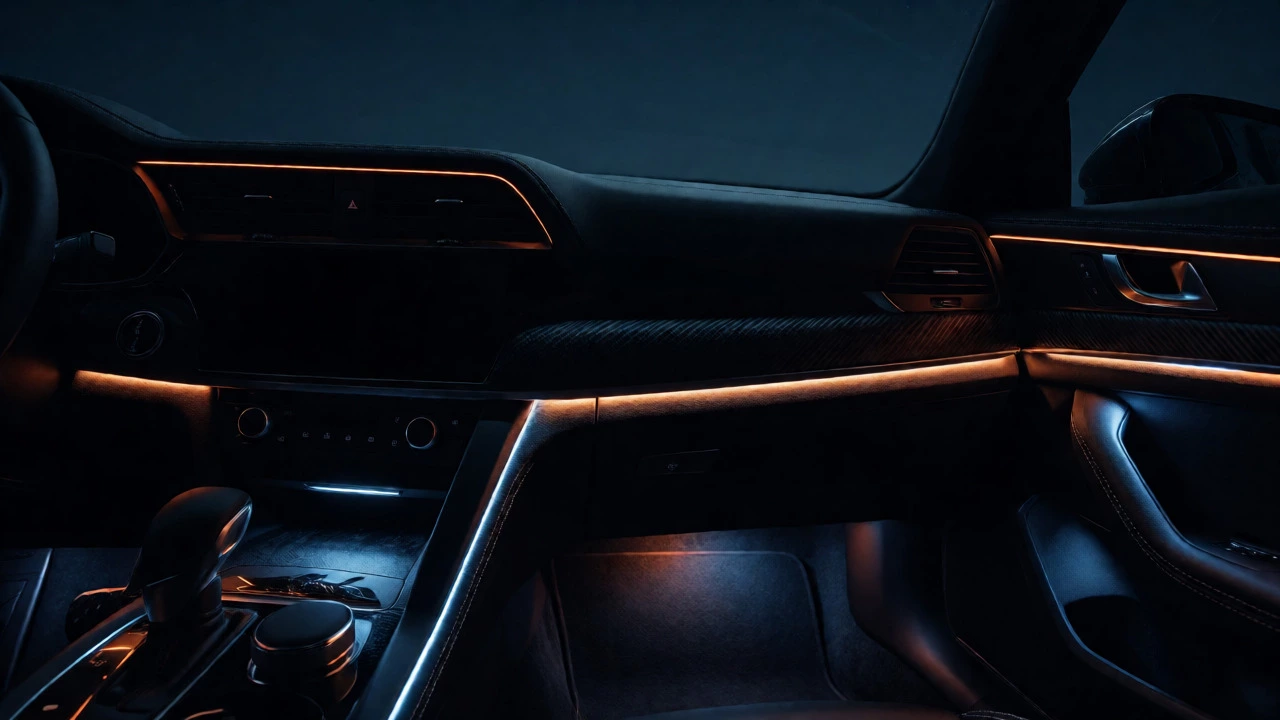
Night driving offers a blank canvas. Standard dome lights are harsh and functional. Adding Ambient LED Lighting transforms the mood. You can install strips under the dash, in door pockets, and along footwells.
Modern RGB LED kits allow you to change colours via a smartphone app. Some integrate with music, pulsing to the beat. While fun, avoid overly bright or flashing settings if you drive at night regularly; glare on the windscreen can be distracting. Stick to soft whites, blues, or warm ambers for a sophisticated look.
Another easy win is upgrading the map lights and vanity mirrors to white LEDs. Yellow incandescent bulbs scream 'old car.' White LEDs cost pennies and make the cabin feel modern and crisp.
Flooring and Cargo Area
Carpets trap dirt, mud, and spills. In wet climates, this leads to mould smells. Consider replacing carpeted floors with All-Weather Rubber Mats. They contain messes and are easy to hose out.
For SUVs and wagons, a custom-fitted boot liner is essential. Generic mats slide around. Tailored liners protect the cargo area from dog claws, grocery bags, and sports gear. Look for ones with raised edges to contain liquids.
If you want a truly rugged interior, some owners opt for marine-grade vinyl flooring throughout the cabin. This is common in work vehicles but gaining traction in off-road builds. It’s waterproof, durable, and wipes clean in seconds.
Cost vs. Value: What’s Worth It?
Not all customisations increase resale value. In fact, highly personalised interiors can limit your buyer pool. A bright red stitched steering wheel might thrill you but scare off a conservative buyer.
| Modification | DIY Cost (AUD) | Professional Cost (AUD) | Resale Impact |
|---|---|---|---|
| Seat Re-upholstery (Cloth to Leather) | $200 - $400 (materials) | $800 - $1,500 | Positive (if neutral colour) |
| Custom Floor Mats | $50 - $150 | N/A | Neutral |
| Dashboard Vinyl Wrap | $30 - $60 (kit) | $150 - $300 | Neutral/Negative (if poor quality) |
| Ambient LED Lighting Kit | $40 - $100 | $150 - $250 | Positive (modern appeal) |
| Steering Wheel Replacement | $100 - $300 | $200 - $400 | Neutral |
Notice the pattern? Neutral, high-quality upgrades tend to help resale. Wild, personal choices often don’t. If you plan to sell in two years, stick to black, grey, or tan themes. If you keep the car for ten years, go wild.
Pitfalls to Avoid
I’ve seen plenty of botched jobs. Here are the big ones:
- Blocking Airbags: Never cover the passenger dashboard with thick rubber mats or heavy decorations. In a crash, the airbag needs clear space to deploy. Covering sensors or vents also causes HVAC issues.
- Loose Objects: Fancy crystal gear knobs or dangling rearview mirror charms become projectiles in accidents. Keep loose items secured.
- Electrical Overload: Plugging too many devices into the 12V socket can blow fuses. If you add lots of LEDs, ensure they are wired correctly to a switched power source so they turn off with the engine.
- Smell Traps: Cheap synthetic materials off-gas volatile organic compounds (VOCs). That 'new car smell' is often chemicals. Opt for low-VOC adhesives and materials if you have allergies.
Legal and Safety Checks
In Australia, modifications must meet safety standards. Generally, interior changes are less scrutinised than exterior mods. However, if you alter the structural integrity of seats (e.g., cutting rails), you may need certification. Also, ensure any added electronics don’t interfere with radio frequencies or GPS signals. Tinting windows is regulated, but interior tints on glass panels are usually fine as long as visibility remains safe.
Final Thoughts
Yes, you absolutely can customise your car interior. It doesn’t have to be a multi-thousand-dollar overhaul. Start with the surfaces you touch most: the steering wheel, the seats, and the floor. Clean, comfortable, and visually appealing interiors make every commute better. Do it right, keep it tasteful, and enjoy the upgrade.
Is it cheaper to buy seat covers or re-upholster seats?
Buying high-quality custom-fit seat covers is generally cheaper upfront ($100-$300) compared to professional re-upholstery ($800+). However, re-upholstery lasts longer and looks more integrated. If you lease the car, covers are better for protecting the original condition. If you own it long-term, re-upholstery adds more value and comfort.
Will customising my interior void my warranty?
Not automatically. Under Australian Consumer Law, manufacturers cannot void your entire warranty just because you modified the interior. They can only deny claims if the modification directly caused the failure. For example, if you wire LEDs incorrectly and blow a fuse related to the infotainment system, that specific claim might be disputed. Keep receipts and installation records to prove professional work.
How much does it cost to tint interior windows?
While 'interior window tinting' usually refers to privacy film on side/rear windows, costs vary by state and shop. Expect to pay $80-$150 for rear windows alone. Full car tinting ranges from $300 to $600. Note that front side windows usually have strict legal limits on darkness (often 35% VLT or lighter) in most Australian states.
Can I install ambient lighting myself?
Yes, if you are comfortable using a multimeter and splicing wires. Most kits come with adhesive strips and simple controllers. The hardest part is hiding the wires behind trim panels without breaking clips. If you’re unsure about tapping into a fused circuit, consult a auto-electrician to avoid fire risks or battery drain.
Does a dirty interior affect resale value?
Significantly. Buyers perceive a stained, smelly, or worn interior as a sign of overall neglect. A deep-clean detail costing $150-$200 can increase perceived value by thousands. If the wear is severe, minor repairs like patching tears or replacing broken trim clips before sale yield a high return on investment.