Alloy Wheel Repair vs Replacement Cost Calculator
Assess Your Wheel Damage
Select the severity of your corrosion damage to get accurate cost estimates.
Results
Select your damage severity and wheel size to see estimates.
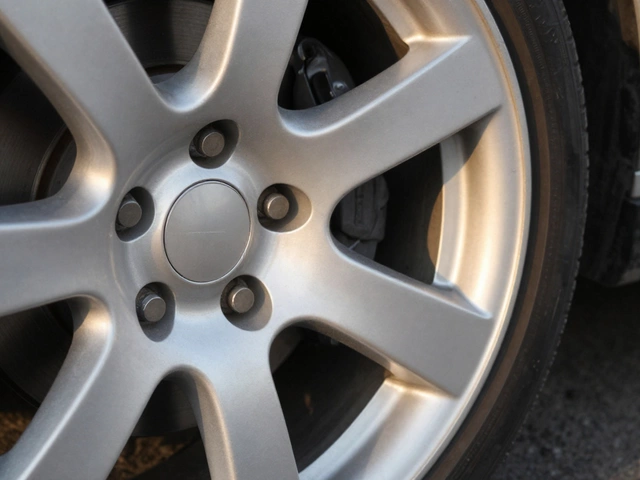
Alloy wheels look sharp. They’re lighter, handle better, and give your car that premium feel. But if they’ve started to look dull, flaky, or even pitted around the edges, you’re not alone. Corrosion on alloy wheels is one of the most common issues car owners face-especially in coastal areas like Brisbane, where salt air and humidity eat away at the finish. The big question? Can you repair corroded alloy wheels? The answer isn’t yes or no. It’s sometimes. And how you fix it depends on how bad it is.
What Causes Alloy Wheel Corrosion?
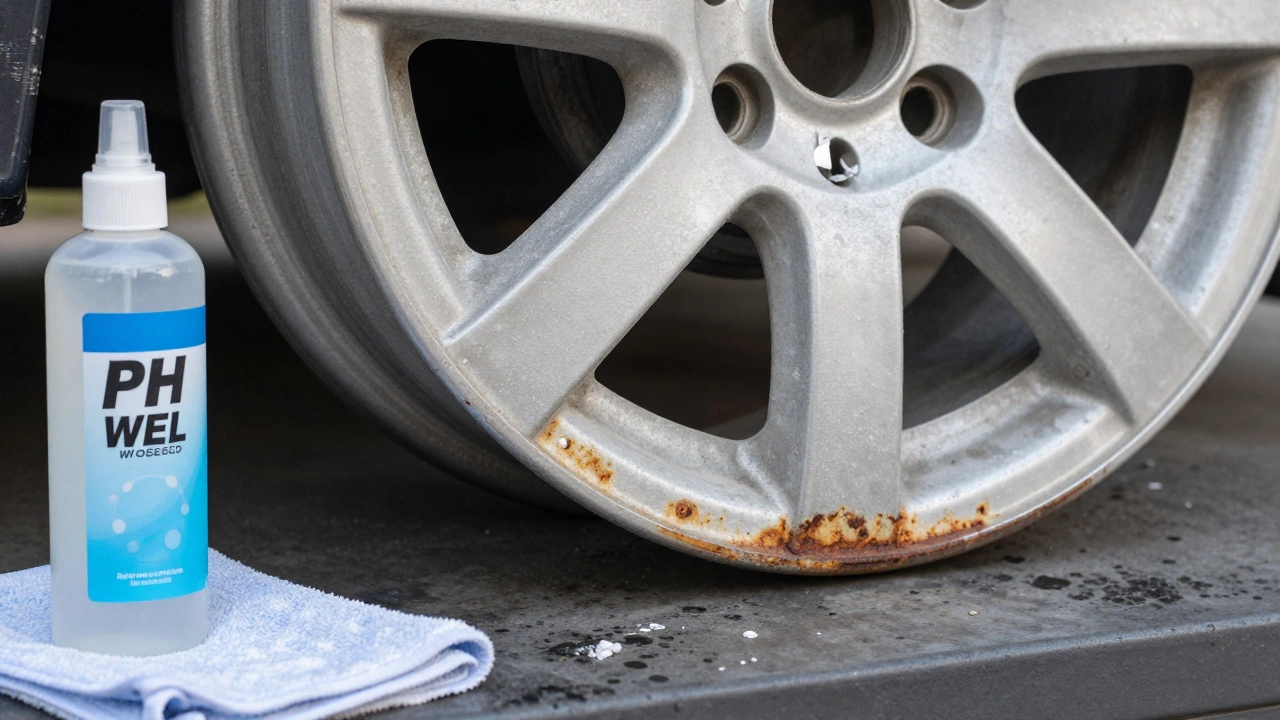
Alloy wheels aren’t pure metal. They’re usually made of aluminum mixed with magnesium and other elements to make them strong and light. But aluminum reacts with moisture and salt. When brake dust, road grime, and water sit on the wheel surface for weeks, they trigger an electrochemical reaction. That’s corrosion. You’ll see it as white powdery residue, brownish rust spots, or deep pits where the clear coat has failed.
Most factory wheels come with a clear protective layer. But over time, that layer cracks. Tiny chips from curb刮擦 (curb scrapes) or stone impacts let moisture in. Once that happens, corrosion spreads fast-sometimes under the surface, where you can’t even see it until it’s too late.
Minor Corrosion: Can You Fix It Yourself?
If your wheels have light surface corrosion-just a few white streaks or dull patches-you can often restore them at home. But you need the right tools and patience.
- Start by washing the wheels with a pH-neutral wheel cleaner. Avoid harsh acid-based cleaners-they’ll eat away at the metal.
- Use a soft-bristle brush to scrub gently. Don’t use steel wool or wire brushes. They scratch deeper.
- After rinsing, dry the wheels completely. Moisture left behind means more corrosion.
- For stubborn spots, use a fine-grade (1200-2000 grit) automotive sandpaper wet-sanded with water. Sand in small circles, not back and forth.
- Once smooth, polish with an aluminum-specific compound. Products like Mothers California Gold Aluminum Polish work well.
- Finish with a quality wheel sealant. This isn’t wax. Look for sealants made for alloys-they bond better and last longer.
This method works for surface-level stuff. But if you’re still seeing pits or color loss after polishing, you’re past DIY territory.
Deep Corrosion: When DIY Isn’t Enough
Deep corrosion looks like tiny craters, flaking metal, or dark spots that won’t polish out. Sometimes, the damage goes all the way to the base metal. At this stage, sanding won’t help. You’re not just fixing the surface-you’re rebuilding it.
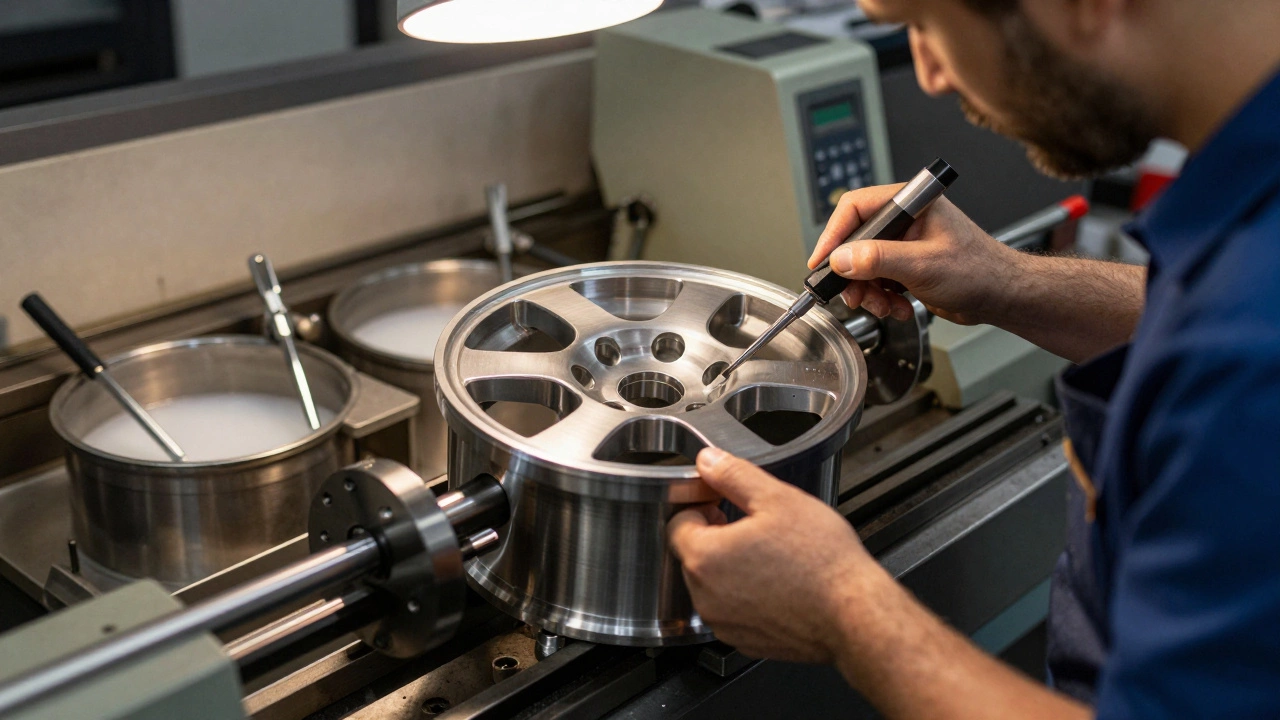
Professional wheel refurbishment is the only real fix here. Shops that specialize in alloy wheels use industrial-grade equipment:
- They strip off all old paint and clear coat with chemical baths or blast media-not sandblasting, which can warp the wheel.
- They repair pitting with a specialized filler designed for aluminum alloys. This isn’t body filler. It’s a heat-cured compound that bonds with the metal.
- They machine the wheel surface smooth on a lathe. This ensures perfect balance.
- Then they apply multiple layers of primer, color, and clear coat, often with UV-resistant topcoats.
Most reputable shops can restore wheels to look nearly new. The cost? Between $80 and $180 per wheel, depending on damage and finish. Compare that to a new wheel, which can run $300-$800. Even with labor, repair is almost always cheaper.
What’s Not Worth Repairing
Not all corroded wheels can be saved. If you see any of these signs, replacement is the only safe option:
- Cracks around the bolt holes or spokes
- Warping or bending from impact
- Corrosion that’s eaten through the inner barrel (you can see light through it)
- Multiple deep pits that cover more than 20% of the surface
These aren’t just cosmetic. They’re structural. A cracked or weakened wheel can fail at speed. That’s not a risk worth taking. If you’re unsure, take it to a shop that does wheel inspections. Most offer free assessments.
How Long Does a Repair Last?
A properly refinished wheel can last 5-7 years if you maintain it. That means:
- Washing wheels every 2-3 weeks
- Using a dedicated wheel cleaner, not dish soap
- Applying a sealant every 3-4 months
- Avoiding automatic car washes with harsh brushes
Many people skip maintenance after repair and wonder why the corrosion comes back. It’s not the repair’s fault. It’s neglect. Think of it like painting a house-you don’t do it once and forget it.
Prevention Is Better Than Repair
Here’s how to stop corrosion before it starts:
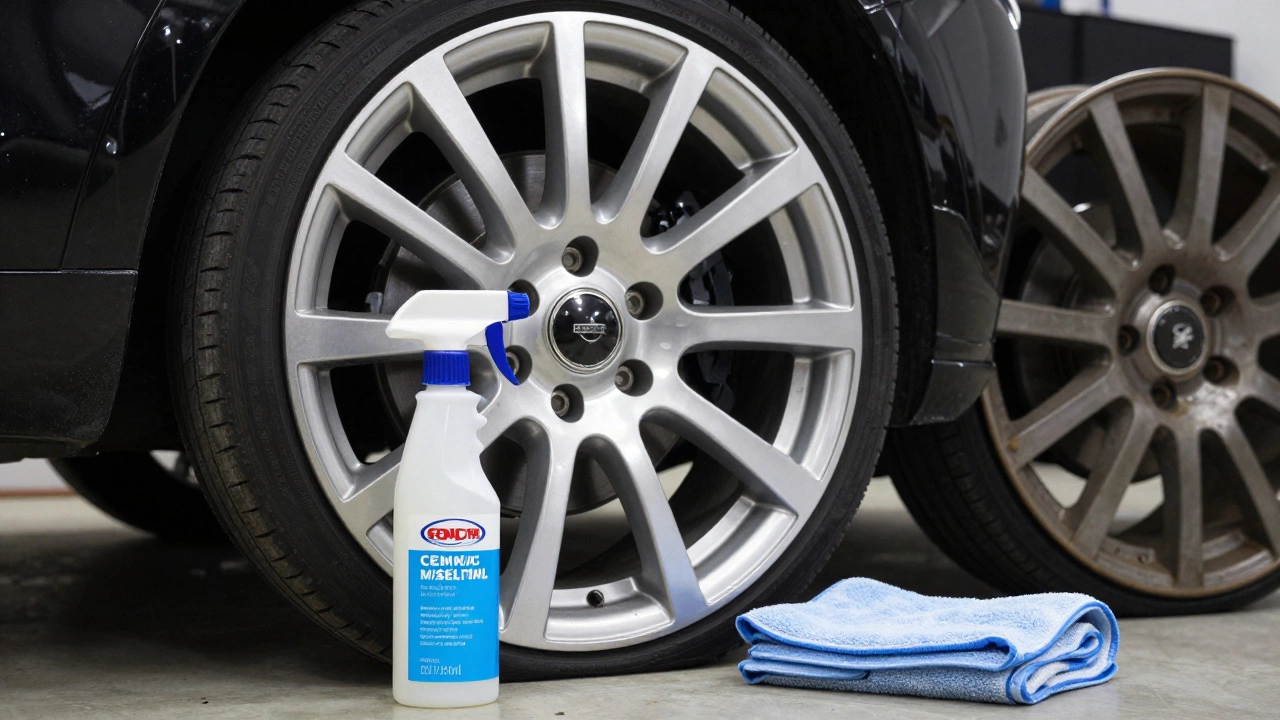
- Wash wheels after driving on salty roads or near the coast
- Use wheel covers or ceramic coatings for extra protection
- Check for brake dust buildup monthly. It’s acidic and eats through clear coats
- Store your car in a garage if possible. UV and moisture are the two biggest enemies
Some drivers swear by wheel sealants with ceramic technology. Brands like Gtechniq and Sonax offer formulas that bond for over a year. They’re pricier upfront but cut down on cleaning time and long-term damage.
Real-World Example: A Brisbane Case Study
Last year, a friend brought in his 2018 BMW with badly corroded 19-inch alloys. The front two wheels looked like they’d been dragged through saltwater for years. He was told he needed $2,400 in new wheels. Instead, he took them to a local refurbishment shop in Logan City. They assessed the damage, repaired the pitting, repainted, and resealed them. Total cost: $420. Two years later, they still look great-he washes them every two weeks and sprays on sealant every season.
That’s the difference between panic and smart action.
Final Verdict: Yes, But Only If...
Can you repair corroded alloy wheels? Yes-but only if the damage is surface-level or moderate. If it’s deep, widespread, or structural, replacement is safer. And if you’re going to repair them, don’t cut corners. Use a professional shop. Don’t try to skip the primer or skip the sealant. The difference between a good repair and a bad one is years of life.
Don’t let corrosion steal your car’s look-or its safety. Fix it right, or replace it. Either way, don’t ignore it.
Can I use WD-40 to clean corroded alloy wheels?
No. WD-40 is a lubricant and water displacer, not a cleaner. It might temporarily mask corrosion by coating it, but it doesn’t remove it. Worse, it leaves a greasy film that attracts more dirt and brake dust, making the problem worse over time. Use a proper wheel cleaner instead.
Is it safe to drive with corroded alloy wheels?
It depends. Light surface corrosion is mostly cosmetic and safe. But if the corrosion has caused pitting, cracks, or weakening around the rim or lug holes, driving becomes risky. A damaged wheel can fail under stress, especially at highway speeds. If you’re unsure, get it inspected. Safety always comes before looks.
Can I paint my alloy wheels myself to fix corrosion?
You can, but it’s not recommended. Spray paint won’t bond properly to aluminum without proper surface prep-sandblasting, chemical stripping, and priming. Most DIY attempts peel, chip, or fade within months. Professional shops use oven-cured powder coating or multi-layer automotive paint systems that last. DIY paint jobs are temporary fixes that often cost more to fix later.
How do I know if my wheels are worth repairing?
Check for deep pits, cracks, or warping. If the wheel is bent, has holes, or the corrosion has eaten through the metal, replacement is the only option. If it’s just discolored or lightly pitted, repair is fine. A reputable shop will give you a free assessment. If they say it’s repairable, trust them. If they say replace it, listen.
How long does professional wheel repair take?
Most shops take 3-5 days for a full refurbishment. This includes stripping, repairing, painting, and curing. Some offer express service for 24-48 hours, but it costs more. Don’t rush it. Proper curing ensures the paint lasts. A quick job now means another repair sooner.