Lowering Spring Condition Checker
Check Your Lowering Springs
Answer these questions about your car's handling and ride quality to determine if your lowering springs need replacement.
1. Does your car sit noticeably lower than when it was new, especially at the corners?
2. After hitting a bump, does your car bounce more than 2 times before settling?
3. Do you hear clunking or knocking noises when driving over bumps?
4. Does your car lean excessively or feel unstable during turns?
5. Do you notice uneven tire wear (cupping, feathering, or excessive inner/outer wear)?
If your car suddenly feels bouncier, nosedives when you brake, or makes clunking noises over bumps, your lowering springs might be done. These aren’t just cosmetic parts-they’re critical to your car’s handling, safety, and ride comfort. Unlike stock springs, lowering springs are stiffer and under more stress, so they wear out faster. And if you’re driving on rough roads like Brisbane’s pothole-riddled streets, they’re even more likely to fail.
Signs Your Lowering Springs Are Bad
Lowering springs don’t usually snap in half. They degrade slowly. You won’t see it until your car starts acting weird. Here’s what to watch for:
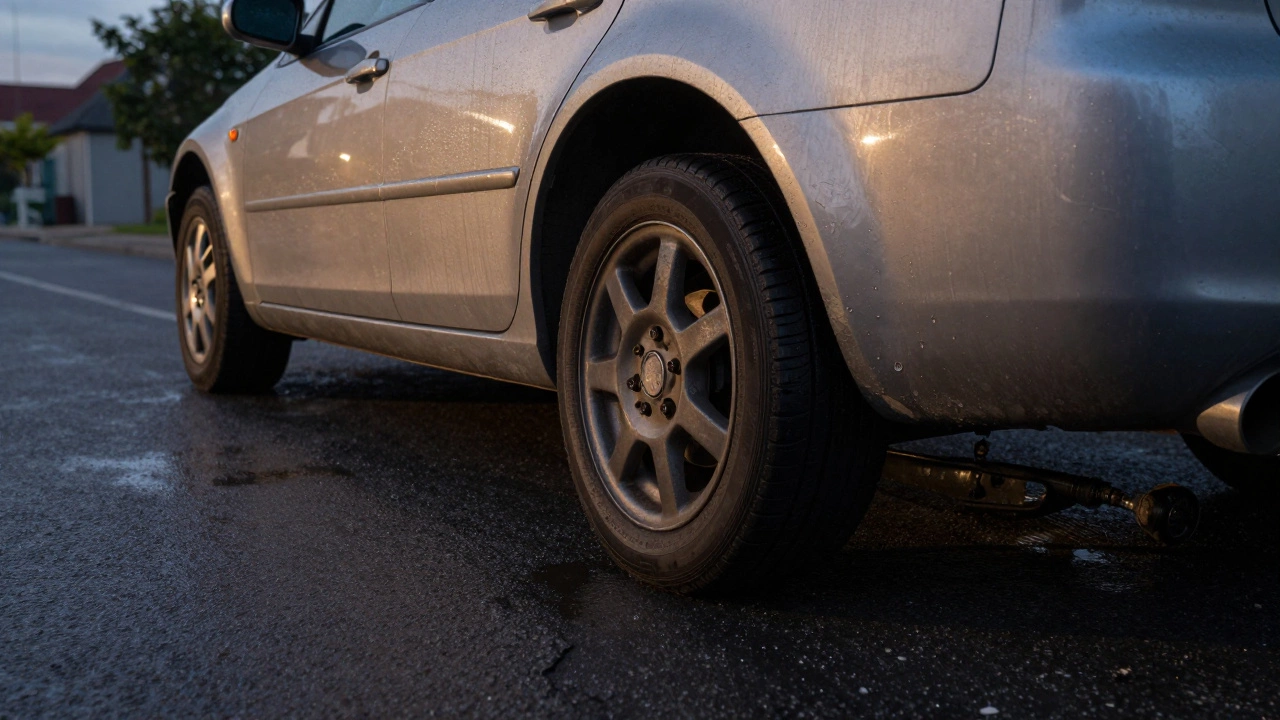
- Lower ride height - If your car sits noticeably lower than it used to, especially at the corners, the springs have lost tension. A 10-15mm drop over a year isn’t normal-it’s failure.
- Excessive bouncing - After hitting a speed bump, your car should settle in one or two bounces. If it keeps bobbing like a boat, the springs can’t hold the weight anymore.
- Clunking or knocking noises - When you go over bumps, a loud clunk from the wheel well often means the spring has shifted or the coil has broken and is rattling against the shock.
- Poor cornering - If your car leans more than usual in turns, or feels loose and unstable, the springs aren’t providing enough support. This isn’t just uncomfortable-it’s dangerous.
- Uneven tire wear - Bad springs change your camber and toe angles. If you notice cupping or feathering on the inside or outside edges of your tires, it’s often linked to failing suspension springs.
One real-world example: A friend in Redcliffe swapped his stock springs for 40mm lowering springs in 2022. By late 2024, his car was bottoming out on driveways, and the front tires were wearing out in just 12,000 km. He replaced the springs and the tire wear stopped immediately.
Why Lowering Springs Fail Faster Than Stock
Stock springs are designed for comfort and longevity. Lowering springs? They’re built for performance. That means they’re made from thicker wire, wound tighter, and held under constant high tension. This gives you a sportier look and better handling-but it also means they’re more prone to metal fatigue.
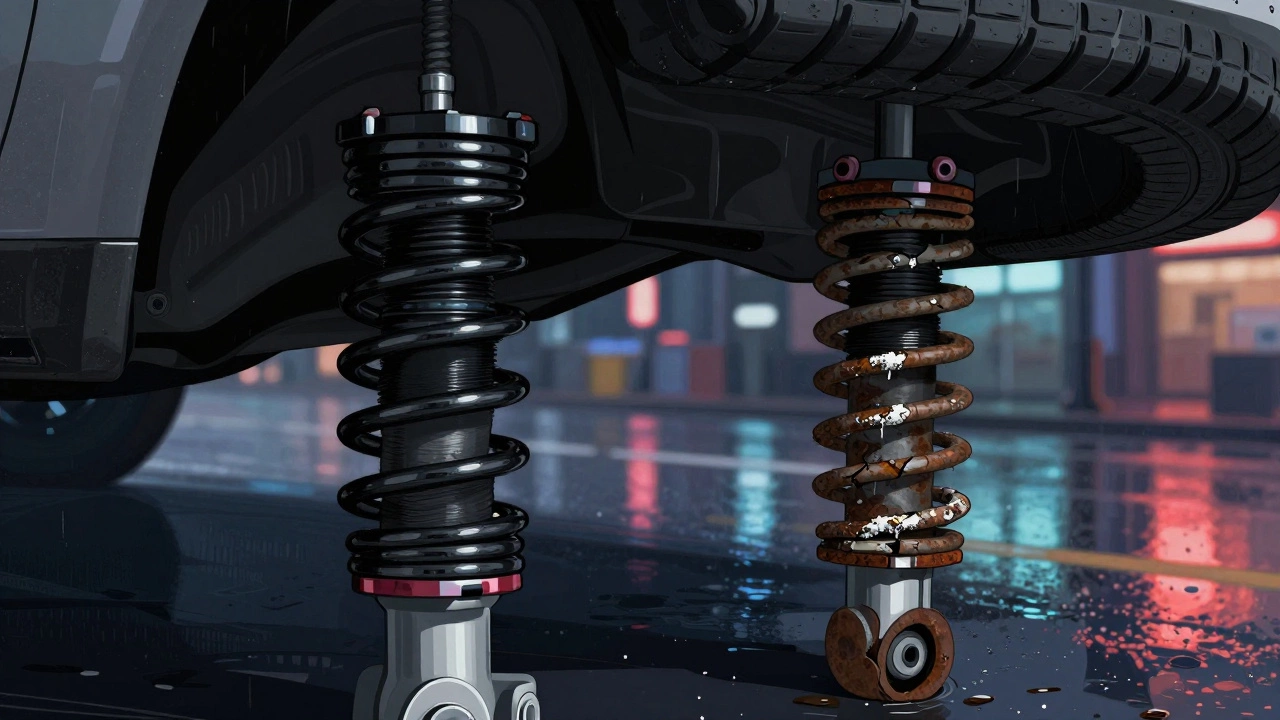
Heat from the brakes, road salt, moisture, and constant stress from rough surfaces all accelerate wear. In coastal areas like Brisbane, salt air eats away at the protective coatings on springs faster than you’d think. Even if they don’t look rusty, the internal metal can weaken.
Most quality lowering springs last 3-5 years or 50,000-80,000 km. But if you drive aggressively, haul heavy loads, or hit potholes often, that number drops to 2 years or less.
How to Check Your Springs Yourself
You don’t need a lift or special tools. Here’s how to do a quick visual and physical check:
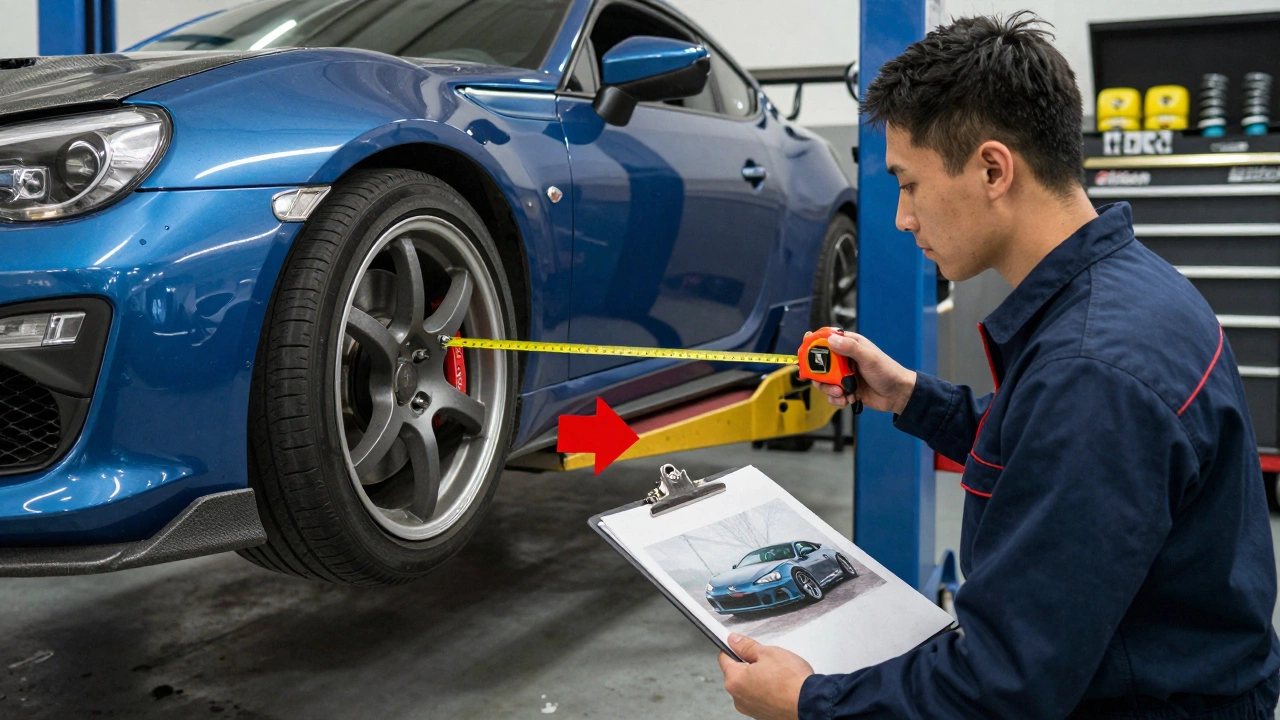
- Measure ride height - Park on flat ground. Use a tape measure from the center of the wheel to the bottom of the fender. Compare it to the factory specs or your original measurement after installation. A drop of more than 10mm from when you first installed them means they’ve lost tension.
- Look for cracks or gaps - Get under the car (safely, with jack stands). Inspect each spring for visible cracks, broken coils, or sections where the coils aren’t touching. A gap between coils that wasn’t there before? That’s a sign of fatigue.
- Push down on each corner - Press down firmly on the front and rear bumpers. If the car bounces more than twice or takes longer to settle, the springs are worn.
- Check for oil leaks - If your shocks are leaking, they’re not working right. Bad shocks put extra stress on the springs, making them wear out faster. Always check both together.
Pro tip: Take a photo of your car’s ride height right after installing new springs. Use it as a baseline. Compare it every 6 months.
What Happens If You Ignore Bad Springs?
Driving on worn lowering springs isn’t just a nuisance-it’s risky. Here’s what can go wrong:
- Shock absorber damage - Worn springs let the shock absorber extend too far, damaging the internal components. Replacing shocks is expensive. Fix the springs first.
- Alignment issues - As springs sag, your camber angles change. This throws off your alignment, leading to uneven tire wear and poor steering response.
- Loss of control - In emergency maneuvers, like swerving to avoid a pedestrian or animal, your car won’t respond predictably. The suspension can’t rebound fast enough.
- Complete spring failure - A broken spring can snap while driving. If it happens at speed, it can damage your wheel, brake line, or even pierce your tire.
There’s a reason mechanics won’t sign off on safety inspections if lowering springs are visibly degraded. Insurance companies have denied claims after accidents where worn suspension was a contributing factor.
When to Replace Them
Don’t wait for a loud bang. Replace your lowering springs if:
- You’ve driven more than 50,000 km since installation
- It’s been over 3 years since you installed them
- You notice any of the symptoms listed above
- You’ve hit a major pothole or curb and heard a noise
Quality brands like Eibach, H&R, and TEIN offer springs with lifetime warranties against sagging. If yours are from a no-name brand, replace them sooner. Cheap springs are a false economy-they cost more in tire wear, shock damage, and safety risk.
What to Look for in New Lowering Springs
Not all lowering springs are made equal. Here’s what matters:
- Material - Look for chrome-silicon or silicon-chrome steel. These resist fatigue better than standard spring steel.
- Coil design - Progressive rate springs (gradually stiffer as they compress) handle bumps better than linear-rate springs.
- Coating - Powder-coated or zinc-plated springs last longer in humid or salty environments.
- Drop height - Don’t go lower than 40mm unless you’re on a track. Lower isn’t always better-it hurts ride quality and increases wear.
- Warranty - If the company doesn’t guarantee against sagging, walk away.
Brands like Eibach Pro-Kit or H&R Sport Springs are trusted by Australian tuners for a reason. They’re tested on real roads, not just dynos.
Replacing Lowering Springs: What You Need to Know
Replacing springs isn’t a beginner job. You need spring compressors, jack stands, and the right tools. If you’re not experienced, get a professional to do it.
But if you’re doing it yourself:
- Always replace springs in pairs (front or rear). Mixing old and new springs causes imbalance.
- Check your shocks while you’re in there. If they’re leaking or worn, replace them too. Springs and shocks work as a system.
- Get a wheel alignment after installation. Even if the car looks level, the angles will be off.
- Test drive slowly at first. Listen for noises and feel for stability.
Most shops charge $300-$500 for labor and parts. It’s cheaper than replacing tires every 10,000 km or fixing a damaged control arm.
| Symptom | Normal Performance | Bad Lowering Springs |
|---|---|---|
| Ride Height | Consistent since installation | Lower than original, especially at corners |
| Bounce After Bump | Setstles in 1-2 bounces | Continues bouncing 3+ times |
| Noise Over Bumps | Quiet, smooth | Clunking, rattling, or metallic tapping |
| Tire Wear Pattern | Even across tread | Cupping, feathering, or excessive inner/outer wear |
| Cornering Stability | Firm, controlled lean | Excessive body roll, feels loose |
Frequently Asked Questions
Can lowering springs wear out even if I don’t drive much?
Yes. Springs degrade over time due to metal fatigue, not just mileage. Even if you drive only 5,000 km a year, the constant tension and exposure to moisture and temperature changes can weaken the coils. A 5-year-old spring is often done, regardless of how little you’ve driven.
Is it safe to drive with one bad lowering spring?
No. Driving with one worn or broken spring throws off your car’s balance. It puts extra stress on the opposite side’s suspension, damages shocks faster, and makes steering unpredictable. It’s a safety hazard. Replace both springs on the same axle immediately.
Do I need to replace the shocks when I replace the springs?
Not always, but you should check them. If your shocks are leaking, making noise, or have more than 50,000 km on them, replace them too. Springs and shocks work as a team. A new spring on a worn shock won’t improve ride quality-it’ll just make the car feel harsher.
Can I reuse my old spring perches or mounts?
Usually yes-if they’re in good condition. But inspect them for cracks, rust, or bent metal. If the rubber bushings are cracked or crumbling, replace them. Old, hardened bushings transfer noise and vibration into the chassis, making your ride rougher.
Why do some lowering springs make noise after installation?
New springs sometimes rattle because they haven’t settled yet. Give them 500-1,000 km. If the noise continues, check for missing or damaged spring isolators, loose top mounts, or incorrect installation. Never ignore a new noise-it’s usually a sign of something wrong.
Next Steps
If you suspect your lowering springs are bad, don’t wait. Start with a visual check and ride height measurement. Take photos and compare them to your original setup. If there’s a noticeable drop or any clunking, book a suspension inspection. Replacing springs before they fail saves you money, tires, and possibly an accident.
And if you’re thinking about upgrading again-choose quality. Don’t go for the cheapest option. Your safety, your tires, and your peace of mind are worth more than a few hundred dollars saved upfront.