Alloy Wheel Restoration Decision Tool
Answer a few questions to determine the best approach for your alloy wheels
This tool helps you decide if painting is the right solution based on your specific situation.
Alloy wheels look sharp out of the box-polished, machined, or coated with a factory finish. But after a few years of potholes, road salt, and curb kisses, they start to look worn. That’s when people ask: Do alloy wheels need to be painted? The short answer? No, they don’t need to be painted. But sometimes, painting them is the smartest fix.
Why People Think Alloy Wheels Need Painting
Most folks see faded, scratched, or corroded alloy wheels and assume painting is the only way to bring them back. It’s understandable. A chipped wheel with exposed metal looks like rust waiting to happen. And painted wheels are everywhere-custom shops, car shows, even some factory options.
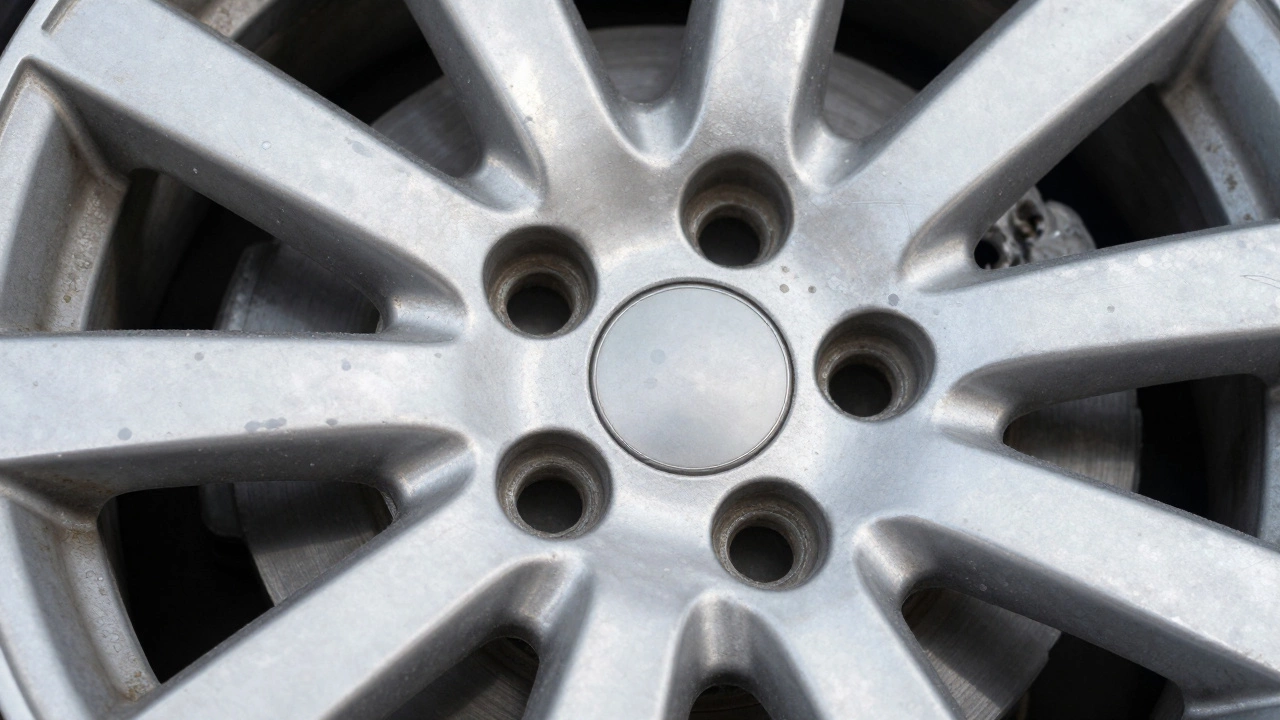
But here’s the thing: factory alloy wheels aren’t painted. They’re usually coated with a clear lacquer over a polished or machined surface. That clear coat protects the aluminum from oxidation and UV damage. When it chips or wears off, the metal underneath starts to look dull or discolored. That’s not rust like steel-it’s aluminum oxide, which is harmless but ugly.
Painting over that isn’t a repair. It’s a cover-up. And if you don’t prep right, it’ll peel, chip, or bubble within months.
When Painting Alloy Wheels Makes Sense
Painting isn’t the default fix-but it’s the right move in three specific cases:
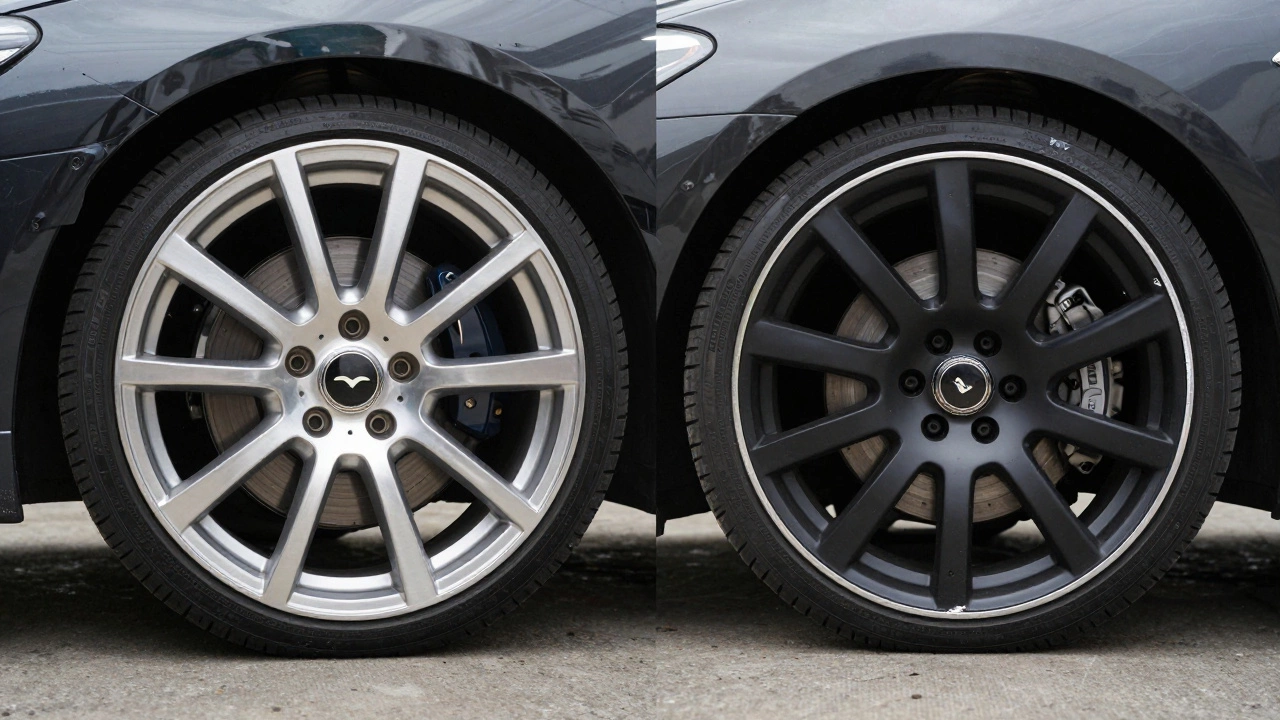
- You want a completely new color-like black, gunmetal, or red-to match your car’s custom look. Factory finishes are limited. Painting gives you total control.
- The wheel’s original finish is beyond repair. Deep scratches, heavy corrosion, or flaking clear coat mean polishing won’t cut it.
- You’re restoring a classic car and want an OEM-style finish that’s no longer available.
For example, a 2018 Honda Civic with factory silver alloys that got chewed up by winter roads? If the damage is mostly surface-level, a professional polish and reseal will restore it for under $150. But if the wheel’s bent or has deep gouges that won’t sand out? Painting it black might be the most cost-effective way to get a clean, uniform look.
What Happens If You Paint Them Wrong
DIY wheel painting is a common mistake. People buy spray paint from the hardware store, sand the wheel lightly, and call it a day. Then, within six months, the paint peels off in chunks-especially around the lips where tires sit and curbs hit.
Why? Because alloy wheels expand and contract with heat from braking. They flex under load. And they’re constantly exposed to brake dust, road grime, and moisture. Regular paint can’t handle that. It cracks. It lifts. It looks worse than before.
Professional wheel painters use special two-part urethane paints designed for high-heat environments. They strip the wheel down to bare metal, sandblast it, apply a zinc-rich primer, then layer on multiple coats of urethane with a clear topcoat. The whole process takes 2-3 days. And it costs $200-$400 per wheel.
That’s not cheap. But it lasts. Properly painted wheels can last 5-7 years if you avoid harsh cleaners and keep them waxed.

The Better Alternatives to Painting
Before you reach for the spray can, consider these options:
- Professional polishing and clear coating-This removes light scratches, restores shine, and applies a new clear coat. It’s the go-to fix for most faded wheels. Cost: $100-$200 per wheel.
- Wheel restoration kits-For minor scratches and discoloration, kits like Chemical Guys’ VSS or Meguiar’s Ultimate Wheel Cleaner can revive the finish. Not for deep damage, but great for maintenance.
- Wheel wraps-Vinyl wraps designed for wheels (like 3M’s Automotive Wheel Wrap) stick over the existing finish. They’re removable, heat-resistant, and come in matte black, chrome, or carbon fiber. Lasts 2-3 years. Cost: $50-$150 per wheel.
- Plastic dip-Products like Plasti Dip can be sprayed on for a temporary, peelable finish. Great for trying out a color before committing. Not durable long-term, but perfect for seasonal swaps.
In Brisbane’s humid, salty climate, clear coat degradation happens faster than in dry inland areas. A lot of locals I’ve talked to opt for polishing + resealing every 12-18 months. It’s cheaper, less invasive, and keeps the original look.
When You Should Never Paint Alloy Wheels
Painting is a bad idea if:
- Your wheels are still under warranty. Most manufacturers void coverage if you modify the finish.
- You plan to sell the car soon. Buyers often prefer original factory finishes. Painted wheels can reduce resale value.
- The damage is structural. If the wheel is bent or cracked, painting won’t fix it-and it’s unsafe to drive.
- You’re on a tight budget. A bad paint job costs more to fix than a good polish.
I’ve seen people spend $800 painting four wheels, only to have the paint peel after 8 months. Then they had to pay another $600 to have them stripped and properly restored. That’s $1,400 for a temporary fix.
How to Tell If Your Wheels Need Repair-or Just Cleaning
Start with a simple test: wash the wheel with a dedicated alloy cleaner (not regular car soap). Dry it. Then look closely under bright light.
- If it’s just dull or hazy? That’s oxidation. A good polish will fix it.
- If you see white powder or flaking? That’s corrosion. It needs sanding and resealing.
- If you see deep gouges, cracks, or metal peeling? That’s structural. Don’t paint it-get it inspected or replaced.
Most wheels just need regular care. Clean them every 2-3 weeks with a pH-neutral cleaner. Avoid acid-based wheel cleaners-they strip clear coats. Wax them twice a year with a wheel-specific wax. It makes a huge difference.
Final Verdict: Paint Only If You Have a Clear Reason
Alloy wheels don’t need to be painted. In fact, most don’t benefit from it. The factory finish is engineered to last. Your best bet is prevention and maintenance.
Painting should be a last resort-or a deliberate style choice. If you want a custom look, go for it. But do it right: find a shop that specializes in wheels, not general auto body work. Ask to see their before-and-after photos. Check reviews. Don’t rush it.
For 90% of drivers, polishing and sealing is the smarter, cheaper, longer-lasting solution. Save the paint for when you’re building something truly unique.
What to Do Next
Here’s your quick action plan:
- Wash your wheels with an alloy-safe cleaner.
- Dry them and inspect for damage under good lighting.
- If they’re just dull-get them polished and sealed ($100-$200).
- If they’re scratched or corroded-ask a specialist if they can restore them or if painting is the only option.
- If you’re set on painting-choose a shop that uses urethane paint and has a 2-year warranty on their work.
Alloy wheels are meant to last. Don’t cover them up-restore them.
Can you paint alloy wheels yourself?
You can, but it’s not recommended. Most DIY attempts fail because people skip proper prep-like stripping the old finish, sandblasting, and using heat-resistant urethane paint. Without those steps, the paint will chip, peel, or bubble within months. Professional wheel painters have the tools and environment to do it right. If you’re serious about painting, find a specialist shop.
Does painting alloy wheels affect wheel balance?
If done properly, painting won’t affect balance. A reputable shop will remove the tires, clean the wheels completely, and apply paint evenly. The added weight from paint is minimal-less than 100 grams per wheel. But if paint builds up unevenly around the rim or bead area, it can throw off balance. That’s why you should never paint wheels with tires still on.
How long does painted alloy wheel finish last?
A professionally painted wheel with urethane paint and clear coat can last 5-7 years under normal conditions. But exposure to road salt, harsh cleaners, or frequent curb contact can shorten that. Regular washing and waxing help. If the clear coat starts to dull or chip, it’s time for a touch-up or re-coat.
Is it cheaper to paint or replace alloy wheels?
It depends. Painting four wheels costs $800-$1,600 depending on the shop and finish. Replacing them with used factory wheels can cost $300-$800 total. If your wheels are damaged beyond repair, replacement is often cheaper and safer. If they’re just cosmetically worn, painting or restoring them makes more sense.
Will painting my alloy wheels void my car’s warranty?
Yes, if the wheels are still under the manufacturer’s warranty. Most automakers consider any modification to the original finish-painting, powder coating, or even aggressive polishing-as a warranty void. Check your owner’s manual. If you plan to sell the car later, keeping the original finish helps retain value.