Sport Air Filter Risk & Benefit Calculator
Configuration
Analysis Results
Select your configuration and click "Analyze" to see estimated risks and benefits.
There is a persistent myth in the car community that swapping your stock air filter for a sport air filter is a one-way ticket to engine failure. You’ve likely heard stories from friends or seen forum posts claiming that these high-flow filters let too much dust in, causing premature wear on pistons and cylinders. It’s a scary thought, especially if you’re spending money to upgrade your vehicle.
The short answer is no. A properly installed and maintained sport air filter will not damage your engine. In fact, it often improves breathing efficiency compared to a clogged stock filter. However, there are specific conditions under which an aftermarket filter can cause issues. Understanding these nuances is the difference between gaining horsepower and creating a maintenance headache.
How Air Filters Protect Your Engine
To understand why people worry about damage, you first need to know what an air filter actually does. Your engine burns fuel and air to create power. That air needs to be clean. Dust, sand, pollen, and road debris act like sandpaper inside your engine. If they get past the filter, they enter the combustion chamber. Over time, this abrasive material wears down cylinder walls, damages piston rings, and clogs valves.
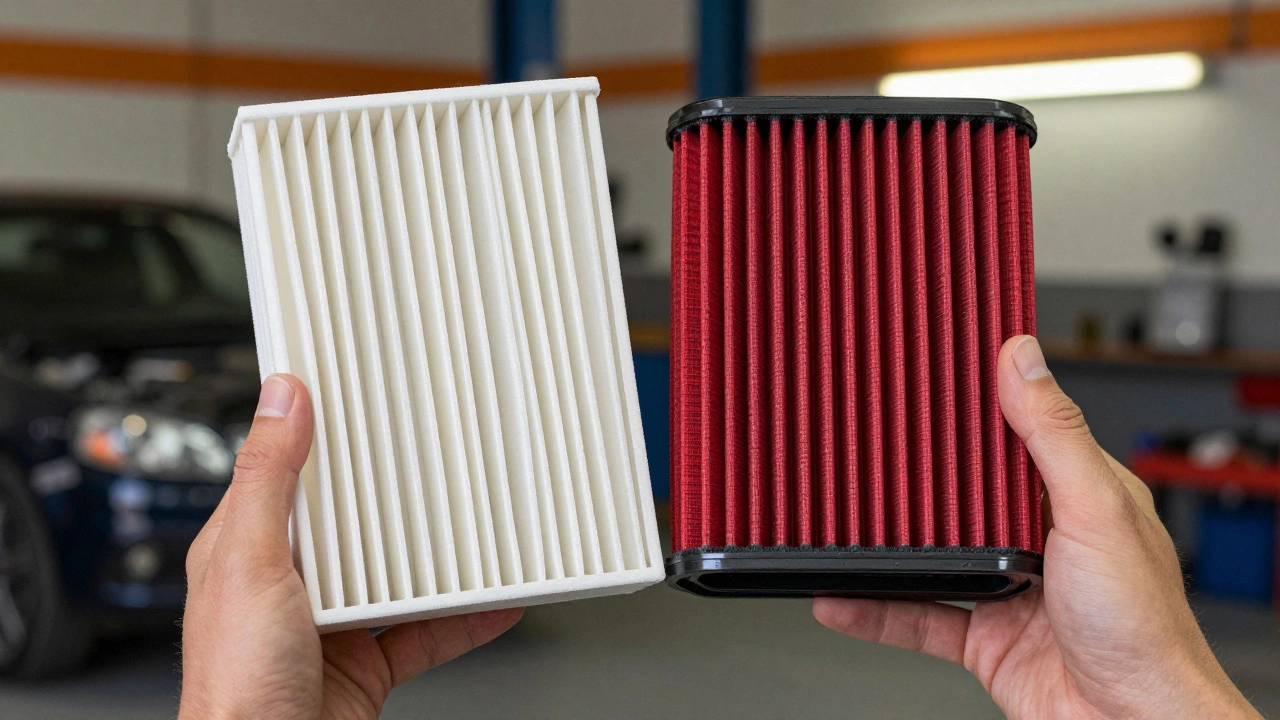
Stock air filters are designed with a primary goal: protection. They use dense paper media that traps almost every particle, even those smaller than 5 microns. This density restricts airflow slightly, but manufacturers prioritize engine longevity over maximum airflow. When you replace this with a performance air filter, you are trading some of that filtration density for increased airflow.
The Difference Between Dry and Oiled Filters
Not all sport air filters are created equal. The type of filter you choose significantly impacts both performance and potential risks. There are two main categories you’ll encounter on the market.
Dry Flow Filters: These look similar to stock filters but use synthetic cotton or gauze media. They do not require oil. Brands like K&N (in their dry flow series) and BMC offer these options. Because they don’t use oil, there is no risk of contaminating sensors. They generally provide a moderate increase in airflow while maintaining decent filtration levels.
Oiled Gauze Filters: These are the classic red or purple filters many enthusiasts recognize. They consist of layered aluminum mesh coated with a special viscous oil. The oil acts as the adhesive that traps particles. While they offer excellent airflow and are washable/reusable, they come with a specific set of maintenance requirements. If you use too much oil during cleaning, excess oil can be sucked into the engine.
| Feature | Stock Paper Filter | Dry Flow Sport Filter | Oiled Gauze Filter |
|---|---|---|---|
| Filtration Efficiency | High (Best Protection) | Moderate to High | Moderate (Depends on Oil Level) |
| Airflow Restriction | Higher | Lower | Lowest |
| Maintenance | Replace Every 15k-30k Miles | Replace Every 40k-60k Miles | Clean and Re-oil Every 10k-15k Miles |
| Sensor Risk | None | None | Risk of MAF Sensor Contamination |
| Cost Over Time | Medium | Low | Low (Reusable) |
The Real Danger: Mass Air Flow Sensor Contamination
If you are worried about physical damage to the engine block, you might be looking at the wrong component. The most common issue caused by oiled sport air filters is not mechanical wear, but electronic interference. Specifically, the Mass Air Flow (MAF) sensor.
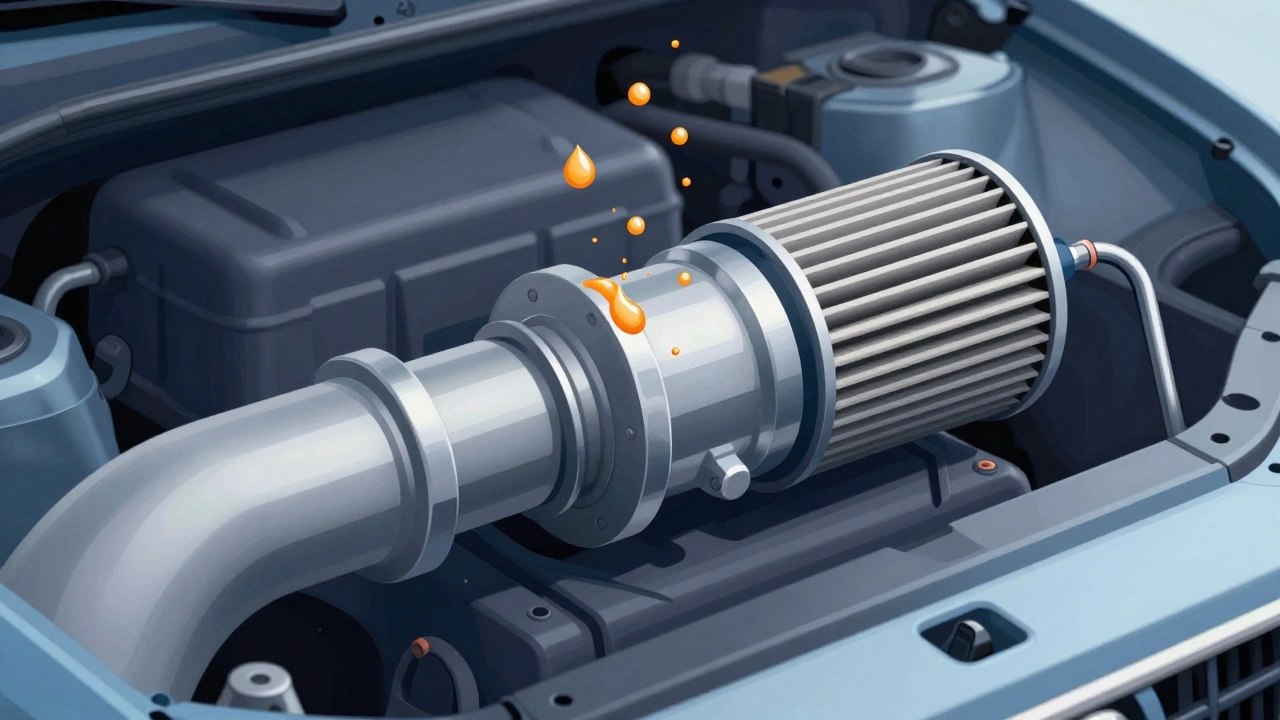
The MAF sensor measures the amount of air entering the engine so the computer can calculate the correct fuel mixture. It uses delicate wires or hot film elements. If excess oil from an improperly cleaned sport filter coats these wires, the sensor sends inaccurate data. Your engine computer thinks less air is coming in than actually is, leading to a rich fuel mixture. This causes poor acceleration, rough idling, and reduced fuel economy.
This isn’t “engine damage” in the sense of broken metal parts, but it is a direct consequence of using a sport filter incorrectly. The fix is usually cleaning the MAF sensor with specialized cleaner, but prevention is better. Always follow the manufacturer’s instructions for re-oiling. You should see the color of the mesh through the oil, not a black, saturated layer.
Filtration Ratings and Particle Size
A common argument against sport filters is that they let in larger particles. To evaluate this, we need to look at micron ratings. Most modern engines are tolerant of particles up to 10-15 microns without significant harm. Stock filters often catch particles as small as 3-5 microns.
High-quality sport filters from reputable brands typically have a filtration rating of around 10-12 microns. This means they block anything larger than that size. For daily driving on paved roads, this is more than sufficient. The risk of ingesting damaging debris is low unless you are driving off-road, on unpaved gravel roads, or in extremely dusty environments like desert regions.
If you live in Brisbane or other urban areas with standard traffic, the difference in particle ingestion between a stock filter and a quality sport filter is negligible. However, if you frequently drive in construction zones or dusty rural areas, sticking with a high-quality OEM paper filter might be the safer choice for long-term engine health.
Installation Errors That Cause Damage
Often, when people claim a sport filter damaged their engine, the root cause is improper installation rather than the filter itself. Here are the most common mistakes:
- Broken Seals: The airbox must seal perfectly. If the clamp is loose or the rubber gasket is cracked, unfiltered air can bypass the filter entirely. This is called "air leak" or "unmetered air." It allows dirty air to enter directly, which can indeed cause rapid engine wear.
- Missing Foam Pre-Filters: Many cold air intake systems include a foam pre-filter sleeve. This extra layer catches large bugs and debris before they hit the main gauze filter. Skipping this step reduces the lifespan of the main filter and increases the load on your engine.
- Incorrect Fitment: Universal fit filters may not seat correctly in your specific airbox. Gaps allow dirt to sneak in. Always buy filters designed specifically for your make, model, and year.

When Do Sport Filters Actually Help?
You might wonder why anyone would swap filters if the risks seem minimal but present. The benefit comes from reduced restriction. As a stock paper filter ages, it becomes clogged with debris. Even a new stock filter has higher resistance than a clean sport filter. Reduced restriction allows the engine to breathe easier, particularly at higher RPMs.
For naturally aspirated engines, the gains might be subtle-perhaps 1-3 horsepower. You might feel a slightly sharper throttle response. For turbocharged engines, the improvement can be more noticeable because the turbocharger forces more air into the engine. A restrictive filter can cause turbo lag; a high-flow filter helps the spool faster.
Additionally, sport filters are reusable. Over ten years, replacing a stock filter every 20,000 miles costs more than buying one oiled filter and cleaning it occasionally. This economic factor makes them attractive for budget-conscious enthusiasts.
Maintenance Best Practices
To ensure your sport air filter protects your engine, follow these maintenance steps:
- Inspect Regularly: Check the filter every time you change your oil. Look for tears in the mesh or excessive dirt buildup.
- Clean Properly: Use the manufacturer’s recommended cleaner. Do not use household degreasers or high-pressure water jets, which can damage the mesh structure.
- Re-Oil Correctly: Apply oil evenly until the mesh is visible but not dripping. Wipe away any excess oil on the edges to prevent sensor contamination.
- Check Seals: Ensure the airbox lid closes tightly and all clamps are secure.
Will a sport air filter void my warranty?
In many countries, including Australia and the US, a dealership cannot void your entire warranty just because you installed an aftermarket part. However, if they can prove that the specific engine damage was caused by the air filter (e.g., due to lack of maintenance), they may deny coverage for that specific repair. Keep records of your filter maintenance to protect yourself.
Can I use a sport air filter in dusty conditions?
It is not recommended for extreme off-road or very dusty environments. Stock paper filters offer superior filtration for fine dust particles. If you must use a sport filter in such conditions, install a foam pre-filter and clean the main filter much more frequently.
How often should I clean an oiled sport air filter?
Generally, every 10,000 to 15,000 miles or once a year, whichever comes first. If you drive in dirty conditions, check it every 5,000 miles. Neglecting cleaning reduces airflow and filtration efficiency.
Is there a noticeable difference in sound?
Yes, many drivers report a slightly deeper intake sound, especially under acceleration. This is because the filter allows more air to move freely, creating more turbulence noise. However, this is often subtle and depends on your car's exhaust and intake system design.
Do dry flow filters perform as well as oiled ones?
Dry flow filters typically offer less airflow gain than oiled gauze filters but provide better filtration consistency without the risk of oil contamination. They are a great middle-ground option for daily drivers who want easy maintenance.