Wheel Spacer Safety Calculator
Calculate Safe Wheel Spacer Size
Results
Wheel spacers look simple. Slide them on, bolt the wheel back on, and suddenly your car looks wider, meaner, more planted. But there’s a line-and crossing it isn’t just about looks. It’s about safety, wear, and potentially total failure. So how much is too much? The answer isn’t a number on a chart. It’s a mix of physics, vehicle design, and real-world consequences.
What Wheel Spacers Actually Do
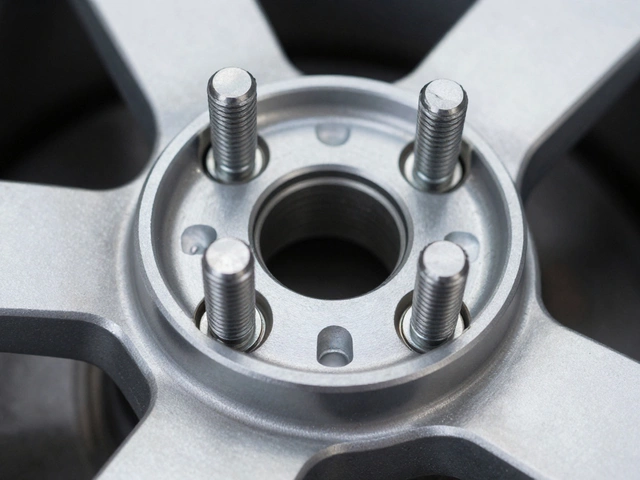
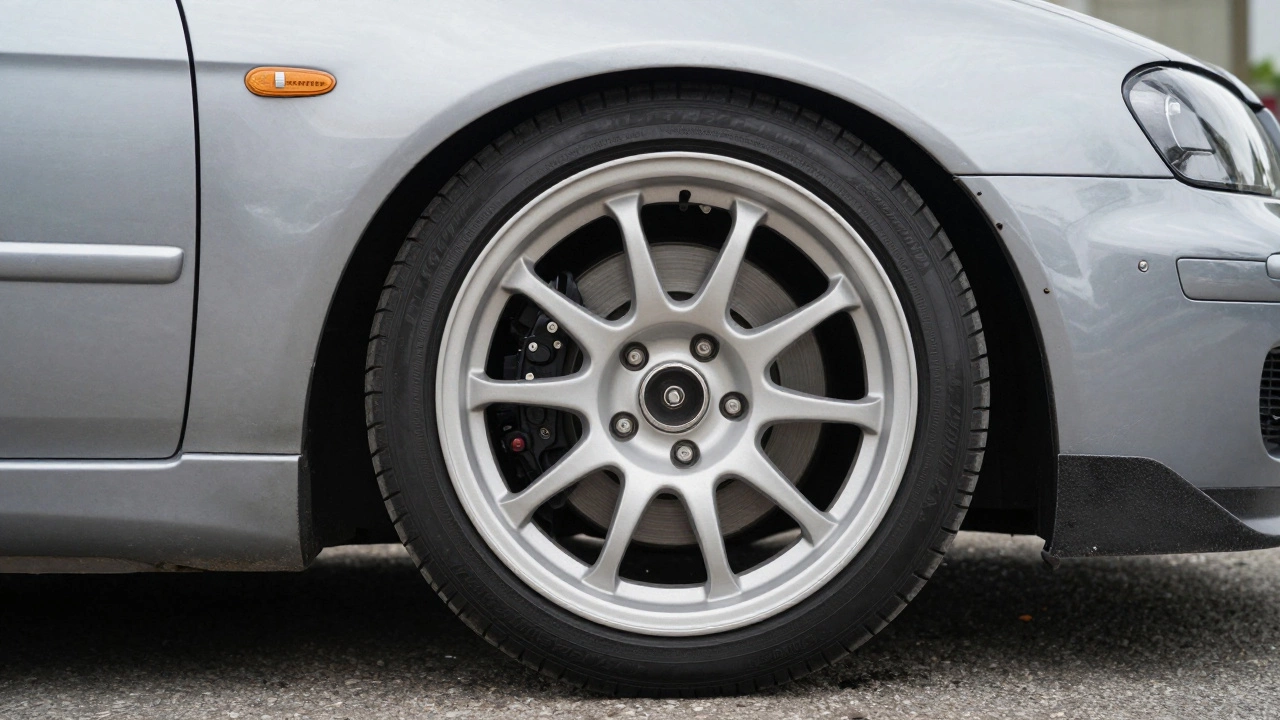
Wheel spacers push your wheels outward from the hub. They’re usually made of aluminum or steel, and they fit between the hub and the wheel. The goal? Better stance, clearance for bigger brakes, or fixing offset issues. But every millimeter you add changes how the wheel loads the hub, bearings, and suspension components.
Think of it like extending your arm with a stick. The longer the stick, the more force you feel at your shoulder when you push something. Same with wheels. Spacers increase the distance between the hub and the tire’s contact patch. That distance creates leverage. More leverage means more stress on the hub, studs, bearings, and control arms.
The 5mm Rule-And Why It Exists
Most mechanics and suspension engineers agree: 5mm per side is the safe upper limit for stock setups. Why? Because factory components are designed to handle the original load path. Add more than that, and you’re forcing parts to do work they weren’t built for.
Real-world example: A 2020 Toyota Supra with stock suspension and 18-inch wheels. A 10mm spacer (5mm per side) might be fine if the wheels have the right offset and the car isn’t lowered. But a 15mm spacer? That’s pushing the wheel out far enough to change the scrub radius, increase steering effort, and overload the wheel bearings. Owners who’ve done this report premature bearing failure within 15,000 km. Not a myth. A documented pattern.
It’s not just about the spacer thickness. It’s about the total wheel offset. If you’re running a wheel with a +45 offset and add a 15mm spacer, you’re effectively running a +30 offset. That’s a massive change. Many factory suspensions are tuned for offsets between +35 and +50. Go below +30, and you start hitting dangerous territory.
Why Thicker Spacers Are Risky
Thicker spacers-say, 20mm or more-don’t just change the look. They change how your car behaves.
- Wheel bearing wear: Bearings are designed for radial loads. Spacers turn them into thrust bearings, taking lateral forces they weren’t built for. Failure can mean a seized wheel-while driving.
- Steering instability: Increased leverage makes the car more sensitive to road imperfections. You’ll feel more vibration, more wander, especially at highway speeds.
- Strut and control arm stress: The suspension arms now have to fight a longer lever arm. This accelerates bushing wear and can bend components over time.
- Clearance issues: Even if the wheel clears the fender now, when you hit a bump or turn sharply, the tire can rub on the fender liner or suspension parts. That’s not just noise-it’s damage.
- Stud failure: Stock wheel studs are designed for a specific thread engagement. Spacers reduce that engagement. If you’re using 20mm spacers and your studs are only 15mm long past the hub, you’re relying on less than half the recommended thread depth. That’s asking for a wheel to come off.
What About Hub-Centric Spacers?
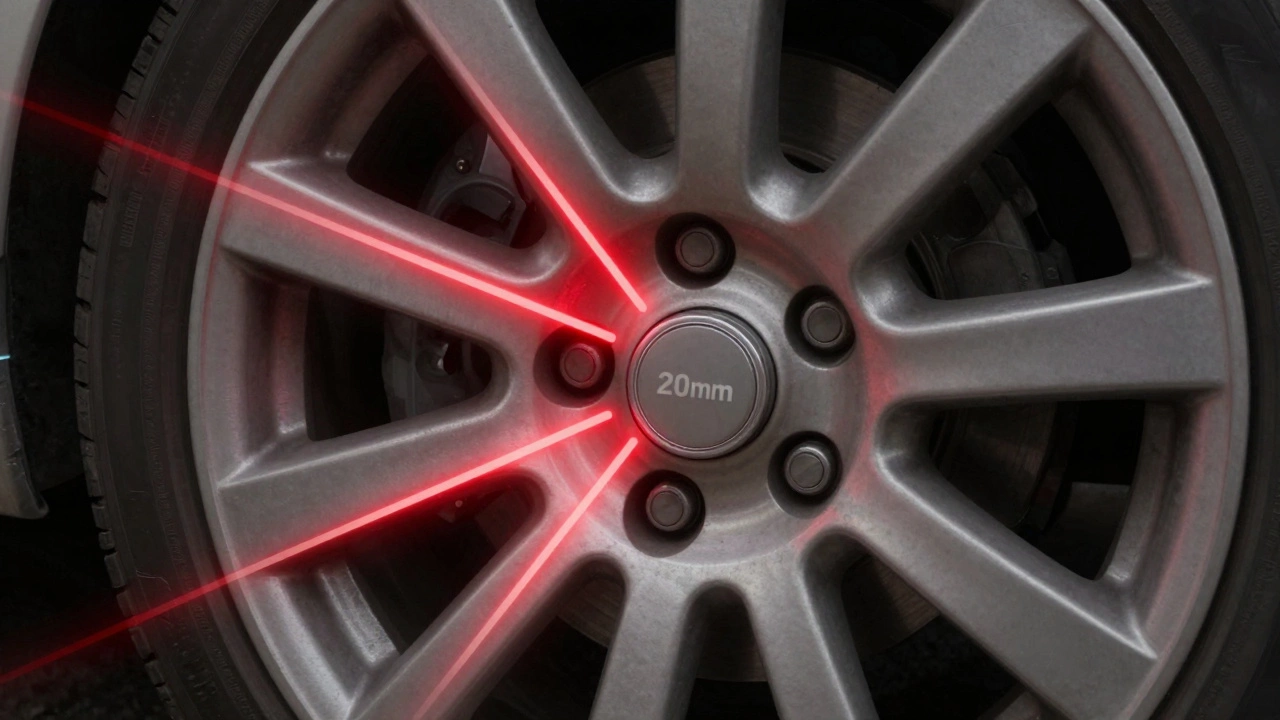
Hub-centric spacers are better than lug-centric ones. They center the wheel on the hub, not just the lugs. That reduces vibration and improves alignment. But they don’t fix the physics problem. A 25mm hub-centric spacer still puts 25mm of leverage on your bearings and studs. The material might be better, but the forces are the same.
Some people think hub-centric = safe. It’s not. It’s just less likely to cause vibration. The structural risks? Still there.
When Thick Spacers Might Be Acceptable
There are exceptions. But they’re rare, and they require serious upgrades.
If you’ve replaced your stock suspension with a full coilover setup, upgraded to stronger wheel studs (like ARP or McGard), installed reinforced hub-centric spacers with extended lug bolts, and run wheels with the correct offset and width, then you might safely run 15-20mm. But even then, you’re pushing it.
Track cars sometimes use spacers to clear wide tires or big brakes. But they’re built for it-stronger hubs, reinforced control arms, upgraded bearings. Street cars? Not even close.
What Experts Say
Performance suspension companies like KW, H&R, and Eibach don’t recommend spacers over 10mm for street use. Even then, they advise checking alignment and inspecting bearings every 10,000 km. Some manufacturers, like BMW and Audi, void suspension warranties if spacers are installed-regardless of thickness.
Professional racers who use spacers on track cars typically use them in the 5-10mm range, and they inspect everything after every event. They know the risks. Most street drivers don’t.

Signs You’ve Gone Too Far
You don’t need to wait for a wheel to fall off to know something’s wrong. Watch for:
- Increased steering vibration, especially over 80 km/h
- Uneven tire wear-especially on the outside edge
- Noises from the front end: clunking, grinding, or humming
- Difficulty keeping the car straight on the highway
- More steering effort than before
If you notice any of these after installing spacers, remove them. Don’t wait. The damage is already happening.
Alternatives to Thick Spacers
Want a wider stance without the risk? Here’s what actually works:
- Wheels with the right offset: Buy wheels with a lower offset (like +25 instead of +40). That moves the wheel out without spacers.
- Lowering springs with camber kits: Lowering the car and adjusting camber can give you a more aggressive look without changing the load path.
- Widebody kits: If you’re serious about looks and performance, widebody fenders let you run wider wheels without any spacer risk.
These options cost more upfront, but they’re engineered solutions. Spacers are a hack. And hacks break.
Final Answer: How Much Is Too Much?
For a stock car? Anything over 10mm total (5mm per side) is too much. For a modified car with upgraded suspension, studs, and bearings? Maybe 15mm-but only if you’re willing to inspect everything every 5,000 km.
There’s no magic number. It’s about risk. And the risk grows exponentially with thickness. A 5mm spacer might add 10% more stress. A 20mm spacer? That’s 400% more stress on your bearings. That’s not a stretch. That’s physics.
Don’t risk your safety for a look. If your car looks good with 5mm spacers, leave it there. If you need more, change the wheels. It’s the only way to do it right.
Can I use 20mm wheel spacers on my stock car?
No. 20mm spacers on a stock car create dangerous levels of leverage on the wheel bearings, studs, and suspension components. This dramatically increases the risk of bearing failure, stud breakage, or loss of wheel control. Even if the car seems fine at first, the wear happens silently and can lead to catastrophic failure without warning.
Do hub-centric spacers make thick spacers safe?
No. Hub-centric spacers improve centering and reduce vibration, but they don’t reduce the mechanical stress on the wheel bearings, studs, or suspension arms. The leverage created by the spacer’s thickness remains unchanged. Safety isn’t about how well the wheel sits-it’s about whether the components can handle the added force.
Will wheel spacers affect my alignment?
Yes. Spacers change the wheel’s position relative to the suspension geometry, which alters camber and scrub radius. Even 5mm can shift alignment enough to cause uneven tire wear. Always get a professional alignment after installing spacers, and check it again after 5,000 km.
Are wheel spacers legal?
In Australia, wheel spacers are legal as long as they don’t cause the tire to protrude beyond the fender line and don’t compromise safety. However, if a spacer contributes to an accident due to mechanical failure, your insurance may be voided. Many states require certification for modifications, and spacers over 5mm often trigger inspection requirements.
What’s the safest way to get a wider stance?
The safest way is to install wheels with the correct offset for your desired look. Pair that with a suspension upgrade if needed, and you avoid the added stress of spacers entirely. Widebody kits are the ultimate solution for aggressive stances without compromising safety or longevity.