
Ever looked at your car’s wheels and wondered if they’re alloy or steel? It’s not just about looks - the type of wheel affects ride quality, fuel efficiency, repair costs, and even how your car handles on wet roads. And if you’re shopping for used wheels or upgrading, mixing them up could cost you money or safety. Here’s how to tell the difference for sure - no tools needed.
Weight is the first clue
Steel wheels are heavy. Like, noticeably heavy. If you’ve ever tried to swap a steel wheel by hand, you know it feels like lifting a dumbbell. Most steel wheels for a midsize sedan weigh between 20 and 25 pounds. Alloy wheels? They’re lighter. Often 15 to 20 pounds. That difference isn’t just about ease of handling - it’s about unsprung weight, which affects how your suspension responds to bumps. Lighter wheels mean better acceleration, braking, and cornering. If you pick up a wheel and think, ‘This feels way too heavy for modern wheels,’ it’s probably steel.
Look at the finish
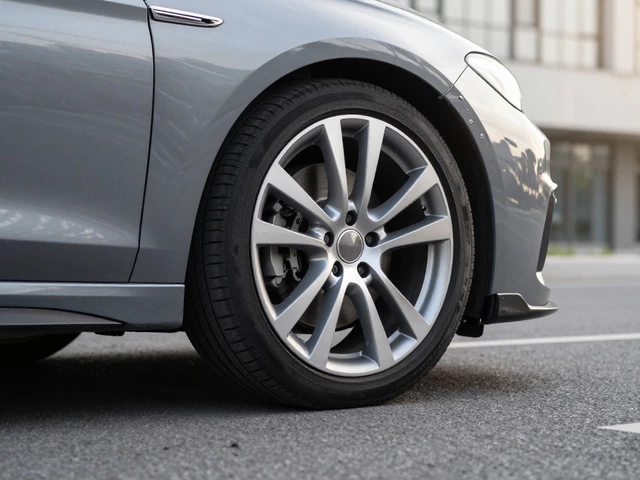
Alloy wheels almost always have a polished, painted, or machined surface. You’ll see shiny finishes, colored paint, or even machined lips with a silver metallic sheen. Steel wheels? They’re almost always covered in a plastic hubcap or a full wheel cover. Even if the steel wheel is exposed, it’ll have a flat, dull, gray paint job - usually black or silver - with no shine or texture. If you see a wheel that looks like it was made for a magazine shoot, it’s almost certainly alloy. If it looks like it was slapped on to save costs, it’s steel.
Check for cracks and dents
Steel bends. Alloy cracks. If you spot a deep dent or a bent lip, it’s likely steel. Steel wheels can take a hit from a curb and just deform - you can often hammer them back into shape. Alloy wheels? They don’t bend. They fracture. A crack in an alloy wheel is serious. It can’t be safely repaired. If you see a clean, jagged line running through the wheel’s face, you’re looking at an alloy. If it’s a smooth, rounded dent, it’s probably steel.
Listen to the sound
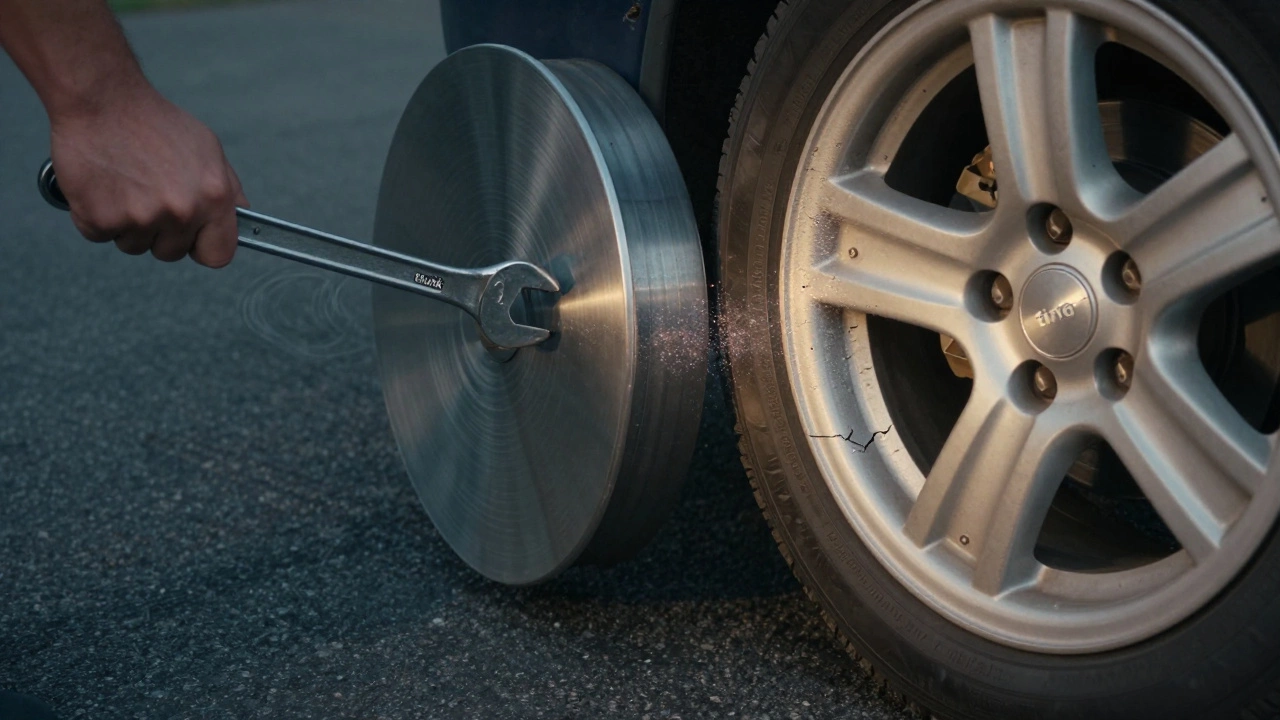
This one’s subtle, but it works. Tap a wheel with a wrench or your knuckle. Steel wheels make a dull, thuddy thunk. Alloy wheels ring out with a higher-pitched, metallic ting. It’s like tapping a cast iron pan versus a stainless steel pot. You don’t need to be an expert - just compare two wheels side by side. The lighter, brighter sound? That’s alloy.
Look at the design complexity
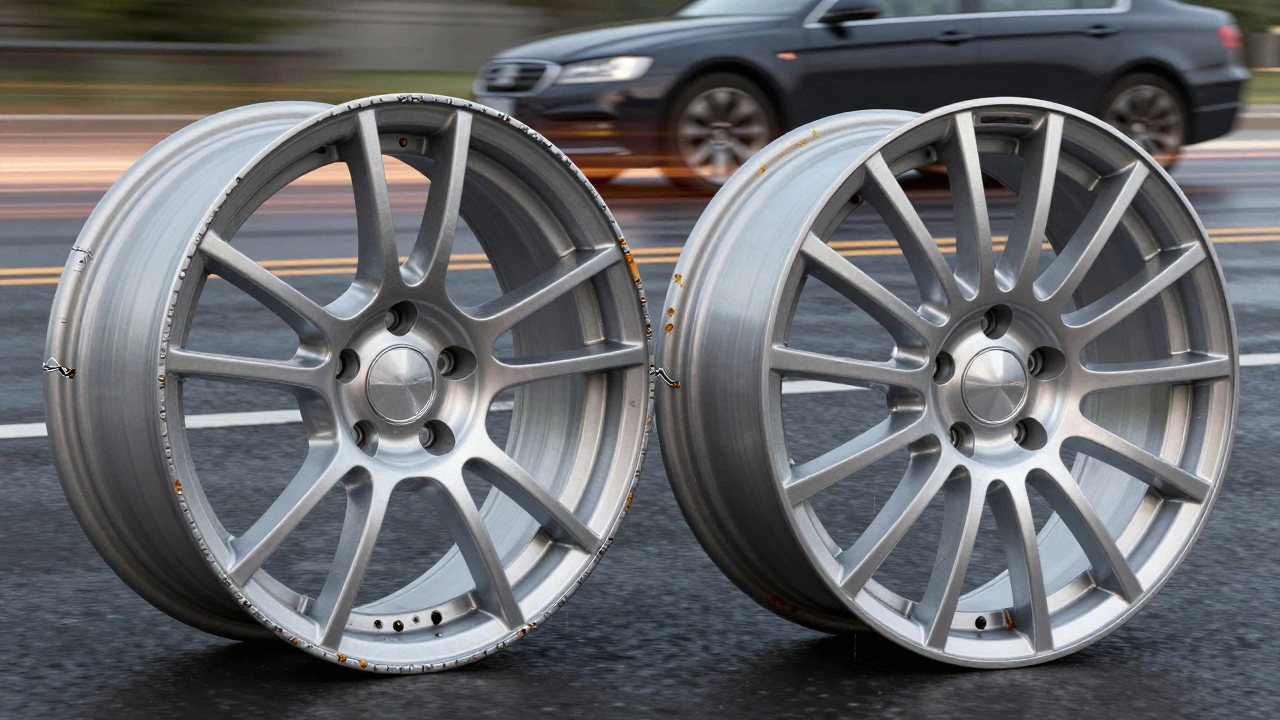
Alloy wheels are cast or forged into complex shapes - five-spoke, multi-spoke, mesh patterns, deep lips. Steel wheels are stamped from flat sheets. They’re simple. Even the most ‘fancy’ steel wheel is just a basic round shape with a few stamped ridges. If the wheel has intricate details, curves, or a multi-layered look, it’s alloy. If it looks like it was pressed out of a mold in one motion, it’s steel.
Check the backside
Flip the wheel over. Steel wheels have a thick, uniform backside with visible stamping lines and a rough, unfinished look. You’ll often see weld marks or seams where the two halves were joined. Alloy wheels have a smoother, more uniform back. They’re cast as one piece, so the surface is even. No seams. No rough edges. Just a clean, machined surface. If you see a thick, chunky back with visible manufacturing marks, it’s steel.
Look for markings
Most wheels have a stamp or engraving on the back or inside the rim. Steel wheels often say ‘Steel’, ‘S’, or ‘STL’. Some manufacturers use a code like ‘15x6.5J’ - that’s just size, not material. But if you see ‘Alloy’, ‘AL’, or ‘A’, you’ve got your answer. Some brands like BBS, Enkei, or OZ mark their alloys with logos or part numbers you can search online. If there’s no marking at all, use the other clues - weight, finish, and sound - to decide.
Know why it matters
Alloy wheels aren’t just for show. They dissipate heat better, which helps brake performance. They’re also more corrosion-resistant - especially if they’re powder-coated. Steel wheels rust. Badly. If you live near the coast or get snow in winter, steel wheels can rot from the inside out. You might not see it until the valve stem leaks or the wheel starts to wobble.
Alloys cost more upfront - often $100 to $300 more per wheel. But they last longer, improve handling, and hold resale value. Steel wheels are cheaper to replace - a basic steel wheel runs $50 to $80. But if you’re driving on rough roads or want better performance, alloys are worth the upgrade.
Common mistakes people make
Many think all shiny wheels are alloy. Not true. Some steel wheels have chrome-plated hubcaps that look just like alloys. Always check the back. Others assume all aftermarket wheels are alloy. Some budget brands sell steel wheels with fancy paint jobs. And if you’re buying used wheels, sellers might not know the difference. Always verify - don’t trust the label.
Another mistake: assuming steel wheels are ‘worse.’ They’re not. Many trucks, work vans, and fleet vehicles use steel because they’re durable, repairable, and cheap. If you’re hauling heavy loads or driving off-road, steel can be the smarter choice.
Quick visual checklist
- Lightweight? → Likely alloy
- Shiny, detailed finish? → Likely alloy
- Dull, flat paint with hubcap? → Likely steel
- Ring when tapped? → Likely alloy
- Thud when tapped? → Likely steel
- Complex design with curves? → Likely alloy
- Simple, flat, stamped shape? → Likely steel
- Crack? → Alloy
- Dent? → Steel
- Markings: ‘AL’ or ‘Alloy’? → Confirmed alloy
- Markings: ‘STL’ or ‘Steel’? → Confirmed steel
What to do if you’re still unsure
Take a photo of the wheel’s backside and search it online. Type in the size (like ‘16x7’) and any numbers you see. Sites like Tire Rack or forums like Reddit’s r/wheels often have photos and part numbers. Or visit a local tire shop - most will check it for free. They see hundreds of wheels a week. They’ll know instantly.
Don’t guess. Misidentifying your wheels can lead to wrong tire pressure settings, unsafe repairs, or buying the wrong replacement. A few minutes of checking saves you hundreds later.
Can steel wheels be painted to look like alloy wheels?
Yes, but it’s usually just a hubcap or full wheel cover. The actual steel wheel underneath is still heavy and prone to rust. Some aftermarket companies sell painted steel wheels that mimic alloy designs, but they’re still steel. Always check the backside - if it’s thick and stamped, it’s steel, no matter how shiny the front looks.
Are alloy wheels more prone to damage than steel wheels?
They’re more brittle. Steel bends; alloy cracks. A curb hit might dent a steel wheel, which can often be hammered out. The same hit on an alloy wheel can cause a hairline crack that’s unsafe to drive on. Alloy wheels need professional repair or replacement - no DIY fixes. So while they look better, they’re less forgiving on rough roads.
Do alloy wheels improve fuel efficiency?
Yes, slightly. Lighter wheels reduce unsprung weight, which means the engine doesn’t have to work as hard to accelerate the wheels. In real-world terms, switching from steel to alloy wheels can improve fuel economy by 1% to 3%. It’s not huge, but over time and with high mileage, it adds up - especially in a city car or hybrid.
Can I mix alloy and steel wheels on the same car?
No. Mixing wheel types changes the vehicle’s balance, handling, and braking performance. It can trigger traction control or ABS errors. Even if the size is the same, the weight difference affects how the suspension responds. Always use matching wheels on all four corners.
Why do some trucks still use steel wheels?
Steel wheels are cheaper, tougher, and easier to repair. Trucks often haul heavy loads, drive on rough terrain, or get hit by rocks and debris. A bent steel wheel can be fixed with a hammer or a press. A cracked alloy wheel is a write-off. For work vehicles, durability matters more than looks.
How do I know if my alloy wheels are cast or forged?
Cast wheels are more common and less expensive. They’re made by pouring molten metal into a mold. Forged wheels are made by pressing solid metal under extreme heat and pressure - they’re stronger and lighter. Look for a manufacturer’s stamp: forged wheels often say ‘Forged’ or have a part number linked to brands like BBS, HRE, or Enkei. Cast wheels usually just have a basic model number. If you’re unsure, check the weight - forged wheels are often 10% to 15% lighter than cast ones of the same size.