
Exhaust Flame Calculator
How It Works
This calculator determines if your car setup will produce exhaust flames based on three key parameters:
- Air-fuel ratio (AFR) - Ideal range is 11.5:1 to 12.5:1
- Fuel cut delay - Delaying fuel cut by 100-300ms increases flame probability
- Engine type - Turbocharged engines produce flames more easily
Results will appear here after calculation.
Important Notes
For best results:
- ✓ Use a catless or high-flow exhaust system
- ✓ Get a professional ECU tune
- ✓ Drive in cold air temperatures
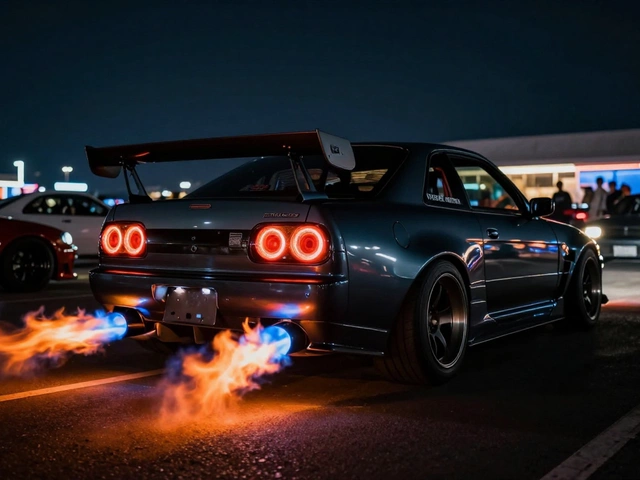
Want your car to spit fire from the exhaust? It’s not magic. It’s physics. And if you’re doing it right, it’s also legal - at least on private land. Flames from the exhaust aren’t just for show; they’re the result of unburned fuel igniting in the hot exhaust system. But getting them to happen consistently? That takes more than just a loud muffler. You need the right setup, the right tune, and the right conditions.
What Causes Exhaust Flames?
Flames come from unburned fuel that escapes the combustion chamber and hits the hot exhaust pipes or catalytic converter. When that fuel meets oxygen and heat, it ignites - boom, fire. This usually happens during deceleration, when the engine cuts fuel delivery but some fuel is still in the system. If the air-fuel ratio is too rich, or the timing is off, that leftover fuel doesn’t burn cleanly. Instead, it travels down the pipe and lights up.
It’s not about having the loudest exhaust. It’s about controlling the fuel and timing. Stock cars almost never pop flames because their ECUs are designed to prevent it. You need to override that safety net.
Step 1: Install a Catless or High-Flow Exhaust
The catalytic converter is the main barrier to flames. It’s designed to burn off unburned fuel before it leaves the exhaust. If you want flames, you need to remove that barrier - or at least reduce its effectiveness.
A catless exhaust system gives unburned fuel a clear path to the open air. High-flow catalytic converters can still allow some flames, but they’re less effective than going full catless. Many people start with a catless downpipe and a straight-through muffler. Brands like Akrapovič, APR, and Invidia make systems that work well for this. Just remember: removing the cat will trigger a check engine light unless you install a proper O2 sensor simulator or reflash the ECU.
Step 2: Tune the Engine for a Richer Air-Fuel Ratio
Your ECU controls how much fuel gets injected. Stock settings aim for efficiency and emissions. For flames, you need to trick it into dumping extra fuel - especially during deceleration.
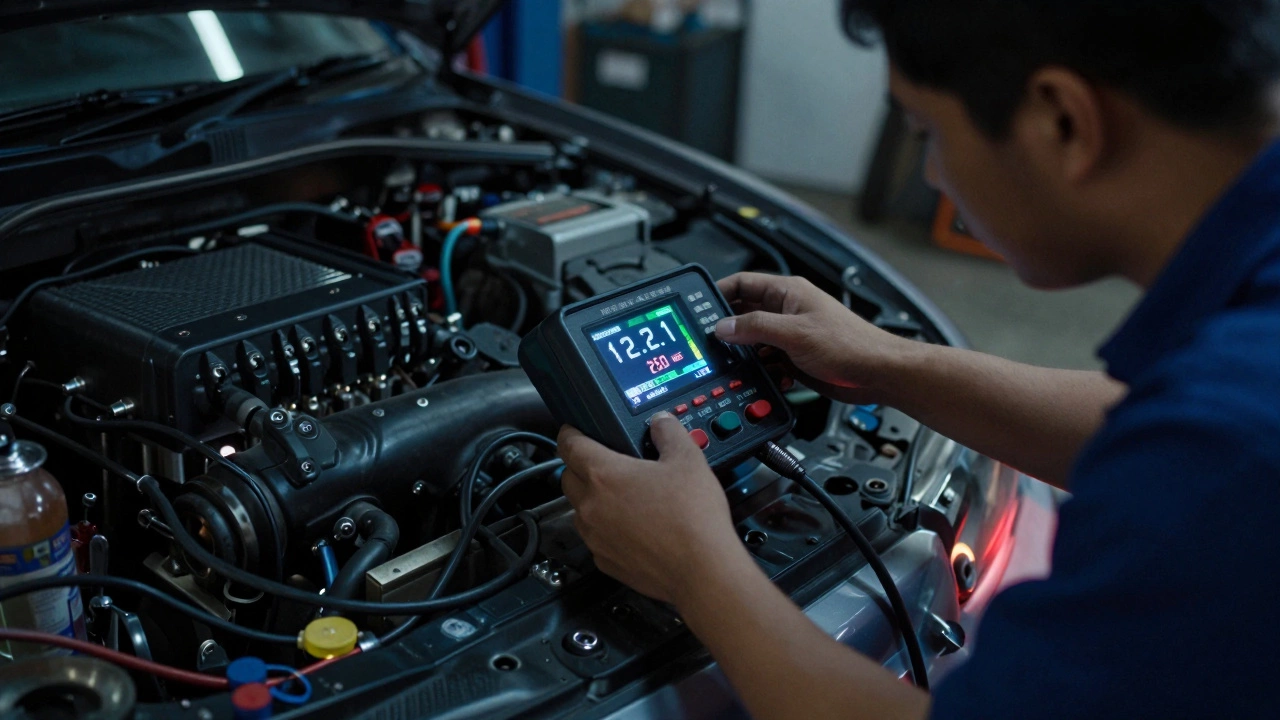
A custom ECU tune is the only reliable way to do this. You can’t just add a piggyback device and call it done. You need someone who knows how to adjust the fuel maps for decel fuel cut and idle enrichment. The goal is to keep the air-fuel ratio between 11.5:1 and 12.5:1 during off-throttle conditions. Leaner than that? No flames. Richer than 12.5:1? You risk flooding the engine or damaging the valves.
Many tuners use software like ECUtek, Cobb Accessport, or HP Tuners. If you’re running a turbocharged car (like a Subaru WRX, Mitsubishi Evo, or Ford Focus ST), it’s easier - those engines already have aggressive fuel maps. Naturally aspirated cars? Harder. You’ll need more fuel injection time and likely a larger fuel pump.
Step 3: Disable or Delay Fuel Cut
Most modern cars cut fuel completely when you lift off the throttle. This saves fuel and reduces emissions. But it also kills flames. To get flames, you need to keep fuel flowing for a split second longer after you let off the gas.
A tuner can delay the fuel cut by 100-300 milliseconds. This gives the unburned fuel time to travel down the exhaust and ignite. Some people also increase the idle air control valve (IACV) opening to let more air into the system - that helps create the right mix for ignition.
Don’t try this with a stock tune. You’ll damage your catalytic converter, melt your exhaust valves, or ruin your O2 sensors. And yes - this will void your warranty. But if you’re already running a custom exhaust and tune, that’s probably not your priority.
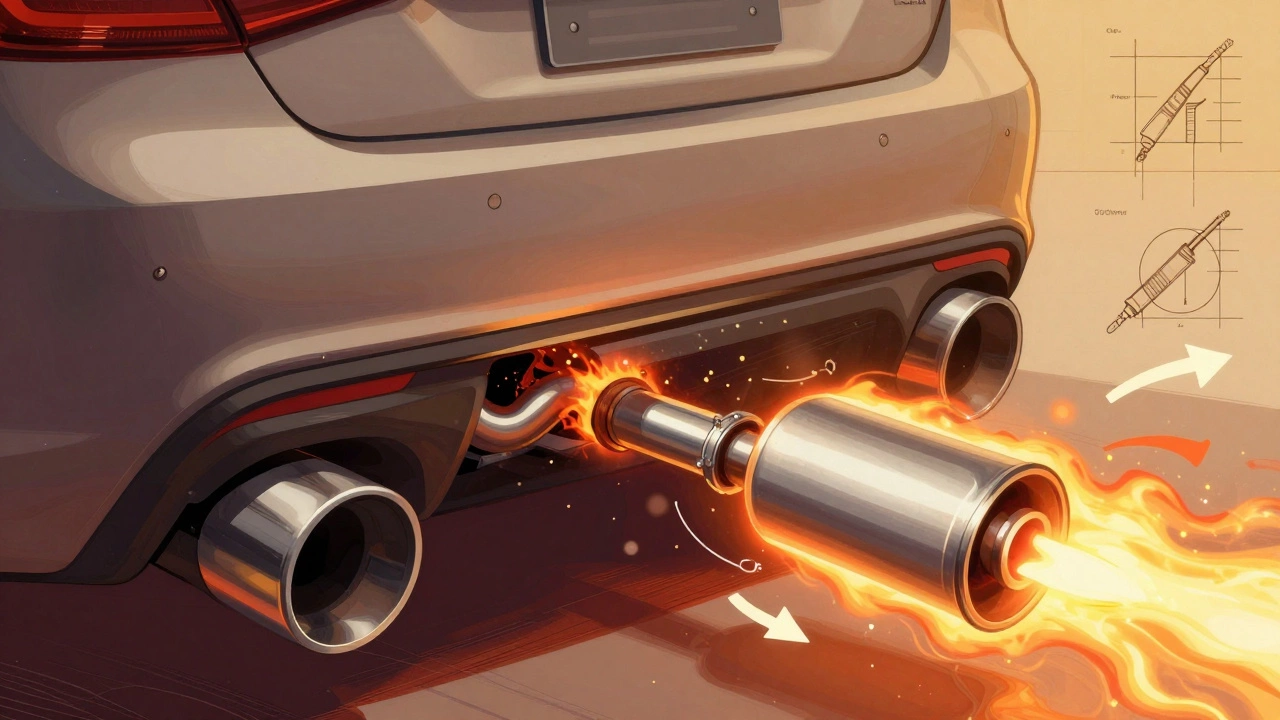
Step 4: Add a Spark Plug in the Exhaust (Optional)
Some racers and show cars go one step further: they install a spark plug in the exhaust pipe. This is called an “afterburner” setup. A small ignition coil fires a spark right where the fuel cloud passes. It’s not common on street cars - it’s loud, expensive, and requires wiring and sensors.
But if you’ve got a track-only car or a showpiece, this is the most reliable way to get consistent, controlled flames. You’ll need a controller that triggers the spark only during deceleration. Some systems use a throttle position sensor to activate the spark at the right moment. It’s complex, but it works.
Step 5: Conditions That Help
Flames don’t happen every time you let off the gas. You need the right conditions:
- Cold air - cooler air holds more oxygen, making ignition easier. Flames are most dramatic in winter or early morning.
- High RPMs - if you’re not revving the engine hard before lifting off, there won’t be enough fuel in the system.
- Low ambient humidity - damp air can suppress ignition. Dry days = better flames.
- Exhaust temperature - your pipes need to be hot. A cold exhaust won’t ignite fuel. Drive for 10-15 minutes first.
Many people try to get flames on a cold engine and wonder why nothing happens. It’s not broken - it’s just not hot enough.
What Doesn’t Work
There are a lot of myths out there.
- Adding nitrous to the exhaust - doesn’t work. Nitrous needs oxygen to burn, and the exhaust has almost none. You’ll just get a loud pop, not flames.
- Installing a louder muffler - nope. Sound and fire are unrelated. A straight pipe might help, but only if the fuel and timing are right.
- Using fuel additives - some people swear by “flame boosters.” They don’t. You can’t chemically alter fuel to make it ignite easier in exhaust. It’s not magic.
Stick to the basics: exhaust flow, fuel enrichment, delayed cut. Everything else is noise.
Legal and Safety Concerns
In Australia, exhaust flames are technically illegal on public roads under the Vehicle Standards Bulletin 14. They’re considered a fire hazard and a distraction. Police can pull you over, issue a defect notice, or even impound your car if they think it’s unsafe.
That said, most people who run flames do it on private property - drag strips, car meets, or back roads after dark. If you’re doing it on public roads, you’re taking a risk. Insurance won’t cover damage from a fire caused by your exhaust setup. And if you’re caught, you could face fines up to $500 AUD.
Always check local laws. In Queensland, the Transport Operations (Road Use Management) Act 1995 gives police broad powers to deem any modification unsafe. If your car is popping flames near a petrol station or in a residential area? You’re asking for trouble.
Real-World Examples
One of the most common setups in Brisbane is a Subaru WRX STI with a catless downpipe, 3-inch stainless exhaust, and a Cobb Accessport tune. The owner runs a 12.2:1 air-fuel ratio during decel and delays fuel cut by 250ms. He gets flames every time he shifts at 6,000 RPM and lifts off.
A Nissan S15 Silvia with a turbocharged SR20 and a custom ECU tune from a local shop in Redcliffe gets consistent flames even in humid conditions. The key? A high-flow catalytic converter and a 2.5-inch exhaust with no muffler.
Both cars are daily drivers - but they’re not street-legal for flames. They’re used for track days and car shows.
What to Expect
Flames aren’t a guarantee. Even with the right setup, you might get them once in a blue moon. They’re more common on turbocharged cars with aggressive tuning. Naturally aspirated engines? Rare. You’ll need a lot of fuel and a very hot exhaust.
And yes - it’s addictive. Once you hear that crack and see the orange flash, you’ll want to do it again. But don’t push it. Too much fuel = engine damage. Too much heat = melted valves. Too much noise = cops.
Flames are a side effect of performance - not the goal. If your car runs better, sounds meaner, and occasionally lights up the night? That’s the win.
Can I get exhaust flames with a stock exhaust system?
No. Stock exhausts have catalytic converters and tight fuel control. The ECU prevents unburned fuel from entering the exhaust. You need a catless or high-flow exhaust system to have any chance of flames.
Do I need a turbo to get flames?
Not necessarily, but it helps. Turbocharged engines dump more unburned fuel during deceleration because of boost pressure and fuel enrichment. Naturally aspirated cars can produce flames, but only with extreme tuning and a very rich mixture - which is risky and less reliable.
Will flames damage my engine?
Yes, if done wrong. Too much fuel can flood the engine, wash down cylinder walls, and ruin piston rings. Excessive heat can melt exhaust valves or damage the turbocharger. Always use a professional tune and monitor exhaust gas temperatures.
Are exhaust flames legal in Australia?
No, they’re not legal on public roads. Under Australian vehicle standards, visible flames are considered a safety hazard. Police can issue defect notices or fines. They’re tolerated at private events, but never on public streets.
How much does it cost to set up exhaust flames?
A basic setup - catless downpipe, straight pipe, and ECU tune - costs between $2,000 and $3,500 AUD. If you add an afterburner spark system, expect to pay another $800-$1,200. Professional tuning alone can run $600-$1,000 depending on the car.