Body Kit Cost Estimator
Select your options and click Calculate to see the estimated cost.
Walking into an auto shop or browsing online for that aggressive new look can feel like walking into a maze of confusing numbers. You see a price tag of $200 on one site and $4,000 on another for what looks like the same bumper. It’s frustrating. You want to know if you’re getting ripped off or if the higher price actually means better quality. The truth is, there is no single answer to how much a good body kit costs because "good" depends entirely on your goals, your budget, and the material you choose.
In this guide, we break down the real costs involved in upgrading your ride with a body kit. We’ll look at materials, installation fees, hidden expenses, and help you decide where to spend your money so you don’t end up with cracked plastic after the first wash.
Quick Summary: What to Expect
- Budget Kits (ABS Plastic): $150-$600 per piece. Great for daily drivers, easy to install, but less durable.
- Mid-Range Kits (Polyurethane): $800-$2,500 total. The best balance of fitment, durability, and price for most enthusiasts.
- Premium Kits (Carbon Fiber/Fiberglass): $3,000-$10,000+. For show cars or track builds requiring lightweight strength.
- Installation Costs: Add $500-$2,000+ depending on complexity and whether you need paint matching.
- Total Project Budget: Plan for 30% more than the kit price for paint, prep, and professional labor.
Material Matters: The Biggest Factor in Price
The type of material used to make the kit is the primary driver of cost. Not all plastics are created equal. Some are flexible and tough; others are brittle and prone to cracking. Understanding these materials will help you avoid cheap junk that falls apart.
ABS Plastic is a rigid thermoplastic commonly used in factory bumpers. It’s the cheapest option available. You’ll find ABS kits from brands like RimmerBucks or generic aftermarket suppliers. They snap on easily and often come pre-painted to match your car’s color code. However, they lack the sharp lines of high-end kits and can crack upon impact. If you just want a subtle change without breaking the bank, ABS is your friend. Expect to pay between $150 and $400 for a front bumper alone.
Polyurethane (PU) is a flexible, rubber-like polymer that resists cracking. This is the sweet spot for most car enthusiasts. Brands like Vorsteiner, Liberty Walk, and Varis often use PU for their widebody kits. It’s heavier than carbon fiber but much tougher than fiberglass. It absorbs minor impacts without shattering. A full PU widebody kit usually runs between $1,500 and $3,500. The flexibility allows for better fitment on cars that have been lowered, as the fenders won’t rub against the tires as harshly.
Fiberglass is a composite material made of glass fibers embedded in resin. It’s lightweight and can be molded into incredibly detailed shapes. High-end manufacturers like Rocket Bunny use fiberglass for their signature styles. While it looks fantastic, it’s brittle. A small rock chip can cause a spiderweb crack. Fiberglass kits typically cost between $2,000 and $5,000. They require careful handling during installation and often need extensive sanding and filler work before painting.
Carbon Fiber is an extremely strong, lightweight composite material. True carbon fiber body kits are rare and expensive. You’re looking at $5,000 to $15,000+ for a full set. Most "carbon fiber" parts under $2,000 are actually vinyl wraps over fiberglass or painted black plastic. Real carbon fiber is used mostly for aerodynamic components like splitters and diffusers rather than full widebody flares, due to the extreme cost. It’s worth it only if weight reduction is critical for performance.
Breakdown by Component Type
You don’t always need to buy a full kit. Many owners start with one piece to test the look. Here’s what you can expect to pay for individual components based on mid-range polyurethane or fiberglass quality.
| Component | Budget (ABS/Generic) | Mid-Range (PU/Fiberglass) | Premium (Brand Name) |
|---|---|---|---|
| Front Bumper | $150 - $400 | $600 - $1,200 | $1,500 - $3,000 |
| Rear Bumper | $150 - $400 | $600 - $1,200 | $1,500 - $3,000 |
| Sidewards / Rocker Panels | $100 - $250 | $300 - $600 | $800 - $1,500 |
| Hood Scoop | $50 - $150 | $200 - $500 | $600 - $1,200 |
| Front Lip Splitter | $80 - $200 | $250 - $500 | $700 - $1,500 |
| Rear Diffuser | $80 - $200 | $250 - $500 | $700 - $1,500 |
| Widebody Fender Flares (Set of 4) | N/A | $800 - $1,500 | $2,000 - $4,000 |
The Hidden Costs: Installation and Paint
This is where most people get blindsided. Buying the kit is only half the battle. Unless you’re installing a bolt-on ABS bumper that matches your car’s color perfectly, you’ll face additional costs. These hidden expenses can easily double your initial budget.
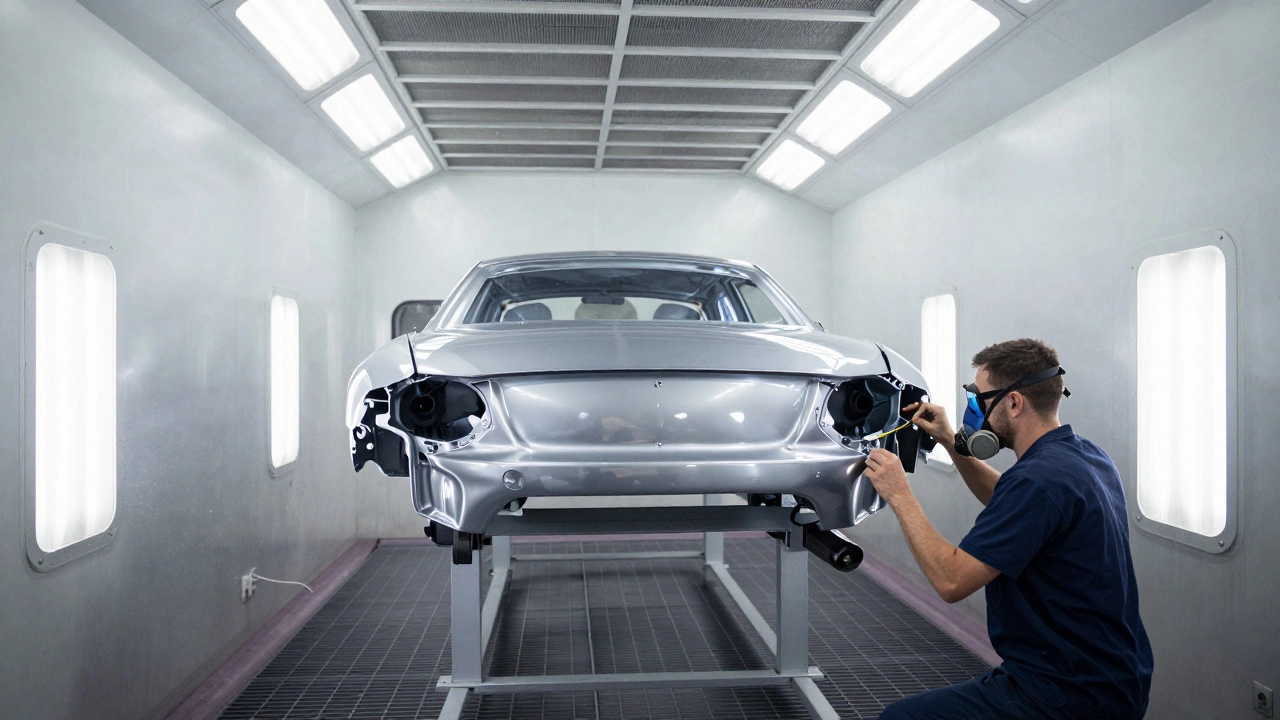
Paint Matching: If your kit comes unpainted (which most PU and fiberglass kits do), you need to get it painted. A professional paint job for a four-piece body kit (front/rear bumpers, sideskirts) can cost between $800 and $2,000. Why so much? Because it’s not just spraying paint. It involves sanding, priming, masking, and clear coating. If you want the paint to match your car’s metallic or pearl finish exactly, you’ll need a skilled painter who uses spectrophotometers to mix the color. DIY painting often results in orange peel texture or mismatched shades that look cheap.
Professional Installation: Installing a simple ABS bumper might take an hour and cost $100-$200 in labor. But a widebody kit? That’s a different story. Widebody kits often require cutting into your car’s original fenders to blend the new flares seamlessly. This is irreversible work. A professional installer will charge $1,000 to $3,000 for a full widebody install, including alignment checks to ensure the wheels don’t rub. If you try this yourself without experience, you risk ruining your car’s structural integrity or creating gaps that let water in and cause rust.
Hardware and Adhesives: Don’t forget the small stuff. You’ll need specific bolts, brackets, and high-strength automotive adhesives like 3M Super Weatherstrip Adhesive. These can add another $50-$150 to your bill. Using the wrong adhesive can lead to parts falling off while driving, which is a safety hazard.
DIY vs. Professional Install: Where Do You Stand?
If you have a garage, tools, and some mechanical skill, you can save a lot of money. But you need to be honest about your abilities. Here’s a quick decision tree:
- Choose DIY if: You’re installing a direct-fit ABS bumper. You have access to a paint booth or are confident in spray-painting outdoors. You understand how to align panels and use a drill safely. Your budget is tight, and you value time over perfection.
- Choose Professional Install if: You’re doing a widebody kit that requires cutting metal. You want a flawless paint match. You don’t have the right tools (panel gap gauges, rivet nuts, etc.). You plan to sell the car later and want documentation of professional workmanship.
In Brisbane, where humidity can affect paint curing, professional shops often have climate-controlled environments that ensure a better finish than a home garage. Consider the local conditions when deciding.
Popular Brands and Their Price Points
Knowing the brand helps you gauge quality. Here’s a snapshot of well-known manufacturers and their typical pricing tiers.
- RimmerBucks: Known for affordable ABS kits. Prices range from $100 to $500 per piece. Best for beginners who want a quick upgrade.
- Vorsteiner: Premium design, often using polyurethane and carbon fiber. Full kits start around $3,000 and go up to $10,000+. They offer excellent fitment and style.
- Liberty Walk: Famous for extreme widebody kits. Made from fiberglass and PU. Prices start at $2,500 for partial kits and exceed $10,000 for full sets. Requires custom fabrication for many cars.
- Varis: Japanese brand known for precision engineering. Kits are pricey ($2,000-$6,000) but offer superior fitment and durability. Ideal for JDM enthusiasts.
- Ronmaxx: Offers mid-range PU kits. Prices hover around $1,000-$2,500 for full sets. Good balance of price and quality.
Legal and Insurance Considerations
Before you spend thousands, check your local laws. In Australia, modifying your vehicle’s exterior can affect roadworthiness. Widebody kits that extend beyond the original wheel arches may require certification. Some states have strict rules about protruding parts that could injure pedestrians. Always check with your state’s transport authority (like Transport Queensland) before installing.
Insurance is another big factor. Notify your insurer about the body kit. Some policies may exclude coverage for modified parts or increase your premium. If you don’t disclose the modification, your claim could be denied if the kit is damaged in an accident. It’s a small step that saves huge headaches later.
Final Thoughts: Is It Worth It?
A good body kit transforms your car’s appearance and can even improve aerodynamics if designed well. But it’s not just about looks. It’s an investment in your passion project. Start by defining your budget clearly. If you’re on a tight budget, stick to ABS bumpers and DIY installation. If you want a statement piece, invest in polyurethane or fiberglass and hire professionals for paint and fitment.
Remember, the cheapest option isn’t always the best value. A poorly fitted kit looks worse than no kit at all. Take your time, research reviews, and maybe visit a local shop to see the materials in person. Your car deserves the best fit.
Can I install a body kit myself?
Yes, for simple bolt-on ABS bumpers. However, widebody kits or those requiring cutting and painting should be installed by professionals to ensure proper fitment and safety.
What is the most durable body kit material?
Polyurethane (PU) is generally considered the most durable for street use due to its flexibility and resistance to cracking. Carbon fiber is strongest but also most expensive and brittle.
Do body kits affect fuel economy?
Poorly designed kits can increase drag and reduce fuel efficiency. Well-designed aerodynamic kits can slightly improve airflow and potentially enhance mileage, though the effect is minimal for most daily drivers.
How long does it take to install a body kit?
A simple bumper swap takes 1-2 hours. A full widebody kit with painting and fitting can take 3-7 days, depending on the shop’s workload and paint drying times.
Will a body kit void my warranty?
If the kit causes damage to other components (like sensors or wiring), the manufacturer may deny warranty claims for those parts. Cosmetic modifications usually don’t void the entire vehicle warranty, but check your specific policy.