SC Window Tint Legality Checker
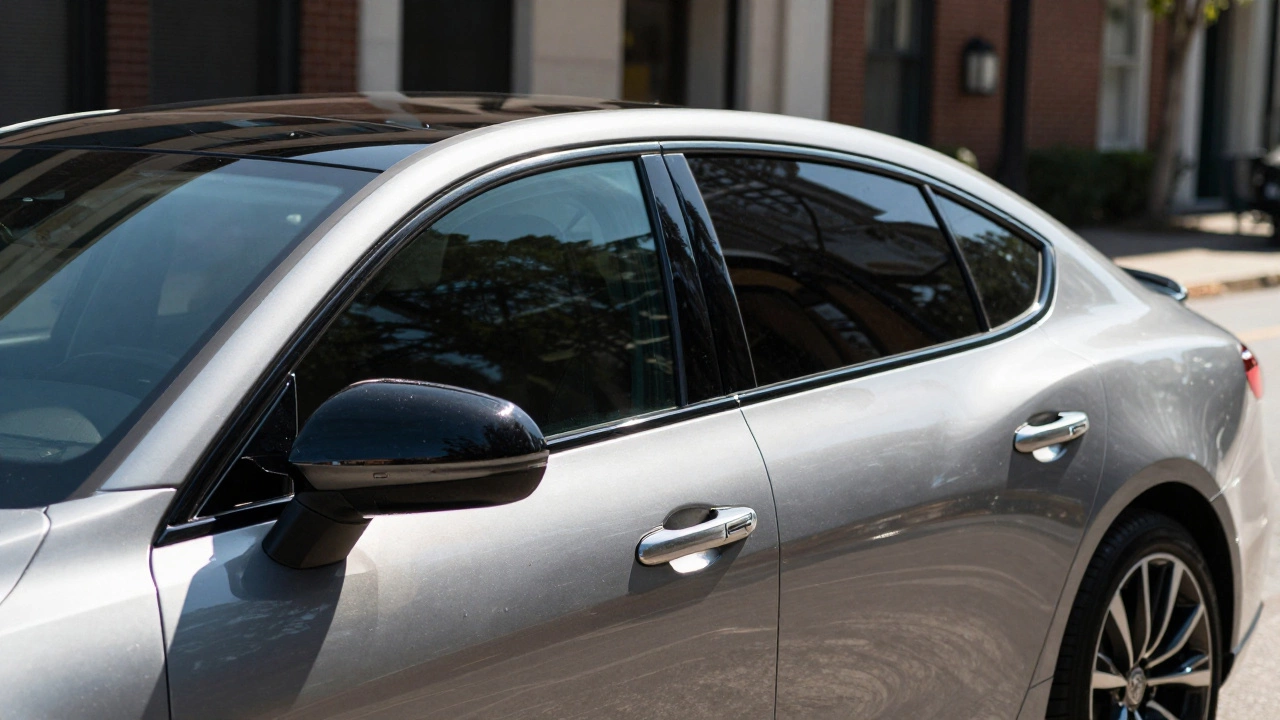
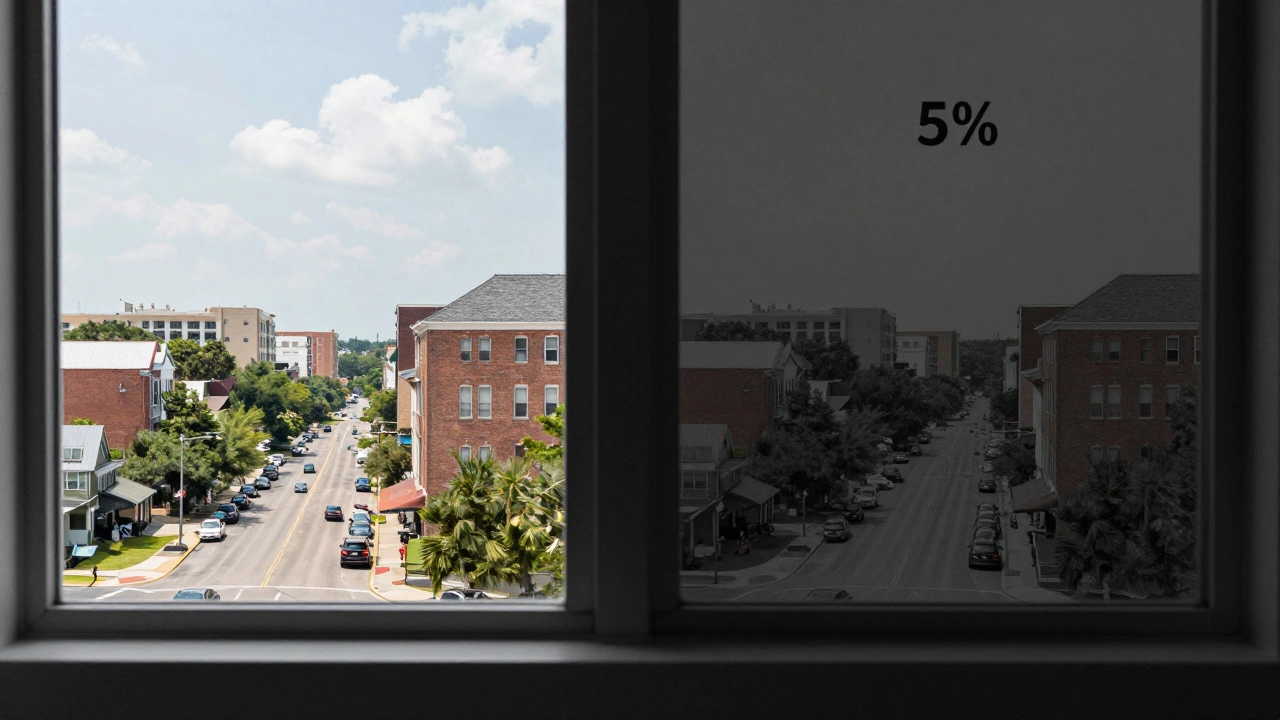
You see a car with those deep, midnight-black windows and wonder if you can get the same look. That "limo tint" usually refers to 5% window film, which blocks 95% of incoming light. But before you head to the shop, you need to know that rolling up to a South Carolina police officer with 5% tint on your side windows is a fast track to a fix-it ticket. In the Palmetto State, the law is pretty strict about how much light has to pass through your glass for safety reasons.
Quick Summary of SC Tint Laws
- Front Side Windows: Must allow at least 28% of light through (72% max tint).
- Rear Side/Back Windows: No limit for most passenger cars (5% is generally okay here).
- Windshield: Only non-reflective tint on the top few inches is allowed.
- 5% Tint Status: Illegal for front sides; Legal for rear windows in most cases.
The Truth About 5 Percent Tint in South Carolina
To answer the big question: No, 5% tint is not legal on the front side windows in South Carolina. If you install a film that only lets in 5% of light, you are far below the state's minimum requirement. The law requires a Visible Light Transmission is the percentage of visible light that passes through a transparent medium, like a window film, measured by a tint meter (VLT) of at least 28% for the front driver and passenger windows.
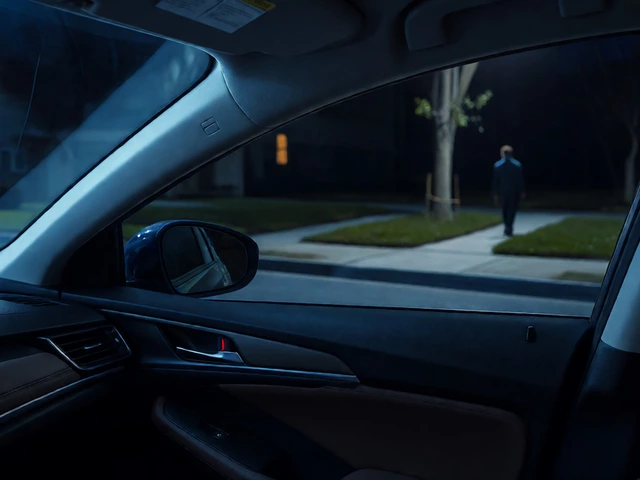
Why the gap? Law enforcement and safety boards argue that officers need to see inside a vehicle to ensure the driver isn't impaired or reaching for a weapon. From a driver's perspective, 5% tint in a dark South Carolina alley or during a rainy night in Charleston makes visibility dangerously low. If you're caught with "limo tint" up front, you'll likely be told to peel it off or face a fine.
Breaking Down the Legal Limits by Window
Not all windows are treated the same under the law. To stay legal, you have to look at your car as a set of different zones. The rules change depending on whether you're looking through the windshield, the side glass, or the rear hatch.
| Window Location | Minimum VLT (Light Passing Through) | Max Tint Percentage (Film Darkness) | Legality of 5% Tint |
|---|---|---|---|
| Front Side Windows | 28% | 72% | Illegal |
| Rear Side Windows | No Limit | 95% | Legal |
| Back Window (Rear) | No Limit | 95% | Legal |
| Windshield | High (Top strip only) | Varies | Illegal |
The Windshield Loophole and Restrictions
You can't just slap 5% film across your entire windshield and hope for the best. The Windshield must remain almost entirely clear. South Carolina allows a strip of non-reflective tint at the top of the windshield, provided it doesn't obstruct the driver's view. This is usually a "sun strip" designed to block the glare of the sun when it's low on the horizon.
If you decide to use a Ceramic Tint on your windshield for heat rejection, make sure it's a clear film. Many people confuse "clear" with "tinted." A high-quality ceramic film can block infrared heat without changing the color of the glass, which keeps you legal while keeping the cabin cool during a humid July day in Columbia.
Why People Risk the 5 Percent Look
Despite the laws, you'll see plenty of cars with 5% tint in South Carolina. There are a few reasons for this, ranging from privacy to heat management. The state is notorious for its brutal humidity and high temperatures. Using a Window Film with a low VLT significantly reduces the amount of solar energy entering the car, which takes the load off your air conditioning.
Then there's the privacy factor. 5% tint essentially turns your car into a private bubble. However, this comes with a trade-off. If you've ever tried to reverse a car with 5% tint at night, you know it's like trying to look through a pair of sunglasses in a dark room. You'll find yourself rolling the windows down just to see your side mirrors, which defeats the purpose of the tint in the first place.
How Police Measure Your Tint
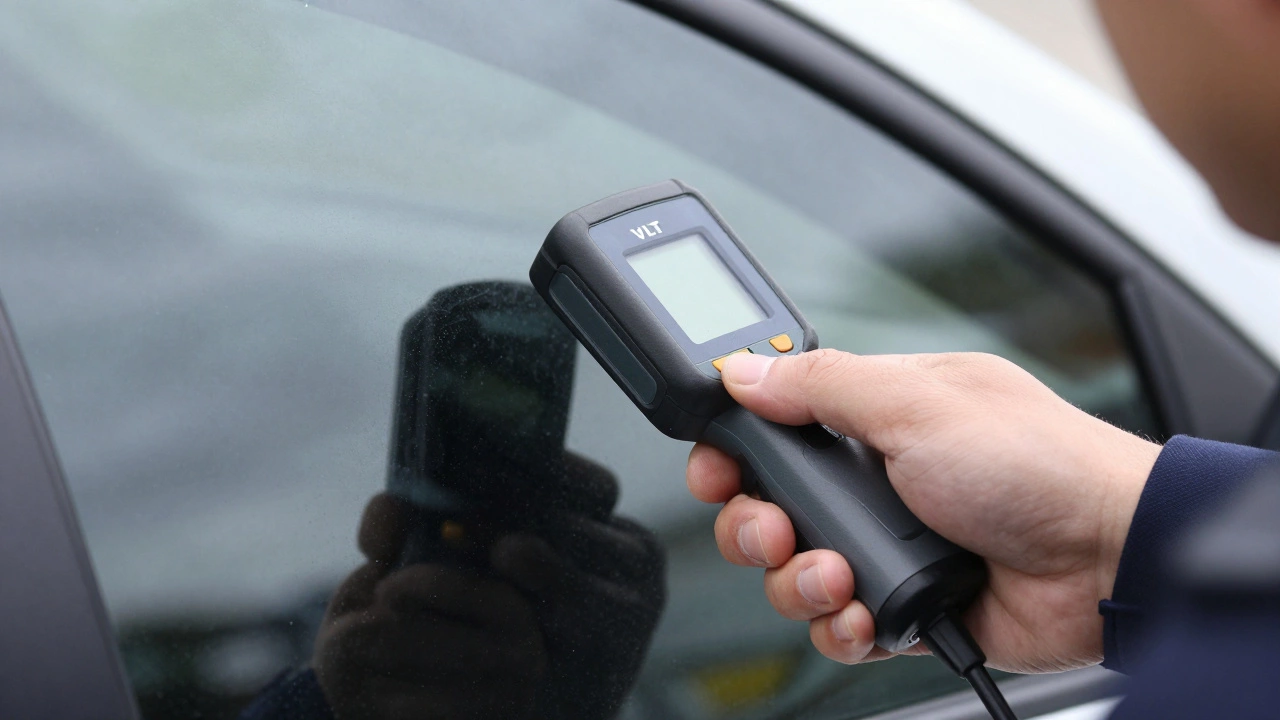
You might think, "As long as it looks light enough, I'll be fine." Unfortunately, officers don't just guess. They use a Tint Meter (also known as a VLT meter). This is a handheld device that shoots a beam of light through the glass and measures exactly how much light comes out the other side.
Here is a pro tip: your factory glass isn't perfectly clear. Most cars come with a slight tint from the manufacturer. If your factory glass is already at 70% VLT and you add a 35% film, the combined VLT will be lower than 35%. This is how many people accidentally end up with illegal tint even when they bought a "legal" film. Always ask your installer to measure the total VLT of the glass after the film is applied.
Common Mistakes to Avoid
One big mistake is assuming that because you have a SUV or a truck, the rules are different. While some states have different rules for larger vehicles, South Carolina's 28% rule for front sides generally applies across the board for passenger vehicles. Another error is using "dye-based" films. These often fade to a purple color over time, which is a giant red flag to police that your tint is cheap and potentially non-compliant.
Instead, look into Carbon or Ceramic options. They don't fade, they block more heat, and they provide a more consistent color. If you really want that dark look in the back, go for the 5% there, but keep the fronts at 28% or 35% to avoid the headache of police stops.
Can I get a ticket for 5% tint in South Carolina?
Yes, if the 5% tint is installed on your front side windows. South Carolina law requires a minimum of 28% light transmission for front windows. If caught, you may receive a citation or a warning to remove the film.
Is 5% tint legal on the back window in SC?
Generally, yes. South Carolina does not have a VLT limit for the rear side windows or the back windshield of most passenger vehicles, making 5% tint legal for those specific areas.
What happens if I'm caught with illegal tint?
Usually, the officer will issue a fix-it ticket. This means you have a set amount of time to remove the illegal tint and prove to the court or police department that the vehicle is now compliant with state law.
Does factory tint count toward the 28% limit?
Yes. Police measure the total amount of light passing through the glass. If your factory glass has a slight tint and you add aftermarket film, the combined percentage is what matters for legality.
Can I tint my windshield in South Carolina?
You can only tint a small strip at the top of the windshield. The rest of the windshield must remain clear to ensure maximum visibility for the driver.
Next Steps for Your Vehicle
If you already have 5% tint on your front windows and you're worried about the law, your best bet is to visit a professional shop. They can use a VLT meter to tell you exactly how far off you are. If you're only a few percentage points off, you might risk it, but if you're at 5%, you're a prime target for a stop.
For those planning a new install, start with a "staggered" look. Use 30% or 35% on the fronts and 5% or 15% on the rears. This gives you the aesthetic of a dark car while staying within a reasonable range of the law and maintaining enough visibility to drive safely at night.