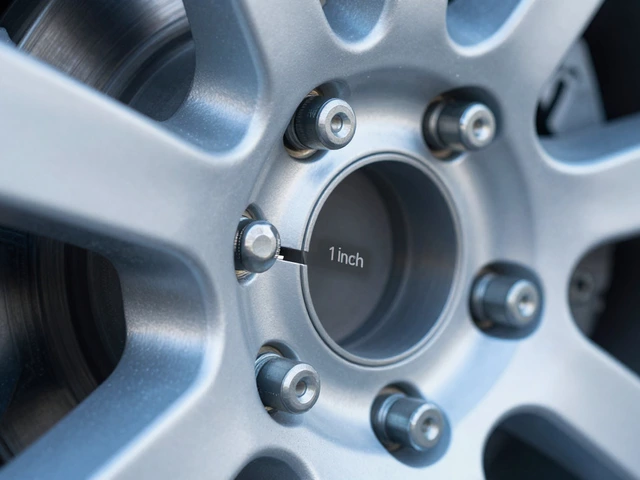
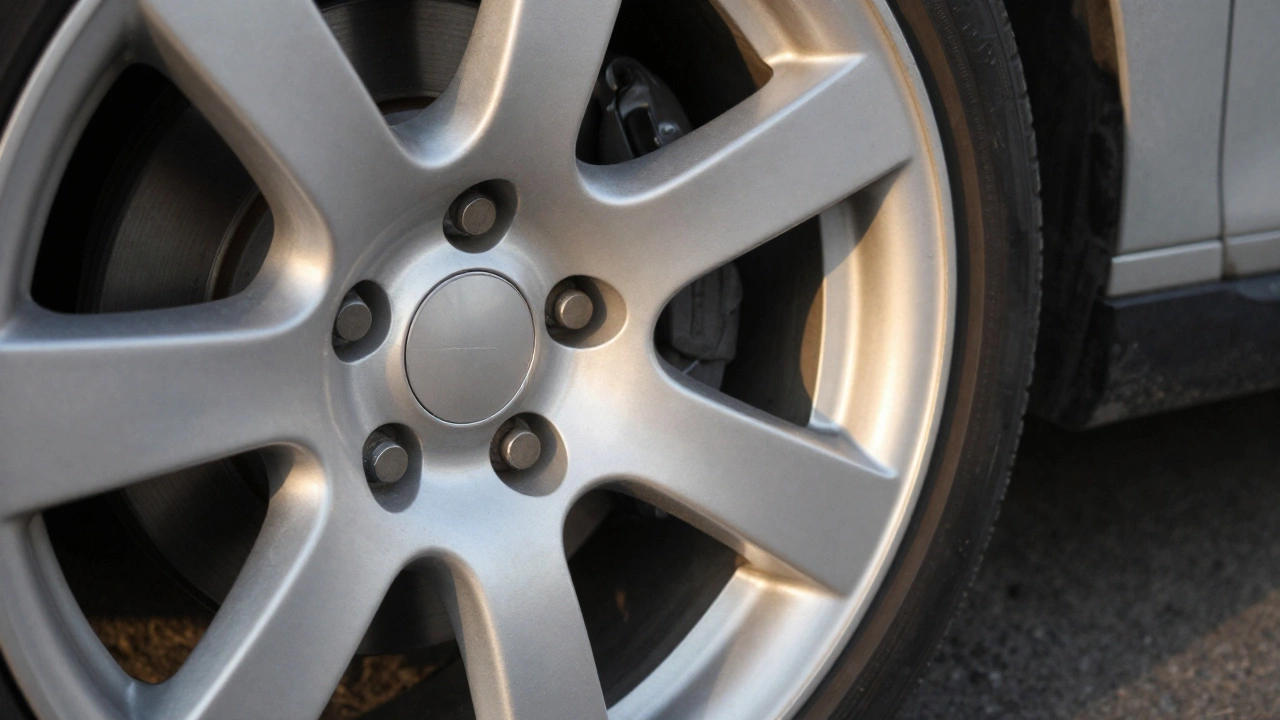
Wheel Material Identifier Tool
Test 1: Magnetism
Steel is ferromagnetic; Aluminum is not.
Test 2: Sound Test
Use a rubber mallet or hard plastic tool.
Visual Inspection
Weight Estimate
(If possible, compare lifting against another tire)
You walk up to your car, and the sun catches the spokes. They look shiny and silver. You assume they are alloy, but you aren't sure. Maybe you bought the car used, and the previous owner installed covers over steel wheels. Or perhaps you found a set of spare tires in the shed and wonder if they match your stock setup. Knowing the difference isn't just about curb appeal; it affects how you maintain them, what tyres you can fit, and even how your car handles.
If you are trying to figure out alloy wheels is a category of vehicle wheels made from light metals like aluminum rather than traditional steel. Also known as Aluminium Wheels, they are lighter than steel options and help dissipate heat better. The framework of these wheels often involves casting or forging processes that reduce rotational mass. Companies like BMW and Ford have popularized them, but many economy cars start life on steel before owners swap them. Confusion happens because plastic hub caps hide the truth. We will cut through the confusion.
Quick Summary
- Magnet Test: If a fridge magnet sticks firmly to the rim surface, it is almost certainly steel.
- Weight Check: Pick up a loose wheel; alloy versions are significantly lighter than steel counterparts.
- Visual Cues: Look for sand-cast textures or painted metal surfaces versus rolled edges typical of stamped steel.
- Sound Clue: Tap the rim with a hard object; alloy rings like a bell, steel thuds heavily.
- Manual Check: Your vehicle documentation or window sticker often lists standard equipment.
The Physical Differences Between Materials
To identify your wheels accurately, you need to understand what makes them tick. Most factory-installed wheels fall into two categories: pressed steel or aluminium-based alloys. In Australia, road conditions play a massive role in longevity, so knowing the base material tells you how your car will handle potholes and salt. Steel Wheels is a type of wheel constructed from carbon steel using press-and-roll manufacturing techniques. These are durable, cheap, and prone to corrosion if the paint chips.
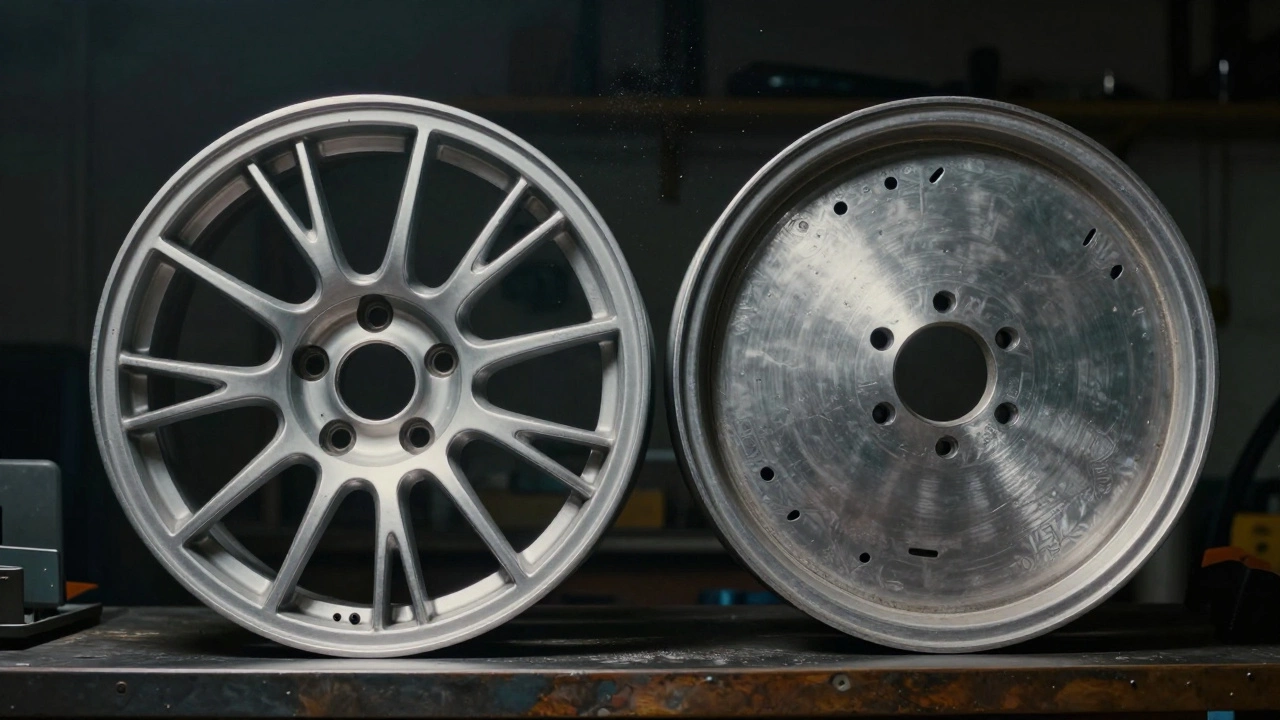
Aluminium changes the game. While we call them "alloys," they are rarely pure aluminium. They mix aluminium with elements like silicon, magnesium, or copper to improve strength. This blend allows manufacturers to create intricate spoke designs that would shatter under pressure if made from raw steel. When you see complex web-like structures on a wheel face, you are likely looking at cast alloy. Stamped steel usually features a single solid plate bent into shape with vent holes drilled for brake cooling.
The Magnet Method for Instant Identification
This is the quickest hack in the garage. Steel is ferromagnetic, meaning magnets stick to it. Aluminium is non-magnetic. Grab a standard neodymium magnet from a hardware store or even a strong kitchen magnet. Clean the wheel surface first to remove dust or road grime that might interfere. Place the magnet firmly against the rim.
If it snaps onto the metal and refuses to fall off, you have Steel Wheels is the standard heavy-duty option often found on entry-level vehicles. If the magnet barely holds on or slides right off despite a strong push, the material underneath is likely aluminium or a similar non-ferrous metal. Be careful with chrome-plated wheels. Sometimes steel wheels get chrome plating, which won't fool a magnet test, but thin paint layers on alloys might confuse a weak magnet. Use a strong magnet for best results.
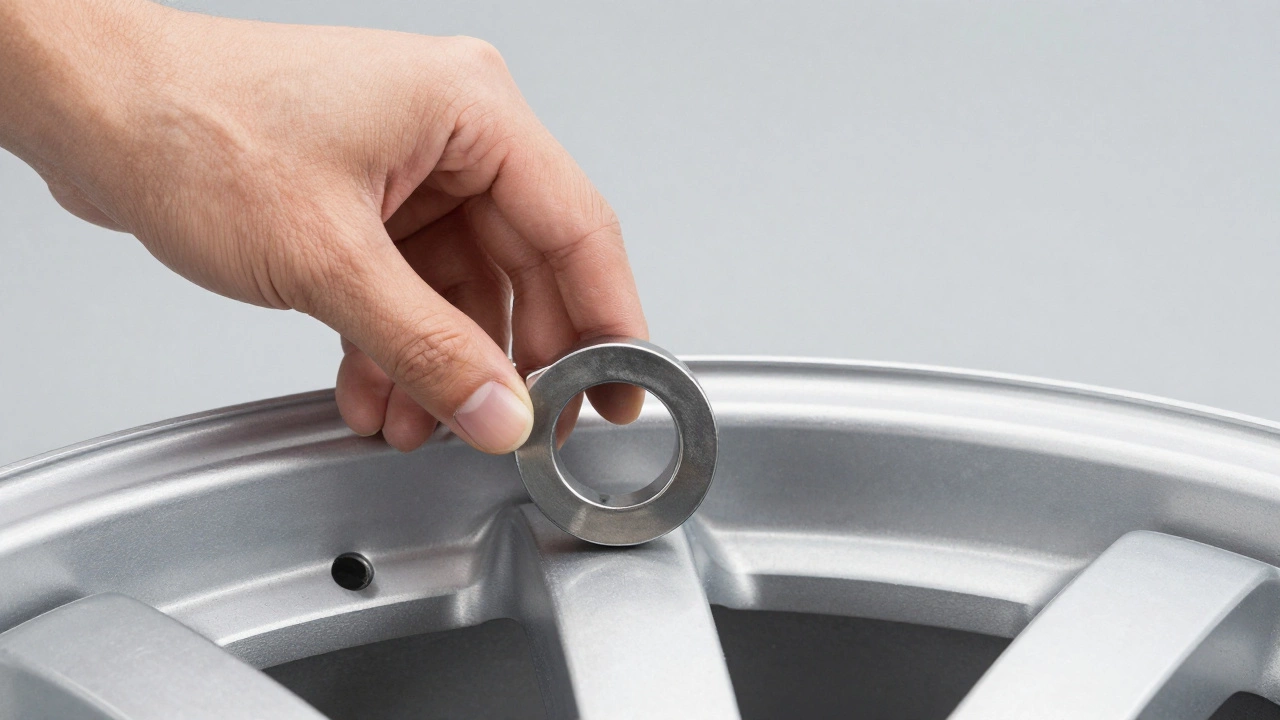
Listening for the Ring
Sound travels differently through dense carbon steel compared to lighter aluminium alloys. You can perform this test without removing the tire from the car, though lifting the vehicle provides better access. Grab a rubber mallet or a hard plastic tool-do not use a metal hammer as it could chip the paint. Give the edge of the wheel a sharp tap.
A steel wheel produces a dull, flat thud. The vibration dampens quickly within the thick metal sheet. An alloy wheel has more resonance. Because the metal is cast and less dense, it vibrates longer. You will hear a metallic ringing tone that lasts for a second or two. It sounds distinctively hollow, like hitting a cymbal. Combine this sound check with the visual inspection of the mounting bolts. Steel wheels often have large, hexagonal lug nuts that sit deep in the center. Alloy wheels frequently use thinner, acorn-style lug nuts flush with the surface.
Comparing Weight and Handling
If you have access to the spare wheel or are shopping for replacements, lift the tire. A full-size steel tyre and wheel combo for a mid-sized sedan can weigh upwards of 15 kilograms. A comparable alloy wheel with the same tyre weighs closer to 9 or 10 kilograms. That extra 5 kilos per corner adds unsprung weight, which saps suspension energy.
Unsprung Weight is the total mass of components not supported by the vehicle's springs, including wheels and brakes. Reducing this improves ride comfort and acceleration. If you hold the wheel and it feels manageable, it's likely alloy. Steel requires significant effort to hoist. Notice how you change tyres when replacing winter sets in colder climates? Lighter wheels save your back. However, heavier steel units resist bending under impact better, which is why trucks and taxis favor them.
| Feature | Alloy Wheel | Steel Wheel |
|---|---|---|
| Primary Material | Aluminium Mix | Carbon Steel |
| Weight Profile | Light | Heavy |
| Magnetism | Non-Magnetic | Magnetic |
| Durability | Prone to Cracking | Bends Easily, Harder to Break |
| Heat Management | High Dissipation | Low Dissipation |
| Cost Factor | Premium Price | Economy Budget |
Decoding the Hub Cap Deception
Many cars come with steel wheels wrapped in a cosmetic disguise called a hub cap or wheel cover. These snap-on plastic shells are designed to look like expensive alloys. They mimic the spokes and branding found on premium models. You can spot these by running your hand along the edge where the plastic meets the metal. There is often a slight ridge or gap you can feel.
Tap the surface. If the sound changes from a dull thud in the middle to a tinny rattle at the edges, plastic is involved. Remove one cover carefully by prying from the inside out with a plastic trim tool to inspect the metal beneath. Often, the hidden steel is painted black or grey. If the underlying surface reacts to your magnet, those covers were hiding budget-friendly steel. This is common on rental fleets and base model vehicles.
Checking Official Documentation
If you cannot physically touch the wheel, rely on paperwork. Every vehicle has a specific build code or order code that manufacturers use to track configuration. In Australia, you might find this on the compliance plate located near the driver's side door jam. This plate lists safety ratings and sometimes wheel specifications. Additionally, look for the original window sticker preserved in the glove box.
Visit the manufacturer's website and enter your Vehicle Identification Number (VIN) is a unique 17-character code assigned to every motor vehicle. Many online tools allow you to decode this serial number to show original equipment parts. Search for parts manuals online using your chassis number. They will list part numbers for both front and rear wheels. If the part numbers end in specific suffixes, they indicate material types. Cross-reference with the VIN ensures accuracy even if someone swapped wheels later.
Why Material Choice Impacts Maintenance
Once identified, understanding the material dictates how you care for them. Steel wheels corrode easily when the coating fails. Moisture trapped under the rim seals causes rust to bubble from the inside out. In coastal cities like Brisbane, salt spray accelerates this process. You should grease the inner barrel annually and inspect for bubbling paint. Aluminium resists rust much better due to natural oxide layers, but they suffer from different issues.
Curbing your Alloy Wheels can cause cracks rather than dents. Impact damage is harder to repair on cast metal. Professional welding is required instead of beating it back into shape like steel. Cleaning agents matter too. Steel tolerates harsh chemicals better. Acidic cleaners eat away at the clear coat on alloy finishes, leaving permanent etching marks. Use pH-neutral cleaners specifically rated for aluminium to prevent pitting and preserve the luster.
Common Misconceptions About Rim Types
People often confuse "rims" with "wheels." Technically, the rim is the outer edge where the tyre bead locks. The whole assembly is the wheel. You might also think forged equals alloy. Forging creates stronger, lighter wheels, while casting creates standard production wheels. Both are typically aluminium-based. Another myth suggests that shiny always means alloy. Chrome plating exists on steel. Always verify with the magnet test regardless of how bright the surface looks.
Rust does not appear on clean aluminium surfaces, but oxidization creates a white powder residue over time. This is normal wear, not damage. Steel shows red-brown flakes. Recognizing these early signs helps decide when to treat them before structural integrity drops. Regular washing removes brake dust buildup, which contains iron particles that stain aluminium if left sitting on the metal for weeks.
Can I upgrade steel wheels to alloy?
Yes, you can switch to alloy wheels as long as the bolt pattern, centre bore, and offset match your vehicle requirements. Ensure the load rating suits your car weight.
Will alloy wheels affect fuel economy?
Lighter alloy wheels reduce rotational mass, potentially improving fuel efficiency slightly compared to heavy steel wheels, particularly in stop-start traffic.
Do I need valve stems for alloy wheels?
Alloy wheels require rubber-metal combination valves. Rubber-only valves used on steel wheels can crack and leak air due to heat stress.
Is painting alloy wheels recommended?
Painting can hide scratches, but improper preparation leads to peeling. Powder coating is better for durability. Avoid spraying over damaged clear coats directly.
How do I clean aluminium wheels safely?
Use mild soap water and soft brushes. Avoid acidic wheel cleaners that strip the protective clear coat from the alloy surface.