
When you hear 20% window tint, a film that allows only 20% of visible light to pass through the glass. Also known as very dark tint, it’s one of the most popular choices for privacy and heat reduction—but also one of the most misunderstood. It’s not just about looking cool. A 20% tint means your windows block 80% of incoming light, which translates to less glare, cooler interiors, and more secrecy inside your car. But here’s the catch: what looks sleek in a showroom might get you pulled over on the highway.
Many people assume darker tint equals better performance, but that’s not always true. Window tint darkness, measured as a percentage of visible light transmission isn’t just a number—it’s tied to safety, legality, and even your driving experience. For example, a 35% tint still keeps the cabin cool while letting enough light in for clear night vision. A 20% tint? That’s a different story. It’s great for rear windows, but in most U.S. states and the UK, it’s illegal on front side windows. Police don’t guess—they use tint meters. And if your tint’s too dark, you’re not just risking a fine—you’re reducing your own visibility in rain or at dusk.
Then there’s the car tint laws, local regulations that define how dark your windows can legally be. These vary wildly. In California, front side windows must let in at least 70% light—so 20% is out. In Texas, front windows can go as low as 25%, but 20% still crosses the line. Even in places where it’s allowed, insurance companies might question claims if your tint is deemed a safety hazard. And don’t forget: some high-end cars come with factory-tinted glass that’s already at 20%. Those are legal because they’re built-in, not applied after market.
What about heat and UV protection? A 20% tint does block more infrared radiation than lighter films, which means your seats won’t burn your legs in summer and your dashboard won’t crack as fast. But you’re not getting magic—just physics. The real difference comes from the quality of the film, not just the percentage. Ceramic tints at 20% outperform cheap dyed films at 35%. And if you’re thinking about installing it yourself, remember: bubbles, dust, and improper edges don’t just look bad—they can peel off in a year.
So is 20% worth it? If you’re putting it on the back windows of your SUV or sedan, yes. It keeps prying eyes out and helps your AC work harder. But if you’re thinking about the front, think again. Most drivers don’t need that much darkness. A 35% tint gives you 80% of the privacy with 100% of the safety. And if you’re unsure? Check your local DMV website. Don’t guess. Don’t rely on the shop’s word. Laws change, and so do enforcement habits.
Below, you’ll find real-world tests, legal breakdowns, and honest reviews from people who’ve been there—whether they got away with it, got fined, or switched to a smarter option. No fluff. Just what works, what doesn’t, and what you need to know before you stick that film on your glass.
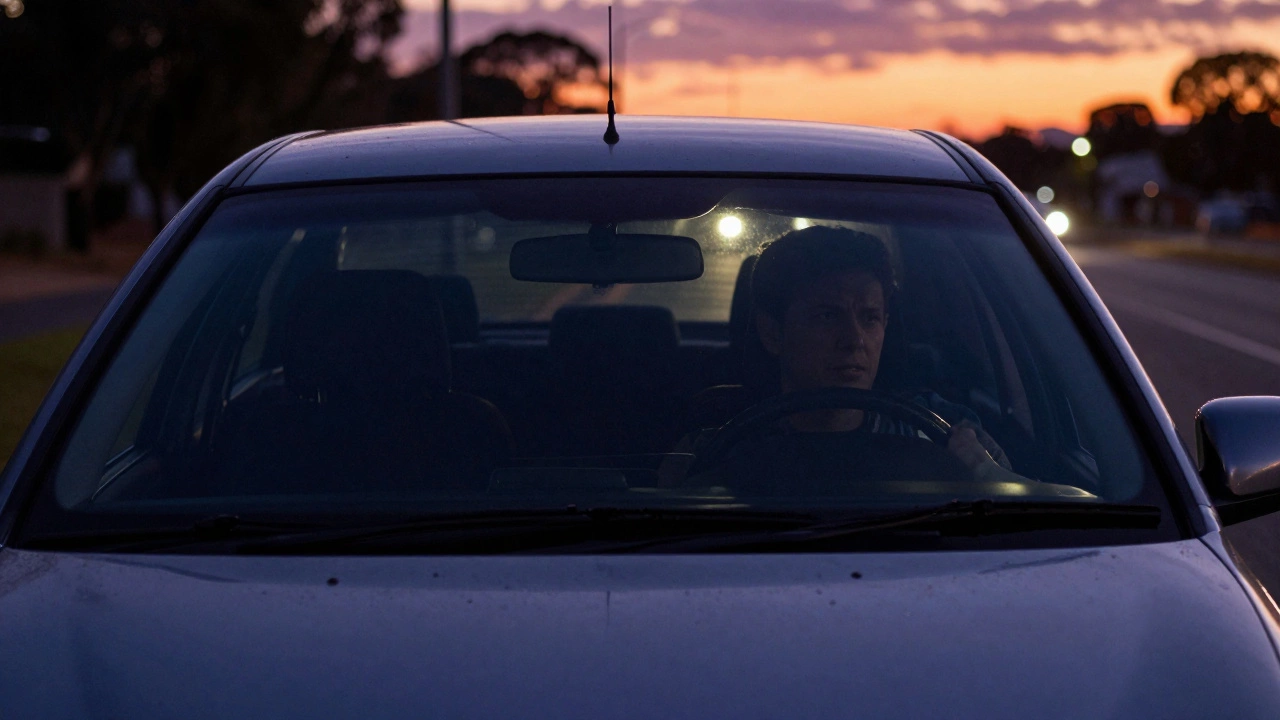
A 20% window tint blocks 80% of light, making it very dark. While it looks stylish, it's illegal on front windows in Australia and reduces night visibility. A 35% ceramic tint offers better safety, legality, and heat control.