
When you hear the term 82 dB exhaust, a measurement of sound pressure level from a vehicle's exhaust system, typically measured at 20 inches from the tailpipe at wide-open throttle. Also known as 82 decibel exhaust, it sits right on the edge of what many local ordinances allow—louder than a lawnmower, quieter than a motorcycle at full throttle, and loud enough to draw attention—whether you want it or not. This isn’t just about bragging rights. It’s about legality, comfort, and whether your car becomes a nuisance to others—or worse, gets flagged by authorities.
Most factory exhausts run between 70 and 75 dB. Aftermarket performance systems can push past 90 dB easily, especially if you remove resonators or go for straight-pipe setups. But an 82 dB exhaust, a moderately aggressive upgrade that balances performance sound with some level of street legality. Also known as moderate performance exhaust, it’s the sweet spot for drivers who want a throaty rumble without screaming down the block. The problem? Decibel limits aren’t always clearly posted. In the UK, while there’s no nationwide decibel law for exhausts, police can still pull you over under the Road Vehicles (Construction and Use) Regulations 1986 if your exhaust is deemed "excessively noisy." That 82 dB might be fine on a quiet Sunday morning—but not at 11 p.m. outside a residential street.
What you don’t see on product pages: exhaust noise level, how sound pressure is measured under controlled conditions, often using a calibrated microphone at a fixed distance and engine RPM doesn’t tell the full story. Real-world noise changes with engine load, temperature, and even road surface. A system rated at 82 dB at 3,000 RPM might hit 90 dB under hard acceleration. And if your car has poor sound insulation or aftermarket mufflers with less packing material, the cabin gets louder too—making long drives tiring.
Then there’s the car exhaust sound, the auditory signature of your vehicle’s tuning, shaped by pipe diameter, muffler design, and catalytic converter presence. A well-tuned 82 dB system doesn’t just rattle windows—it delivers a deep, consistent tone that feels connected to the engine. But cheap systems? They drone, they rasp, they buzz. That’s not performance—that’s fatigue. And it’s why many people who chase loud exhausts end up swapping them out within a year.
You’ll also find that loud exhaust, any system that exceeds typical factory levels and draws unwanted attention from law enforcement or neighbors isn’t just about sound. It affects resale value. Buyers don’t want a car that sounds like a drag racer. Insurance companies don’t like modifications that scream "high risk." And if you ever get caught with an illegal setup, you could face fines, mandatory reversion to stock, or even a failed MOT.
So what’s the real takeaway? An 82 dB exhaust isn’t a magic number. It’s a compromise. It’s louder than stock, quieter than a race car, and just barely within the bounds of what most places tolerate—if installed properly. But if you’re thinking about going this route, you need more than a YouTube video and a cheap eBay part. You need to understand how sound travels, how police measure it, and what your local rules actually say. Otherwise, you’re not upgrading your car—you’re inviting trouble.
Below, you’ll find real-world tests, installation tips, and stories from people who’ve been there—some who loved the sound, others who regretted it. No fluff. Just what you need to know before you turn up the volume.
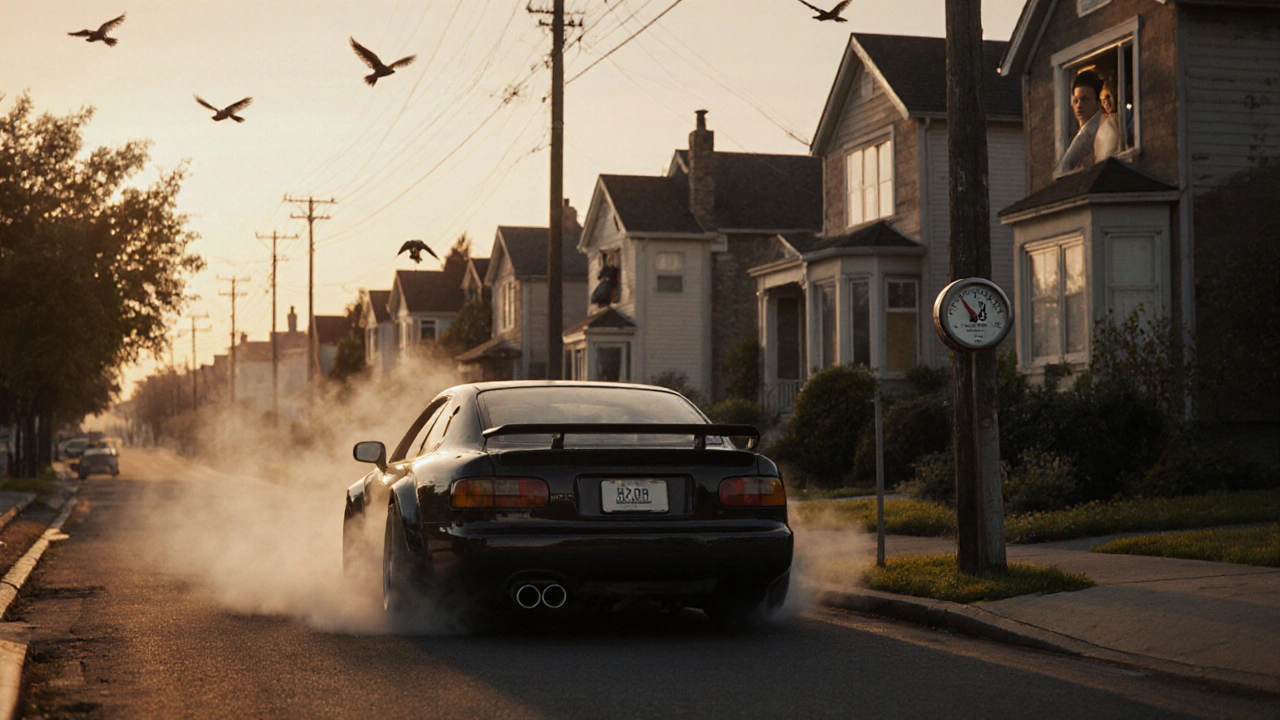
82 dB is the noise level where a custom exhaust shifts from sporty to disruptive. Learn what it really sounds like, why it matters legally, and how to choose a system that’s loud enough - without being illegal.