
If you want more grunt, a richer tone and a cooler look, a performance exhaust is the first upgrade most drivers reach for. It’s not just about loudness – a well‑chosen system can free up horsepower, improve throttle response and even help fuel economy. The biggest question is which type fits your car, budget and local laws.
Modern exhausts are engineered to reduce back‑pressure. Less resistance means the engine can breathe easier, so you feel a noticeable boost in low‑end torque and overall power. At the same time, the design of the muffler and pipe determines the sound. A straight‑through pipe will roar, while a chambered muffler gives a low‑rumble. Both affect how the car feels on the road.
Cost is a common worry. A custom exhaust can range from a few hundred pounds for a basic bolt‑on kit to a few thousand for a full‑tune, high‑flow system. Materials, brand reputation and labor all play a role. Knowing the price drivers help you plan, so you don’t get surprised at the shop.
Legal limits matter too. Many regions have strict noise and emission standards. If you’re in Australia, for example, check the local rules before fitting a MagnaFlow or Flowmaster system. Some mods can be street‑legal with simple bolt‑on parts, while others need a certification or a tune.
Start by deciding what matters most: raw power, a specific sound, or a balance of both. If you love a deep, aggressive tone, look at brands known for punchy mufflers. MagnaFlow offers smoother notes, while Flowmaster leans toward louder, raspy sounds. Compare the two to see which vibe matches your style.
Next, think about installation order. Many owners wonder whether to tune the ECU before or after the exhaust. A tune can maximize the flow gains of a new system, but you’ll still notice a lift in power even without it. If you’re on a tight budget, install the exhaust first and add a tune later.
Don’t forget everyday practicality. Some aggressive mufflers can annoy neighbours or trigger tickets. Legal‑friendly upgrades, like bolt‑on resonators or adjustable baffles, let you dial the sound up for weekends and tone it down for city driving.
Finally, read real‑world reviews. Articles on custom exhaust cost, sound comparisons and brand battles give you honest numbers and user feedback. Knowing what others faced helps you avoid pitfalls and pick a system that delivers the performance you want.
In short, a performance exhaust can transform your ride if you match the right type to your budget, sound preference and local regulations. Browse our guides, compare costs, check legal tips and decide whether MagnaFlow, Flowmaster or another brand fits your vision. Your car’s next upgrade is waiting – make it count.
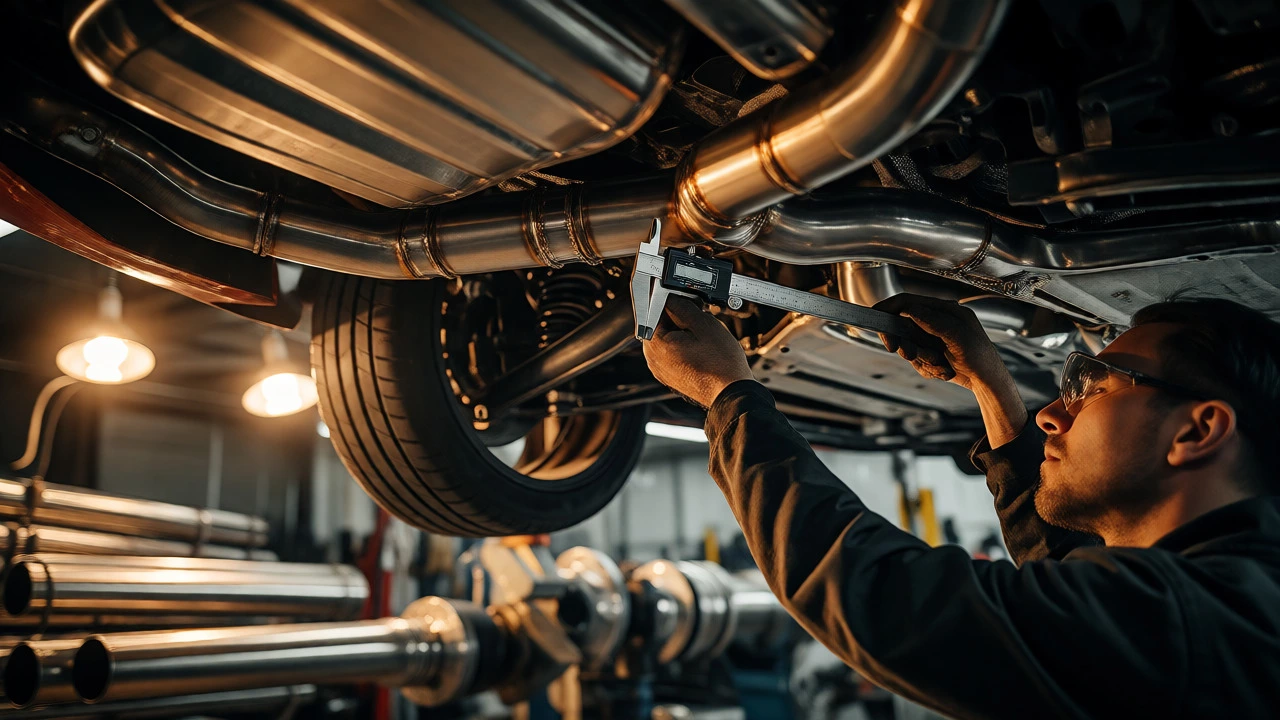
Discover the real cost of custom fabricated exhausts in 2026. Learn how materials, labor, and complexity impact pricing, with tips to save money without sacrificing quality.
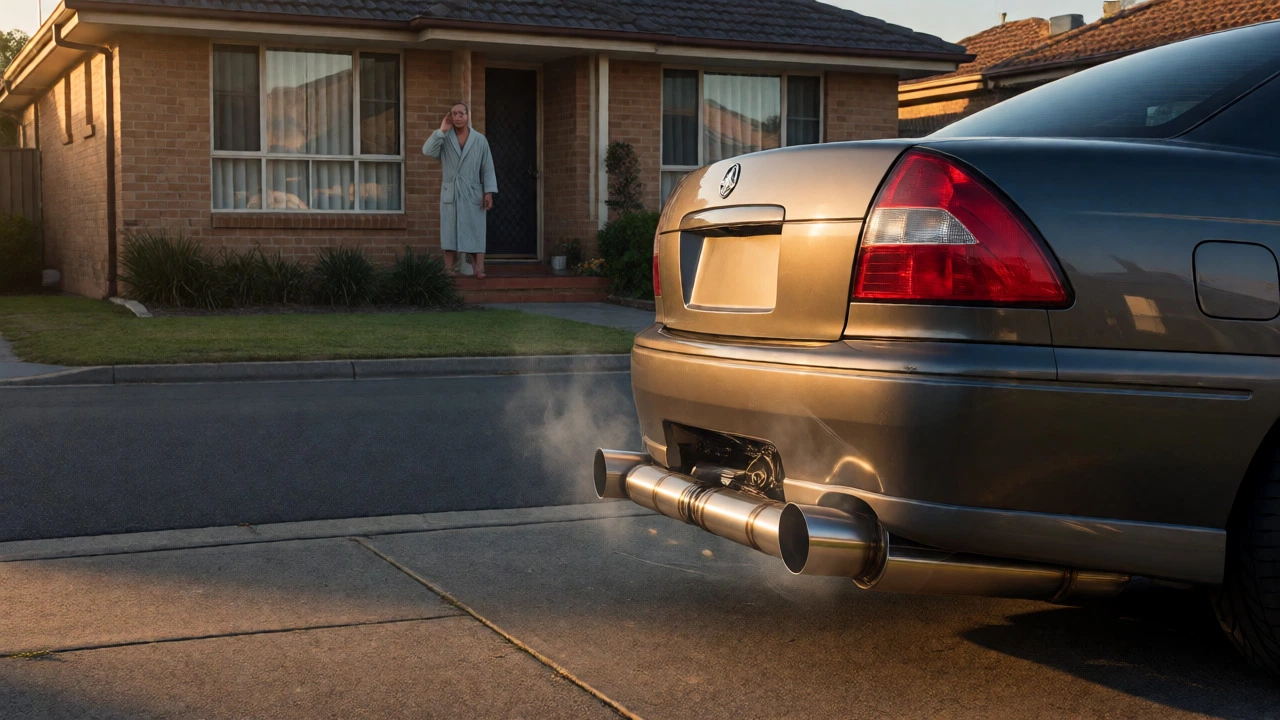
Worried about Cobra exhaust noise? We break down decibel levels, drone issues, and neighbor tolerance to help you choose the right system.
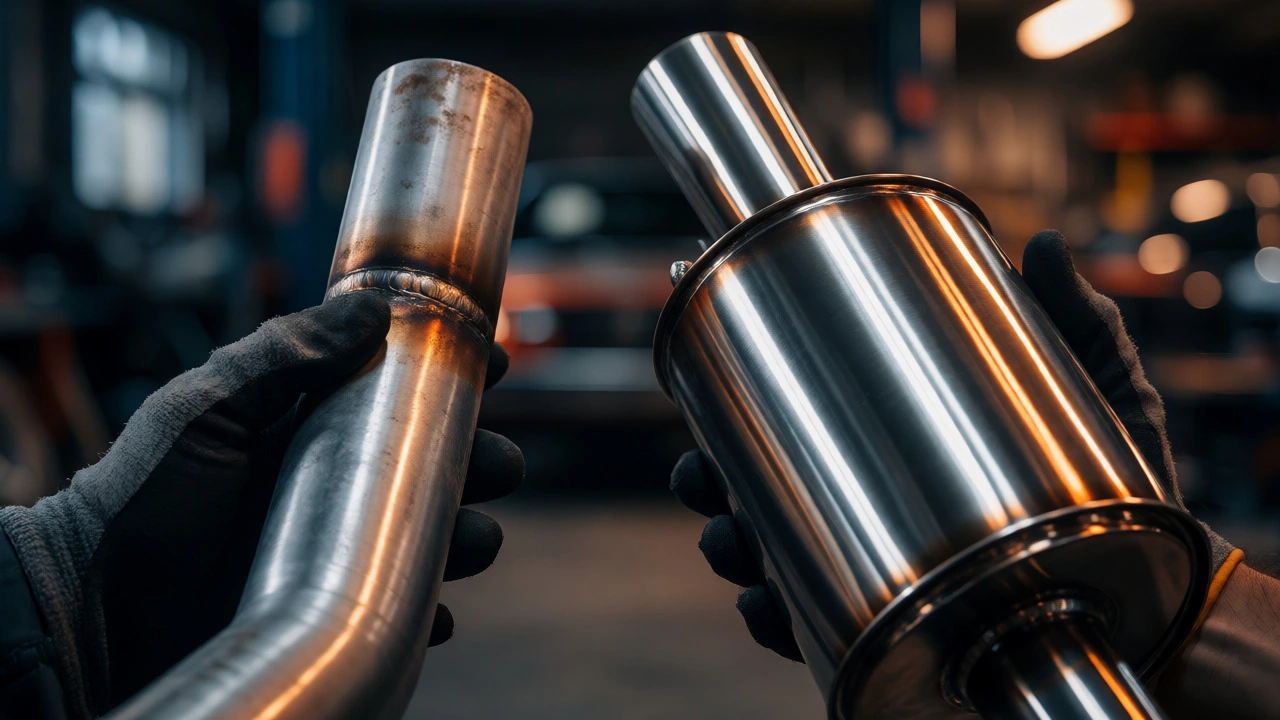
Confused by exhaust jargon? Learn how to choose the right custom exhaust for your car, balancing sound, performance, and legality.
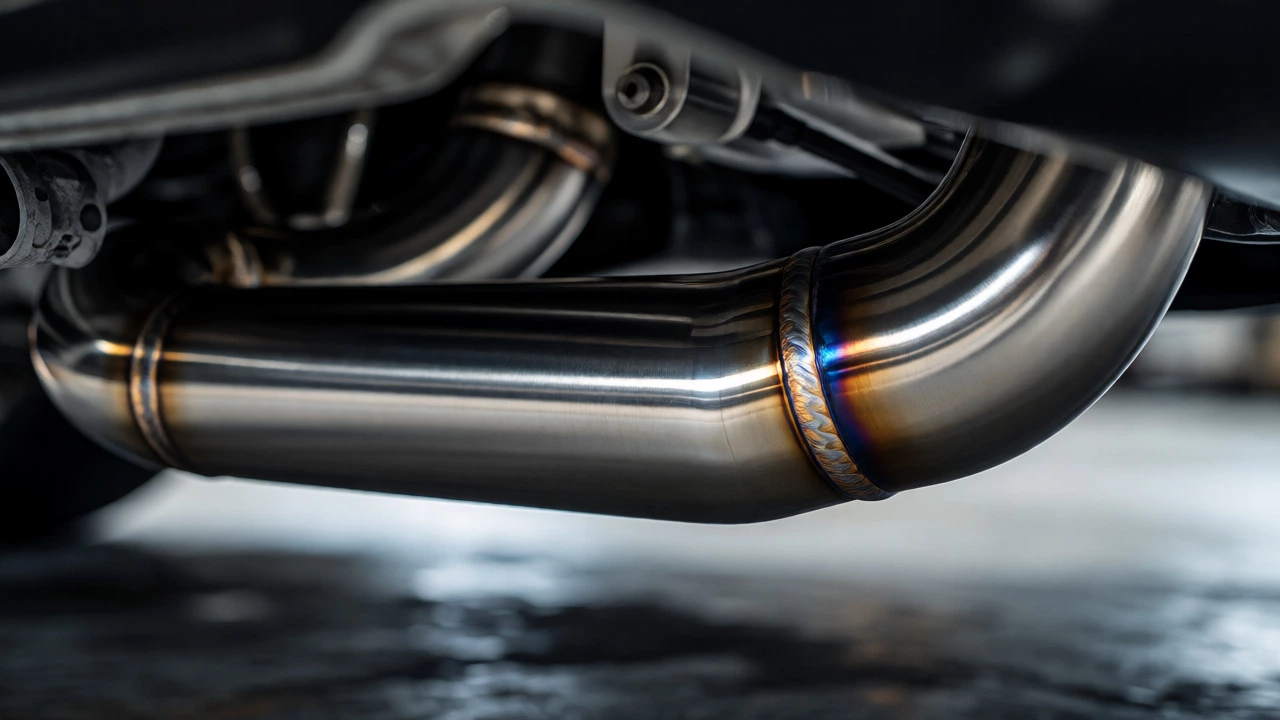
Discover how long a custom exhaust lasts based on material, environment, and maintenance. Learn why 304 stainless beats aluminized steel and how to prevent rust.
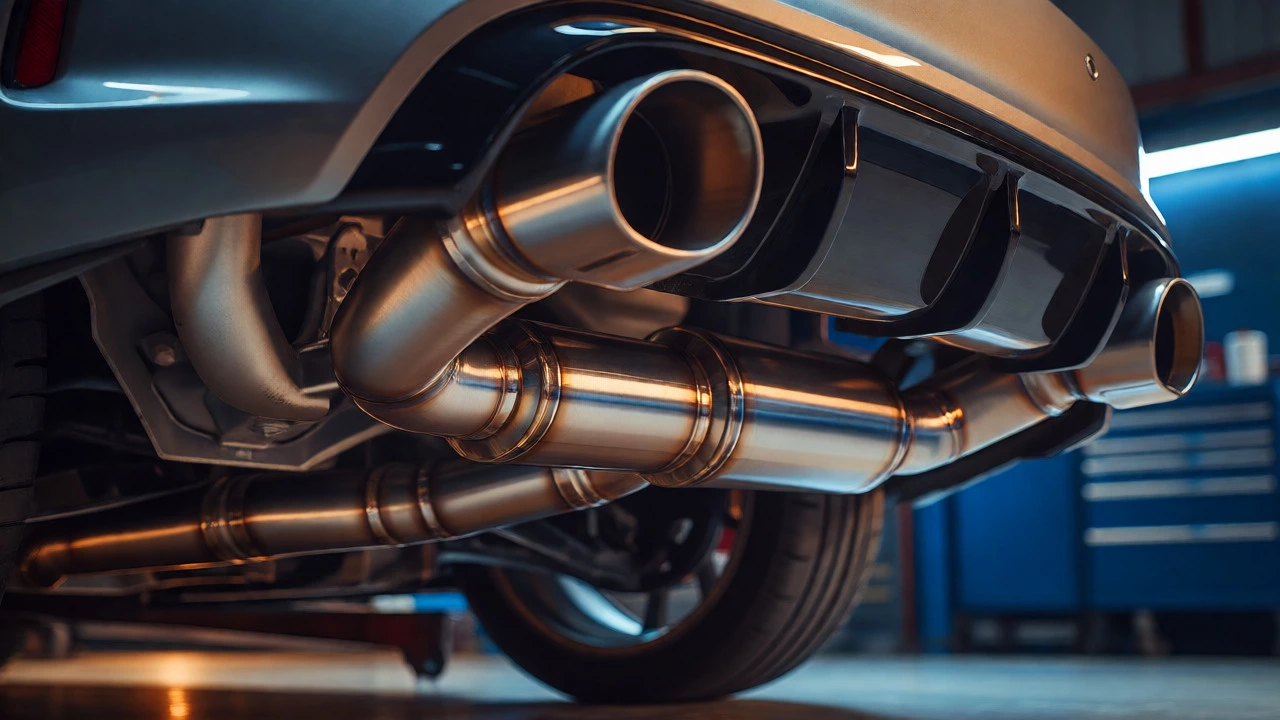
Discover what a custom catback exhaust is, how it differs from stock systems, and whether it adds real power or just noise. Learn about materials, installation pitfalls, and acoustic tuning.
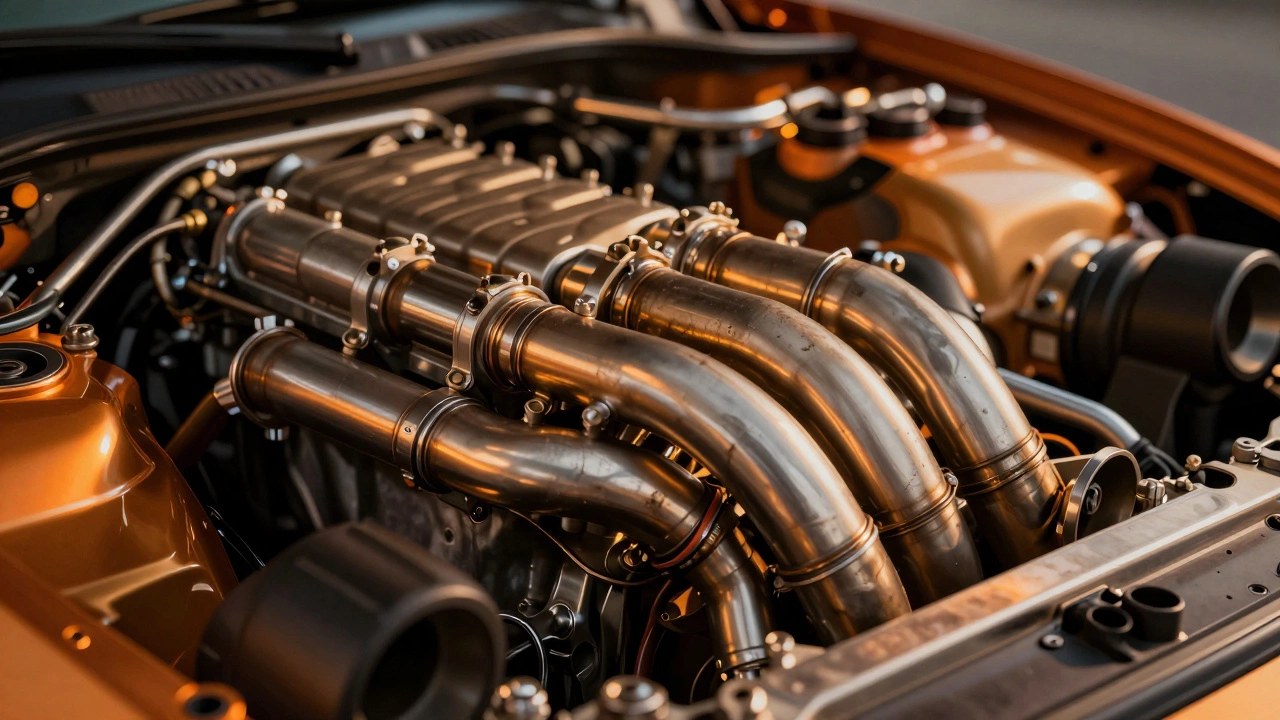
Find the perfect exhaust size for your 350 hp engine. Learn how pipe diameter affects torque, horsepower, and backpressure for both NA and turbo builds.
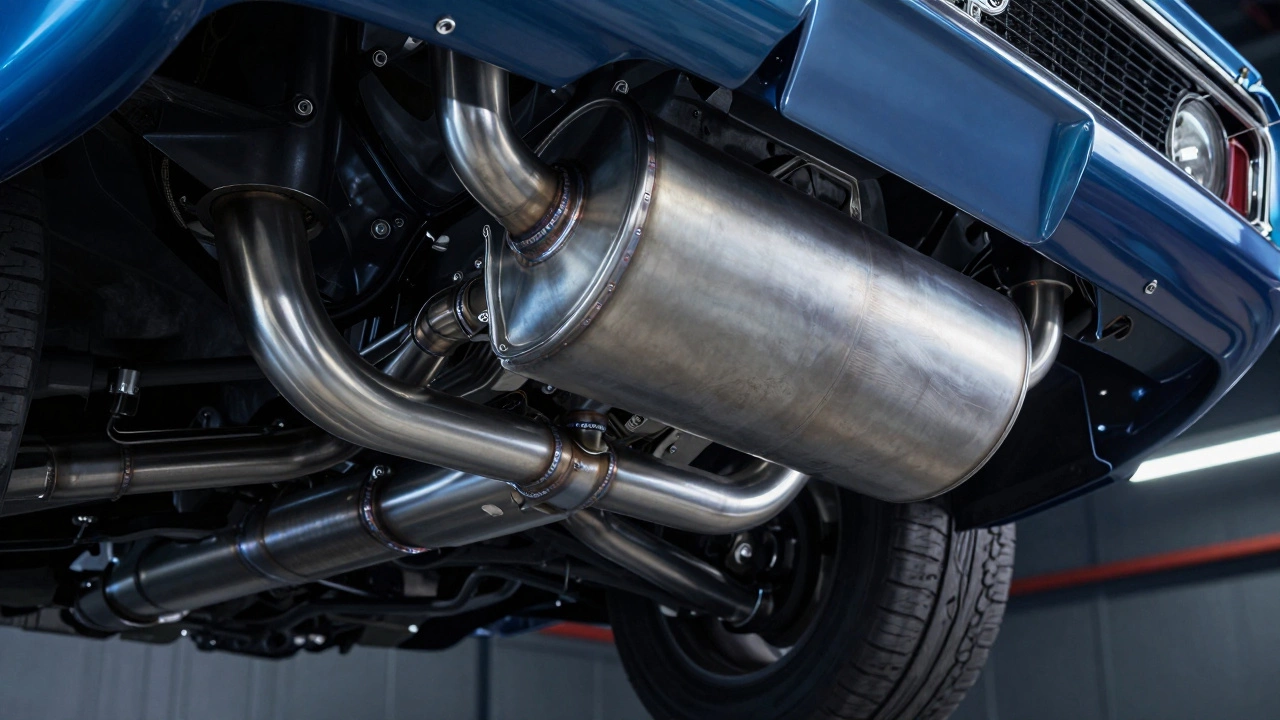
Discover how to achieve a deeper exhaust sound through proper pipe sizing, muffler selection, and resonator tuning. Avoid common mistakes like straight piping that leads to thin, high-pitched noise.

Ever wonder what a straight piped exhaust actually does? Learn how removing mufflers affects your car's sound, performance, and legal status in this guide.
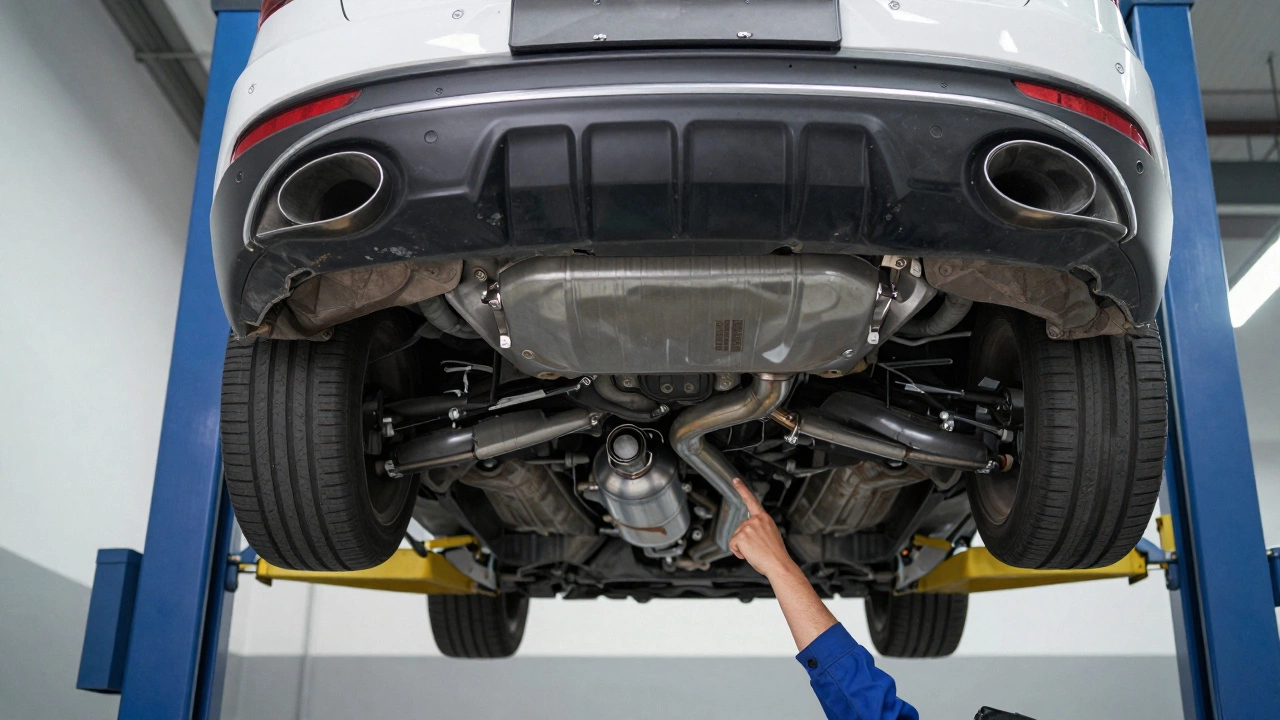
Wondering if a custom exhaust is right for your car? Learn about the different types, legal risks, and how to actually increase horsepower without losing torque.
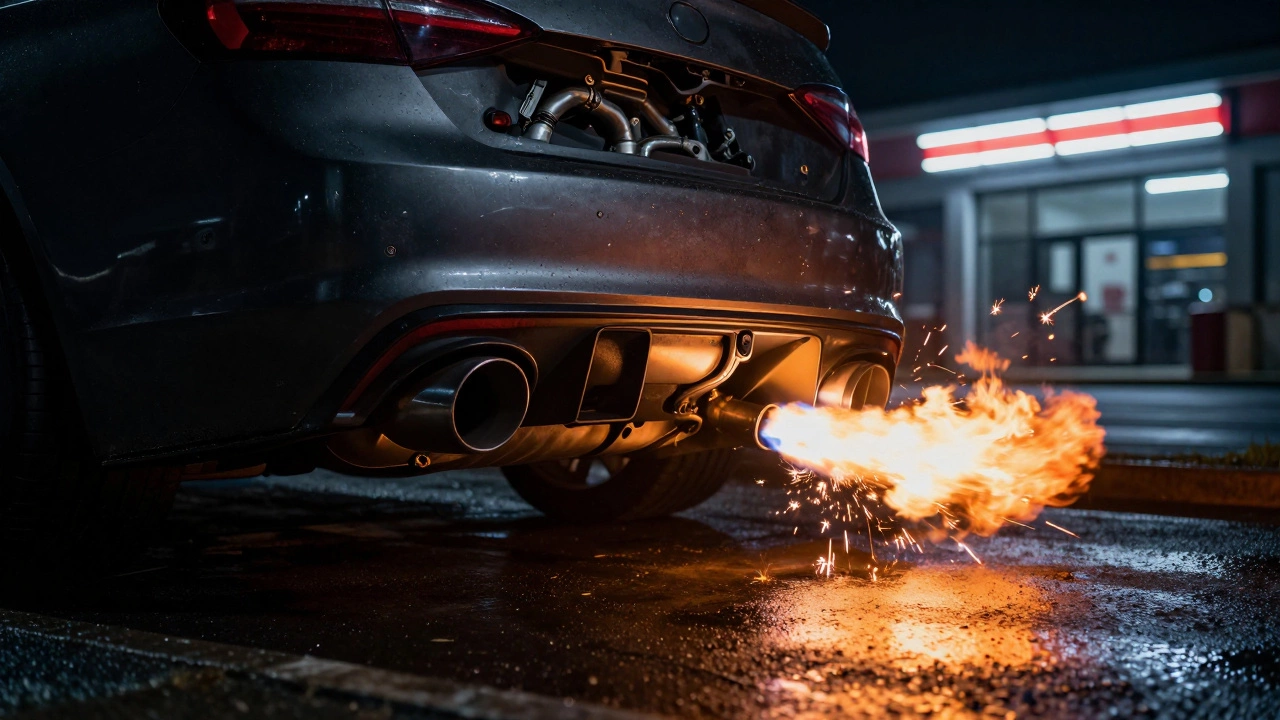
Exhaust backfire on custom exhausts isn't just loud-it can be dangerous. Learn what causes it, when it's harmful, and how to fix it before you damage your engine or get fined in Australia.

Learn how to safely make your exhaust pop flames with the right exhaust setup, fuel tuning, and ECU modifications. Understand the risks, costs, and legal issues in Australia.
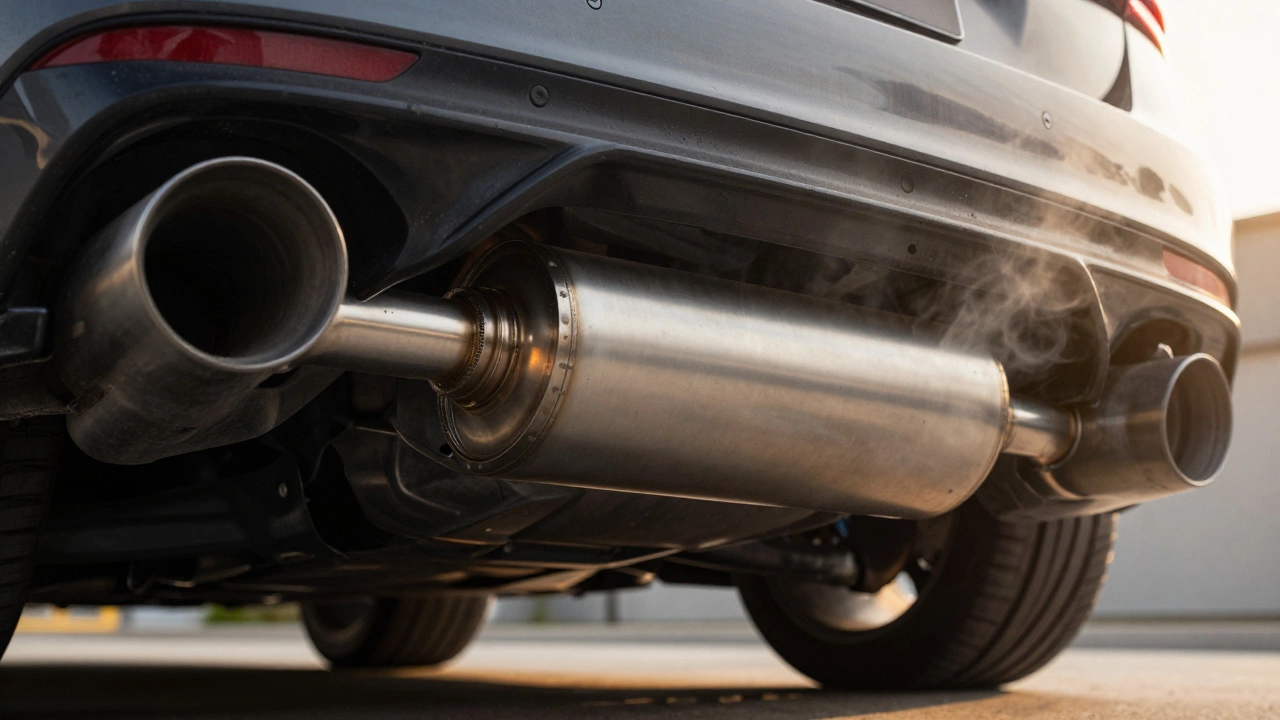
For a 400hp engine, the right exhaust size is usually 3 to 3.5 inches. Too small restricts flow; too big kills torque. Learn what works for turbo 4-cylinders, V6s, and V8s-and avoid common mistakes.