
When you’re upgrading your ride, alloy wheels, lightweight, stylish rims made from aluminum or magnesium alloys commonly used in modern cars. Also known as mag wheels, they’re one of the most noticeable—and valuable—parts of your car’s look. But if you’re trading them in or selling them separately, you’re not just selling metal. You’re selling condition, brand, size, and demand. Not all alloy wheels hold their value the same way. A set of 19-inch staggered rims from a luxury brand might fetch $800 used. A basic 17-inch set from a common model? Maybe $200. It all depends on what buyers are looking for.
What makes an alloy wheel worth anything on the resale market? First, wheel condition, the physical state of the rim including scratches, bends, corrosion, and curb damage matters more than you think. Buyers don’t want wheels with deep scuffs or bent lips—they’re not buying art, they’re buying functional parts. Even minor curb rash can cut value in half. Second, wheel size, the diameter and width of the rim, which affects compatibility and desirability plays a big role. Sizes like 18-inch and 20-inch are hot right now for SUVs and performance cars. Smaller sizes, like 15 or 16 inches, are cheaper and harder to sell unless they’re from a rare model. Third, brand, the manufacturer of the wheel, such as BBS, OZ, or OEM from BMW or Audi is a huge factor. Factory OEM wheels from luxury brands hold value better than generic aftermarket ones. People trust them to fit right and last longer.
And here’s the thing: most people selling alloy wheels don’t know what buyers are looking for. They clean them up, take a photo, and list them online. But if the wheels have been painted over, or if they’re missing center caps, or if they’re from a car model that’s no longer popular, they’ll sit there for months. The best sellers know to include the original lug nuts, mention the vehicle they came off of, and note any repairs done. Some buyers even want proof the wheels were balanced or checked for cracks. You don’t need a receipt—but you do need to be honest.
There’s also a legal side. Some wheels are stolen. Buyers are getting smarter. If you’re selling a set that came off a totaled car or one you didn’t buy yourself, you could get flagged. Always keep your receipts or trade-in paperwork. And don’t forget: some states or countries have rules about modifying wheel offsets or widths. Even if you’re just reselling, buyers might ask if the wheels are legal for their vehicle. It’s not just about looks—it’s about safety and compliance.
What you’ll find in the posts below are real-world stories from people who’ve sold, bought, or swapped alloy wheels. Some learned the hard way that a shiny finish doesn’t mean a safe wheel. Others made a profit by knowing exactly which brands and sizes were in demand. You’ll see what actually damages wheels over time, how to spot fake or refurbished ones, and why some people pay more for used wheels than new ones. Whether you’re looking to upgrade, sell off your old set, or just understand what makes these parts valuable, the answers are here—no fluff, no guesswork, just what works.
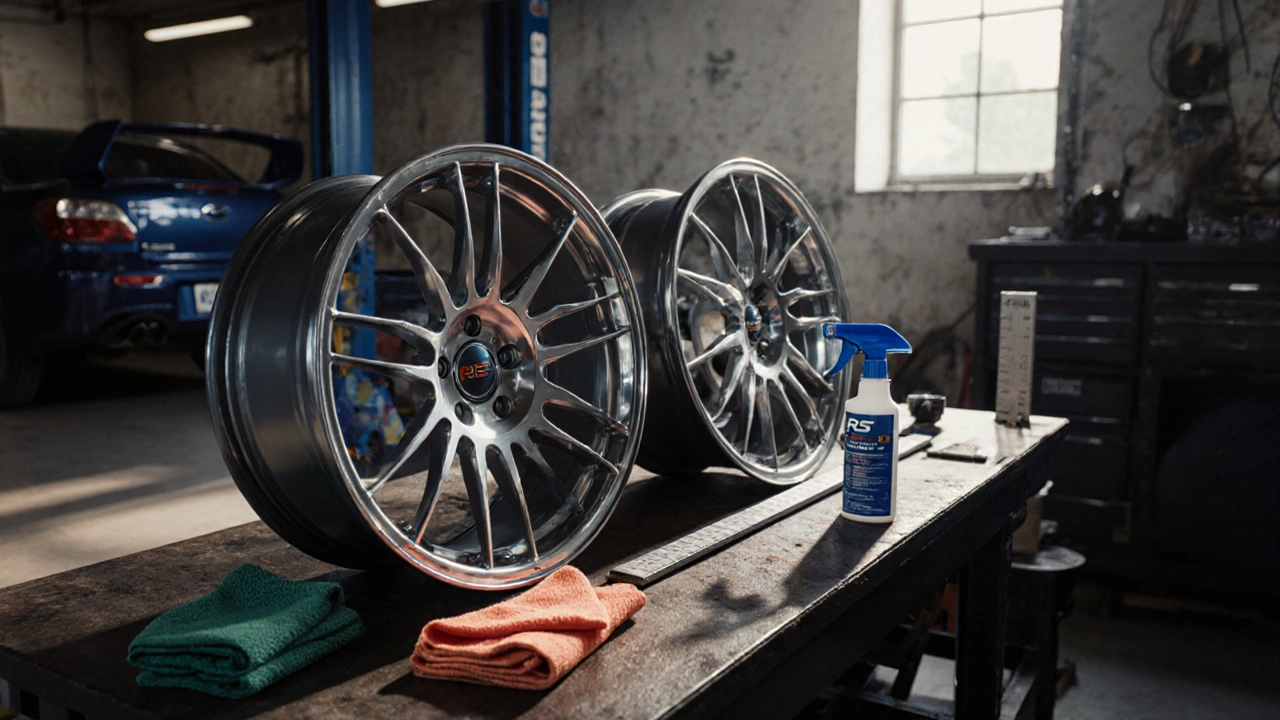
Alloy rims can be worth hundreds of dollars if they're clean and from a popular brand - but scrap value is low. Learn what makes them valuable, where to sell them, and how to get top dollar.