
Thinking about giving your car a wider stance or a fresh look? Wheels and spacers are the quickest way to change both style and performance. But a good upgrade starts with the right info, not just a cool picture on Instagram.
First off, ask yourself why you want spacers. If you need room for bigger brakes, a spacer can be a lifesaver. If it’s all about a wider track for better grip, you’ll look at different thicknesses. Most shoppers stick to 5‑10 mm; anything above that can start affecting steering feel.
Material matters too. Steel spacers are cheap and sturdy, but they add weight. Aluminum or billet‑aluminum spacers are lighter and look sleek, though they cost more. Whatever you pick, make sure the bolt pattern matches your hub – a mismatch can lead to vibrations or even a dangerous failure.
Installation isn’t rocket science, but you do need the right tools. Torque the lug nuts to the manufacturer’s spec, usually around 80‑100 Nm for most cars. Skipping this step can cause the wheels to loosen while you’re driving, which is a nightmare you don’t want.
One common question is whether you need an alignment after adding spacers. The short answer: yes. Even a small change in wheel position alters the suspension geometry, so a quick alignment keeps the tire wear even and the car stable.
Alloy wheels promise a lighter, sportier ride, while steel wheels bring durability and a lower price tag. If you’re after better handling, the reduced unsprung weight of an alloy set can shave a few tenths of a second off lap times. For daily drivers who face potholes, steel’s toughness can be a relief.
Cost is another factor. Alloy wheels often carry a premium because of the manufacturing process and material costs. You’ll see prices jump from a few hundred pounds for steel to over a thousand for high‑end alloys. Look for reputable brands and check reviews – a cheap alloy might crack after a few seasons.
Maintenance is simple for both: keep them clean, check the lug nuts, and replace worn bolts. However, alloys can be more prone to cosmetic damage like curb rash, while steel can rust if the paint chips.
Legal side note: wheel spacers are legal in many places, but some states or countries have limits on width or require a re‑inspection after installation. double‑check your local regulations before you hit the road.
Bottom line: match your goals with the right hardware. Want a sleek look and sharper cornering? Go alloy with modest spacers and get an alignment. Need rugged reliability and a tighter budget? Steel wheels with a small spacer set will do the trick.
Still unsure? Browse our articles on spacer safety, daily driving with spacers, and the real cost of alloy wheels. Each piece breaks down the jargon and gives you step‑by‑step tips you can use right now.
Upgrade confidently, keep the bolts tight, and enjoy the new stance you’ve earned. Your car will thank you with better looks and, most importantly, safer handling.
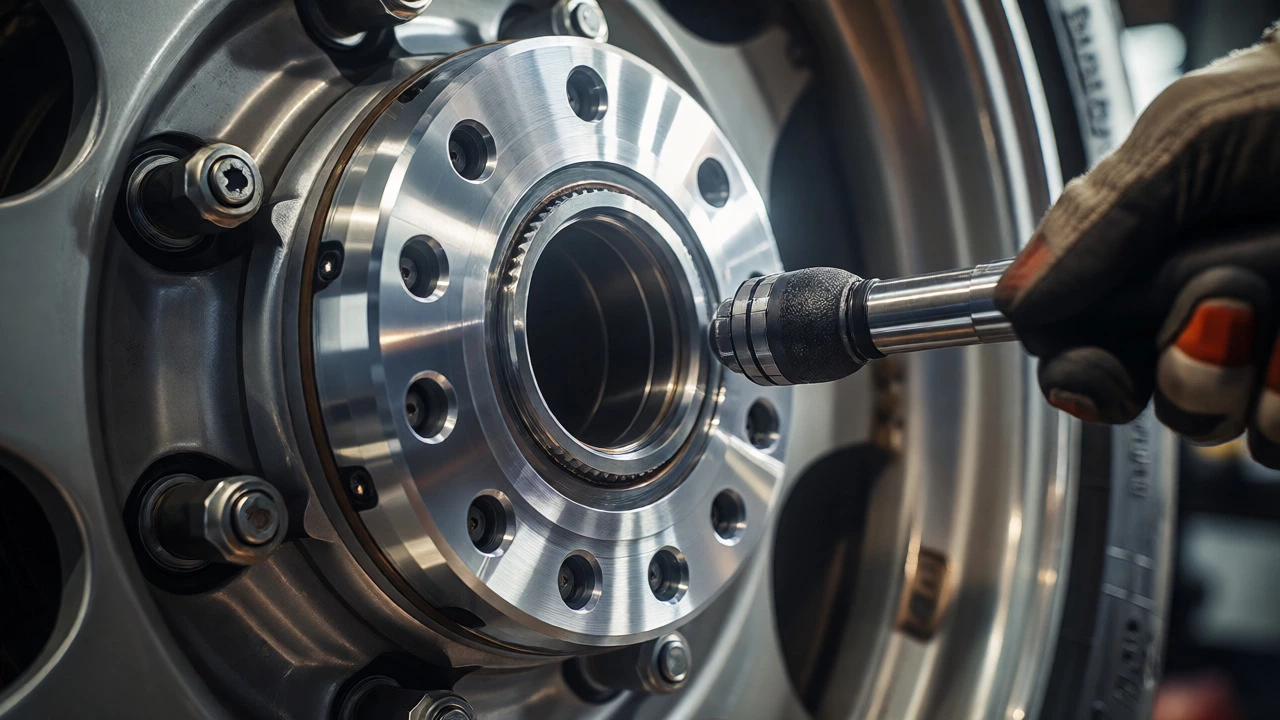
Discover if 2 inch wheel spacers are safe for your car. We cover hub-centric vs. lug-centric types, Australian legalities, handling impacts, and essential installation tips.
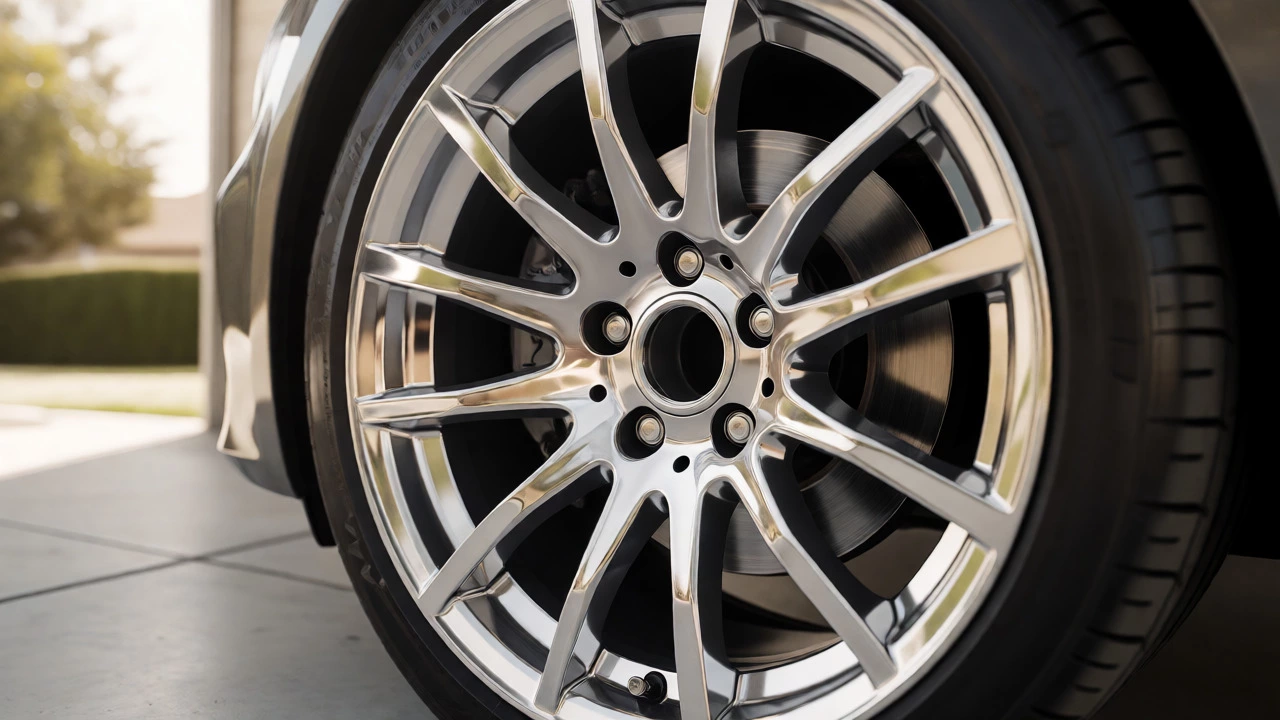
Discover the real lifespan of alloy wheels, from structural safety to cosmetic wear. Learn how cast vs. forged materials, road salt, and maintenance habits impact longevity. Get practical tips to make your rims last 15-20 years.

Discover if wheel spacers are safe at high speeds. Learn about hub-centric benefits, installation tips, and legal considerations for Australian drivers.
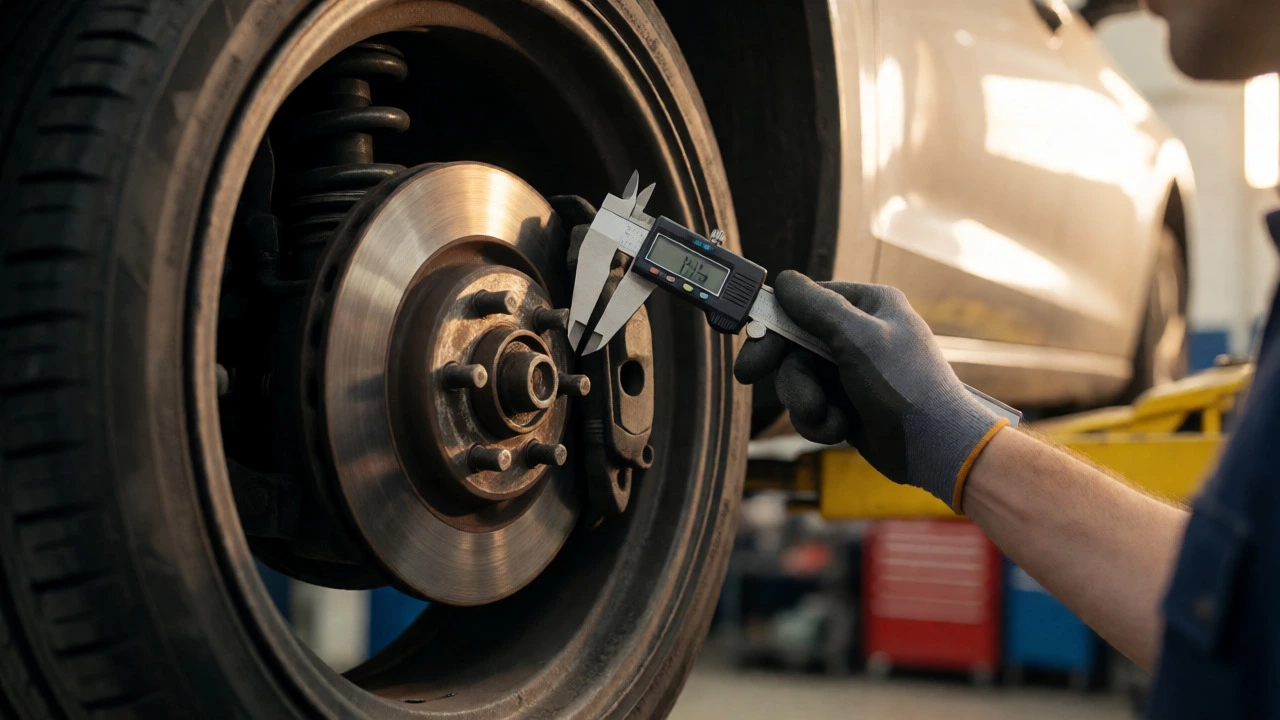
Discover the safe and legal limits for wheel spacer thickness. Learn how vehicle type, stud length, and local laws dictate what is allowable.
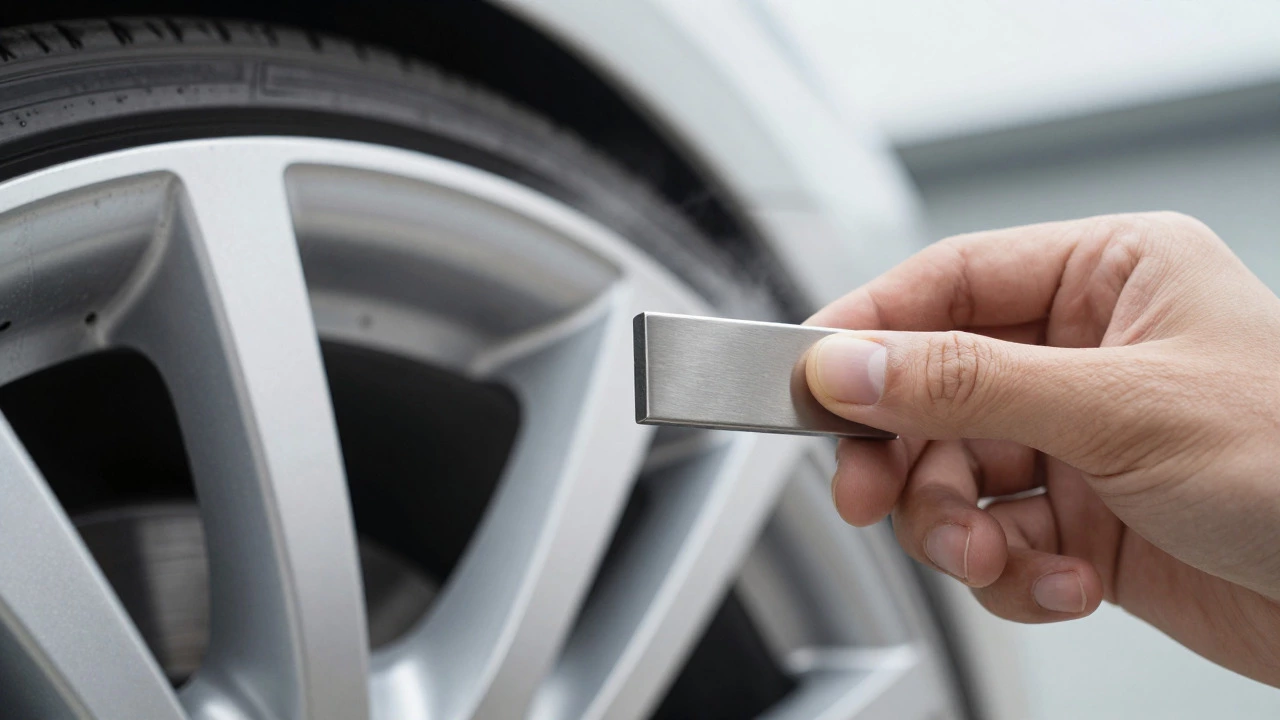
Confused by the term 'alloy wheels'? Learn why 'alloy' usually means aluminum in North America, how it differs from steel, and how to identify the real material before you buy.
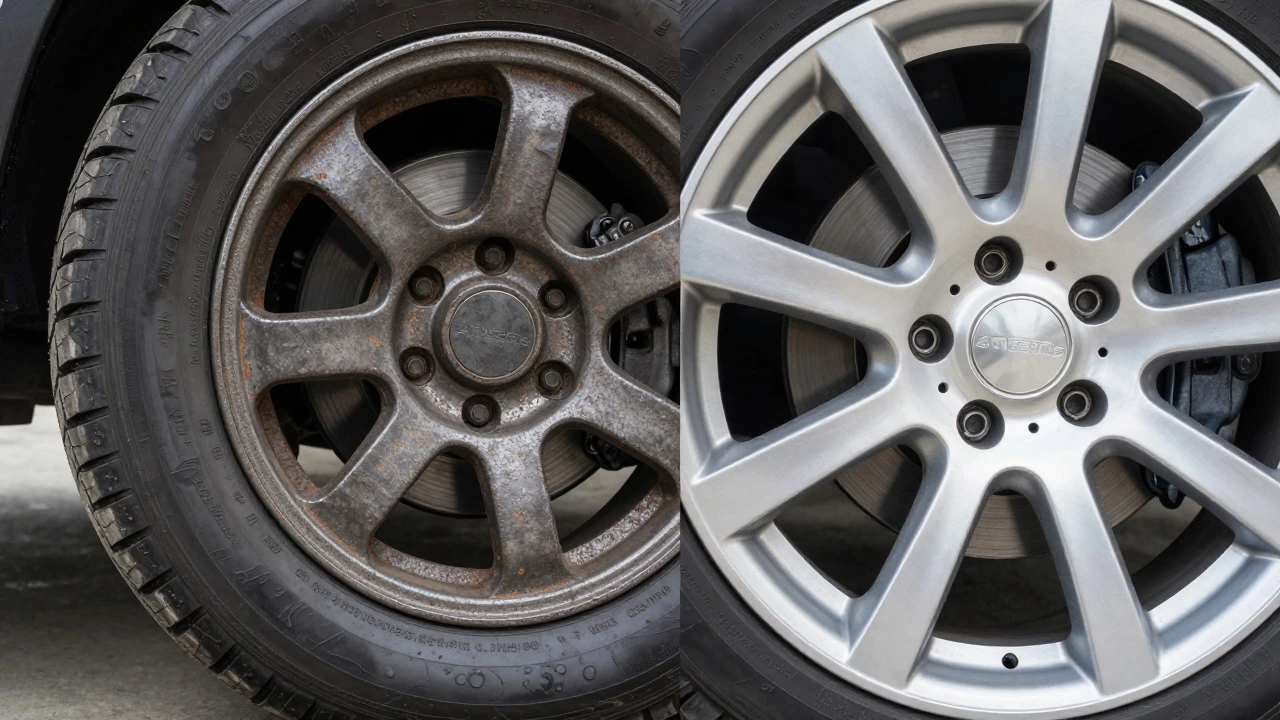
Discover whether alloy wheels or steel rims are better for your car. We compare weight, durability, cost, and performance to help you choose the right option.
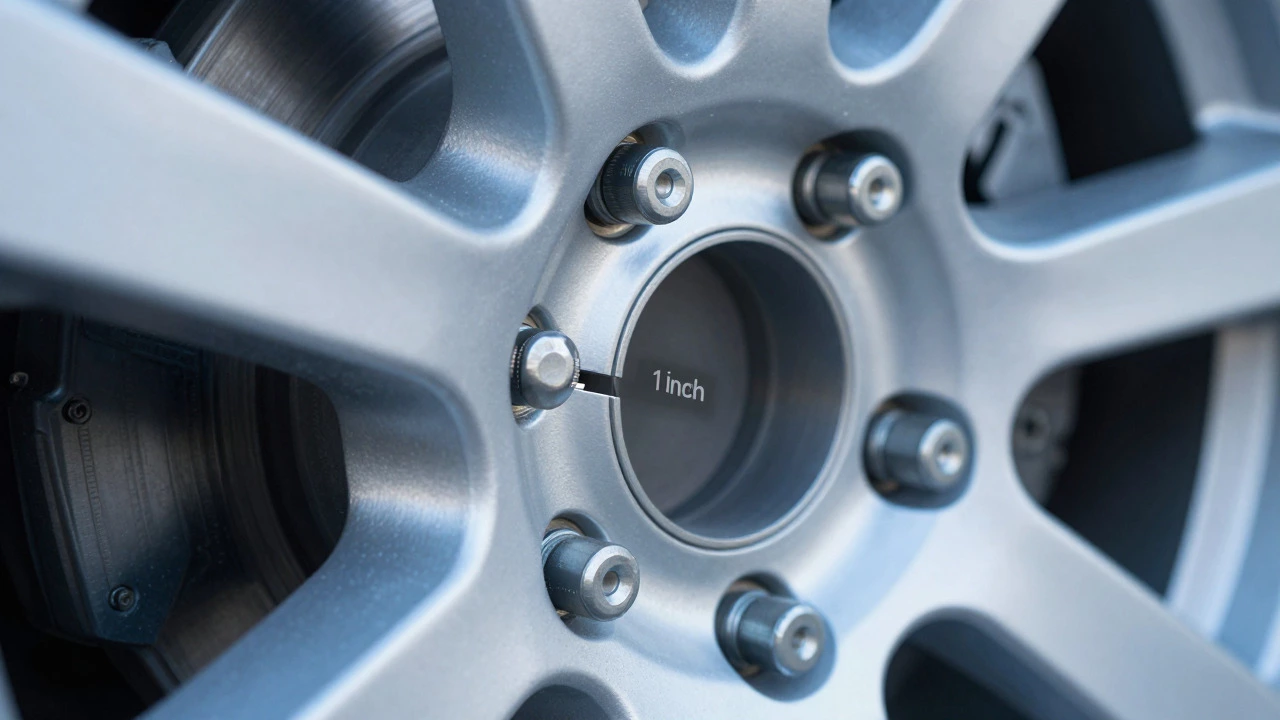
A 1-inch wheel spacer changes offset by 25.4mm, not 1 inch. Learn the math, safety risks, and installation tips for widening your track width correctly.
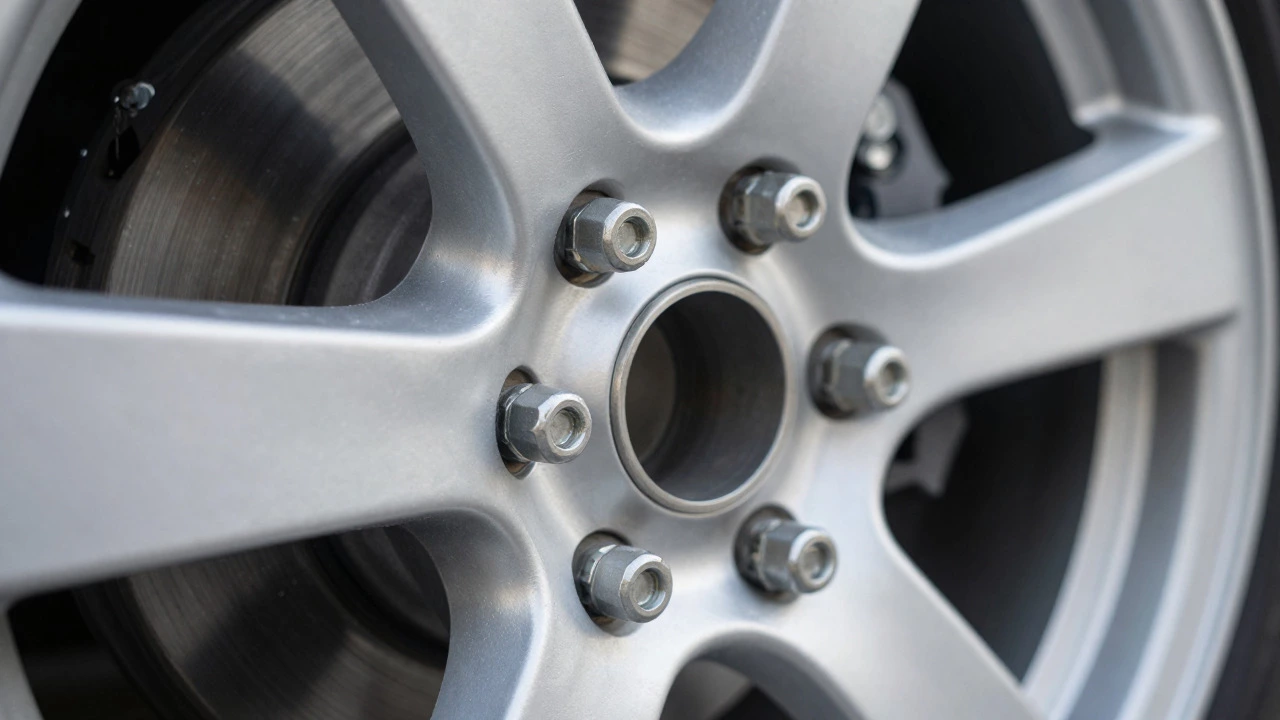
Discover if wheel spacers ruin your gas mileage. Learn how weight, rolling resistance, and aerodynamics impact MPG, plus tips to minimize fuel loss while keeping your custom look.
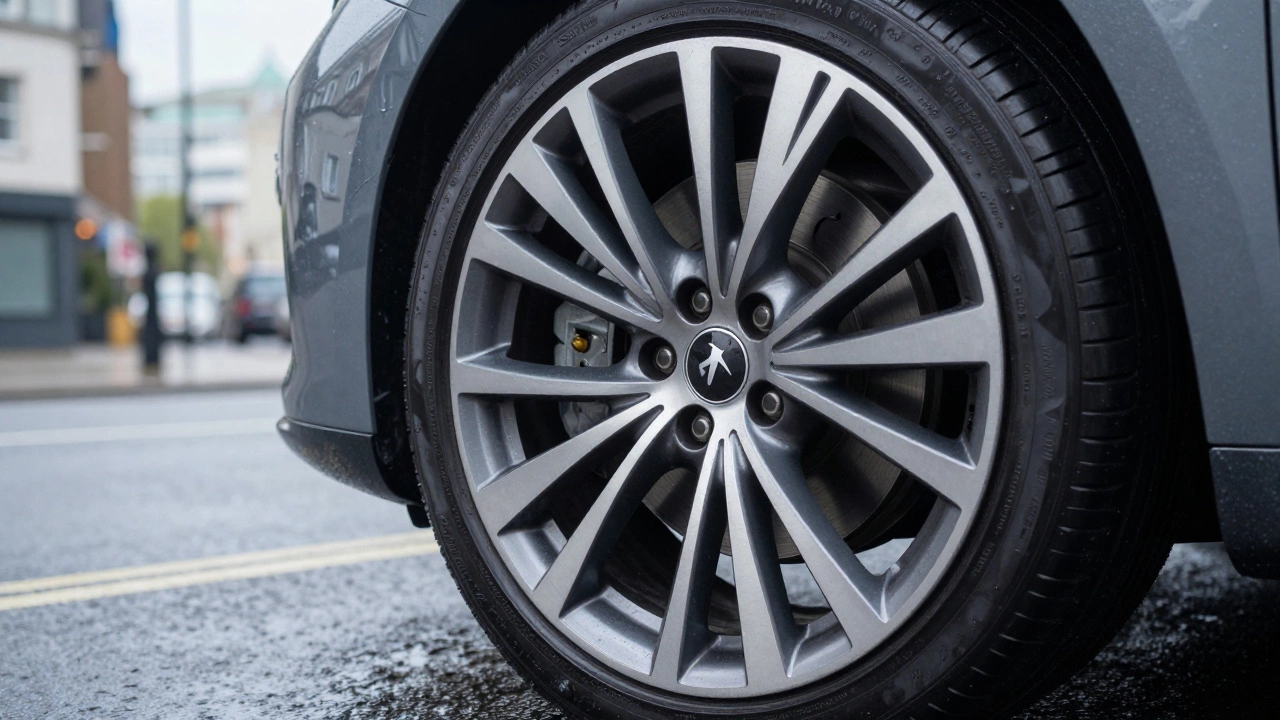
Discover why alloy wheels dominate the market. From reduced unsprung mass to better heat dissipation, learn how they boost performance, fuel efficiency, and style compared to traditional steel wheels.
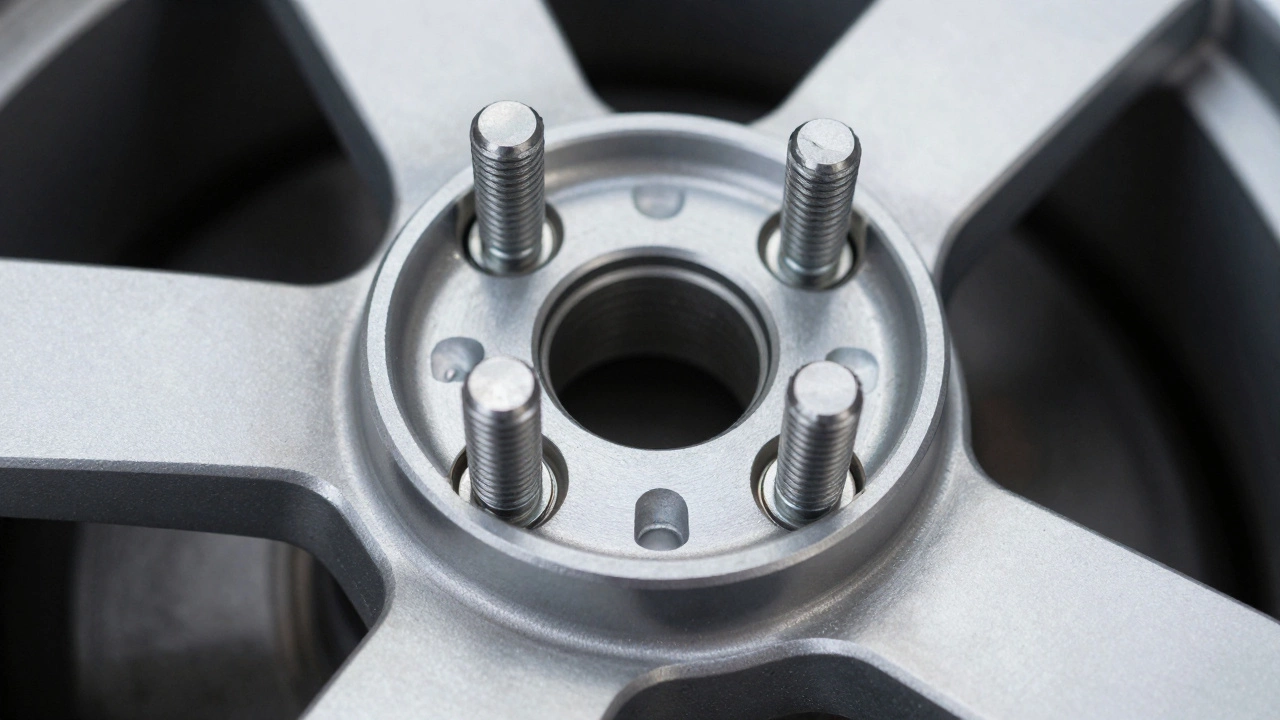
Discover if 2-inch wheel spacers are safe for your vehicle. Learn about mechanical risks, installation tips, and alternatives to avoid costly damage.
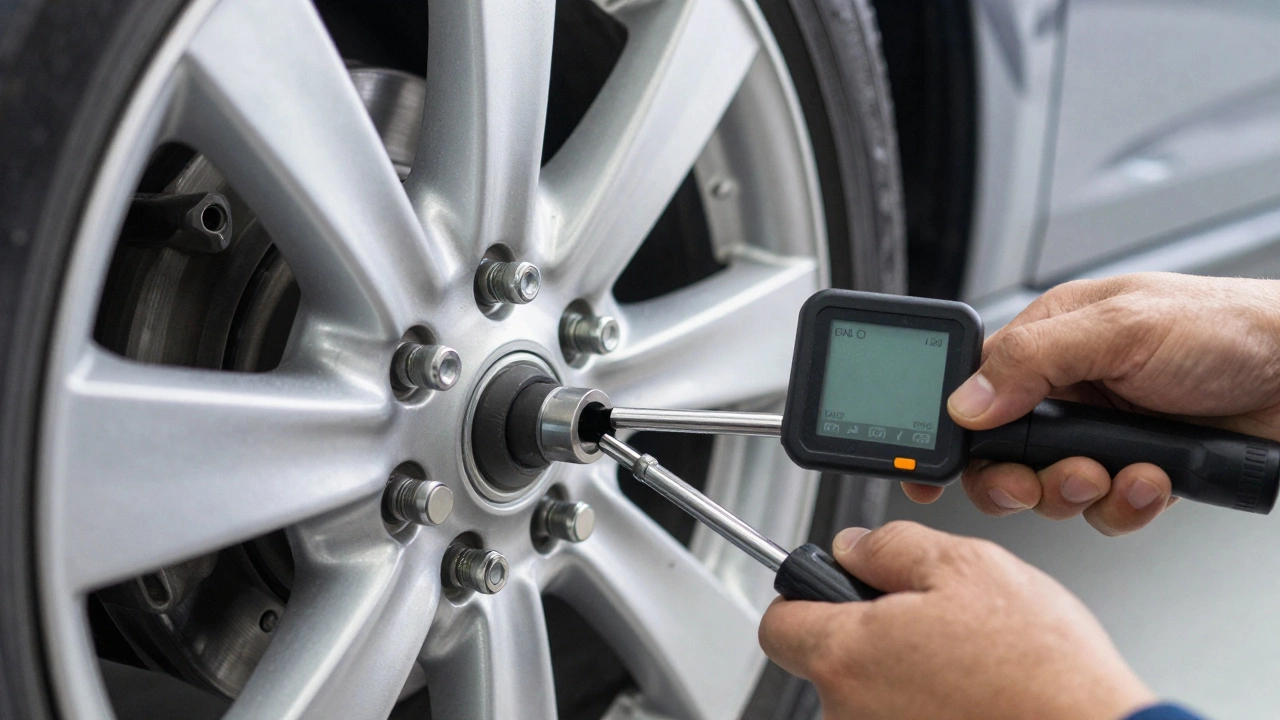
Discover how far you can safely drive on wheel spacers. Learn the critical 50-mile break-in period, torque schedules, and signs of failure to ensure long-term safety.
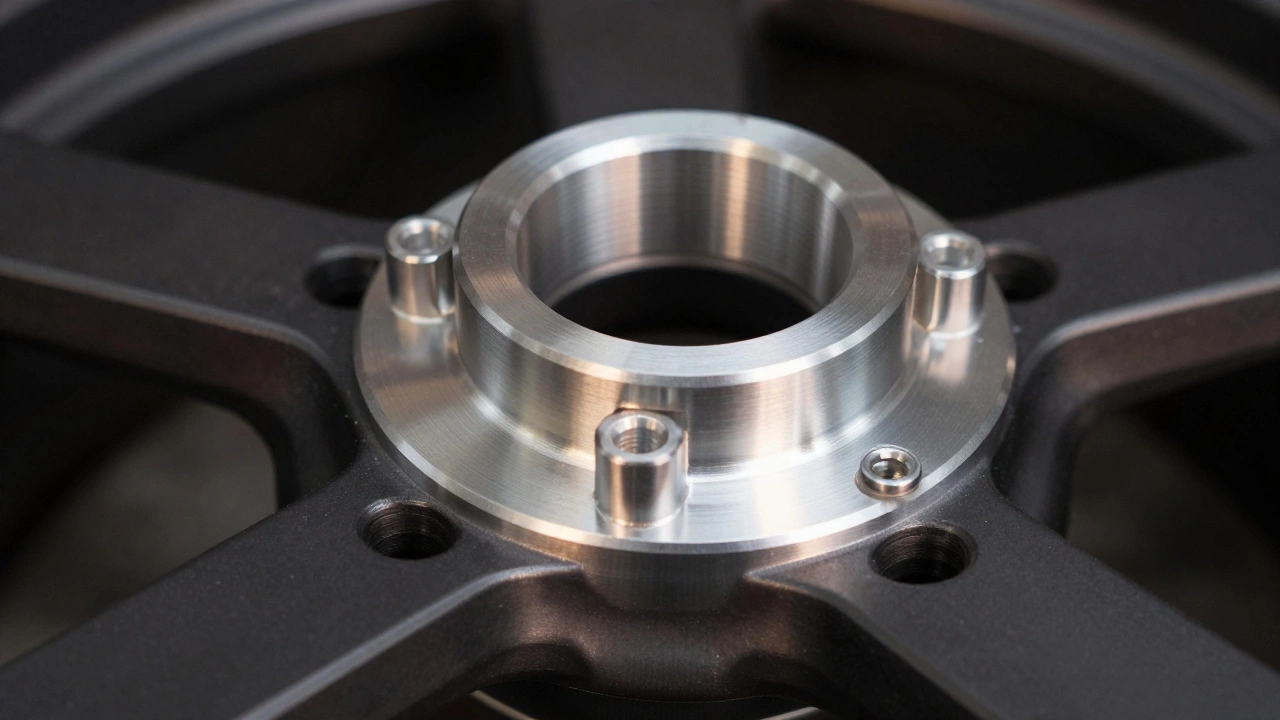
Discover if 1-inch wheel spacers are safe for your car. Learn about hub-centric design, material quality, installation tips, and risks to ensure secure fitment.