
When you see a car with shiny alloy wheels, lightweight wheels made from aluminum mixed with other metals like magnesium or nickel, commonly used for performance and style. Also known as lightweight wheels, they’re a popular upgrade for drivers who care about looks, handling, and how their car responds on the road. But here’s the real question: are they worth the money? You’re not just paying for how they look—you’re paying for weight, heat dissipation, and durability. Steel wheels are cheaper and tougher, but they’re heavier. That extra weight doesn’t just slow you down—it affects braking, cornering, and even fuel economy. A set of alloy wheels can cut unsprung weight by 20% or more, which means your suspension works better, your tires grip tighter, and your car feels more connected to the road.
That’s why performance drivers and enthusiasts pick them. But it’s not just about speed. Alloy wheels also run cooler. Brakes generate a ton of heat, and steel wheels trap it. Alloy wheels, especially ones with open designs, let air flow through and cool your brakes faster. That’s not just a nice-to-have—it can mean the difference between smooth stops and brake fade on a long drive or a twisty backroad. And if you’ve ever looked at a rusted steel wheel next to a clean alloy one, you know why people care about corrosion resistance. Salt, road grime, and moisture don’t eat through alloys the same way they eat steel. That’s why even daily drivers notice a difference after a few winters.
But here’s the catch: not all alloys are created equal. Cheap cast alloys can crack under heavy loads or potholes. Forged alloys are stronger, lighter, and more expensive—but they’re also the kind you see on race cars. Then there’s the finish. Painted, polished, machined—each has its own upkeep. A polished alloy looks stunning, but it needs regular cleaning. A painted one hides scratches better but can chip. And if you’ve ever seen a bent alloy wheel, you know they don’t bend like steel—they crack. That means repairs aren’t always possible, and replacements can cost hundreds.
So is the alloy wheel worth it? If you drive often, care about handling, or just hate looking at rusted wheels, then yes. But if you’re on a tight budget, drive mostly on rough roads, or don’t mind the extra weight, steel might still make sense. The real value isn’t in the shiny surface—it’s in how they change the way your car drives, stops, and holds up over time. Below, you’ll find real-world tests, cost comparisons, and stories from drivers who’ve been there—some regretting the upgrade, others saying it was the best change they ever made.
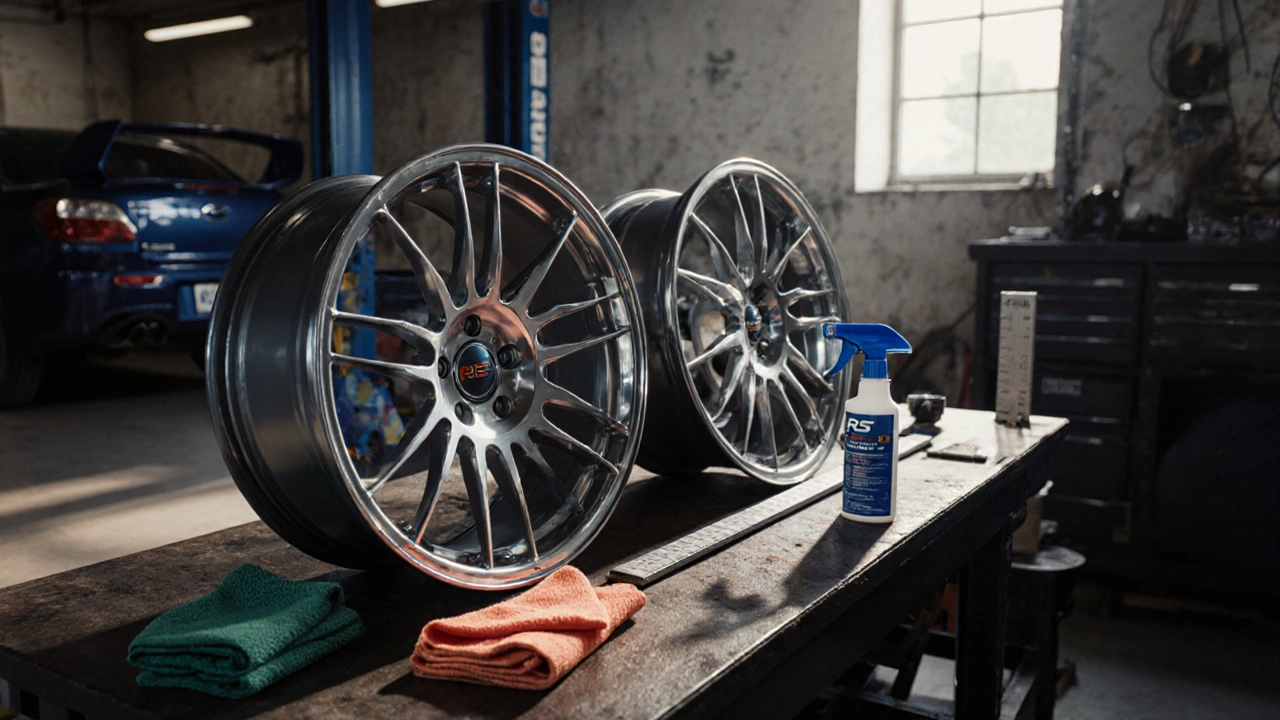
Alloy rims can be worth hundreds of dollars if they're clean and from a popular brand - but scrap value is low. Learn what makes them valuable, where to sell them, and how to get top dollar.