
When you buy a body kit, a set of aftermarket panels designed to change a car’s appearance and sometimes aerodynamics. Also known as car body kit, it can turn an ordinary sedan into a track-ready machine—or turn it into a liability if it doesn’t fit right. Too many people assume any body kit will bolt on like a Lego set. It won’t. Fitment isn’t about style—it’s about precision. A kit that doesn’t align with your car’s factory lines won’t just look bad; it can create gaps that trap water, cause rust, or even interfere with suspension movement.
Real body kit fitment depends on three things: your car’s make and model, the kit’s design origin, and whether it’s made for stock or modified suspensions. A kit made for a lowered Civic won’t fit a stock one without major trimming. And if your car has wheel spacers or aftermarket wheels, that changes the clearance needed for fender flares. Wheel spacers, metal or composite discs that push wheels outward to improve stance and handling can throw off body kit alignment, especially if they’re thicker than 10mm. That’s why many professional installers check suspension geometry before even unboxing a kit. And don’t forget aftermarket body kit, custom parts sold as universal or vehicle-specific upgrades—universal kits often require hours of cutting, grinding, and bonding. Vehicle-specific ones cost more but save you time, headaches, and paint damage.
Some kits promise a race look but ignore real-world driving. A front splitter that scrapes on every driveway. Side skirts that rub on speed bumps. Rear diffusers that get shredded on steep driveways. These aren’t just annoyances—they’re safety risks. If your kit interferes with airflow to the brakes or blocks sensors, you’re not styling your car—you’re compromising it. The best fitment doesn’t scream for attention. It looks like it was always meant to be there. That means matching factory curves, respecting factory tolerances, and testing fit before final installation.
What you’ll find below isn’t a list of the flashiest kits. It’s a collection of real experiences—people who installed kits, made mistakes, learned what actually works, and shared the details so you don’t repeat their errors. From how much trimming is too much, to why some kits require drilling into the frame, to which brands actually deliver on fitment promises—you’ll see the unfiltered truth behind the hype. No fluff. No marketing spin. Just what happens when you take a body kit off the shelf and try to make it fit your car.
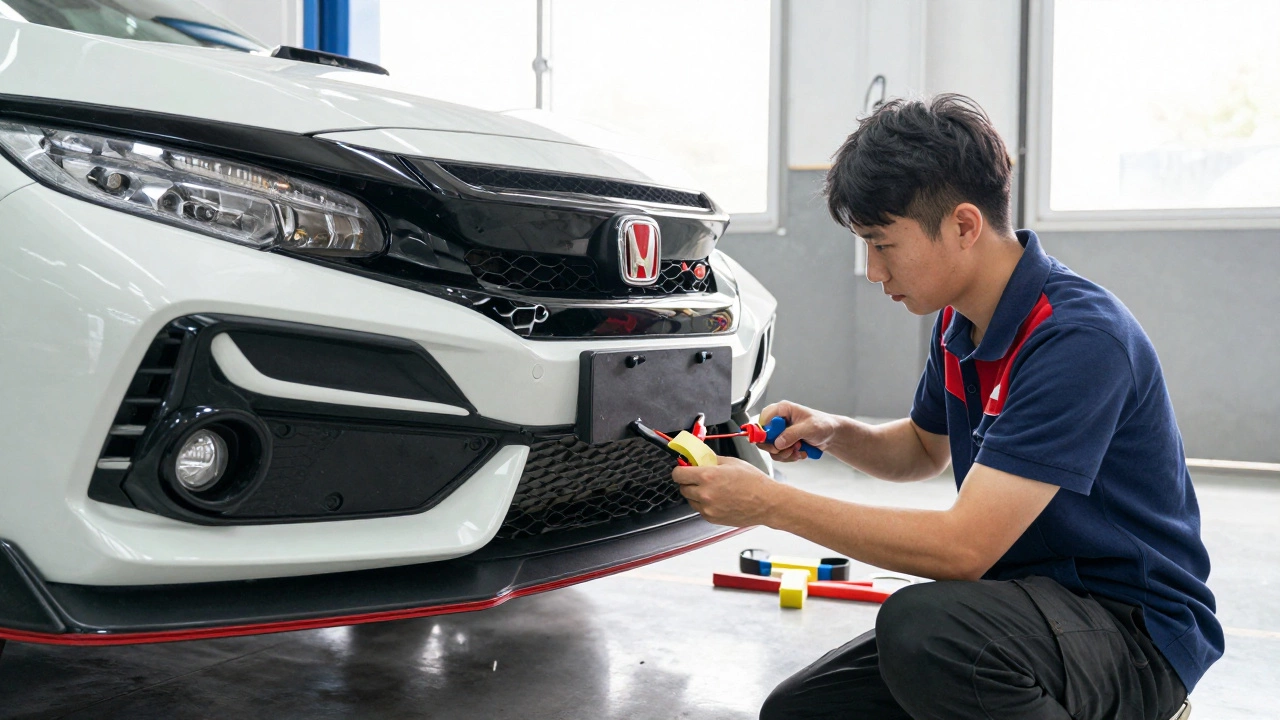
Body kits can be easy to install if you pick the right type and prepare properly. Clip-on kits work for beginners, but full replacements need skill. Learn what tools, time, and planning you really need.