
When you hear a car roll by with a deep, rumbling car exhaust sound, the audible result of how engine gases exit the vehicle, shaped by the exhaust system’s design and components. Also known as an exhaust note, it’s not just noise—it’s personality. A good exhaust sound tells you something about the car’s tune, its power, and even the driver’s taste. But not all loud exhausts are created equal. Some are the result of a well-tuned performance exhaust, a modified system designed to improve flow, increase power, and change the tone of the engine’s output. Others? They’re just broken mufflers with holes, rattling like a tin can on a chain.
The real difference comes down to three things: the muffler, a component inside the exhaust system that reduces noise by absorbing sound waves through chambers and packing material, the exhaust system, the full path engine gases take from the cylinder to the tailpipe, including pipes, resonators, and tips, and how everything is tuned together. A straight-through muffler gives you that aggressive, raw bark. A chambered muffler adds depth and richness without being obnoxious. And a stock system? It’s designed to be quiet, not impressive. Most people don’t realize that the shape of the tailpipe, the length of the pipes, and even the engine’s RPM range affect how the sound travels and what you actually hear inside the cabin.
Legality is another layer. In the UK, exhaust noise is regulated under the Road Vehicles (Construction and Use) Regulations. If your exhaust is louder than the original manufacturer’s version, you risk failing an MOT or getting pulled over. Police don’t care if it sounds "cool"—they care if it’s disruptive. Many aftermarket systems claim to be "street legal," but that’s often just marketing. Real street legality means matching or staying close to the factory sound profile, not adding a resonator delete and calling it a day.
What you’re really chasing isn’t just volume—it’s character. A deep, throaty growl at idle. A crisp crackle on downshifts. A sustained roar under full throttle. Those aren’t accidents. They’re the result of careful engineering, material choice, and tuning. And that’s exactly what the posts below cover: real-world examples of what works, what doesn’t, and what gets you noticed for the right reasons—or the wrong ones.
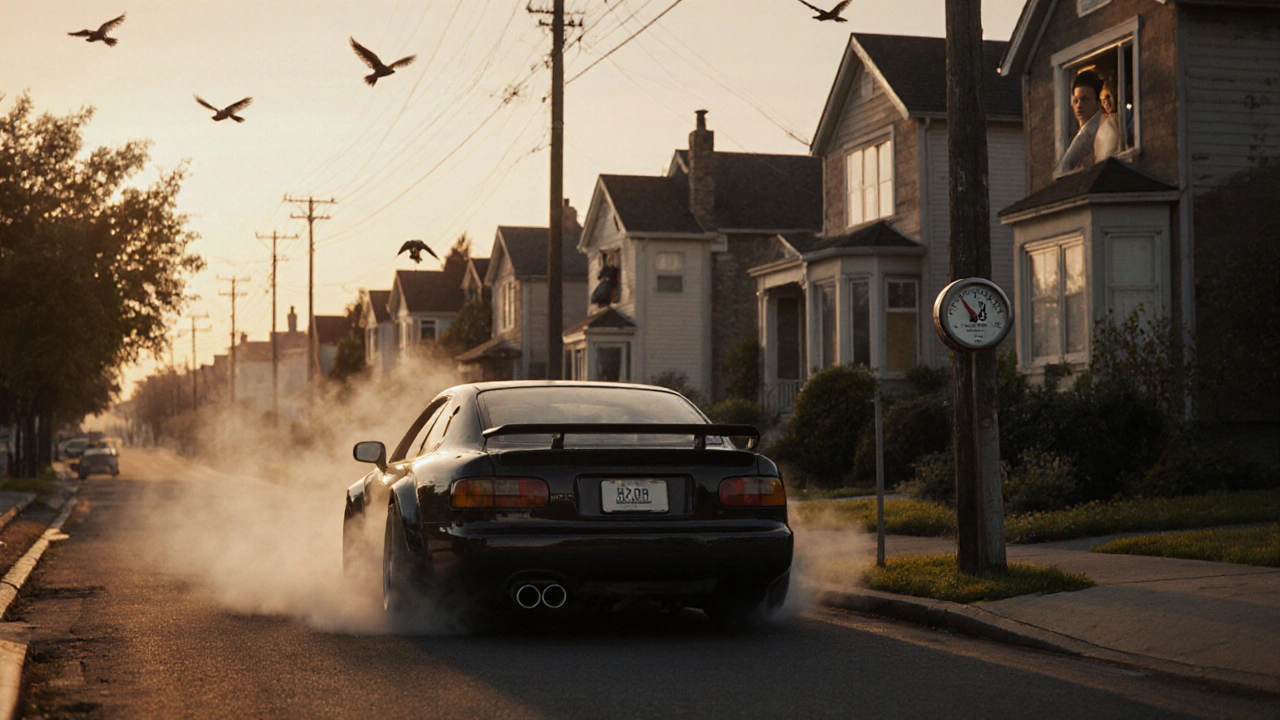
82 dB is the noise level where a custom exhaust shifts from sporty to disruptive. Learn what it really sounds like, why it matters legally, and how to choose a system that’s loud enough - without being illegal.