
When you buy a DIY body kit, a set of aftermarket panels designed to change a car’s outer shape for style or aerodynamics. Also known as aftermarket body kit, it can turn an ordinary car into something that stands out — if it’s installed right. But here’s the thing: most people skip the hard parts. They see a sleek kit online, order it cheap, and assume it just bolts on like a new bumper. It doesn’t. A DIY body kit isn’t just about looks — it’s about fit, function, and whether your car can even handle it.
What you’re really buying isn’t plastic or fiberglass — it’s a project. A aftermarket body kit, a set of panels designed to replace or add to a car’s original bodywork needs precise alignment. If the fenders don’t match the wheel wells, or the front lip drags on every driveway, you’ve got a headache, not a hot rod. And before you start drilling, check your local laws. In the UK, some body kits require certification if they change the car’s width or height. You don’t want to spend £800 on a kit only to find out it’s illegal to drive on public roads.
Then there’s the material. Most DIY kits are made from fiberglass, a lightweight composite material commonly used in car body modifications for its moldability and low cost, which is easy to shape but cracks if you hit a curb. Polyurethane is tougher, more flexible, and handles minor impacts better — but it costs more and needs professional painting. And don’t forget paint. A body kit looks amazing when it’s perfectly matched and clear-coated. But if you’re painting it yourself, you’ll need a spray gun, a dust-free garage, and hours of sanding. Most people underestimate this part. They think the kit is the hard part. It’s not. The prep and finish are.
And then there’s the real question: why are you doing this? If you want to turn heads at a show, a full body kit might be worth it. But if you just want to look a little meaner on the daily drive, a front lip or rear spoiler might give you 80% of the effect for 20% of the work. Many of the posts below show what happens when people skip the prep — cracked kits, misaligned panels, paint that peels after six months. But they also show the wins: cars that look like they rolled off a tuning shop floor, all built by someone in their driveway.
You’ll find real examples here — the good, the bad, and the ugly. People who saved money by doing it themselves. People who learned the hard way. And people who figured out which kits actually fit common models without hours of modification. Whether you’re new to car mods or you’ve done a few upgrades before, this collection cuts through the hype. No fluff. Just what you need to know before you start cutting, drilling, or spending your last paycheck on a kit that doesn’t fit.
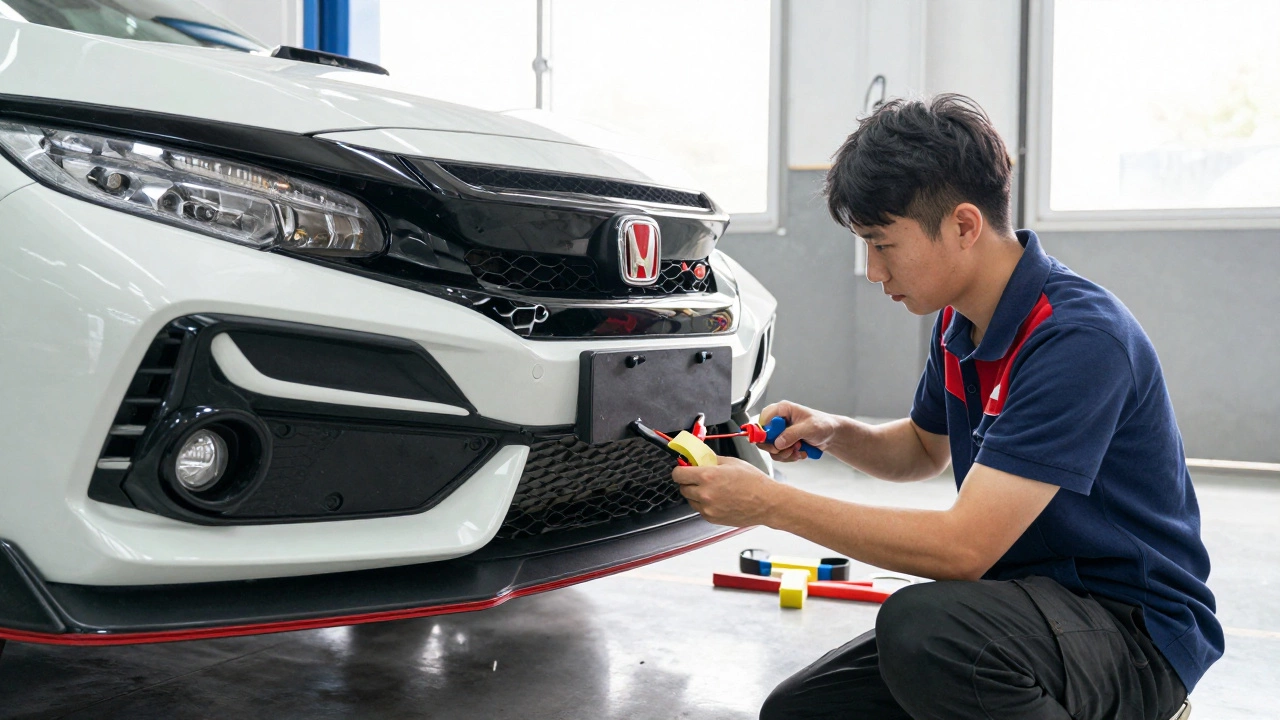
Body kits can be easy to install if you pick the right type and prepare properly. Clip-on kits work for beginners, but full replacements need skill. Learn what tools, time, and planning you really need.