
When you upgrade to LED headlights, a modern lighting technology that uses less power and lasts longer than halogen bulbs. Also known as light-emitting diode headlights, they give your car a sleek, high-end look—but only if they’re aimed correctly. Most people don’t realize that factory LED setups are tuned for specific vehicles. Aftermarket kits? They’re often installed wrong, pointing straight into the eyes of oncoming drivers. That’s not just rude—it’s illegal in the UK and many other countries.
Proper headlight alignment, the process of adjusting the beam angle so it illuminates the road without blinding others isn’t about making your lights brighter. It’s about controlling where the light goes. A poorly adjusted LED can cast glare up to 50 feet farther than a correctly set halogen bulb. You might think you’re seeing better, but you’re actually making the road more dangerous for everyone else. And if you get pulled over, you could face a fine or even fail your MOT for improper beam pattern.
LED vs halogen, a comparison of lighting technologies used in automotive headlamps isn’t just about brightness—it’s about beam control. Halogens spread light in a softer, wider pattern. LEDs are more focused, which means even a tiny misalignment turns them into a spotlight aimed at the next car’s windshield. That’s why many shops refuse to install aftermarket LEDs unless they include proper projectors and leveling systems. And if your car didn’t come with factory LEDs, adding them without the right housing is asking for trouble.
Fixing this isn’t rocket science, but it does need the right tools and a flat surface. You can do it yourself with a wall, tape, and a level. The goal? Get the top edge of the cutoff line just below the height of the headlight center. Too high? You’re blinding traffic. Too low? You’re not seeing far enough ahead. Most drivers skip this step and wonder why their new lights feel ‘too harsh’ or why they keep getting flashed at.
And it’s not just about safety. Insurance companies have started denying claims if they find your headlights were illegally modified—even if the accident wasn’t your fault. A misaligned LED headlight isn’t a cosmetic tweak. It’s a legal and safety issue.
Below, you’ll find real-world tests, step-by-step guides, and the hidden problems most people ignore when upgrading to LEDs. From heat damage that kills your housing to electrical errors that trigger dashboard warnings, we cover what no seller tells you. Whether you’re trying to fix a glare issue or just want to know if your setup is legal, these posts give you the facts—not the marketing.
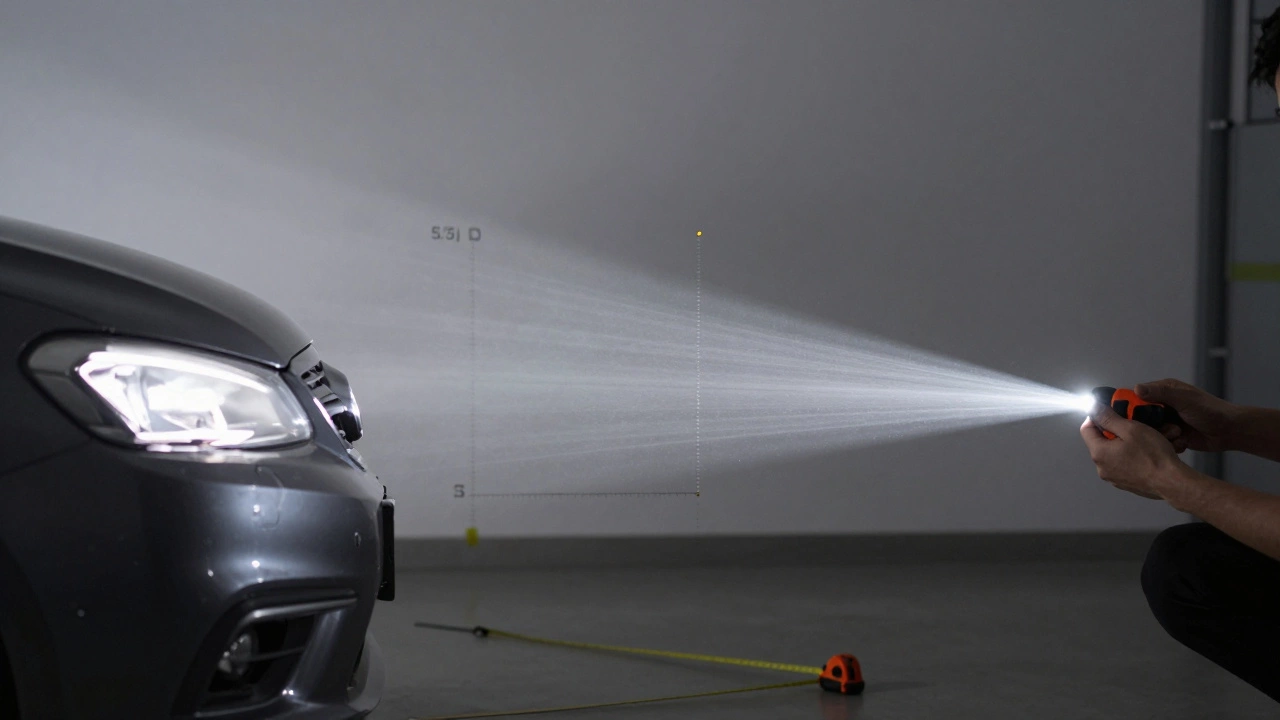
LED headlights often need adjustment because they don't match the original halogen bulb position. Unadjusted LEDs can blind other drivers and reduce your own visibility. Learn how to align them safely and legally.