
When your LED headlight problems, a type of vehicle lighting issue caused by electrical, thermal, or installation flaws in LED headlight systems. Also known as LED headlight failure, it often shows up as dimming, flickering, or complete loss of light—it’s rarely just a blown bulb. Unlike halogen or HID lights, LEDs don’t burn out the same way. They fail silently, usually because something else is wrong. Most drivers assume the LED itself is broken, but the real culprit is often heat buildup, bad wiring, or an incompatible power supply. These aren’t minor annoyances—they can leave you stranded at night or get you pulled over for unsafe lighting.
One of the biggest LED headlight heat damage, thermal degradation caused by poor heat dissipation in aftermarket LED retrofit kits happens when people install cheap LED bulbs into halogen housings. These kits don’t have proper heat sinks, and the heat builds up fast. Over time, it melts the plastic housing, warps the reflector, and kills the LED driver. You might notice a weird smell, a foggy lens, or the light dimming after a few minutes. This isn’t normal wear—it’s preventable. Good LED systems use active cooling, but most budget kits rely on passive aluminum fins that can’t handle continuous use.
Another common issue is LED headlight flickering, an intermittent lighting problem caused by voltage fluctuations, CAN bus errors, or incompatible ballasts. Modern cars have computer systems that monitor headlight draw. When you swap in LEDs, which use way less power, the car thinks the bulb is out and starts flashing the lights. Some people fix this with resistors, but those just turn electricity into heat. Better solutions use CAN bus decoders or error-canceling modules that talk to the car’s system properly. If your lights flicker only when you turn on the AC or hit a bump, it’s likely a loose connection or failing ground wire. Check the plug, clean the contacts, and make sure the ground is bolted to bare metal—not painted metal.
And then there’s the LED headlight wiring issues, electrical faults in aftermarket LED installations caused by undersized wires, poor splices, or incorrect polarity. Many DIY installs use wire taps instead of proper connectors. Those get hot. They corrode. They short out. I’ve seen people blow fuses, fry their car’s ECU, or even start small fires because they plugged a 30-watt LED into a 5-watt circuit. Always check the amp draw. Use proper gauge wire. Solder and heat-shrink every connection. Don’t trust those plug-and-play kits that come with no instructions.
These problems don’t show up overnight. They creep in. A slight flicker here, a little dimness there. By the time you notice, the damage is done. But knowing what to look for saves you money and keeps you safe. The fixes aren’t always expensive—sometimes it’s just a better ground, a proper fuse, or a kit designed for your exact car model. What you’ll find below are real cases from people who’ve been there: the bulbs that died after three months, the ones that blinded oncoming traffic, the ones that sparked in the rain. No theory. No fluff. Just what actually went wrong, and how they fixed it.
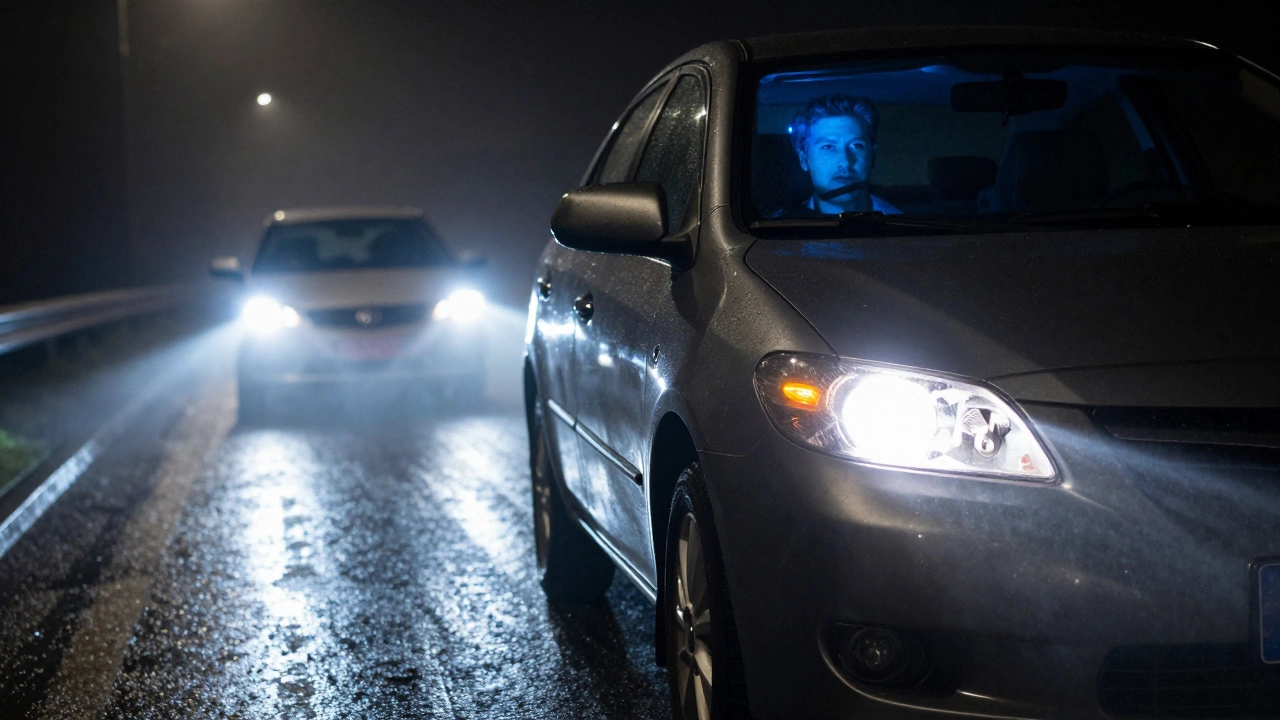
LED headlights aren't always the upgrade they seem. Learn when they're dangerous, illegal, or just a bad fit for your car-and what to do instead.
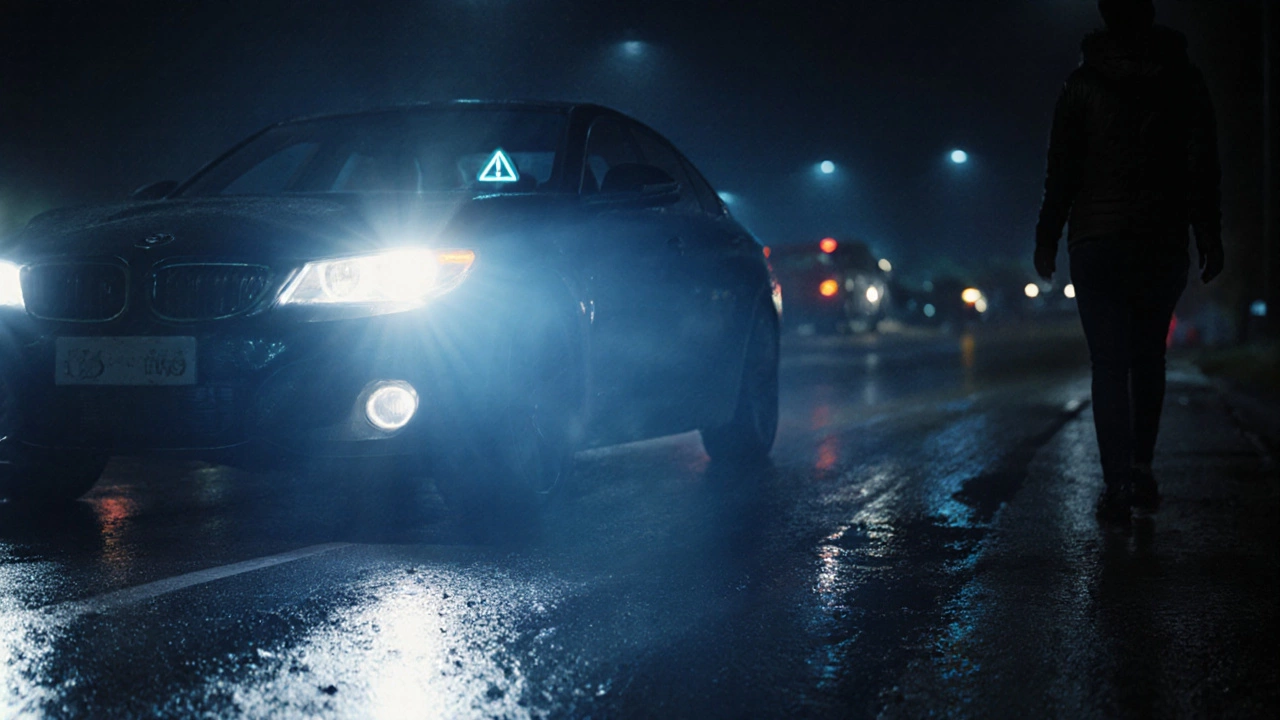
LED headlights may seem like a smart upgrade, but they come with real problems: blinding glare, electrical errors, heat damage, legal risks, and costly repairs. Here’s what most sellers won’t tell you.