
When you’re replacing your wheels, scrap alloy wheels, used or damaged wheels made from aluminum-based alloys that can be recycled for their metal value. Also known as aluminum wheel scrap, they’re not just trash—they’re a resource many mechanics and DIYers overlook. Unlike steel rims, alloy wheels are lighter, more brittle, and contain valuable metals like aluminum, magnesium, and sometimes nickel. That’s why auto shops and recycling centers pay for them—sometimes hundreds of dollars per set.
Not all alloy wheels are created equal when it comes to scrap value. alloy wheels, lightweight wheels commonly found on modern cars and trucks, made from aluminum mixed with other metals for strength vary in thickness, design, and composition. Wheels from luxury or performance cars often have higher metal content and better finish, which means more cash at the scrap yard. On the flip side, cheap aftermarket wheels with thin spokes or heavy paint might get you less. You’ll also want to check for cracks, bends, or corrosion—severe damage lowers value, but even broken wheels can still be recycled. And don’t forget: removing tire weights and valve stems can boost your payout, since recyclers charge extra to sort out non-metal junk.
There’s a bigger picture here too. wheel recycling, the process of reclaiming metal from discarded wheels to reuse in new products saves energy and reduces mining waste. Recycling one ton of aluminum saves about 14,000 kWh of electricity—that’s enough to power a home for over a year. Plus, it keeps heavy metal dust and toxic paint out of landfills. Many people don’t realize that scrap metal, discarded metal materials collected for recycling, including aluminum, steel, copper, and brass from your old wheels ends up in everything from new car parts to soda cans. So when you sell your scrap alloy wheels, you’re not just making a few bucks—you’re helping close the loop on automotive waste.
Some folks try to rebuild or resurface damaged wheels instead of trashing them. But if the damage is structural—deep cracks, bent hubs, or warped rims—it’s not worth the risk. Driving on a repaired wheel that’s not up to spec can lead to blowouts or loss of control. That’s why most shops will tell you: if it’s cracked, scrap it. The same goes for wheels with cosmetic damage that’s too deep to sand out. Don’t waste money on a cosmetic fix if the metal’s compromised.
Before you haul your wheels to the junkyard, call around. Scrap prices change daily based on global metal markets. Some yards pay more for clean, unmounted wheels. Others charge a fee if you don’t remove the tires. A few even offer pickup services for bulk loads. And if you’ve got a bunch of mismatched wheels from an old project car, bundle them together—you’ll get a better rate than selling them one by one.
What you’ll find below are real stories and practical guides from people who’ve dealt with scrap alloy wheels firsthand. From how much you can actually get paid, to the hidden dangers of trying to fix broken rims, to why some wheels are worth more than others—these posts cut through the noise and give you the facts you need to make smart choices. Whether you’re cleaning out your garage or just curious about what happens to your old wheels, this collection has you covered.
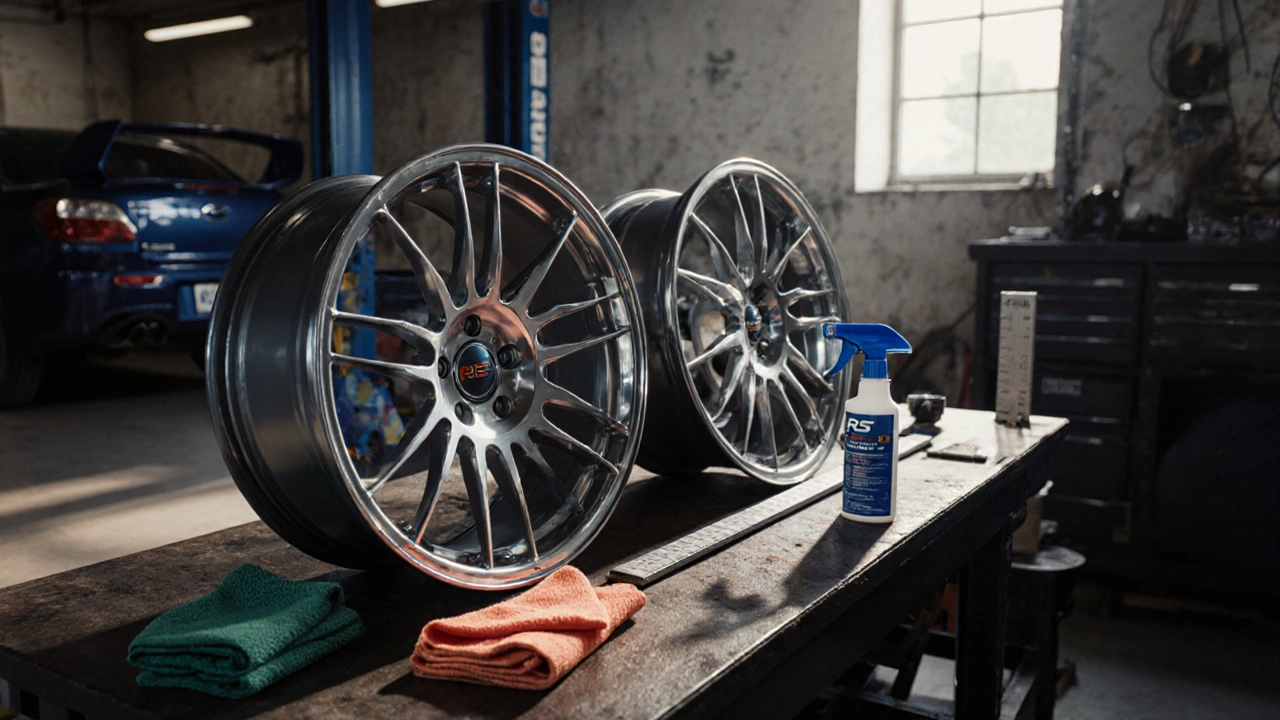
Alloy rims can be worth hundreds of dollars if they're clean and from a popular brand - but scrap value is low. Learn what makes them valuable, where to sell them, and how to get top dollar.