
When you sell alloy rims, custom wheels made from lightweight metal alloys that improve both looks and performance. Also known as aftermarket wheels, they’re one of the most sought-after upgrades on used cars—and one of the easiest parts to turn into cash when you’re done with them. Unlike stock steel wheels, alloy rims hold value because they’re lighter, look sharper, and often come with better braking performance. But not all alloy rims are created equal. Brand, size, condition, and whether they’re hub-centric or have a unique offset all play a big role in what buyers will pay.
People who sell alloy rims usually do it after upgrading to a new set, trading in a vehicle, or fixing damage from potholes or curbs. The used wheels market is full of buyers—daily drivers looking for affordable upgrades, tuners chasing a specific look, or even mechanics who rebuild vehicles. But here’s the catch: if your rims have curb rash, bent lips, or cracked spokes, you’ll lose 30-60% of their value. A clean, undamaged set with original center caps and no signs of corrosion can still fetch $150-$400 per wheel, depending on brand and size.
Knowing where to sell matters just as much as the condition. Facebook Marketplace and local car forums get fast local sales, while sites like eBay or WheelSwap reach wider audiences. Some buyers even want complete sets—four or five matching wheels—so bundling them often gets you more than selling individually. Don’t forget to include the original tire pressure monitoring system (TPMS) sensors if they’re still working; that’s a huge selling point. And avoid listing them as "new" if they’ve been mounted or driven on—even if they look good. Buyers are smart, and trust breaks fast when specs don’t match reality.
Some sellers get tempted to clean their rims with harsh chemicals or pressure washers, thinking it’ll boost the price. But that’s a mistake. Harsh cleaners strip protective coatings, and high-pressure water can force moisture into the wheel’s inner structure, causing hidden corrosion. A simple soap-and-water wash, followed by a soft cloth dry, is all you need. If there’s minor curb damage, a professional touch-up can recover 20-40% of lost value for under $50. That’s a better return than listing them as-is and hoping for a miracle.
There’s also a legal side to consider. If your rims came from a salvage vehicle or were modified in a way that violates UK road regulations (like extreme offsets that stick out past the fenders), you could face trouble. Buyers don’t want liability, and neither should you. Stick to rims that are road-legal, documented, and in good shape.
Below, you’ll find real-world advice from people who’ve sold their wheels—what worked, what didn’t, and how to avoid the traps that cost others money. Whether you’re clearing out old wheels after a full car rebuild or just upgrading your ride, these posts give you the straight talk you need to get the best price without the hassle.
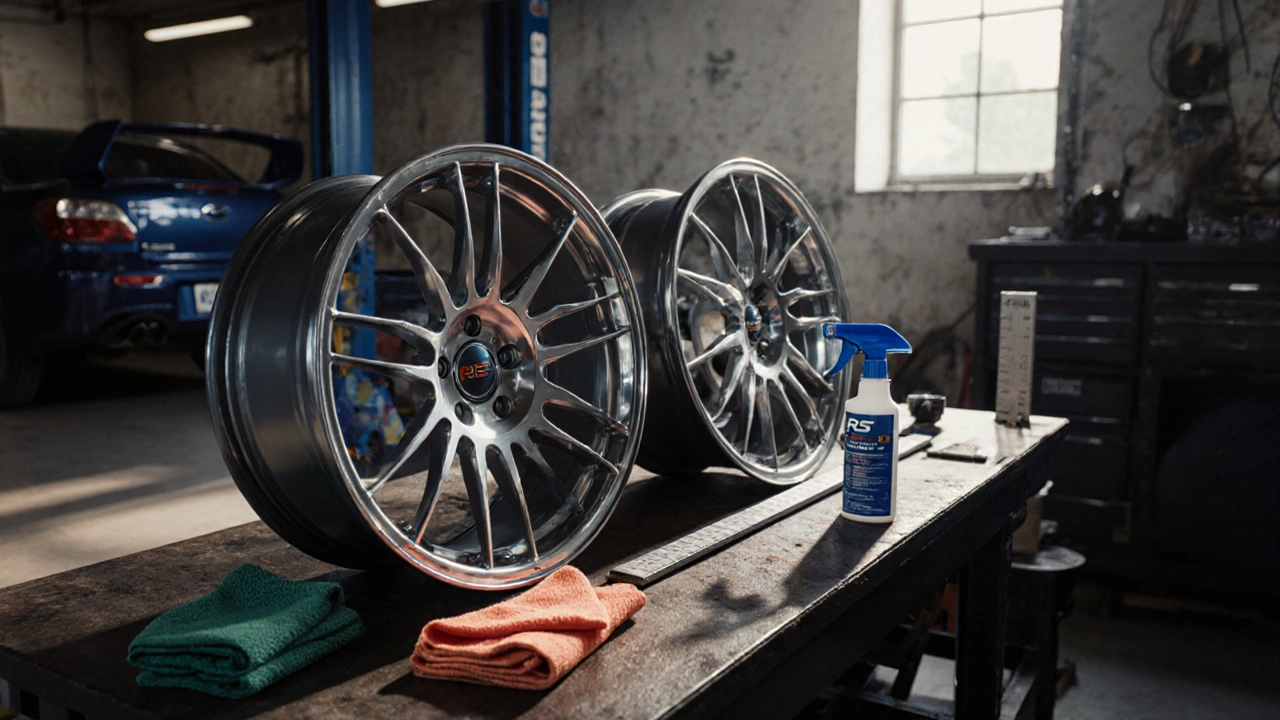
Alloy rims can be worth hundreds of dollars if they're clean and from a popular brand - but scrap value is low. Learn what makes them valuable, where to sell them, and how to get top dollar.