
When you hear tint percentage, the amount of visible light that passes through your car’s windows. Also known as visible light transmission, it’s the number that tells you how dark your windows will look—and whether you’re breaking the law. A 20% tint lets in just 20% of outside light, making it much darker than a 35% tint, which allows 35% through. That difference isn’t just about style—it changes how well you can see at night, how much heat gets blocked, and whether a cop will pull you over.
The car tint laws, rules set by each state or country that limit how dark your front side windows can be vary wildly. In the UK, front side windows must let in at least 70% light, so even 35% tint is illegal there. But in many U.S. states, 35% is perfectly legal on front windows, while 20% is only allowed on rear windows. You can’t just pick the darkest tint because it looks cool—your safety and your wallet depend on knowing the rules. And if you’re thinking about tinting your windows, don’t forget: window tinting, the process of applying a thin film to glass to reduce glare and heat isn’t a one-time fix. Poor installation, cheap film, or washing too soon can ruin it before it even lasts a year.
What you might not realize is that window tint darkness, how much light the film blocks isn’t just about privacy. A darker tint can make it harder to see pedestrians at dusk, or read road signs in heavy rain. It also doesn’t always mean better heat protection—some high-end 35% films block more infrared heat than cheap 20% ones. And if you’re shopping for tint, don’t fall for marketing that says "blackout" or "night vision." Those terms mean nothing legally. What matters is the actual percentage, the quality of the film, and whether it’s certified for your region.
Below, you’ll find real-world breakdowns of what different tint levels actually do—from how much heat they block, to whether you can still see clearly at night, to which ones cops actually enforce. You’ll also see what happens when people ignore the rules, why some tint jobs fail after just a few months, and how to pick the right level for your climate, your car, and your driving habits. No fluff. Just what you need to know before you pay for tint—or get fined for it.
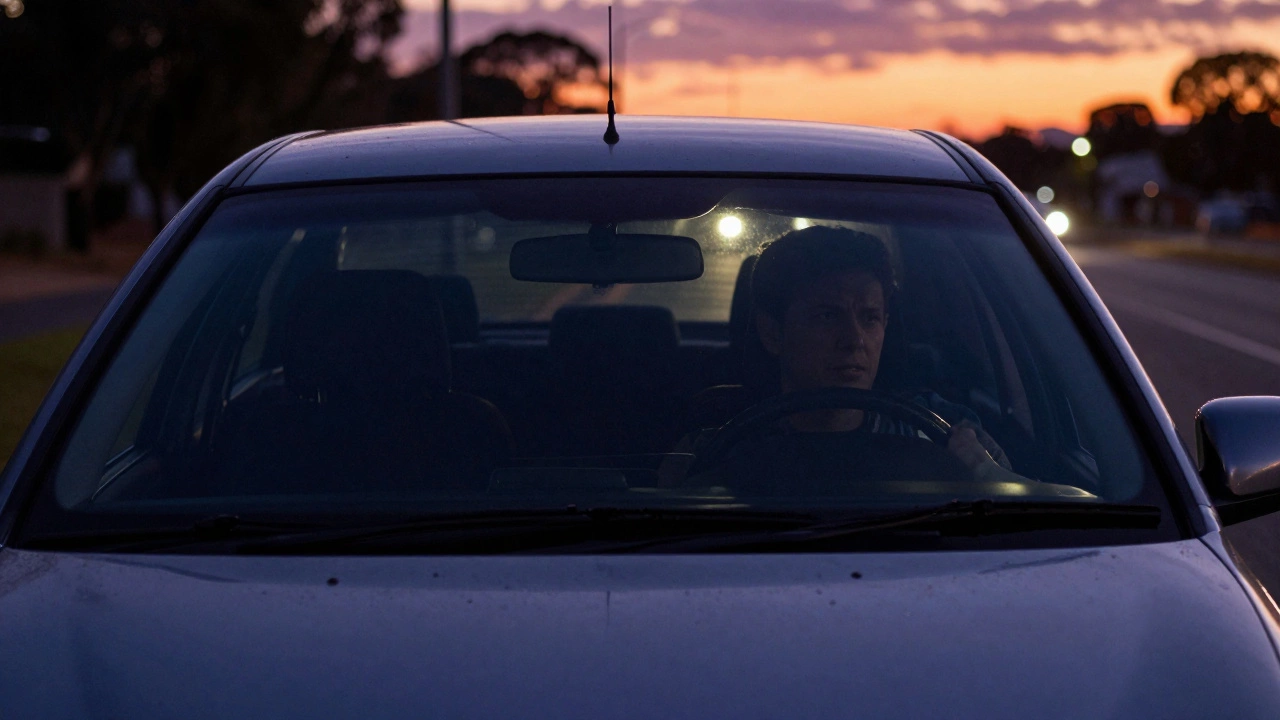
A 20% window tint blocks 80% of light, making it very dark. While it looks stylish, it's illegal on front windows in Australia and reduces night visibility. A 35% ceramic tint offers better safety, legality, and heat control.