
When you hear tint visibility, how clearly you can see through your car windows after applying tint film, you’re not just talking about style—you’re talking about safety, legality, and your own ability to drive at night. Window tint isn’t a one-size-fits-all upgrade. A 20% tint blocks more light than a 35% tint, but that doesn’t mean it’s better. In fact, the wrong level can make night driving dangerous, get you pulled over, or even void your insurance. What most people don’t realize is that window tint darkness, the percentage of visible light allowed through the glass isn’t just a number—it’s a legal boundary, a safety tool, and a performance factor all at once.
The difference between 20% and 35% isn’t subtle. At noon, 35% tint lets in enough light to read a phone screen without squinting, while 20% turns the world into a dimmer setting. But here’s the catch: what looks cool in daylight can turn into a hazard at dusk. Many drivers think darker tint = more privacy, but they forget that police officers need to see inside your car, and you need to see pedestrians, cyclists, and road signs clearly after sunset. In the UK, front side windows must allow at least 70% light transmission, which means the darkest legal tint you can apply there is around 30%. That’s why 35% is the sweet spot for most drivers—it gives you privacy without crossing the line. And if you’re thinking about going darker for the back windows? That’s where you can push it, but even then, you’re playing with car tint laws, regulations that vary by country, state, and even city. One wrong move, and you’re facing a fine, a mandatory removal, or worse—being pulled over for something that could’ve been avoided with a quick lookup.
It’s not just about what’s legal. It’s about what works for your life. If you drive mostly in cities with bright streetlights, 35% tint gives you glare reduction without sacrificing night vision. If you live in a sunny area and park outside all day, maybe you’ll appreciate the extra heat block from 20%, but only if you’re okay with the trade-off. And don’t get fooled by marketing claims like "night vision tint"—there’s no such thing. Tint reduces light equally across the spectrum. The only thing that helps you see better at night is clean glass, properly aligned headlights, and the right tint percentage. You’ll find real-world tests in the posts below, from drivers who’ve tried every shade and lived to tell the tale. Whether you’re wondering if people can see through 35% tint, why 20% gets you ticketed in some places, or how to pick the right level for your car, the answers are here—no fluff, no hype, just what actually matters behind the wheel.
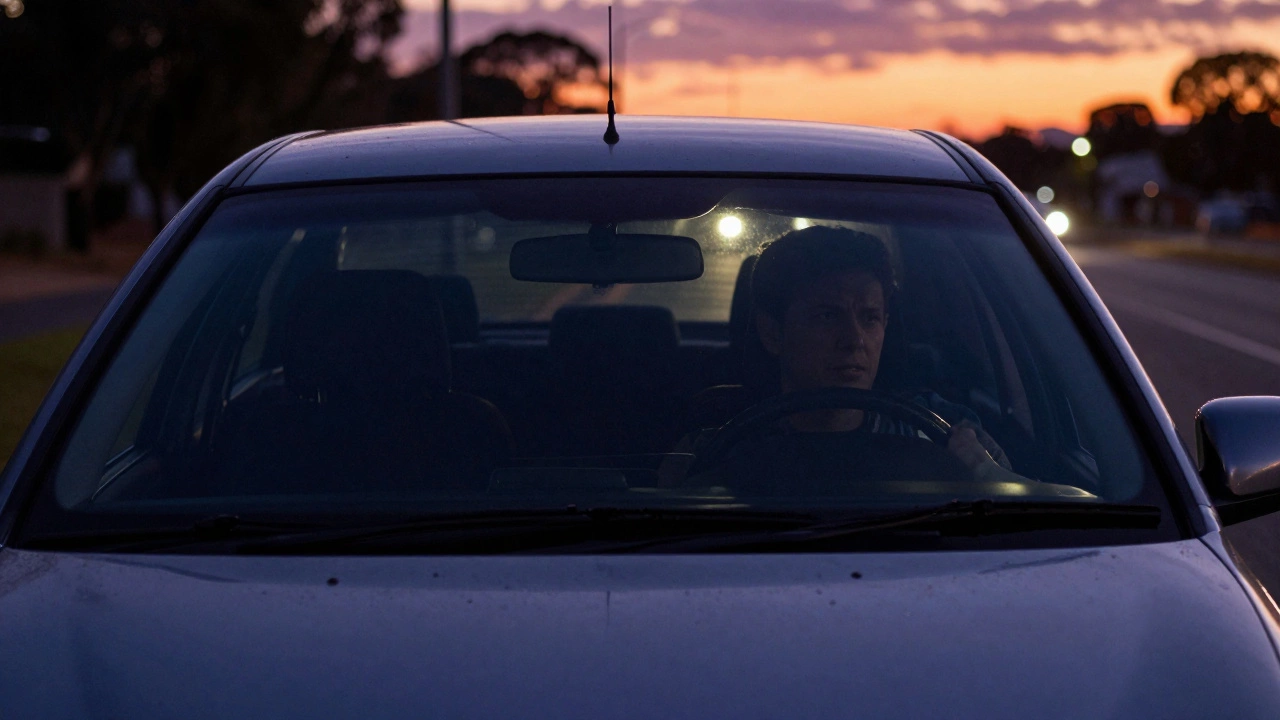
A 20% window tint blocks 80% of light, making it very dark. While it looks stylish, it's illegal on front windows in Australia and reduces night visibility. A 35% ceramic tint offers better safety, legality, and heat control.