
When you add wheel spacers, thin metal or plastic discs installed between the wheel and hub to push the wheel outward. Also known as wheel adapters, they're often used to fill out wheel wells or fit wider tires. But what looks good on a show car can cause real problems on the road. Many people think wheel spacers are a simple, cheap upgrade—just bolt them on and call it done. But that’s not how it works. These parts change how your suspension behaves, and that affects everything from tire wear to steering response.
The biggest risk? tire wear, uneven or premature tread loss caused by altered wheel alignment and increased leverage on the hub. When you push the wheel out, you increase the distance between the center of the wheel and the suspension components. This puts extra stress on the wheel bearings, ball joints, and control arms. Over time, that stress leads to faster wear on tires, especially on the inside or outside edges. One driver in Manchester reported replacing tires every 8,000 miles after installing 15mm spacers—his previous set lasted 35,000 miles. That’s not a coincidence.
Then there’s wheel alignment, the precise adjustment of a vehicle’s angles to ensure optimal tire contact and handling. Most cars aren’t designed to run with spacers. Even a small change in offset can throw off camber and toe settings. You might not notice it at first, but over time, the car pulls to one side, the steering feels loose, or the tires start humming. And no, getting an alignment after installing spacers doesn’t fix everything—if the geometry is wrong, the alignment shop can only do so much. Some shops won’t even align a car with spacers installed because they know it’s a temporary fix at best.
And let’s talk about suspension modifications, changes to a vehicle’s suspension system that affect ride height, handling, or wheel positioning. Wheel spacers are a suspension mod—even if they don’t look like it. They change the load path through the hub. High-quality spacers made from forged aluminum and installed with proper torque and hub-centric rings reduce risk. But cheap, thin spacers from eBay? They can flex, crack, or even shear bolts under hard cornering or rough roads. There are real stories of wheels coming loose after driving on bad pavement with low-quality spacers. This isn’t theoretical—it’s happened in the UK, and it’s not rare.
Legal issues? Some areas don’t allow spacers at all. Others require certification or limit how far you can push the wheels out. In the UK, the MOT doesn’t specifically ban them, but if they cause excessive tire rub, altered steering geometry, or compromised safety, your car will fail. Insurance companies might also refuse claims if they find spacers were involved in an accident—especially if they weren’t installed properly.
There’s no magic number that says "safe" or "dangerous." A 5mm spacer on a stock setup might be fine. A 25mm spacer on a lowered car with worn suspension? That’s asking for trouble. The real question isn’t whether spacers work—it’s whether they’re worth the trade-offs. You gain looks, but you lose reliability. You gain width, but you lose tire life. You gain a stance, but you risk your safety.
Below, you’ll find real-world guides from drivers who’ve been through this. Some kept their spacers and lived to tell the tale. Others had to remove them after months of headaches. You’ll learn what actually causes tire wear, how to spot early signs of suspension stress, and what steps you can take to reduce risk—if you’re going to do it anyway. This isn’t about scaring you off. It’s about helping you make a smart choice before you spend money and put yourself at risk.
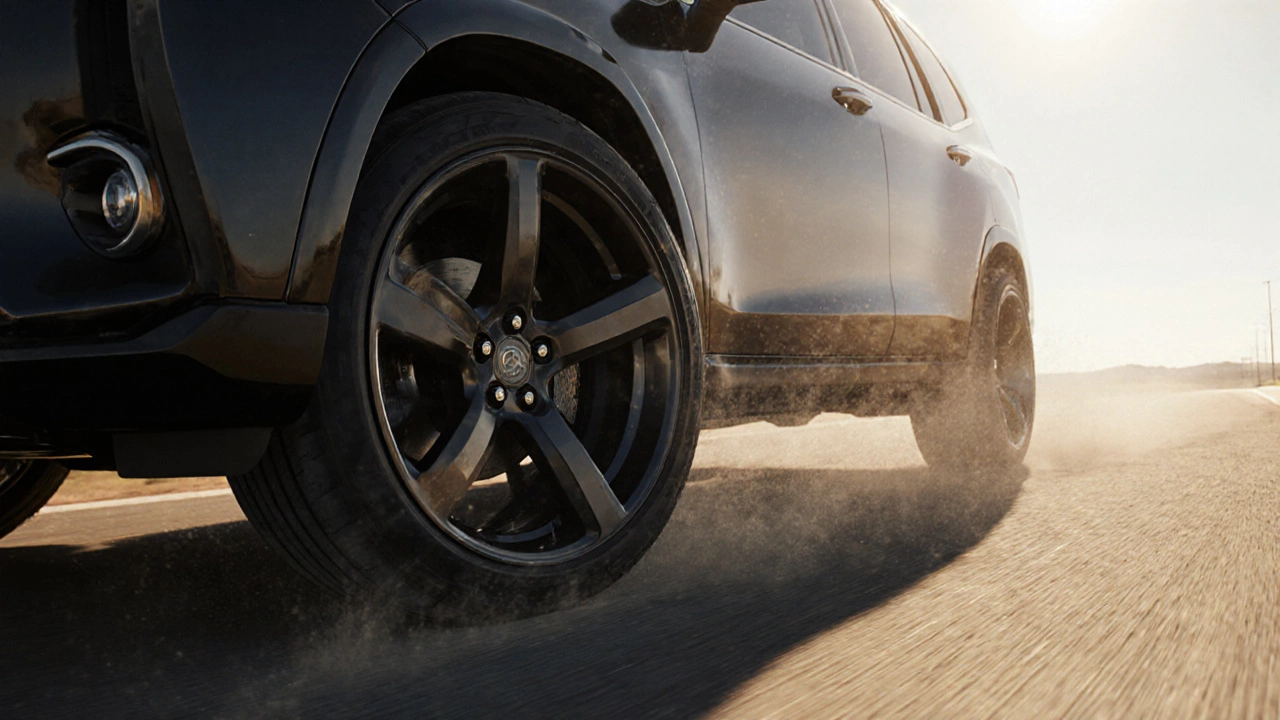
Driving long distances with wheel spacers can be risky if they're cheap or improperly installed. Learn what makes them safe, the real dangers, and how to avoid dangerous mistakes on the road.