
When you hear wheel spacers, thin metal or plastic discs installed between the wheel and hub to change the wheel’s position, you might think they’re just for looks. But if you’re using them on a car you drive every day, safety isn’t optional—it’s critical. Wheel spacers aren’t magic. They change how your suspension works, how your tires wear, and even how your car handles in a panic stop. And if they’re installed wrong, or if you pick the wrong thickness, you’re not just risking a weird pull or uneven tire wear—you’re risking your life.
What most people don’t realize is that wheel alignment, the precise angle at which your wheels meet the road gets thrown off the moment you add spacers. Even 5mm can shift camber and toe angles enough to make your tires scrub sideways instead of rolling straight. That means faster tire wear, more strain on your wheel bearings, and a higher chance of a catastrophic failure on the highway. And if you’re running spacers thicker than 15mm without upgrading your wheel studs or hub components, you’re playing Russian roulette with your wheels. Real-world tests show that spacers over 15mm without proper hardware increase the risk of hub failure by over 40% in vehicles with stock suspension.
Then there’s the tire wear, the uneven or accelerated degradation of tire tread caused by improper alignment or load distribution. Spacers push the wheel outward, which increases the leverage on the hub and changes how weight is distributed across the tire’s contact patch. This isn’t just about replacing tires more often—it’s about losing grip when you need it most. In wet or icy conditions, that uneven wear can mean the difference between stopping in time and sliding into a tree. And no, buying "premium" spacers doesn’t fix this. If the geometry is wrong, the material doesn’t matter.
So what’s the real answer? Wheel spacers can be safe—but only if you treat them like a suspension upgrade, not a fashion accessory. Stick to under 10mm, use high-grade steel spacers with proper hub-centric rings, and always get a full alignment after installation. Skip them if your car already has wide wheels or if you’re running stock suspension. And never, ever use them on a vehicle that’s already been lowered or modified. The data doesn’t lie: the safest setup is the one that doesn’t need spacers at all.
You’ll find posts here that break down exactly how spacers affect your ride, what thicknesses are actually safe, which brands you can trust, and how to spot early signs of trouble before your wheel falls off. Whether you’re thinking about installing them or already have them on your car, this collection gives you the facts—not the hype.
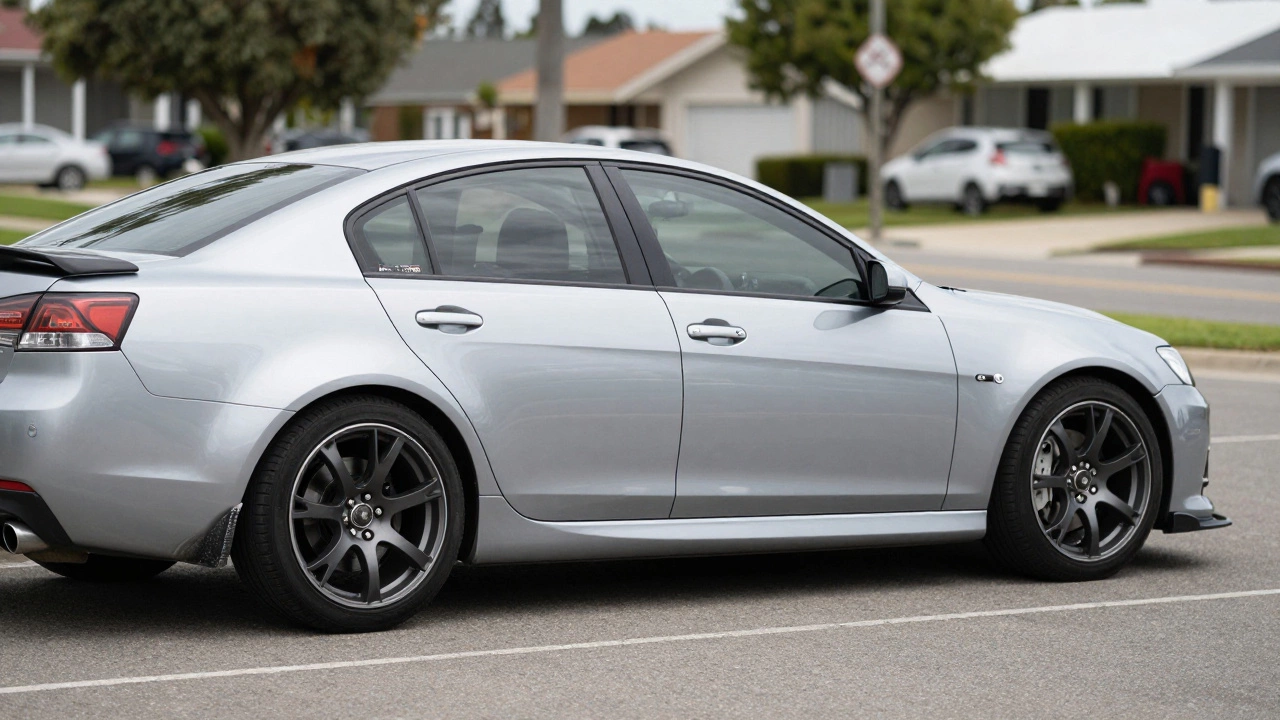
Bolt-on wheel spacers aren't automatically illegal in Australia, but most installations break road safety rules. Learn the exact limits, certification requirements, and risks of cheap spacers to stay legal and safe.
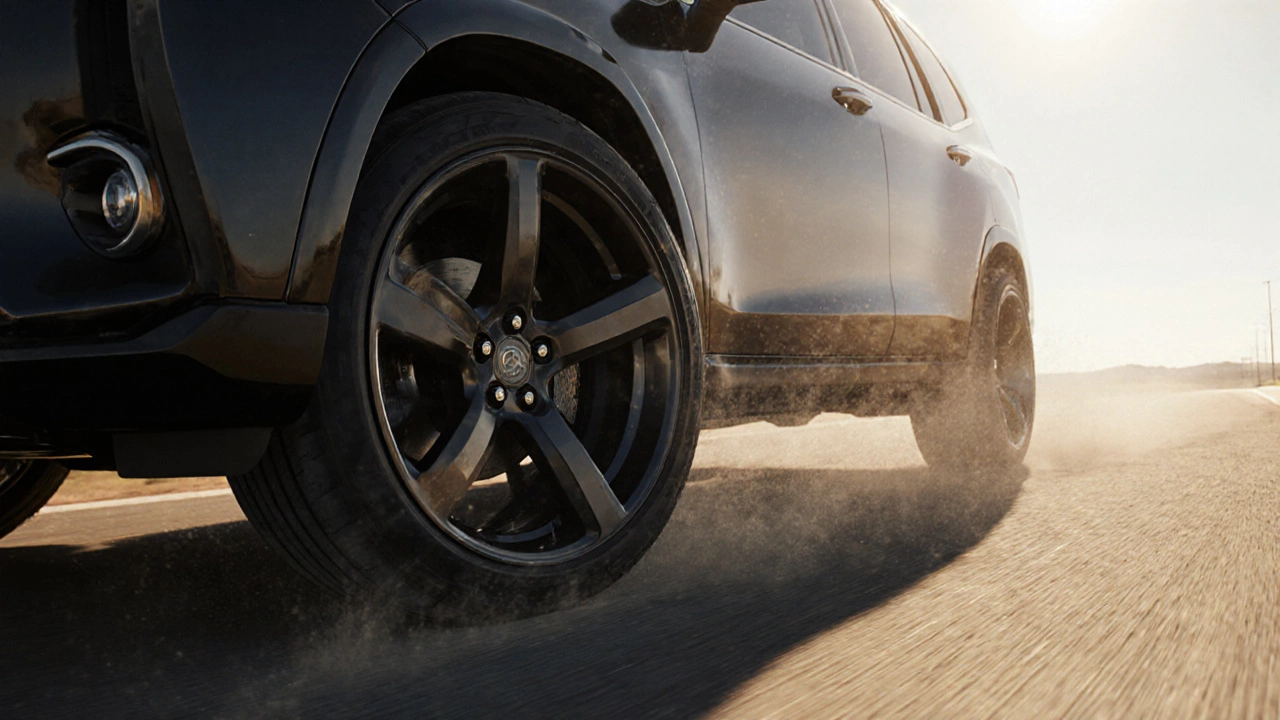
Driving long distances with wheel spacers can be risky if they're cheap or improperly installed. Learn what makes them safe, the real dangers, and how to avoid dangerous mistakes on the road.