Wheel Fitment & Compatibility Checker
Current Wheel Specs
Proposed Alloy Rim Specs
Analysis Result:
Quick Key Takeaways
- Diameter is the edge-to-edge measurement of the wheel (e.g., 18 inches).
- Width determines how wide the tire is and how much grip you have.
- Offset controls how far the rim sticks out or tucks into the fender.
- PCD is the bolt pattern; if this doesn't match, the wheel won't physically fit on the hub.
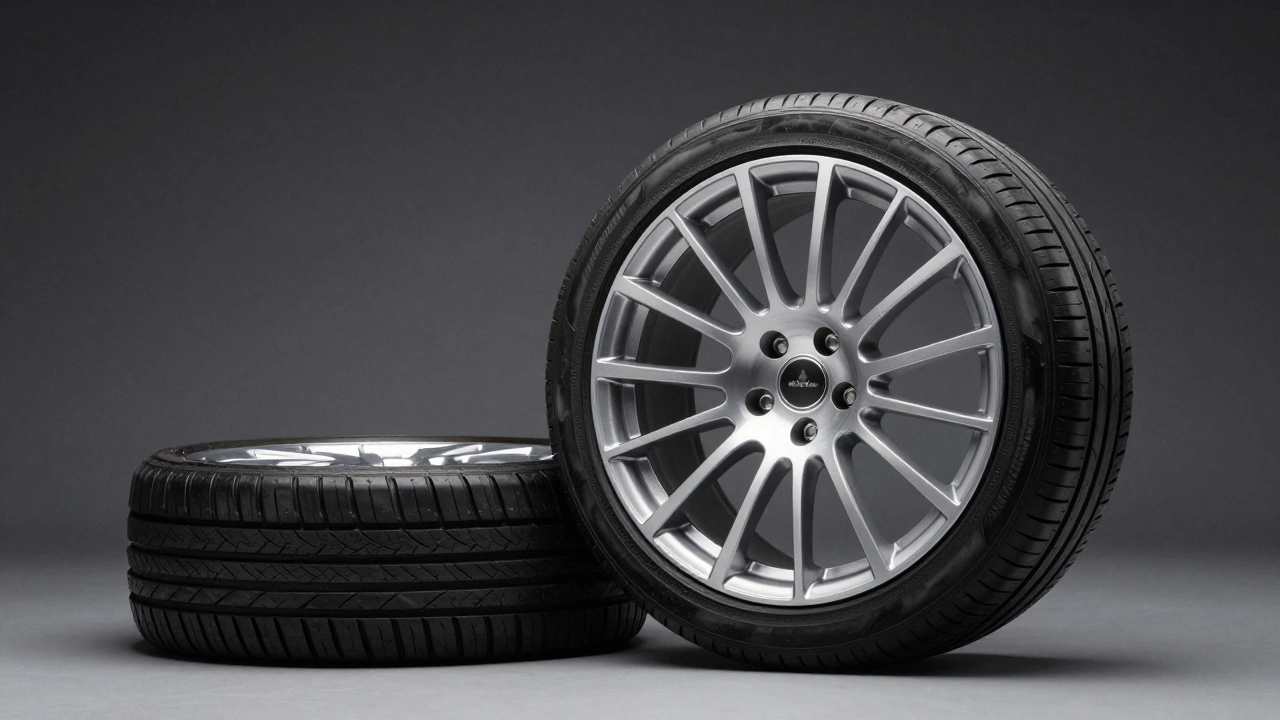
When people ask what size alloy rims are, they usually mean the diameter. Alloy Wheels is a type of wheel made from a mixture of aluminum or magnesium, designed to be lighter and stronger than traditional steel wheels. Common diameters range from 13 inches on small city cars to 22 inches or more on luxury SUVs and sports cars. But diameter is only the start of the story.
Understanding Wheel Diameter and Width
The most visible number on a rim is the diameter. If you see a wheel labeled as 18", that's the distance from one edge of the rim to the other. While bigger wheels often look better, they come with a trade-off. A larger rim means you need a lower profile tire to keep the overall rolling circumference the same. This usually results in a firmer, bumpier ride because there is less rubber to absorb the shock of a pothole.
Then there is the width. This is measured in inches from the inner bead to the outer bead. For example, a rim might be 8.5J. The "J" refers to the shape of the rim flange where the tire sits. If you go too wide, your tires might "balloon" or stretch, which can affect your handling and increase the risk of a blowout. If you go too narrow, the tire will bulge, which can make the steering feel mushy and unresponsive.
| Vehicle Type | Typical Diameter | Typical Width | Common Use Case |
|---|---|---|---|
| Compact Car | 14" - 16" | 5.5" - 7" | Fuel efficiency & comfort |
| Sedan / Coupe | 17" - 19" | 7.5" - 9" | Balanced performance & style |
| SUV / 4x4 | 18" - 22" | 8" - 10" | Load capacity & road presence |
The Secret Sauce: Offset and Backspacing
You can have the right diameter and width, but if the Offset (also known as ET) is wrong, you're in trouble. Offset is the distance from the hub mounting surface to the center line of the wheel. It is measured in millimeters.
A high positive offset means the wheel is pushed outward toward the fender. A negative offset, common in off-road trucks, pushes the wheel further out, giving the car a wider stance. If you install rims with an offset that is too low, the tire will poke out past the fender, which in many places is actually illegal because it throws rocks at other drivers. On the flip side, too much positive offset can cause the tire to rub against the inner strut or suspension components when you turn the steering wheel.
Decoding the Bolt Pattern (PCD)
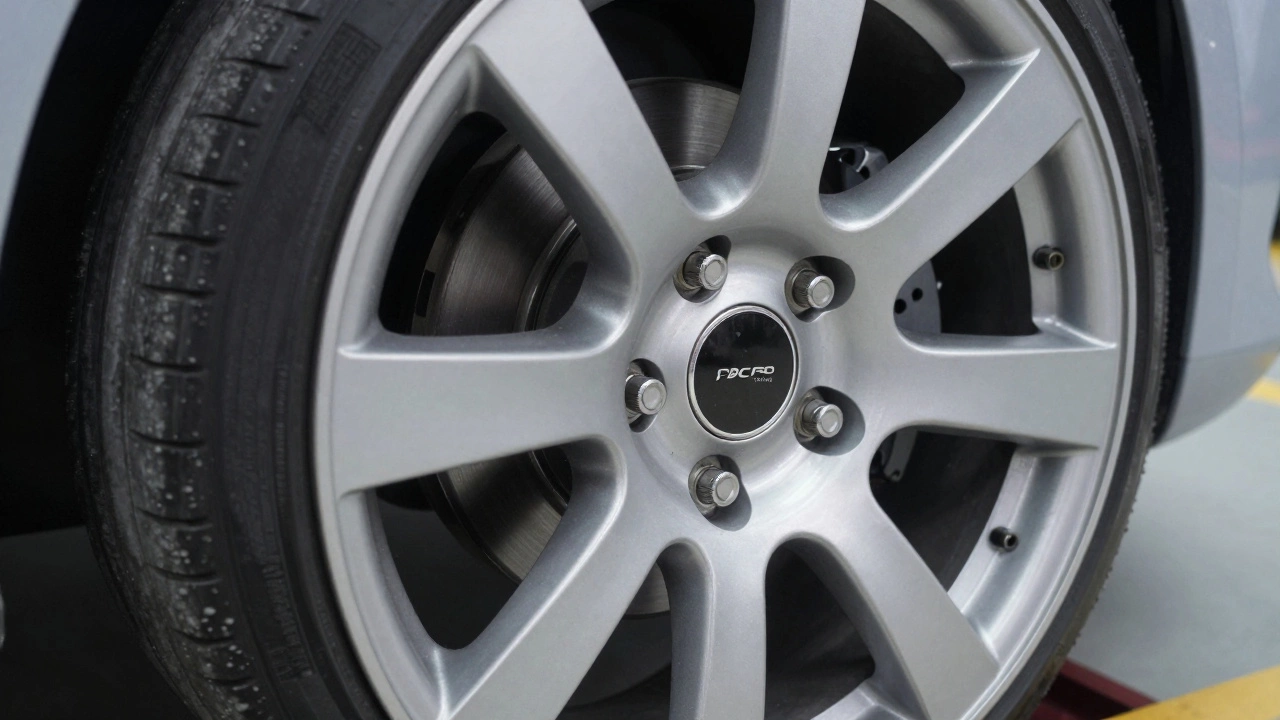
If the diameter is the "size," the PCD (Pitch Circle Diameter) is the "key." This is the diameter of the circle formed by the centers of the bolt holes. You'll see it written as 5x114.3. This means the wheel has 5 bolts, and the circle they form is 114.3mm across.
Unlike offset, there is zero wiggle room with PCD. If your car requires a 5x112 pattern and you buy 5x114.3 wheels, they simply will not fit. Some people use adapter plates to change their PCD, but this adds to the offset and can put extra stress on your wheel bearings. It's always better to buy the native fitment for your specific make and model.
How to Choose the Right Size for Your Goals
Deciding on alloy rim sizes depends on what you actually do with your car. If you're commuting in a city with bad roads, sticking to a smaller diameter (like 16" or 17") with a thicker tire sidewall is a smart move. You'll save money on replacements and your spine will thank you.
If you're looking for better cornering and a sharper look, moving up to 19" or 20" rims is the way to go. Just remember that this usually requires a lower profile tire. This means you'll be more prone to "curb rash"-those nasty scratches you get when you park too close to the sidewalk. To balance this, check your manufacturer's recommended specifications usually found on a sticker inside the driver's side door jamb.
Common Pitfalls to Avoid When Sizing Up
One of the biggest mistakes is ignoring the "scrub radius." When you change the offset and width, you change the angle at which the tire contacts the road. A drastic change can lead to "tramlining," where your car feels like it's being pulled into the grooves of the road, making the steering twitchy and unpredictable.
Another issue is the center bore. The center bore is the hole in the middle of the rim that fits over the hub of the car. If the rim's bore is larger than the car's hub, the wheel won't be perfectly centered, leading to vibrations at high speeds. You can fix this with hub-centric rings, which are cheap plastic or metal spacers that fill that gap and ensure a snug fit.
Can I put larger alloy rims on my car?
Yes, you can, but you must maintain the overall rolling diameter. If you increase the rim size, you must decrease the tire sidewall height. If the overall diameter changes too much, your speedometer will be inaccurate, and your tires may rub against the wheel arches when turning or hitting bumps.
What happens if the offset is too low?
A low or negative offset pushes the wheel further out from the chassis. While this can give a "wide-body" look, it often causes the tire to protrude past the fender, which can lead to legal issues and increased wear on the wheel bearings due to the changed leverage point.
Does rim width affect fuel economy?
Yes. Wider rims typically require wider tires, which increases the contact patch with the road. This creates more rolling resistance and aerodynamic drag, which usually leads to a slight drop in MPG (miles per gallon).
What is the difference between a 5x114.3 and 5x120 bolt pattern?
The 5 refers to the number of lug nuts, and the number (114.3 or 120) is the diameter of the circle they form in millimeters. Even a tiny difference of 5.7mm means the wheels are completely incompatible and cannot be bolted onto the car without adapters.
Are alloy wheels always better than steel wheels?
Not necessarily. Alloy wheels are lighter, which can improve acceleration and handling, and they dissipate heat better, helping your brakes stay cool. However, steel wheels are generally tougher, cheaper to replace, and less likely to crack upon a heavy impact.
Next Steps for Your Wheel Upgrade
If you're ready to buy, start by checking your current wheel's stamps. Look for the diameter, width, and offset (ET) written on the inside of the rim. Use these as your baseline. If you want a more aggressive look, you can slightly decrease the offset or increase the width, but avoid jumping more than 10-15mm without consulting a professional wheel aligner.
For those moving to a completely different size, use an online rolling circumference calculator. This ensures that your new tire/rim combo matches the original diameter within 3%, which keeps your odometer and speedometer accurate. Finally, always buy hub-centric rings if your new alloys are "universal fit" to ensure a vibration-free ride.