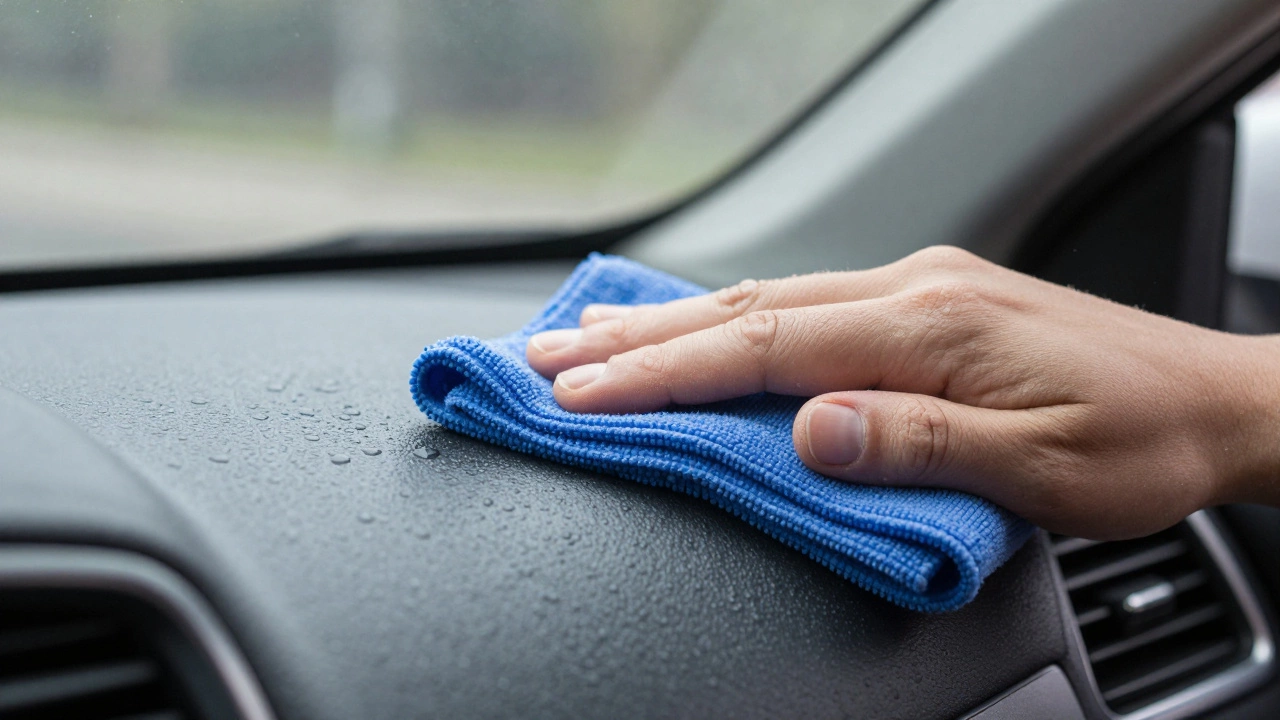
People often turn to Dawn dish soap when they need something strong to cut through grease-whether it’s a sticky stovetop or a greasy engine bay. So it’s no surprise that some folks wonder if it’s safe to use on their car’s interior. The short answer? Dawn dish soap can clean car interiors, but only under very specific conditions-and with serious risks if used wrong.
Why People Think Dawn Works on Car Interiors
Dawn is famous for breaking down grease. That’s why it’s used to clean oil-covered birds after spills. It’s also why some drivers assume it’ll work on dashboard grime, sticky cup holders, or oily fingerprints on the steering wheel. The logic seems simple: if it strips grease off pans, it’ll strip grease off plastic. But car interiors aren’t pans. They’re made of vinyl, leather, synthetic fabrics, and tinted plastics. These materials don’t handle harsh detergents the same way stainless steel does. Dawn isn’t designed for automotive surfaces. It’s designed for kitchen sinks.The Real Problem: Degreasers vs. Protectants
Dawn removes oils. That’s its job. But car interiors aren’t just dirty-they’re protected. Most dashboards, door panels, and center consoles come with a factory-applied UV protectant or a light silicone coating. That layer keeps the plastic from cracking, fading, or becoming brittle under sunlight. Wipe a dashboard with Dawn, and you’re stripping away that protection. You won’t see the damage right away. But after a few months of sun exposure, that once-pliable vinyl will start to crack. You’ll notice fine lines near the vents or along the edges of the center console. That’s not wear and tear-that’s chemical damage. Leather seats are even worse. Dawn breaks down the natural oils in leather. Even top-grade hides will dry out, stiffen, and eventually crack if cleaned with detergent-based cleaners. Automotive leather cleaners use pH-balanced formulas that lift dirt without removing essential oils. Dawn doesn’t.When Dawn Might Be Okay (and How to Do It Safely)
There are two situations where Dawn might be acceptable:- Deep-cleaning fabric seats soaked in food, soda, or pet messes
- Removing stubborn adhesive residue from window decals or phone mounts
- Dilute it. Mix one teaspoon of Dawn with two cups of warm water. That’s about 1% concentration-far weaker than what’s in the bottle.
- Use a microfiber cloth. Never spray directly onto surfaces. Dampen the cloth, not the material.
- Test first. Pick a hidden spot-a corner of the seat, under the armrest. Clean a small area and let it dry for 24 hours. Look for color fading, texture changes, or stiffness.
- Rinse thoroughly. Wipe the area again with a clean, water-dampened cloth to remove all soap residue. Leftover Dawn can attract dust and leave a sticky film.
- Reapply protection. After cleaning fabric, use a fabric protector spray. For plastic or vinyl, use a water-based conditioner with UV blockers.
What Happens If You Use Undiluted Dawn?
A friend of mine used full-strength Dawn on his 2020 Toyota Camry’s dashboard. He thought he was doing a deep clean. Two weeks later, the plastic around the air vents started peeling. By the end of summer, the whole center console looked like it had been sandblasted. That’s not an isolated case. Automotive detailers in Brisbane see this every year. People use Dawn because it’s cheap and available. But they don’t realize they’re trading short-term shine for long-term damage. The same goes for leather. A 2023 study by the Society of Automotive Engineers found that using household detergents on automotive leather increased surface cracking by 68% over 12 months compared to pH-neutral cleaners.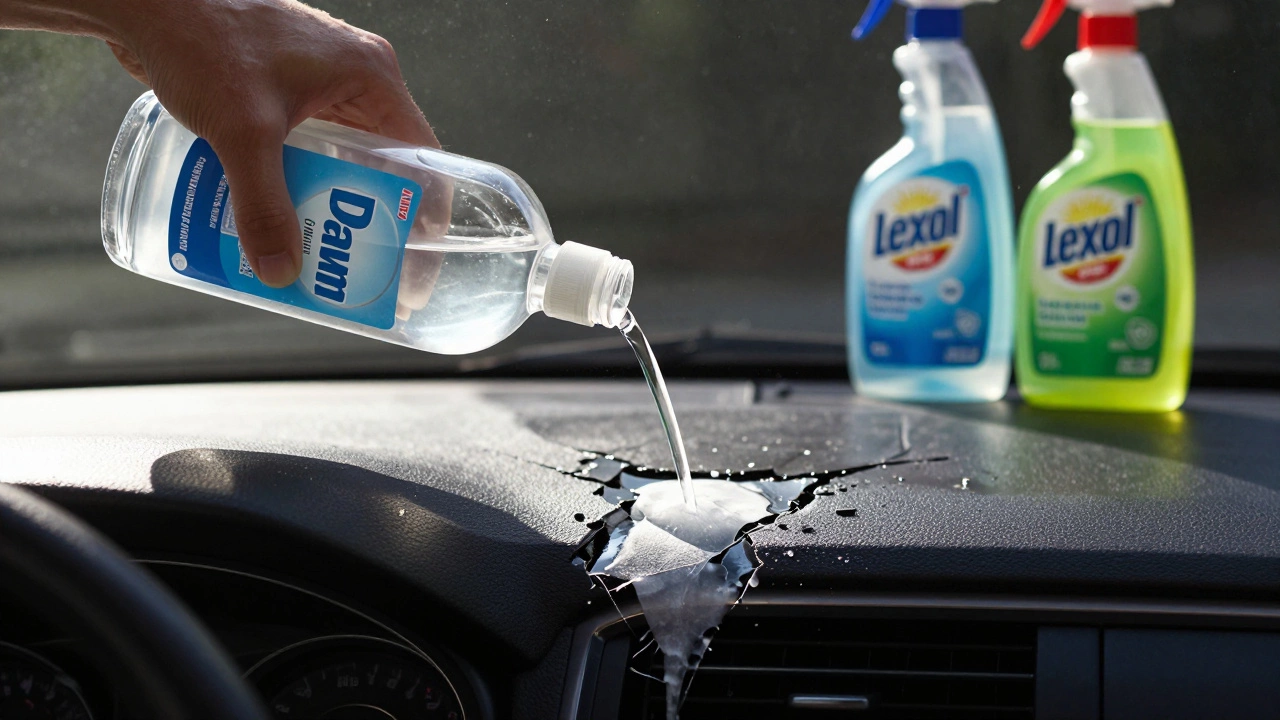
Better Alternatives for Car Interiors
You don’t need Dawn. There are far better options made for car interiors:- Chemical Guys InnerClean - Safe for vinyl, plastic, and leather. Leaves no residue.
- 303 Aerospace Protectant - The gold standard for UV protection and cleaning.
- Meguiar’s Quik Interior Detailer - Great for daily wipes and light cleaning.
- Lexol Leather Cleaner - Specifically formulated to clean without drying out leather.
- Simple Green All-Purpose Cleaner (diluted) - A safer non-toxic option if you want something affordable.
What About Cleaning Carpets and Floor Mats?
For carpet stains or rubber floor mats, Dawn can be used more freely-but still diluted. Mix one tablespoon per gallon of water. Scrub gently with a stiff brush. Rinse with clean water. Let dry completely before putting mats back. Even here, specialized carpet cleaners like Carpet & Upholstery Cleaner by Chemical Guys work better. They’re designed to lift stains without leaving behind residues that attract dirt.Pro Tip: The Two-Cloth Method
No matter what cleaner you use, follow this rule: always use two cloths. One for cleaning, one for wiping away residue. Using the same cloth means you’re just smearing dirt around. Use microfiber. It’s soft, absorbs well, and doesn’t scratch. Avoid paper towels-they leave lint and can scratch plastic surfaces over time.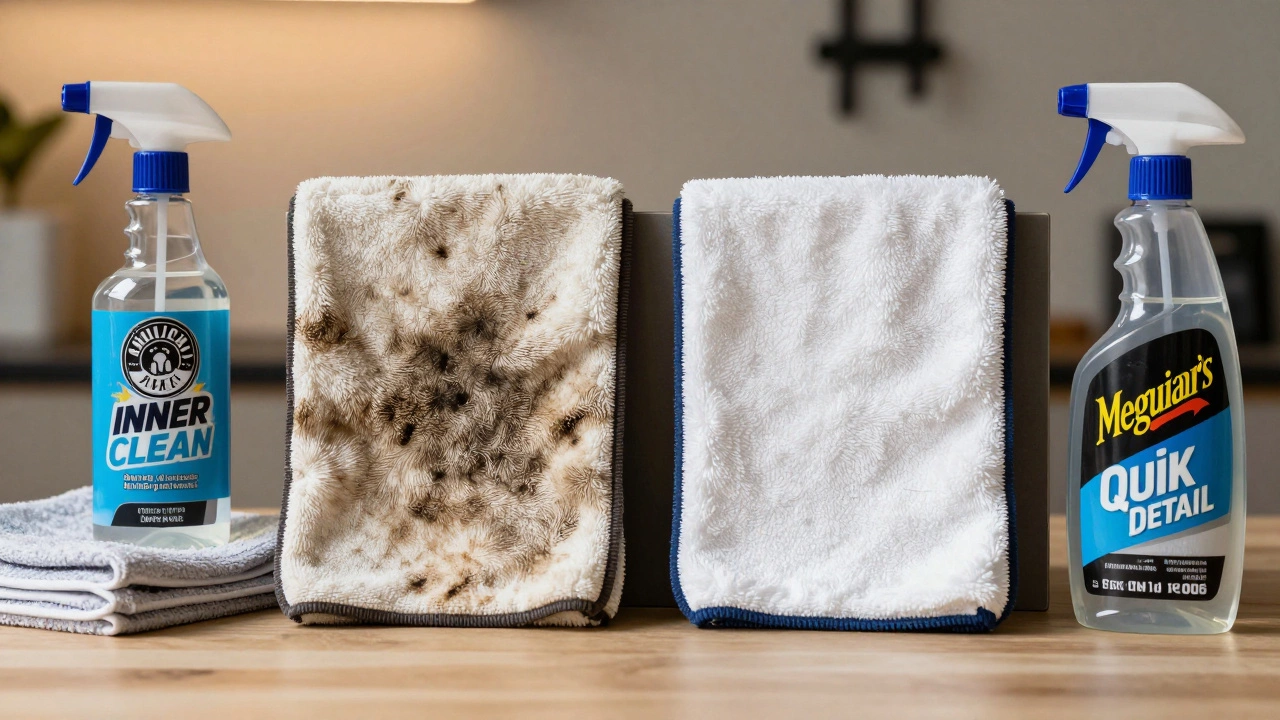
What to Avoid Completely
Don’t use these on your car interior:- Undiluted dish soap (including Dawn)
- Ammonia-based cleaners (like Windex)
- Alcohol-based wipes
- White vinegar
- Bleach or hydrogen peroxide
How Often Should You Clean Your Interior?
Clean lightly every two weeks with a damp microfiber cloth and a dedicated interior detailer. Do a deep clean every 3-6 months, depending on how much you use the car. If you have kids, pets, or smoke in the car, clean more often-but still use the right products.Final Verdict: Skip the Dawn
Dawn dish soap isn’t evil. It’s just the wrong tool for the job. Using it on your car interior is like using a power washer to clean your phone screen. It might seem effective at first, but you’re asking for trouble. Your car’s interior is an investment. It’s not just about looks-it’s about comfort, resale value, and safety (cracked dashboards can interfere with airbag deployment). Spend $15 on a proper cleaner. Your dashboard will thank you in five years.Can Dawn dish soap damage car leather seats?
Yes. Dawn removes natural oils from leather, causing it to dry out, crack, and stiffen over time. Always use a pH-balanced leather cleaner like Lexol or Chemical Guys Leather Cleaner instead.
Is Dawn safe for car plastic trim?
Not long-term. Dawn strips UV protectants from plastic, making it prone to fading and cracking under sunlight. Even diluted Dawn should be followed by a dedicated plastic conditioner.
Can I use Dawn to clean car carpets?
Only if diluted heavily-one tablespoon per gallon of water-and rinsed thoroughly. Even then, a dedicated carpet cleaner will remove stains better and won’t leave sticky residue that attracts dirt.
What’s the best substitute for Dawn on car interiors?
For most surfaces, use 303 Aerospace Protectant or Chemical Guys InnerClean. For fabric, use Meguiar’s Quik Interior Detailer. For leather, use Lexol Leather Cleaner. All are safe, effective, and designed for automotive use.
Why does my dashboard look cloudy after using Dawn?
That’s leftover soap residue. Dawn doesn’t rinse cleanly from porous plastics. It leaves a film that attracts dust and looks hazy. Always rinse twice with clean water and dry with a microfiber towel.