Alloy Wheel Lifespan Estimator
Select your options and click "Estimate Lifespan" to see how long your wheels might last.
Expected Structural Life:
Key Recommendations:
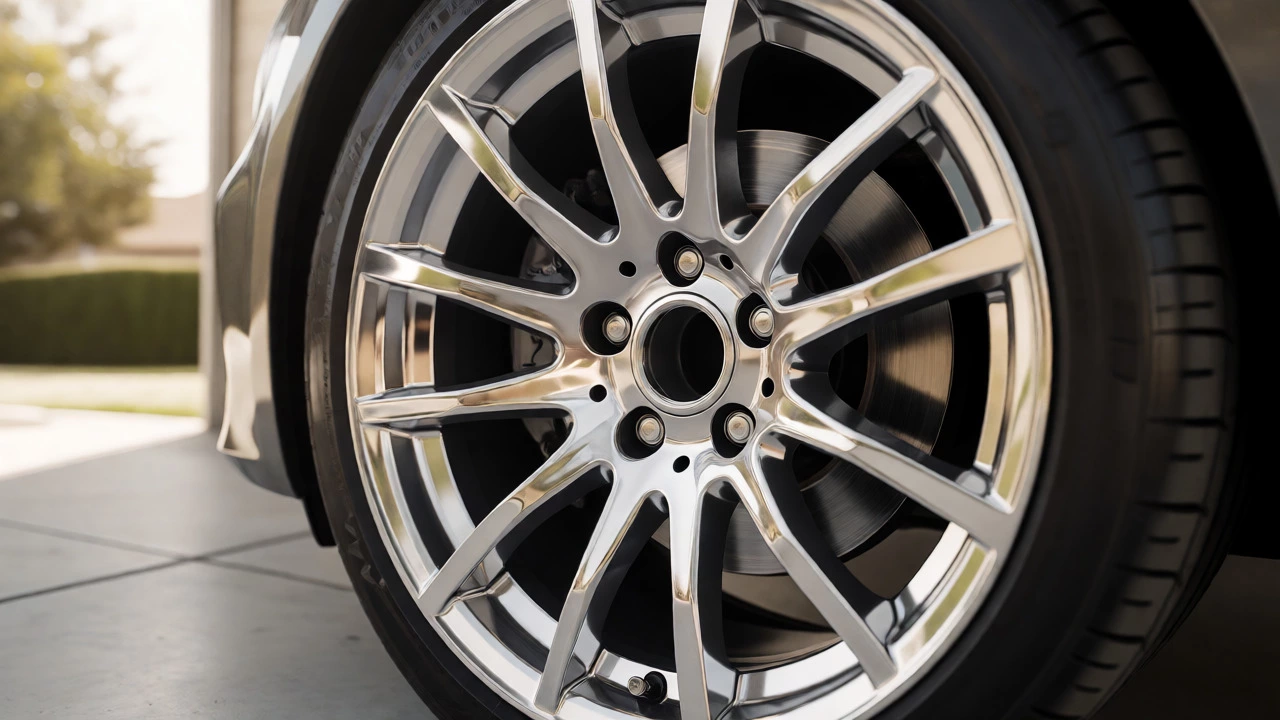
You just spent a decent chunk of change on a set of shiny new rims. They look great, the car handles better, and you feel like you’re driving something special. But then a question nags at you while you’re washing them on a Sunday afternoon: how long will these actually last?
It’s not a simple answer like "five years" or "100,000 miles." The truth is, an alloy wheel can outlive your car, or it can crack in three years if you hit one bad pothole too hard. It depends entirely on what you do with them, where you drive, and how much you care about them.
The Short Answer vs. The Real Reality
If you treat them right, most high-quality alloy wheels (made from cast or forged aluminum) should last anywhere from 15 to 20 years, or roughly the lifetime of the vehicle itself. That’s assuming normal driving conditions. No curb strikes, no salt-belt winters without cleaning, and regular inspections.
But here’s the kicker: structural integrity is different from cosmetic appearance. A wheel might still be safe to drive on for 20 years, but by year five, it might look terrible due to corrosion, brake dust buildup, or clear coat peeling. When people ask about lifespan, they usually mean two things: "When does it become unsafe?" and "When does it look so bad I want to replace it?" Let’s break down both.
What Actually Kills Alloy Wheels?
Alloy wheels are typically made from aluminum mixed with small amounts of nickel, copper, or magnesium. This mixture makes them lighter and stronger than steel, but also more brittle under certain stresses. Here are the main enemies that shorten their life:
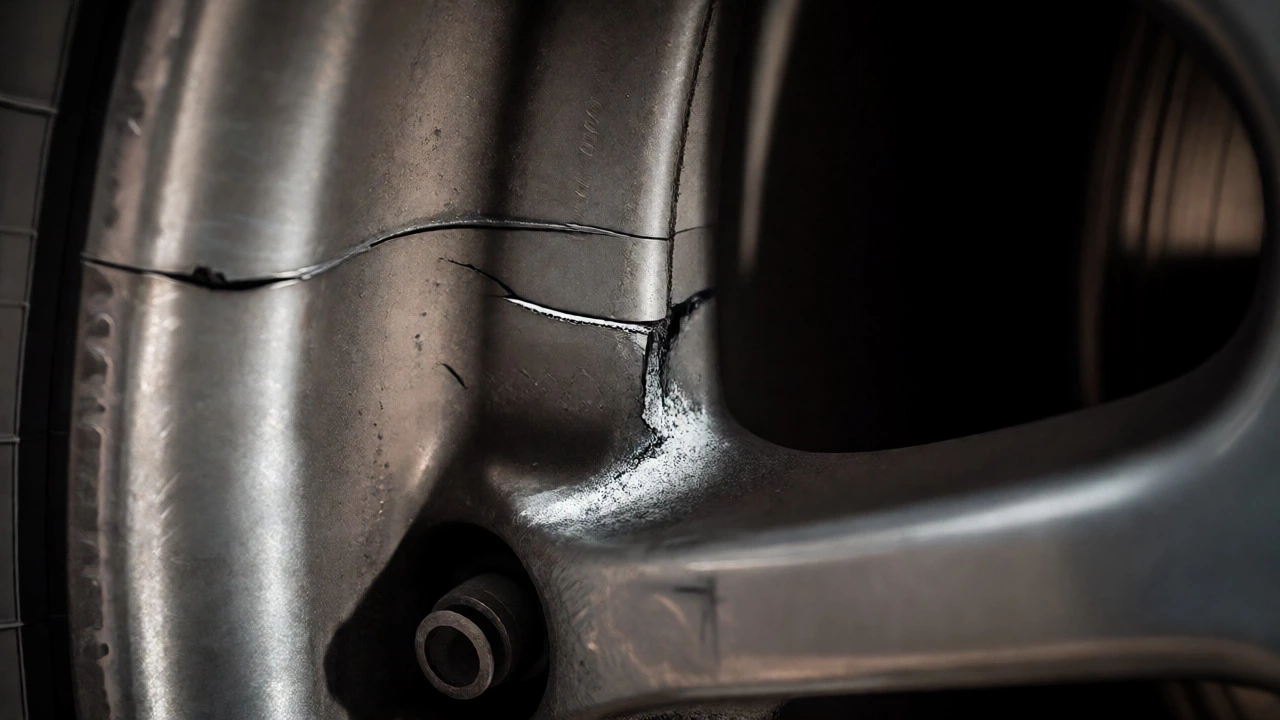
- Impact Damage: Hitting a deep pothole or slamming into a curb sends shockwaves through the metal. This can cause micro-cracks inside the rim barrel. These cracks aren’t always visible, but they weaken the structure over time.
- Corrosion and Oxidation: Road salt, brake cleaner chemicals, and even bird droppings can eat away at the finish. Once the protective coating is breached, moisture gets to the bare aluminum. This causes oxidation (that white powdery stuff) and pitting. If left unchecked, this can compromise the seal between the wheel and the tire bead, leading to slow leaks.
- Heat Stress: Aggressive braking generates massive heat. While alloys handle heat well, repeated extreme thermal cycling can weaken the metal grain structure, especially in cheaper cast wheels.
- Improper Torque: Over-tightening lug nuts during installation can warp the hub area or strip threads, causing uneven stress distribution that leads to fatigue cracks later on.
Cast vs. Forged: Does Manufacturing Matter?
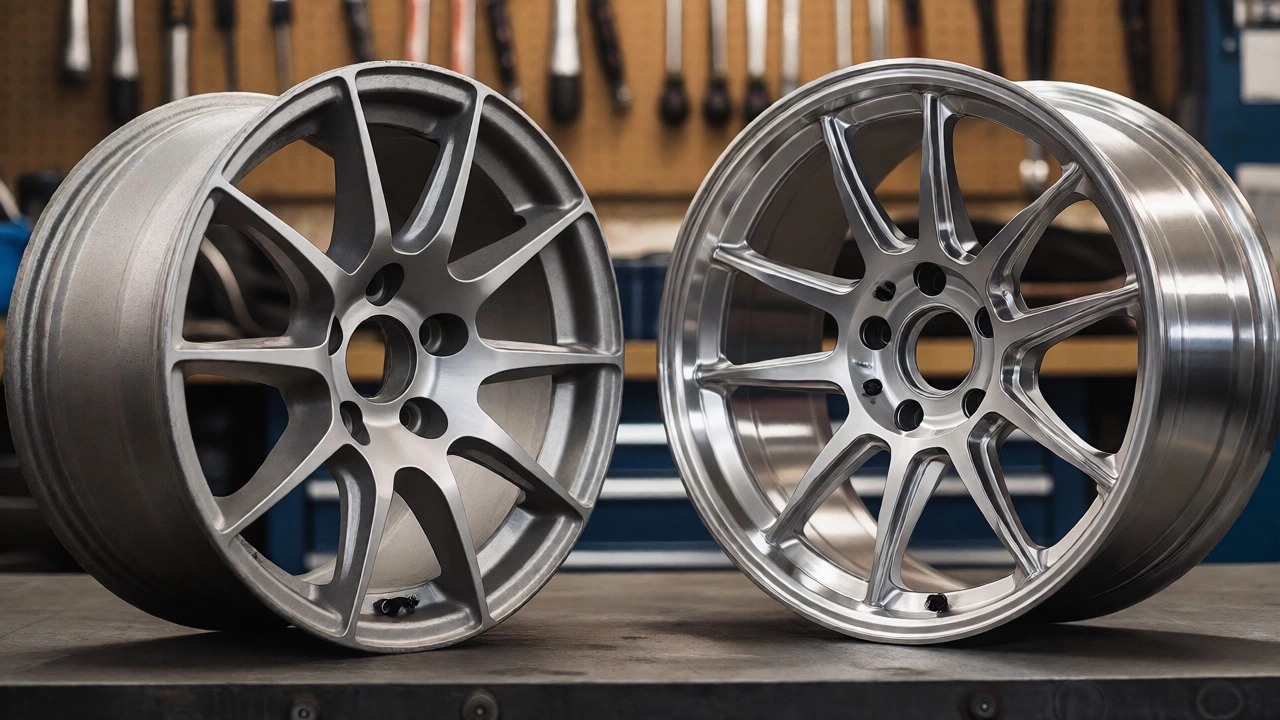
Not all alloy wheels are created equal. The manufacturing process significantly impacts durability and weight, which indirectly affects lifespan.
| Feature | Cast Alloy Wheels | Forged Alloy Wheels |
|---|---|---|
| Manufacturing Process | Molten aluminum poured into molds | Solid block compressed under immense pressure |
| Density & Strength | Lower density; potential for air bubbles/pores | High density; consistent grain structure |
| Weight | Heavier | Significantly lighter |
| Cost | Affordable ($100-$300 per wheel) | Premium ($400-$800+ per wheel) |
| Lifespan Expectancy | 10-15 years with good care | 15-20+ years; highly resistant to fatigue |
| Repairability | Easier to straighten/weld minor cracks | Harder to repair; often replaced if cracked |
Cast wheels are what you find on 90% of cars off the lot. They’re cheap to make but contain microscopic pores from the casting process. These pores can trap water and accelerate internal corrosion. Forged wheels are denser and stronger because the metal grains are aligned under pressure. They resist cracking better and generally last longer structurally, though they cost way more upfront.
Environmental Factors You Can’t Control
Where you live plays a huge role in how fast your wheels degrade.
If you live in a region that uses rock salt on roads in winter (like the Midwest US or parts of Canada), your wheels face a brutal assault. Salt accelerates galvanic corrosion, especially if your wheels have mixed metals (like chrome-plated aluminum). In these climates, expect to see significant cosmetic damage within 3-5 years unless you wash your wheels weekly during winter months.
Conversely, if you live in a dry, mild climate like Arizona or Southern California, your wheels might look brand new after ten years simply because there’s less chemical attack. However, UV exposure can fade clear coats over time, turning silver wheels slightly yellowish or dull.
How to Extend the Life of Your Alloy Wheels
You don’t need to baby them, but a little routine goes a long way. Here’s a practical checklist to keep them alive as long as possible:
- Wash Regularly: Brake dust isn’t just ugly; it’s abrasive and corrosive. Wash your wheels every time you wash your car, using a dedicated wheel cleaner that is pH-balanced. Avoid harsh acid-based cleaners on coated wheels.
- Apply Sealant or Wax: Every 3-6 months, apply a ceramic coating or high-quality wax specifically designed for wheels. This creates a barrier against road grime, salt, and brake dust.
- Check Tire Pressure: Under-inflated tires put extra stress on the wheel lip when hitting bumps. Keep your tires inflated to the manufacturer’s recommended PSI.
- Inspect for Cracks: Once a month, run your hand along the inner barrel of the wheel. Feel for rough spots or sharp edges. Visually inspect the spokes for hairline fractures. Early detection prevents catastrophic failure.
- Avoid Curb Rash: This sounds obvious, but parking carefully saves money. A deep curb cut can expose bare metal, starting the corrosion clock immediately.
When Should You Replace Them?
There are three scenarios where replacement is necessary, regardless of age:
- Structural Failure: If you see a crack running through a spoke or around the center bore, stop driving on it. Welding can sometimes fix minor cracks, but it’s risky and often not worth the cost compared to buying a new wheel.
- Bent Rim: A slight bend can be repaired by a professional shop. However, if the bend is severe or located near the valve stem, it might not hold air properly. Repeated repairs weaken the metal further.
- Severe Corrosion: If the wheel has pitted so badly that the surface feels rough like sandpaper, or if the corrosion is eating into the bead seat (where the tire seals), it’s time to go. A compromised bead seat means you’ll constantly fight flat tires.
Cosmetic wear is subjective. Some owners refinish wheels (strip paint, powder coat, or repaint) every 7-10 years to keep them looking fresh. This doesn’t extend structural life but resets the aesthetic clock.
Common Myths About Wheel Longevity
Myth 1: "Alloys rust like steel." False. Aluminum oxidizes, forming a hard layer of aluminum oxide. Steel forms flaky iron oxide (rust) that eats away material. Aluminum oxide actually protects the metal underneath, but only if the finish remains intact.
Myth 2: "If it looks fine, it’s safe." Not always. Internal fatigue cracks can grow slowly without visible signs until sudden failure occurs. This is why visual inspection isn’t enough; tactile inspection matters.
Myth 3: "More expensive wheels last longer." Usually true, but not guaranteed. A $1,000 forged wheel abused on rough roads will fail faster than a $100 cast wheel driven gently on smooth highways. Usage patterns trump price tags.
Frequently Asked Questions
Can I drive on a cracked alloy wheel?
It is highly discouraged. A crack compromises the structural integrity of the wheel. Under load, especially at highway speeds or during cornering, the crack can propagate rapidly, leading to wheel separation or collapse. Always replace or professionally assess a cracked wheel before driving.
Do alloy wheels expire like tires?
No, alloy wheels do not have an expiration date like rubber tires. Tires degrade due to ozone and UV exposure breaking down rubber compounds. Metal wheels do not suffer from this type of chemical degradation. Their lifespan is determined by physical damage and corrosion, not age alone.
Is it worth repairing a bent alloy wheel?
Yes, if the bend is minor (less than 1/4 inch) and located on the outer rim lip. Professional shops can heat and press the wheel back into shape. However, if the bend is severe, involves a crack, or is on the inner barrel, replacement is safer and often more cost-effective in the long run.
How does road salt affect alloy wheels?
Road salt accelerates corrosion by penetrating the clear coat and attacking the bare aluminum or underlying metal layers. It can cause bubbling, peeling, and pitting. In salt-heavy regions, frequent washing during winter is critical to prevent premature cosmetic and structural damage.
Can I use a pressure washer on my alloy wheels?
Yes, but use caution. High-pressure water can force moisture behind the tire bead or into brake components if aimed directly at the gaps. Use a wide-angle nozzle and keep the pressure moderate. Always follow up with a thorough rinse and dry to prevent water spots and corrosion.