Suspension Finder for Daily Drivers
Answer these three questions to find the ideal suspension setup for your daily driver.
Recommendation
TypeEstimated Cost
Comfort Level
Handling Gain
Pro Tip:
You bought a car because you like how it looks or maybe because it’s fun to drive. Then you hit your first pothole on the way to work, and suddenly that "fun" feels like a punishment for your spine. Or maybe you just want the car to sit lower without bouncing over every speed bump in Brisbane like a kangaroo on espresso. The truth is, there is no single "best" suspension for everyone. It depends entirely on what you tolerate versus what you enjoy.
Most people searching for this are stuck between two extremes: the factory setup that feels numb and boat-like, or the aggressive track-focused gear that makes grocery runs miserable. You want something in the middle. You want your car to look sharp, handle corners with confidence, but still let you sleep after a long commute. This guide breaks down the real-world options, from simple spring swaps to adjustable coilovers, so you can pick the right gear without wasting money on parts you’ll hate within a month.
Understanding the Daily Driver Dilemma
Before you buy anything, you need to understand why stock suspensions are often disappointing. Manufacturers design cars to appeal to the widest possible audience. That means compromising. A stock suspension system is tuned for maximum comfort and minimum noise, vibration, and harshness (NVH). They use soft springs and dampers with low rebound rates. The result? Your car floats. In corners, the body rolls significantly. Under braking, the nose dives. It’s safe, sure, but it disconnects you from the road.
The problem with upgrading isn’t just about stiffness; it’s about balance. If you make the springs too stiff without adjusting the dampers, the wheel will skip across bumps instead of absorbing them. If you make the dampers too hard, you’ll feel every crack in the asphalt. The goal for daily driving is compliance-keeping the tire in contact with the road while isolating the cabin from high-frequency vibrations.
| Suspension Type | Comfort Level | Handling Improvement | Cost Range (AUD) | Best For |
|---|---|---|---|---|
| Lowering Springs | High (if matched with OEM shocks) | Moderate | $400 - $800 | Stance & mild handling gains |
| Coilovers (Fixed Height) | Medium-High | High | $1,200 - $2,500 | Track days + street use |
| Adjustable Coilovers | Variable (Soft to Hard) | Very High | $2,000 - $5,000+ | Enthusiasts who tune settings |
| Air Suspension | Very High (at ride height) | Low-Moderate | $3,000 - $6,000+ | Show cars & variable clearance |
Option 1: Lowering Springs - The Sweet Spot?
If you only care about looking good and slightly improving cornering, lowering springs are replacement coil springs that reduce ride height by 20-40mm. Brands like Eibach, H&R, and Swift are popular here. They are cheaper than coilovers and easier to install. But here is the catch: most lowering springs have a higher spring rate (stiffness) than stock. If you keep your original shock absorbers, they might not be able to control the faster oscillation of the stiffer springs. This leads to a bouncy, unstable ride.
To make lowering springs work well for daily driving, you usually need to pair them with sport-tuned dampers. Some manufacturers sell these as "kits." If you don’t change the shocks, expect a firmer ride. Is it painful? Not necessarily. But if your commute involves rough roads, you will notice the difference immediately. For many drivers, the drop in center of gravity is worth the slight increase in firmness. It reduces body roll and makes the car feel more planted at highway speeds.
Option 2: Coilovers - Control and Customization
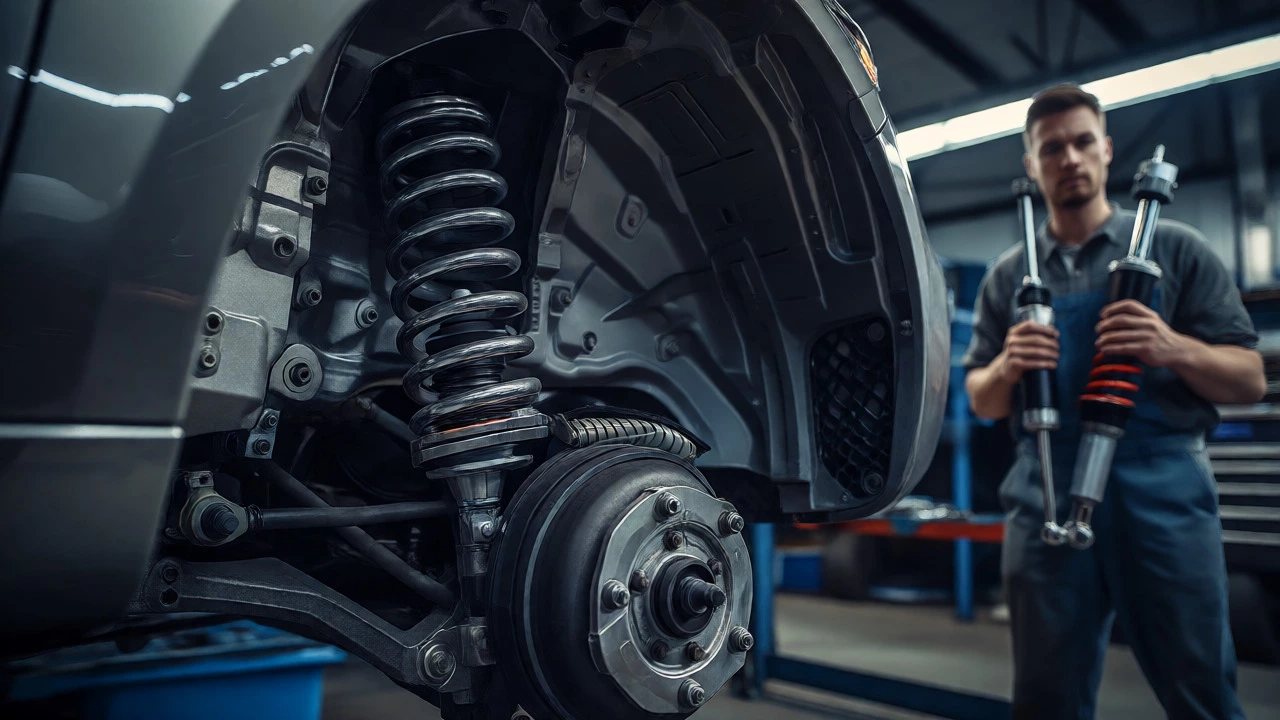
When people hear "coilovers," they often imagine loud, rattling race cars. Modern street coilovers are different. A proper coilover kit replaces both the spring and the damper with an integrated unit. This allows you to adjust ride height independently of spring preload. Why does this matter? Because you can set the car low for parking and weekend drives, then raise it slightly if you’re going off-road or hitting bad roads.
For daily driving, look for coilovers with adjustable damping. This lets you soften the ride when you’re commuting and stiffen it up when you’re attacking backroads. Entry-level brands like BC Racing or Tein Street Basis offer decent value. Higher-end options like KW Variant 3 or Öhlins Road & Track provide superior build quality and smoother adjustment ranges. The key advantage here is tunability. You aren’t stuck with one setting forever.
However, cheap coilovers are notorious for poor valve tuning. They can feel harsh and unpredictable. If your budget is under $1,500 AUD, I’d honestly recommend sticking with quality springs and matched shocks rather than buying bargain-bin coilovers. You’ll get a better daily driver experience.
Option 3: Air Suspension - Flexibility at a Cost
Air suspension uses rubber bags instead of metal springs. The main draw is the ability to change ride height instantly. You can slam the car for shows and raise it to clear steep driveways. For daily driving, air setups can be incredibly comfortable because air compresses progressively. However, they are complex. Compressors fail, lines leak, and bags dry out. Maintenance is higher, and repairs are expensive.
In Australia, where rust and road debris are common, air lines can be vulnerable. Unless you absolutely need the visual impact or the ability to raise the car frequently, air suspension adds complexity that many daily drivers regret. It’s best reserved for enthusiasts who enjoy working on their cars or those who prioritize aesthetics over simplicity.
Key Factors: Spring Rate vs. Damper Tuning
The biggest mistake DIY modifiers make is focusing only on spring rate. Spring rate determines how much weight the spring supports. Damper tuning determines how quickly the spring returns to its resting position. These two must match. If you put stiff springs on soft stock shocks, the car will bounce excessively. If you put soft springs on stiff race shocks, the car will feel jittery and unsettled.
Here is a rule of thumb: For daily driving, aim for a spring rate increase of no more than 15-20% over stock. Anything higher starts to compromise tire contact patch consistency on uneven surfaces. Also, pay attention to the damper’s compression and rebound settings. Rebound controls how fast the spring extends after being compressed. Too much rebound damping causes the car to "pack down" over successive bumps, making the ride feel harsher than it should.
Real-World Examples: What Works in Brisbane
Living in Brisbane means dealing with specific road conditions. We have smooth highways, but also older suburban streets with tree-root heaves and occasional potholes. A super-low stance might scrape on speed bumps. Here’s what actually works for locals:
- The Commuter Special: Eibach Pro-Kit springs paired with Bilstein B4 or B6 shocks. This combo drops the car about 30mm, improves steering response, and maintains near-stock comfort. It’s reliable and widely available.
- The Weekend Warrior: Tein Flex Z coilovers. They offer adjustable height and damping. You can run them soft for weekdays and tighten them up for Saturday morning drives. They are durable enough for Australian heat and dust.
- The Stance Compromise: Swift Springs with Koni Sport dampers. Swift springs are known for progressive winding, meaning they stay soft initially but get stiffer as they compress. This provides a surprisingly compliant ride despite the low height.
Installation and Alignment Matters
No matter which suspension you choose, installation quality dictates performance. Cheap shops often reuse old top mounts or fail to torque bolts correctly. Always replace top mounts and bump stops when changing springs. Old rubber degrades and creates clunking noises.
More importantly, you must get a four-wheel alignment after any suspension change. Changing ride height alters camber and toe angles. Without proper alignment, you’ll eat through tires in a few thousand kilometers and experience steering pull. Budget an extra $150-$250 for a quality alignment. Don’t skip this step-it’s non-negotiable.
Pitfalls to Avoid
Avoid "cutting springs." It sounds cheap and easy, but cutting a coil spring changes its natural frequency unpredictably. It often results in a harsh, noisy ride and premature shock failure. It’s a temporary fix at best.
Also, beware of ultra-cheap coilovers from unknown online brands. While the price tag is attractive, the internal valves are often poorly calibrated. They may leak oil within a year or develop uneven damping characteristics. Check forums and local owner groups before buying. Ask specifically about longevity and warranty support.
Final Verdict: Which Should You Buy?
If you want the best balance of cost, comfort, and looks, start with high-quality lowering springs and matched sport shocks. It’s the least risky upgrade for a daily driver. If you crave adjustability and plan to tweak your setup over time, invest in reputable entry-level coilovers. Skip air suspension unless you have the budget for maintenance and a strong desire for show-stopping visuals.
Remember, the "best" suspension is the one you forget about. It should enhance your driving experience without demanding constant attention. Test drive similar setups if possible. Talk to owners in your area. Your spine will thank you later.
Do lowering springs ruin my shocks?
Not necessarily, but they can shorten their lifespan. Lowering springs are often stiffer than stock, which puts more stress on original equipment (OEM) shocks. If your shocks are already worn, new springs will accelerate their failure. For the best daily driving experience, it is recommended to replace shocks with sport-tuned units when installing lowering springs.
Are coilovers uncomfortable for daily driving?
Cheap coilovers often are, but high-quality street coilovers are designed for comfort. Look for kits with adjustable damping so you can soften the ride. Brands like KW, Öhlins, and Tein offer models specifically tuned for street use that remain compliant over bumps while offering improved handling.
How much lift/drop is safe for daily driving?
A drop of 25-40mm is generally safe for most sedans and hatchbacks. Going lower increases the risk of scraping on speed bumps, steep driveways, and loading zones. Ensure you check clearance with passengers and luggage, as the car will sit lower under load.
Do I need an alignment after changing suspension?
Yes, absolutely. Changing ride height alters the geometry of your suspension, affecting camber, caster, and toe. An improper alignment will cause uneven tire wear, poor steering response, and potential safety issues. Always budget for a professional four-wheel alignment after installation.
Is air suspension good for daily driving?
It can be very comfortable due to the progressive nature of air springs. However, it requires regular maintenance and carries a higher risk of mechanical failure compared to steel springs. For a hassle-free daily driver, traditional coil springs or coilovers are usually more reliable and cost-effective in the long run.