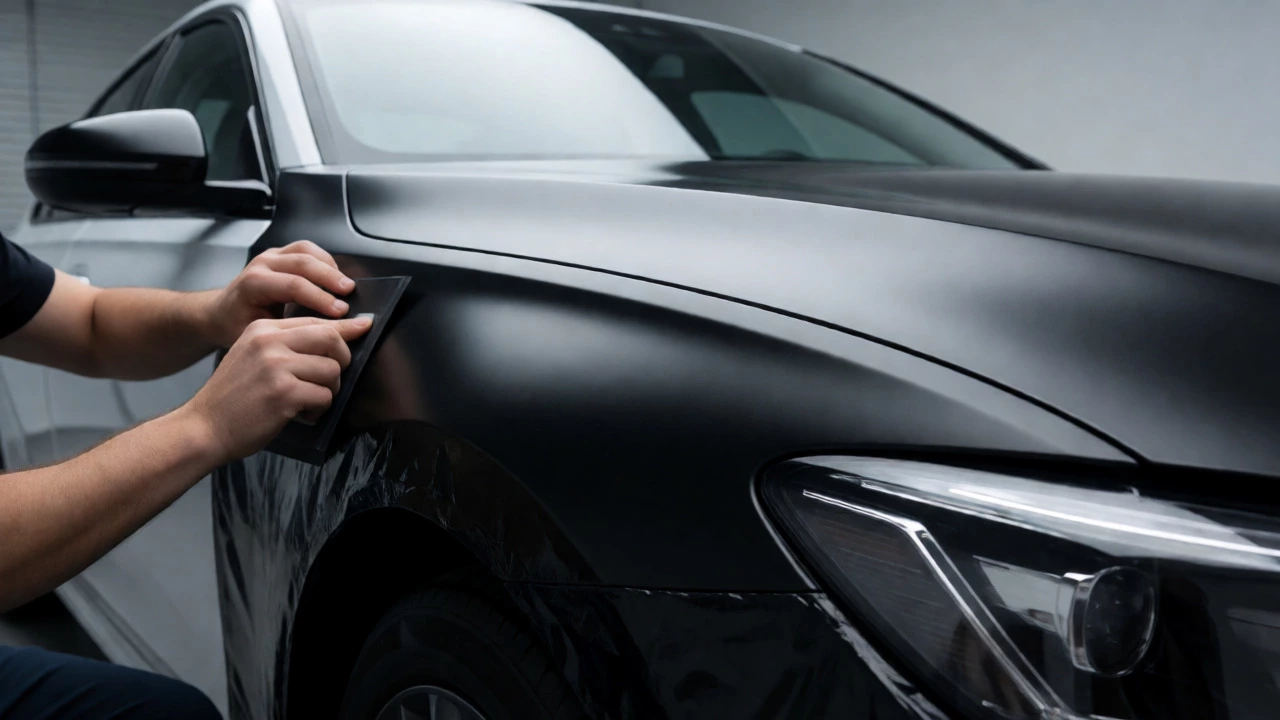
Car Wrap Eligibility Checker
Answer the questions below to see if you can legally and practically wrap your current vehicle.
You just bought a matte black vinyl sheet, ready to transform your daily driver into a stealth machine. But before you start peeling and sticking, there is a question that trips up almost every enthusiast: what car are you not allowed to wrap? The answer isn't just about what looks cool; it's about local laws, insurance policies, and the physical reality of your paint job. If you ignore these constraints, you might end up with a fine, an invalid warranty, or a peeling mess on your hood.
The truth is, no law bans wrapping cars entirely. However, specific conditions make wrapping illegal, impractical, or financially disastrous. In Australia, where I live in Brisbane, regulations differ slightly from the US or Europe, but the core principles remain universal. This guide breaks down exactly which vehicles you should leave alone, why certain colors get you flagged by police, and how to check if your specific model can handle a full body change.
Legal Color Restrictions and Police Visibility
First, let’s tackle the legal side. You cannot wrap your car in a color scheme that mimics emergency vehicles. This is the most common legal pitfall. If your wrap makes your sedan look like a police cruiser, an ambulance, or a fire truck, you are breaking the law in most jurisdictions, including Queensland and New South Wales in Australia.
What does this mean practically? Avoid high-visibility yellow, bright orange, or specific blue-and-white combinations that are reserved for official services. Some councils even restrict reflective materials on private vehicles because they dazzle other drivers at night. For instance, a fully chrome wrap might look stunning in daylight, but under headlights, it can act like a mirror, causing glare hazards. Always check your local transport authority guidelines before ordering a roll of chrome film.
Vehicles With Pre-Existing Paint Damage
Here is a practical restriction that feels like a legal one: you shouldn’t wrap a car with significant rust or bubbling paint. Vinyl wrap adheres to the surface, not the structure underneath. If your clear coat is peeling or you have rust bubbles forming under the primer, the wrap will trap moisture against the metal. This accelerates corrosion, turning a cosmetic fix into a structural nightmare within six months.
Consider a 10-year-old Holden Commodore with sun damage on the roof. Wrapping it might hide the fading, but if the underlying clear coat is chalky, the adhesive won’t bond properly. It will lift at the edges within weeks. Mechanics and detailers consistently warn that wrap is a cosmetic layer, not a repair solution. If the paint needs sanding or respraying, do that first. Otherwise, you’re wasting money on premium vinyl over a failing foundation.
Lease Vehicles and Warranty Constraints
If you drive a leased car, you might be legally restricted from wrapping it without explicit permission. Most lease agreements classify a full body wrap as a modification that alters the vehicle’s condition. When you return the car, the leasing company may charge you for removal costs or potential paint damage.
Furthermore, manufacturer warranties can be voided if the installation process damages existing components. For example, removing door handles, badges, and trim pieces is standard procedure for a clean wrap. If the installer cracks a plastic clip or strips a screw thread, the manufacturer might deny a claim related to that area later. Always read the fine print of your lease agreement. Some companies allow partial wraps (like just the roof) but ban full-body color changes.
Complex Body Lines and Panel Gaps
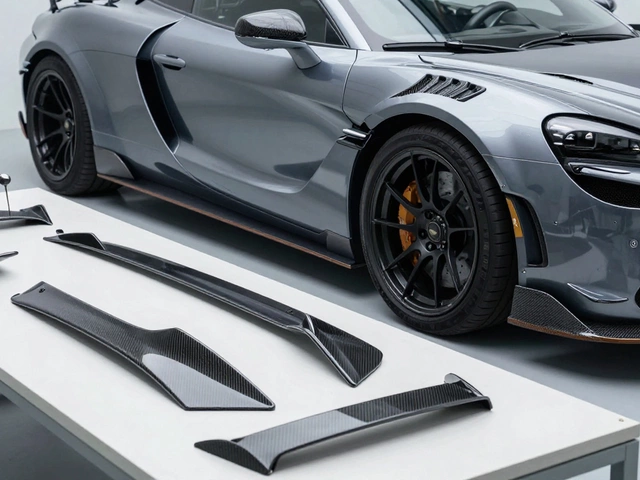
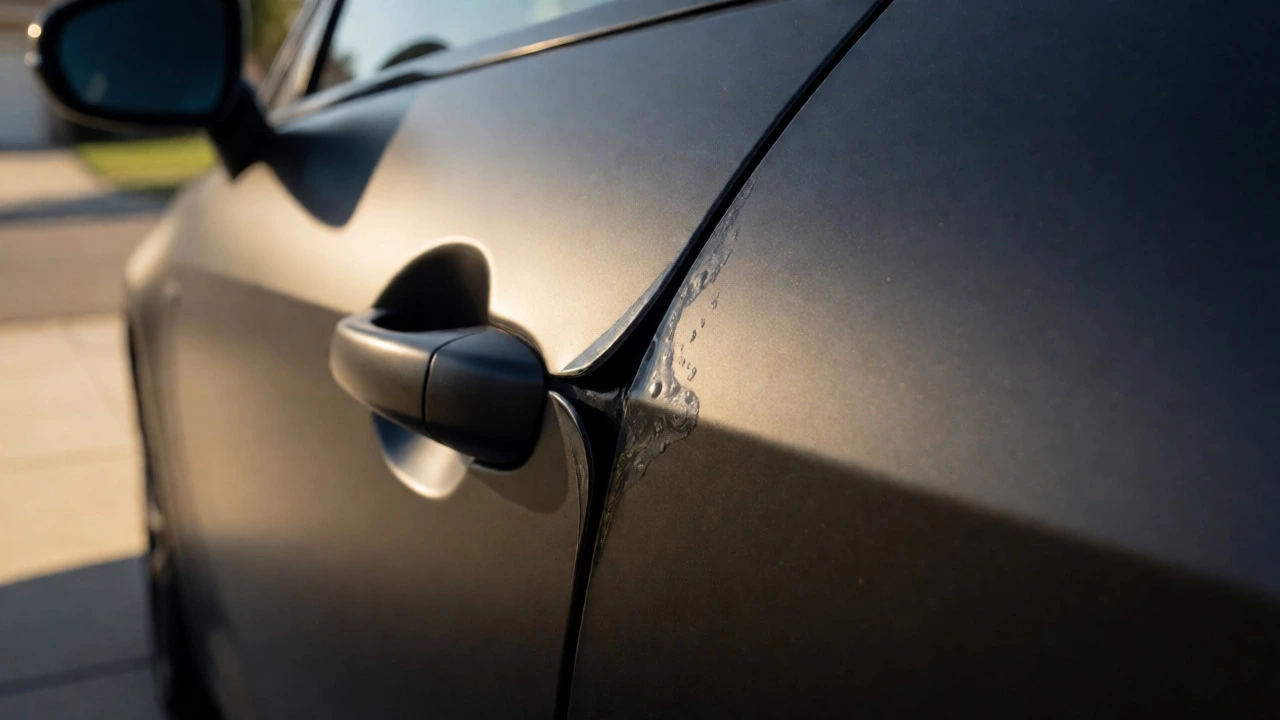
Not all cars are physically suited for wrapping. Vehicles with aggressive aerodynamic features, deep panel gaps, or complex curves present technical challenges. Think of supercars like the Lamborghini Aventador or modern hot hatches with sharp creases. These designs require highly skilled installers who use heat guns extensively to stretch the vinyl without tearing.
If you attempt a DIY wrap on a car with tight wheel arches or compound curves, you risk creating wrinkles and air pockets. These imperfections not only look bad but also trap dirt and water, leading to premature failure. While not "illegal," these cars are effectively "not allowed" for amateur wrappers due to the high skill threshold required. Professional installers often quote higher rates for these models, sometimes doubling the labor cost compared to a flat-sided sedan.
| Car Type | Wrap Difficulty | Common Issues | Recommended Action |
|---|---|---|---|
| Modern Sedan (e.g., Toyota Camry) | Low | Minimal panel gaps, flat surfaces | Ideal for DIY or Pro |
| Sports Coupe (e.g., Mazda MX-5) | Medium | Curved fenders, small panels | Professional Install Recommended |
| Supercar (e.g., Ferrari 488) | High | Aggressive aero, carbon fiber parts | Specialist Installer Only |
| Older Classic (e.g., Ford Falcon) | Variable | Rust, uneven paint, large gaps | Repair Paint First |
Insurance Implications
Your insurer has the final say on whether you can wrap your car. A vinyl wrap is considered a modification. If you fail to declare it, and you crash, the insurer might reduce your payout or reject the claim entirely. Why? Because the value of the car might have changed, or the repair method differs. Replacing a wrapped panel costs more than repainting a stock one because the wrap must be matched or replaced across adjacent panels to avoid visible seams.
In Australia, comprehensive insurance providers typically require notification of any non-factory modifications. Some insurers add a small surcharge, while others include it in the base policy if the wrap is professionally installed. Check your policy documents. If you don’t tell them, you risk being uninsured for the cost of the wrap itself, even if the underlying damage is covered.
Environmental Factors in Your Location
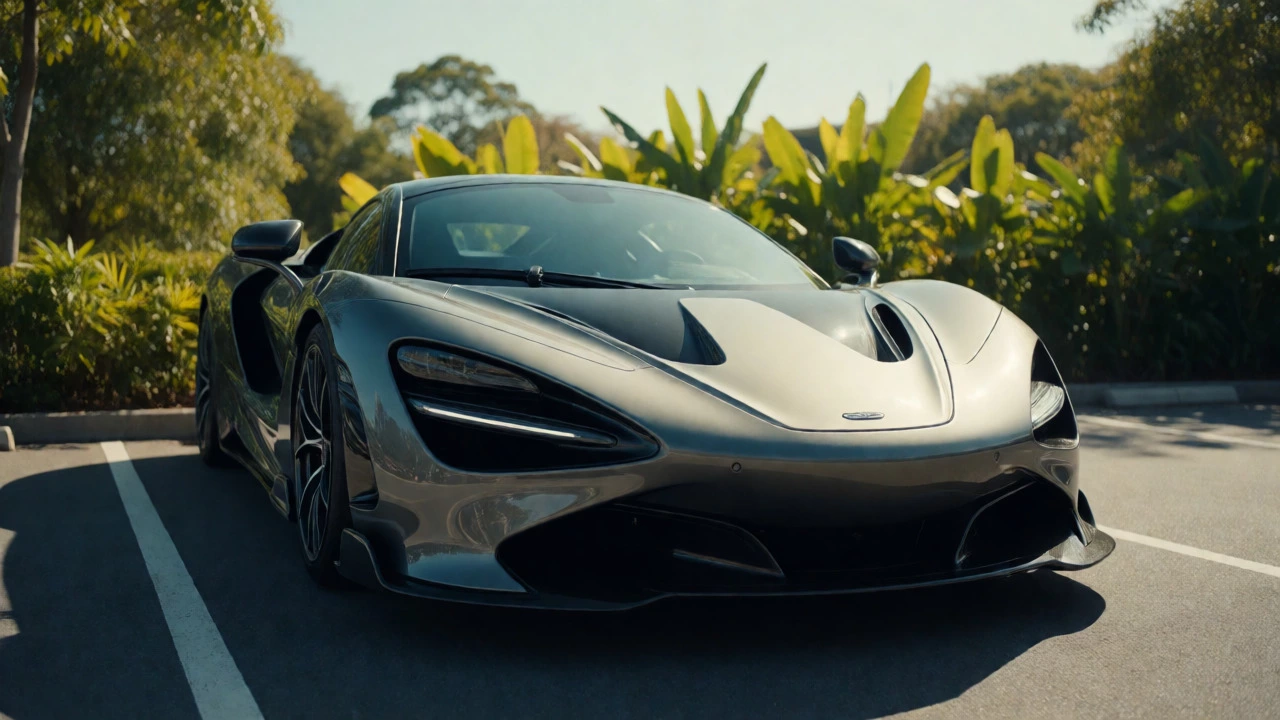
Where you live matters. In Brisbane, intense UV exposure degrades vinyl faster than in cooler climates. Cheap vinyl wraps fade and crack within two years here. High-quality cast vinyl lasts longer, but even then, extreme heat can soften adhesives, causing edges to lift. If you park outside regularly, factor this into your decision.
Similarly, coastal areas with salt spray pose a risk. Salt can corrode the adhesive bond, especially around door jambs and fuel caps. Regular washing becomes critical. If you neglect maintenance, the wrap fails prematurely. So, while no law stops you from wrapping a car in a tropical zone, the environmental stressors make it a poor financial choice unless you use top-tier materials and maintain rigorously.
How to Check If Your Specific Car Can Be Wrapped
Before buying vinyl, perform these three checks:
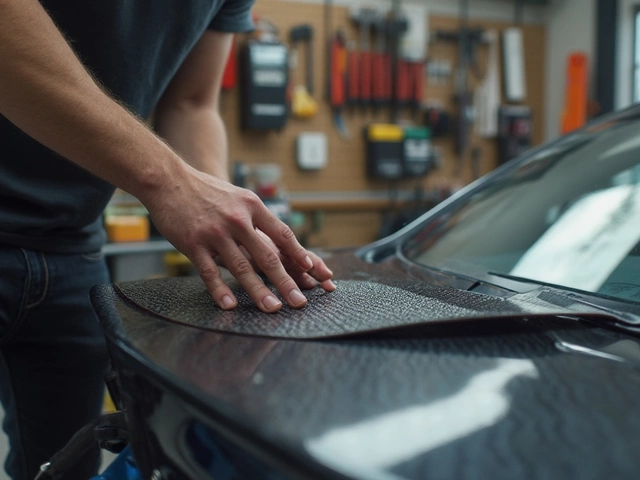
- Paint Inspection: Run your hand over the surface. Is it smooth? Any rust spots or deep scratches? If yes, fix them first.
- Local Laws: Search your state’s transport website for "vehicle color modification rules." Ensure your chosen color doesn’t mimic emergency services.
- Insurance Notification: Call your insurer. Ask specifically about declaring a vinyl wrap and how it affects your premium and claims process.
If all three boxes tick positively, you’re good to go. Remember, wrapping is reversible. Unlike paint, you can peel it off when you sell the car, potentially preserving the original factory finish. This resale advantage often outweighs the initial cost, provided you follow the restrictions outlined above.
Can I wrap my car any color?
No. You generally cannot use colors that closely resemble emergency vehicles (police blue, ambulance white/yellow, fire red/orange schemes). Additionally, some regions restrict highly reflective chrome finishes due to glare concerns.
Does wrapping a car void its warranty?
It usually doesn't void the entire warranty, but it can affect claims related to the bodywork. If the installation damages sensors, trim, or paint, those specific repairs might not be covered. Always notify the dealer or manufacturer if required by your contract.
Is it illegal to wrap a car in Australia?
No, it is not illegal to wrap a car in Australia. However, you must update your vehicle registration details if the color change is permanent or significantly different. Failing to do so can result in fines during roadside inspections.
Can I wrap a car with rust?
You can physically apply vinyl over minor surface rust, but it is not recommended. The wrap traps moisture, accelerating corrosion. Significant rust requires repair and priming before wrapping to ensure longevity and prevent further damage.
Do I need to inform my insurance company about a car wrap?
Yes, you must inform your insurance provider. A wrap is considered a modification. Failure to disclose it could lead to claim disputes or reduced payouts, as the repair costs for wrapped panels differ from standard painted ones.