Alloy Wheel Offset & Fitment Calculator
Have you ever stood in front of a wall of shiny rims, completely lost because the numbers on the sticker make no sense? You see something like "18x8.5 ET35" or "5x114.3," and it might as well be ancient hieroglyphics. It’s frustrating, especially when buying the wrong size can ruin your car’s handling, void warranties, or simply not fit at all.
Understanding these numbers isn’t rocket science, but it is essential. Whether you are looking to upgrade your daily driver for better looks or performance, knowing what alloy wheel sizes mean saves you money and headaches. Let’s break down exactly what those codes tell you about the wheel, how it fits your car, and why getting the math right matters more than just picking the biggest rim you can find.
The Basics: Diameter and Width
When you look at a wheel specification, the first two numbers are usually the most obvious. They represent the physical dimensions of the Alloy Wheel, which is a lightweight wheel made from aluminum or magnesium alloys used to improve vehicle performance and aesthetics. These are measured in inches, not millimeters, which often confuses people used to metric measurements.
The first number is the Wheel Diameter. If you see an "18" at the start, that means the wheel is 18 inches across from one inner edge to the other. This determines the size of the tire you need to buy. An 18-inch wheel requires an 18-inch tire. You cannot put a 17-inch tire on an 18-inch rim; it physically won’t stretch enough to seal against the bead.
The second number is the Wheel Width. In our example "18x8.5," the 8.5 stands for 8.5 inches wide. This measurement is taken from the inner lip to the outer lip of the wheel. Why does width matter? Because it dictates how wide your tire can be. A narrow wheel forces a wide tire to bulge out unnaturally, causing uneven wear and poor handling. Conversely, putting a skinny tire on a wide wheel leaves gaps and reduces grip. Manufacturers provide a recommended range of tire widths for each wheel width, so always check that chart before buying.
Bolt Pattern: The Key to Fitment
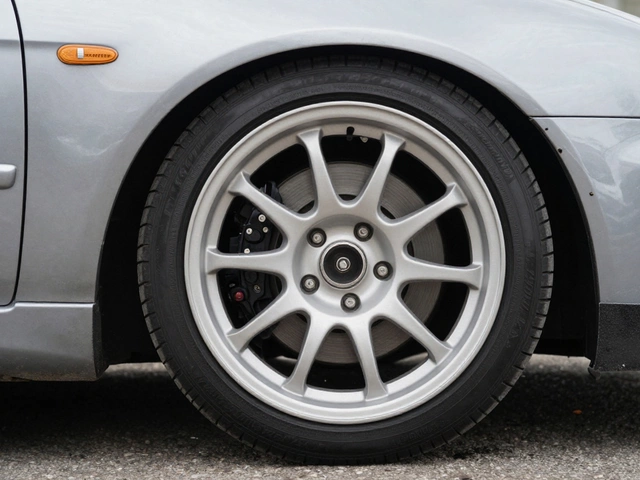
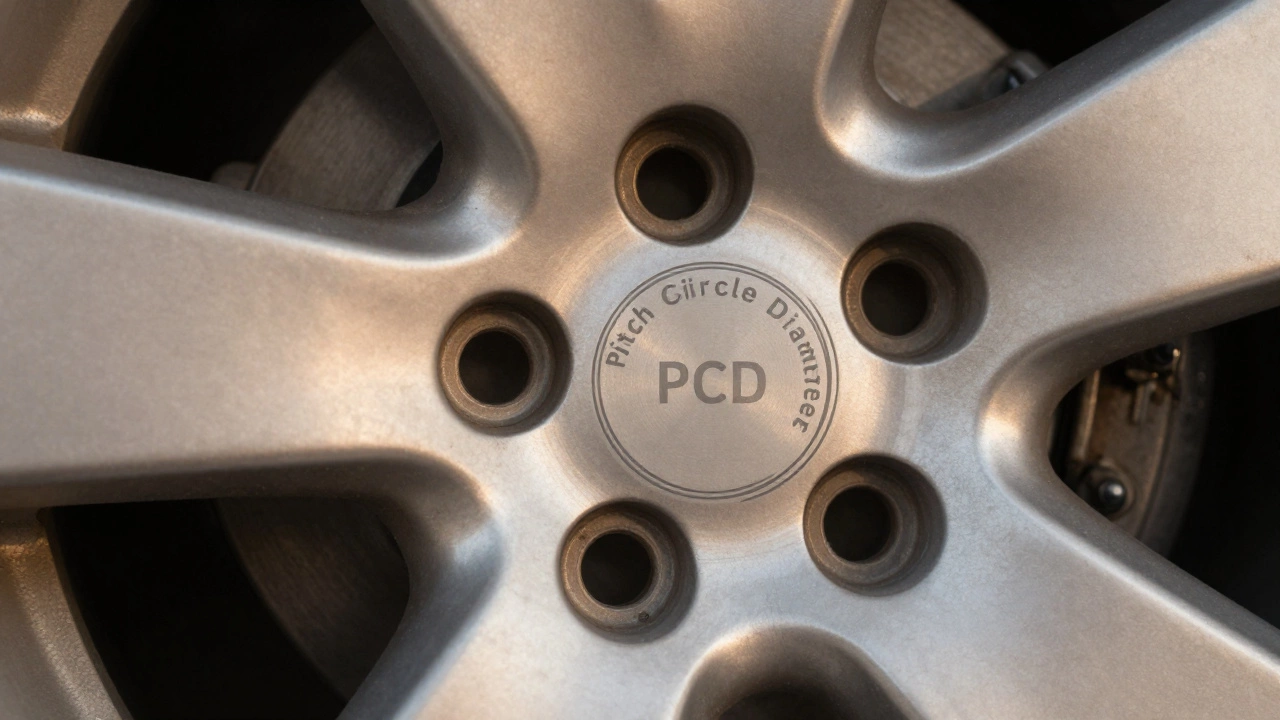
If diameter and width determine the tire, the bolt pattern determines if the wheel actually attaches to your car. This is often written as two numbers separated by a multiplication sign, like "5x114.3" or "6x139.7."
The first number tells you how many Lug Holes are the holes in the wheel where the lug nuts secure the wheel to the hub. Most cars have five, but trucks and SUVs often have six, and some heavy-duty vehicles have eight. The second number is the Pitch Circle Diameter (PCD), measured in millimeters. This is the diameter of the circle that passes through the center of each lug hole.
Here is the catch: you cannot use adapters to change your bolt pattern safely in most cases. If your car has a 5x100 PCD and you buy wheels with a 5x114.3 PCD, they will not line up. The holes won’t match. Some people try to drill new holes, but this weakens the wheel structure and is dangerous. Always confirm your car’s specific bolt pattern using your owner’s manual or a reputable database before ordering. It’s the single most critical fitment factor after diameter.
Offset and Backspacing: The Hidden Geometry
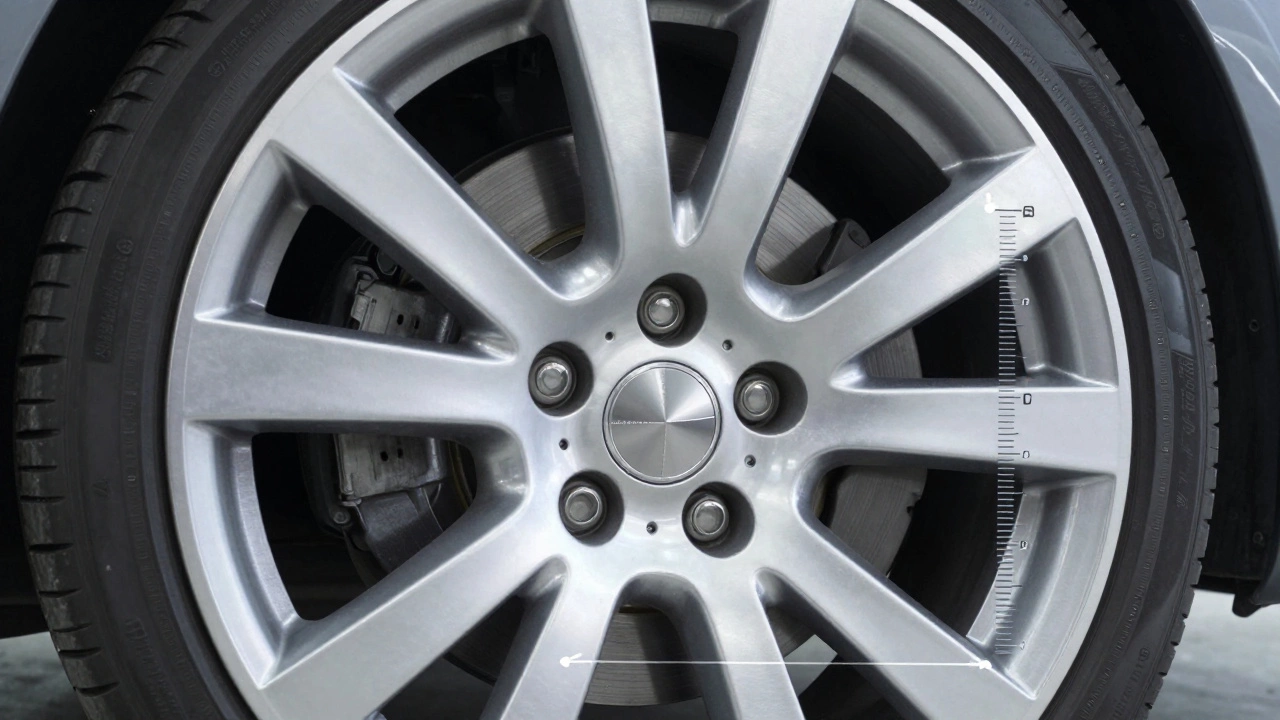
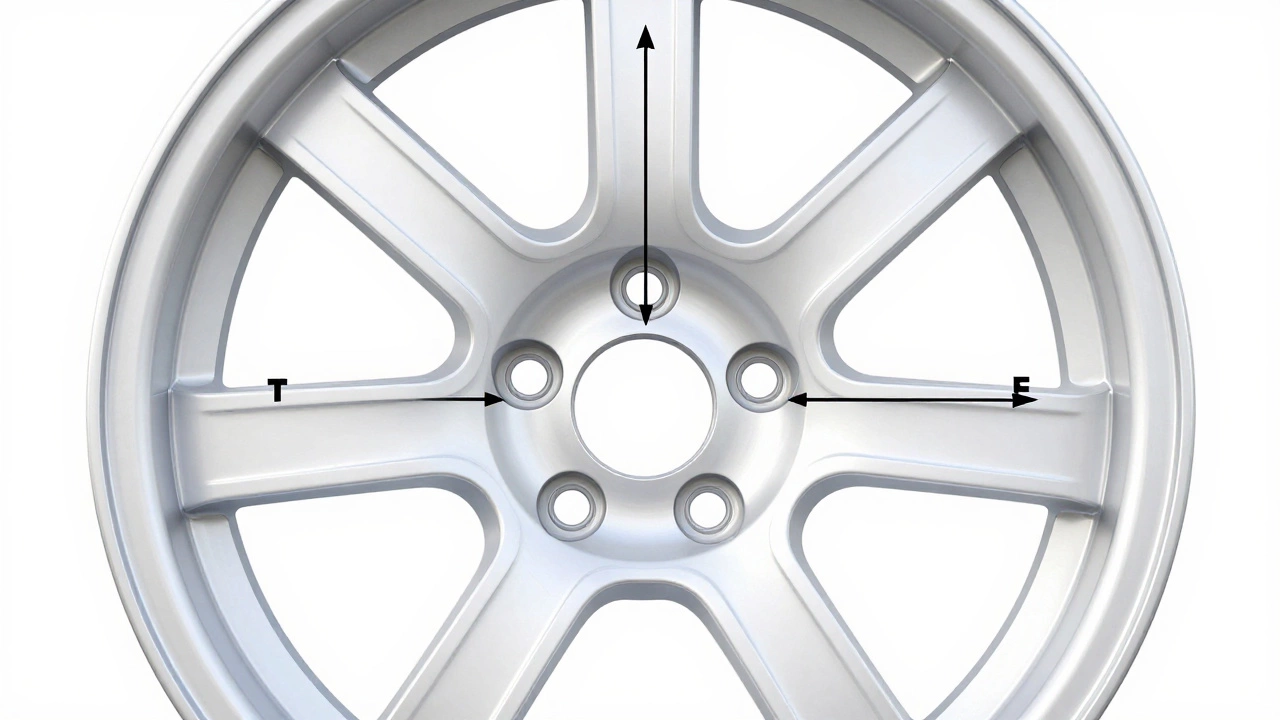
This is where most people get tripped up. You’ve seen the term "ET" followed by a number, like ET35 or ET0. This stands for Wheel Offset, which is the distance between the wheel's mounting surface and its true centerline, measured in millimeters. It controls how far in or out the wheel sits relative to your suspension.
Imagine a line drawn directly through the middle of your wheel’s width. That’s the centerline. If the mounting face (where the wheel touches the hub) is exactly on that line, the offset is zero. If the mounting face is pushed toward the outside of the car (away from the suspension), the offset is positive. If it’s pushed toward the inside (into the engine bay), the offset is negative.
- Positive Offset: Common on front-wheel-drive cars. The wheel tucks inward, reducing stress on bearings but potentially causing rubbing against brake calipers if too high.
- Negative Offset: Popular in off-roading and muscle cars. The wheel sticks out, giving a wider stance and aggressive look, but increases strain on wheel bearings and steering components.
- Zero Offset: Often found in rear-wheel-drive sports cars or race applications for balanced geometry.
Changing your offset drastically without understanding the consequences can lead to premature bearing failure or tires rubbing against fenders during turns. For example, switching from an ET45 to an ET20 moves the wheel outward by 25mm. That might look cool, but it could cause your tire to hit your strut tower when you turn the steering wheel fully left. Always calculate the change carefully.
Center Bore: Ensuring Proper Alignment
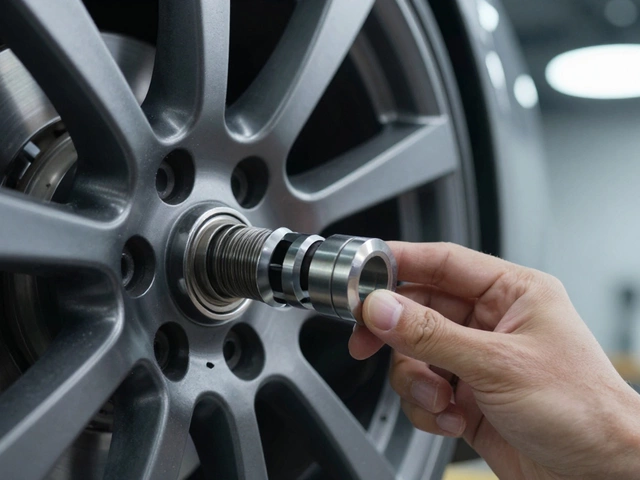
Another crucial spec is the Center Bore, which is the circular hole in the center of the wheel that fits over the car's hub. Your car’s hub has a specific diameter, and the wheel must match it perfectly. If the wheel’s center bore is smaller than your hub, the wheel won’t go on. If it’s larger, the wheel will wobble because it’s hanging solely on the lug nuts, which aren’t designed to center the wheel.
Many aftermarket wheels come with slightly larger center bores to fit multiple models. In this case, you use Hubcentric Rings, which are plastic or metal rings that fill the gap between the wheel's center bore and the car's hub. These rings ensure the wheel is centered properly, reducing vibration at highway speeds. Never skip these rings if your wheel doesn’t match your hub size exactly. Driving with lug-centric wheels (relying only on bolts) can cause shimmies that damage your CV joints over time.
| Specification | Typical Range | Impact on Vehicle |
|---|---|---|
| Diameter | 15" - 22" | Larger diameters reduce tire sidewall, improving cornering response but harshening ride comfort. |
| Width | 6.0" - 12.0" | Wider wheels allow wider tires for better grip but increase rolling resistance and fuel consumption. |
| Offset (ET) | -20 to +50 | Controls wheel position relative to suspension; affects clearance and bearing load. |
| Bolt Pattern | 4x100 to 8x180 | Determines physical attachment; must match vehicle exactly. |
| Center Bore | 54.1mm - 73.1mm | Ensures wheel centers on hub; mismatches require hubcentric rings. |
Tire Size and Overall Diameter
You can’t talk about wheel sizes without mentioning the tire. When you upsizing from 17-inch to 18-inch wheels, you must compensate with a tire that has less sidewall height to keep the overall Overall Tire Diameter close to the total height of the tire and wheel assembly, affecting speedometer accuracy and ground clearance. original factory specifications.
If you increase the overall diameter too much, your speedometer will read slower than your actual speed, leading to speeding tickets. More importantly, larger diameters can interfere with ABS sensors and traction control systems, which rely on precise wheel rotation data. Generally, staying within 3% of the original tire diameter is safe. Use an online tire size calculator to compare your current setup with potential upgrades. Input your current tire code (e.g., 205/55R17) and the new wheel/tire combo to see the percentage difference.
Choosing the Right Size for Your Needs
So, how do you pick? Start with your goals. Do you want a smoother ride? Stick closer to your stock diameter. Larger wheels mean thinner tire sidewalls, which transmit more road imperfections into the cabin. Do you want better cornering? A slight increase in width and diameter can help, provided you upgrade your brakes and suspension accordingly.
Consider your driving environment. If you live in Brisbane, Australia, where we get occasional potholes and rough suburban streets, massive 20-inch rims with low-profile tires might crack under stress. Smaller wheels with taller sidewalls absorb bumps better. Also, remember that wider wheels increase unsprung weight, which can negatively affect acceleration and fuel economy unless you choose lightweight forged alloys.
Always verify clearance. Measure the space between your tire and the inner fender liner, brake caliper, and suspension arms. Turn your steering wheel lock-to-lock and compress the suspension by pushing down on the bumper. Ensure there’s at least 6-10mm of gap throughout the entire range of motion. Rubbing destroys tires and ruins days fast.
Can I put any alloy wheel on my car?
No. Wheels must match your vehicle’s bolt pattern, center bore, offset, and load rating. Even if the diameter matches, incorrect offset or bolt pattern can prevent installation or cause dangerous handling issues. Always consult fitment guides or professionals.
What does ET mean on alloy wheels?
ET stands for Einpresstiefe, German for pressed depth. It refers to wheel offset-the distance from the wheel’s centerline to its mounting surface. Positive ET means the wheel tucks in; negative ET means it sticks out. This affects clearance and suspension stress.
Is bigger always better for alloy wheels?
Not necessarily. Larger wheels often mean lower profile tires, which reduce ride comfort and increase risk of damage from potholes. They also add unsprung weight, hurting performance and fuel efficiency. Choose size based on balance between aesthetics, comfort, and function.
Do I need hubcentric rings?
Yes, if your wheel’s center bore is larger than your car’s hub. Hubcentric rings ensure proper alignment, preventing vibrations at high speeds. Skipping them relies solely on lug nuts for centering, which can lead to wobbling and accelerated wear on drivetrain components.
How do I measure my current wheel offset?
Measure the width of the wheel from rim edge to rim edge, divide by two to find the centerline. Then measure from the centerline to the mounting face. If the mounting face is closer to the outside, offset is positive. If closer to the inside, it’s negative. Accuracy requires careful measurement tools.