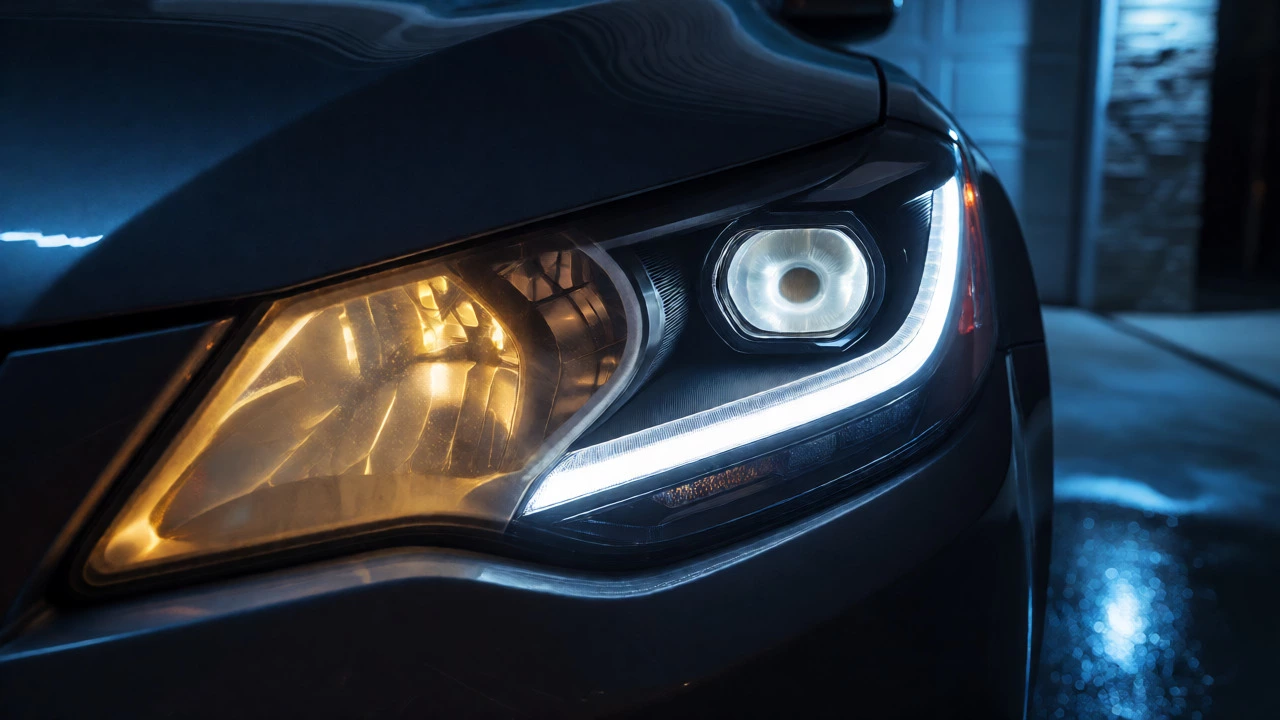
LED Headlight Upgrade Decision Tool
Answer the questions below to find out if a simple bulb swap is enough for your vehicle, or if you need a new headlight assembly.
Action Required
Details will appear here.
Why this choice?
You’re staring at your dimming halogen bulbs or that cracked plastic lens, wondering if swapping to LED headlights means buying the entire headlight assembly. It’s a common headache. You want brighter, modern lighting without dropping $500 on new housings, but you don’t want to waste money on cheap bulbs that flicker or fail inspection.
The short answer? Not always. But it depends entirely on your current setup and what kind of light you want. If you just want to swap a bulb, you might be fine. If you want proper beam patterns that won’t blind oncoming drivers, you likely need more than just a bulb change. Let’s break down exactly when you can keep your old housing and when you absolutely need to buy a new one.
Understanding the Core Difference: Bulb Swap vs. Assembly Replacement
Most people confuse two different upgrades. One is replacing the bulb inside an existing housing. The other is replacing the entire assembly, which includes the housing, reflector/lens, and often the integrated driver electronics.
Your factory headlight was designed around a specific light source-usually halogen or HID (xenon). These sources emit light in all directions, relying on a curved reflector or a projector lens to shape the beam. LEDs are directional. They shoot light forward, not backward. This fundamental physics problem causes issues when you shove an LED bulb into a halogen housing. The reflector isn’t shaped for the LED’s flat chip; it’s shaped for a filament.
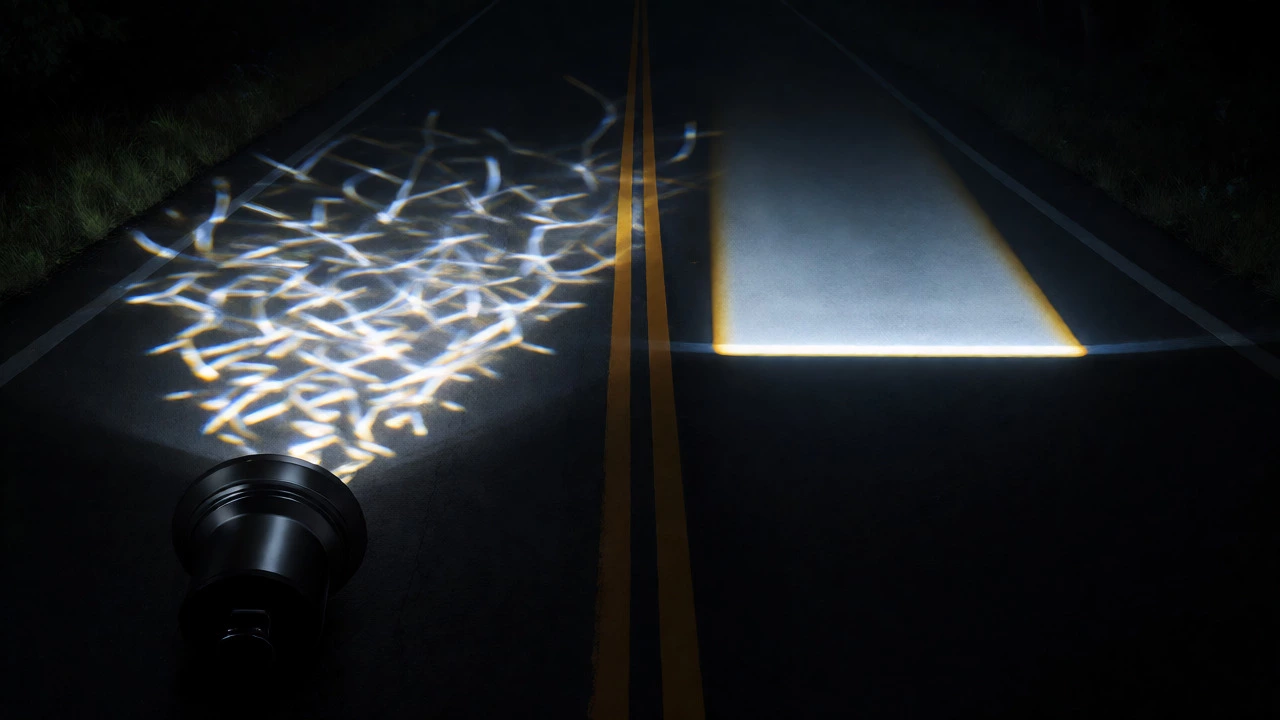
If you stick an LED bulb in a halogen reflector, you’ll often get scattered light. You might see a bright spot directly ahead, but poor side visibility and glare for others. In contrast, a dedicated LED headlight assembly has optics engineered specifically for diodes. The lenses and reflectors focus the light precisely where it needs to go.
| Feature | LED Bulb Retrofit | Full LED Assembly |
|---|---|---|
| Cost | $30 - $150 per pair | $200 - $800+ per pair |
| Installation Difficulty | Easy (DIY friendly) | Moderate to Hard (may require bumper removal) |
| Beam Quality | Variable; often scattered or uneven | Precise cutoff line; optimized pattern |
| Legal Compliance | Risky; often fails strict inspections | Generally compliant if DOT/ECE marked |
| Lifespan | Depends on heat management; 2-5 years typical | Longer; integrated cooling systems |
When You Can Keep Your Existing Housing
You don’t need a new assembly if your current headlights are in good physical condition and you’re okay with a "good enough" upgrade. Here are the scenarios where a simple bulb swap works:
- Projector Lenses: If your car came with factory projector lenses (the round glass magnifier inside the housing), these handle LED bulbs much better than open reflectors. The lens focuses the light, reducing scatter. Look for high-quality LEDs like those from Philips or Osram, which mimic the filament position of halogens.
- Minor Cosmetic Upgrades: If you just want the white/blue tint of LEDs for looks and don’t care about maximum lumen output, any decent CANbus-ready LED will do.
- Budget Constraints: If spending $600 on assemblies isn’t feasible right now, a quality bulb kit ($80-$120) is a valid interim step. Just know the limitations.
However, even with projectors, you must ensure the LED bulb’s emitter sits exactly where the halogen filament did. If the chips are too far forward or back, the focal point shifts, ruining the beam. Brands like Morimoto or Diode Dynamics offer specific fitments that account for this geometry.
Signs You Absolutely Need a New Assembly
Sometimes, no amount of tuning a bulb will fix the problem. You should bite the bullet and buy a new assembly if you notice these red flags:
- Cracked or Foggy Housings: If your current plastic lens is yellowed, hazed, or cracked, sealing it again is temporary. Water ingress kills electronics. A new assembly gives you fresh polycarbonate and sealed integrity.
- Open Reflector Designs: Older cars or base trims often use shiny metal reflectors without projectors. Putting LEDs in these almost always creates blinding glare. The reflector bounces the LED’s directional light unpredictably. You need an assembly with a built-in projector or a reflector designed for LED emitters.
- Flickering or Error Codes: Modern cars monitor bulb resistance. Halogens have low resistance; LEDs have very low resistance. This triggers dashboard warnings (e.g., "Check Headlight") or rapid flickering. While decoders/resistors can fix this, some aftermarket LED assemblies have built-in drivers that communicate properly with the car’s computer, eliminating the hassle.
- Desire for Adaptive Features: Do you want auto-leveling or adaptive cornering lights? These features require motors and sensors integrated into the assembly. You can’t add them by changing a bulb.
The Heat Management Factor
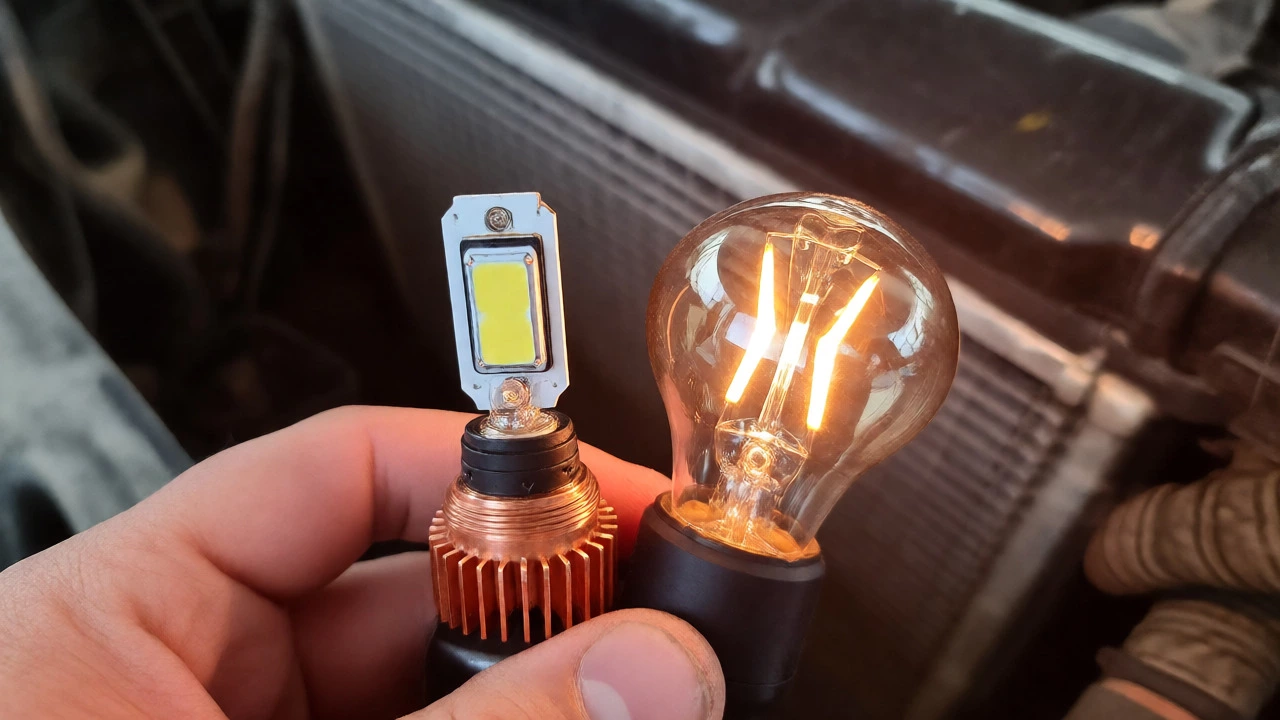
One reason people fear LED retrofits is overheating. Halogen bulbs generate heat that keeps moisture out of the housing. LEDs produce less radiant heat but still need cooling for their electronics. Cheap LED bulbs use small fans or passive heatsinks that struggle in tight spaces.
A full LED headlight assembly is a complete lighting unit including the housing, lens, reflector/projector, and integrated LED modules manages this better. Manufacturers design the housing itself as part of the cooling system, using aluminum fins or larger airflow paths. If you live in a hot climate like Brisbane, where ambient temperatures soar, proper thermal management is critical. Overheated LEDs degrade quickly, losing brightness within months rather than years.
If you choose to retrofit bulbs, look for ones with external fan controllers or large copper braids. But remember, the housing’s vent tube (if present) allows air exchange. Plugging this up with a non-breathable cap traps humidity, leading to condensation inside the lens-a common complaint with DIY LED swaps.
Legal and Safety Implications in Australia
Since you’re likely driving in regions with strict vehicle standards (like Queensland or NSW), legality matters. In Australia, modifications must comply with ADRs (Australian Design Rules).
Technically, fitting an LED bulb into a halogen-reflector housing often makes the beam pattern non-compliant because it doesn’t meet the required luminance distribution tests. Police can technically issue defects notices for "glare." However, enforcement varies. Using E-marked or DOT-approved components helps. Full LED assemblies sold as direct replacements usually carry these certifications explicitly. Retrofits rarely do unless specified by the manufacturer.
Always aim for a sharp cutoff line. If your high beams wash out the road above eye level for oncoming traffic, you’re a hazard. Adjusting the vertical aim screws on your existing housing can help mitigate glare from a retrofit, but it’s a band-aid, not a cure.
How to Decide: A Quick Decision Tree
Still unsure? Walk through this logic:
- Is your current housing damaged? Yes → Buy new assembly. No → Continue.
- Does your car have projector lenses? Yes → Try high-end LED bulbs first. No → Strongly consider new assembly.
- Are you getting error codes/flicker? Yes → Consider assembly with integrated drivers or buy expensive CANbus bulbs. No → Continue.
- Is budget under $150? Yes → Stick to bulbs. No → Invest in assembly for safety and longevity.
For most daily drivers, especially those over five years old, replacing the assembly offers peace of mind. You get factory-fresh seals, guaranteed beam patterns, and no guesswork. For newer cars in perfect condition, a premium bulb swap is a cost-effective way to modernize the look and slightly improve visibility.
Common Pitfalls to Avoid
Don’t make these mistakes when upgrading:
- Ignoring Polarity: LEDs are polarity-sensitive. If they don’t light up, flip the connector. Some cars have reversed wiring compared to standard plugs.
- Cheap Amazon Specials: Unbranded LEDs often lie about wattage and lumens. They may draw too much power, melting sockets, or fail within six months. Stick to reputable brands like Philips, Osram, Sylvania, or specialized auto-lighting firms.
- Skipping Alignment: After installing new lights, check your aim against a wall. Misaligned LEDs cause massive glare.
Can I put LED bulbs in my halogen headlights?
Yes, physically you can plug them in. However, performance varies greatly. In open reflector housings, LED bulbs often scatter light, causing glare and poor road illumination. In projector housings, they perform better but still may not match the beam precision of factory LEDs. Always check local laws regarding retrofitting.
Why are my new LED headlights flickering?
Flickering is usually due to the car's computer detecting lower resistance in LEDs compared to halogens. This triggers pulse-width modulation (PWM) issues. Solutions include installing load resistors, adding a decoder/canbus adapter, or choosing LED bulbs with built-in drivers designed for your specific vehicle model.
Do LED headlight assemblies last longer than halogen?
Generally, yes. High-quality LED assemblies can last 10,000 to 30,000 hours, whereas halogen bulbs typically last 450 to 1,000 hours. However, the lifespan of an LED assembly depends heavily on heat dissipation. Poor cooling leads to early failure of the LED chips or drivers.
Is it worth replacing the whole headlight assembly?
It is worth it if your current housings are foggy, cracked, or if you have open reflectors. It provides a cleaner installation, better beam control, and eliminates compatibility issues. If your housings are new and have projectors, a bulb swap might suffice for a lower cost.
Will LED headlights pass roadworthy inspection?
In many jurisdictions, including parts of Australia, retrofitting LEDs into halogen housings can fail inspection if the beam pattern is incorrect or causes excessive glare. Factory-style LED assemblies are more likely to pass. Always ensure your lights are aligned correctly before inspection.