Texas Tint Ticket Cost Calculator
Estimate the total cost of a first-time tint violation ticket in Texas. Amounts vary by county, court fees, and additional charges.
Estimated Total Cost: $0
If you’ve been pulled over in Texas for window tint that’s too dark, you’re not alone. Every year, thousands of drivers get hit with a tint ticket - and most of them have no idea how much it’ll cost or how to fix it. The truth? A tint ticket in Texas isn’t just a slap on the wrist. It’s a fine, a court hassle, and possibly a mandatory tint removal - all before you even get back on the road.
What’s the legal tint limit in Texas?
Texas law says the front side windows must let in at least 70% of visible light. That’s called 70% VLT (Visible Light Transmission). The rear windows and back windshield can be darker - even blacked out - but the front windows? No exceptions. Not for SUVs, not for trucks, not even if you have a medical exemption without proper paperwork.
Why 70%? Because officers need to see inside your car for safety. If your tint blocks more than 30% of light, it’s illegal. Most factory tint on new cars is around 20-25% on the rear windows, but the front windows are usually clear or lightly tinted to meet this standard. Aftermarket tint jobs? That’s where things go wrong.
How much is a tint ticket in Texas?
A first-time tint violation in Texas typically costs between $100 and $250. The exact amount depends on the county, the officer’s discretion, and whether you’re in a high-enforcement area like Houston, Dallas, or Austin. Some courts add administrative fees that push the total closer to $300.
Here’s the breakdown you’ll see on your ticket:
- Base fine: $100-$200
- Court costs: $50-$80
- Processing fee: $20-$50
- Optional surcharge (for traffic safety programs): up to $50
Some people think they can just pay the fine and ignore the problem. That’s a mistake. The ticket doesn’t just disappear. Texas requires you to fix the violation within a certain time - usually 30 days - or risk a second citation.
What happens if you ignore the ticket?
Ignoring a tint ticket in Texas doesn’t make it go away. It gets worse.
- After 30 days, your case goes to collections.
- You’ll get a notice to appear in court - and the fine jumps.
- Failure to appear can lead to a suspended driver’s license.
- Some counties add a $100+ late fee on top of the original fine.
One driver in San Antonio got a $120 ticket, ignored it, and ended up paying $580 after his license was suspended. He had to go to court, pay a reinstatement fee, and get his windows redone - all because he thought he could wait it out.
Can you get a medical exemption?
Yes - but only if you qualify and have the right paperwork.
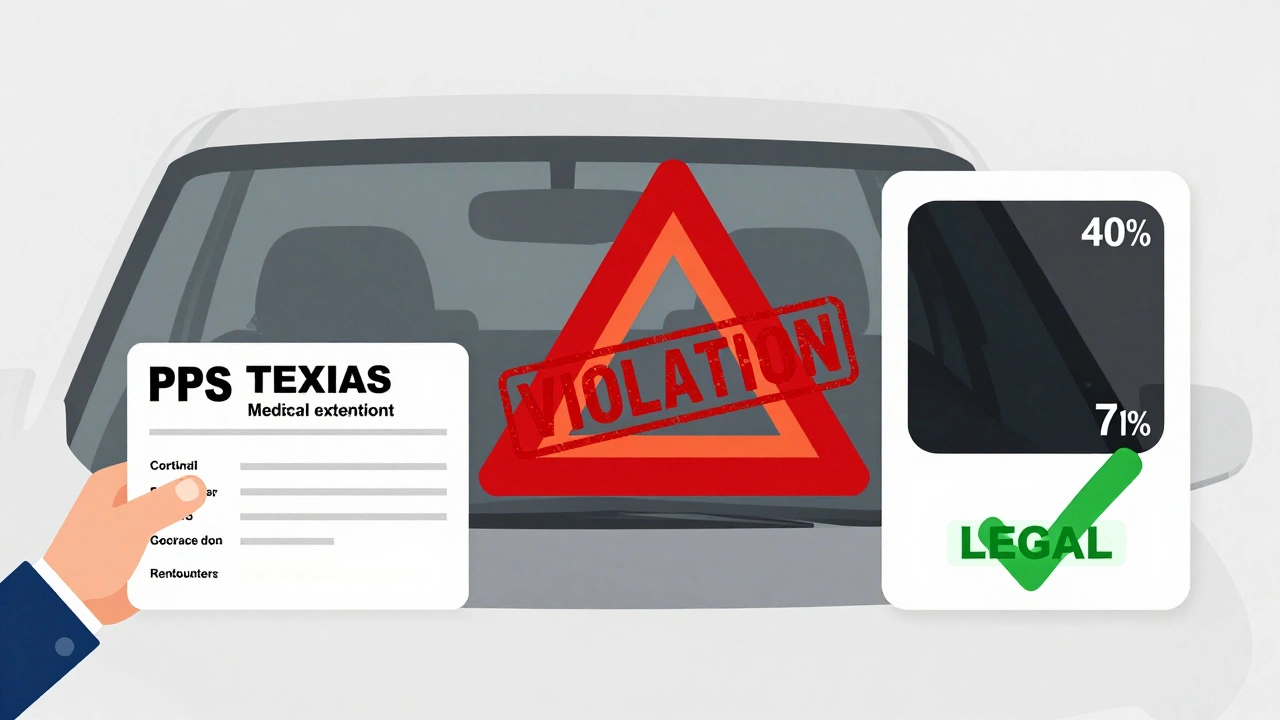
Texas allows drivers with medical conditions like lupus, skin cancer, or severe photosensitivity to have darker tint on front windows. But you must get a signed form from a licensed doctor and carry it with you at all times. The form must be issued by the Texas Department of Public Safety (DPS). You can’t just show a note from your doctor - it has to be the official DPS medical exemption certificate.
Without that form, even if you have a real medical condition, you’re still in violation. Officers aren’t required to accept handwritten notes. And if you’re pulled over without the certificate, you’ll get the same ticket as anyone else.
How do you fix a tint violation?
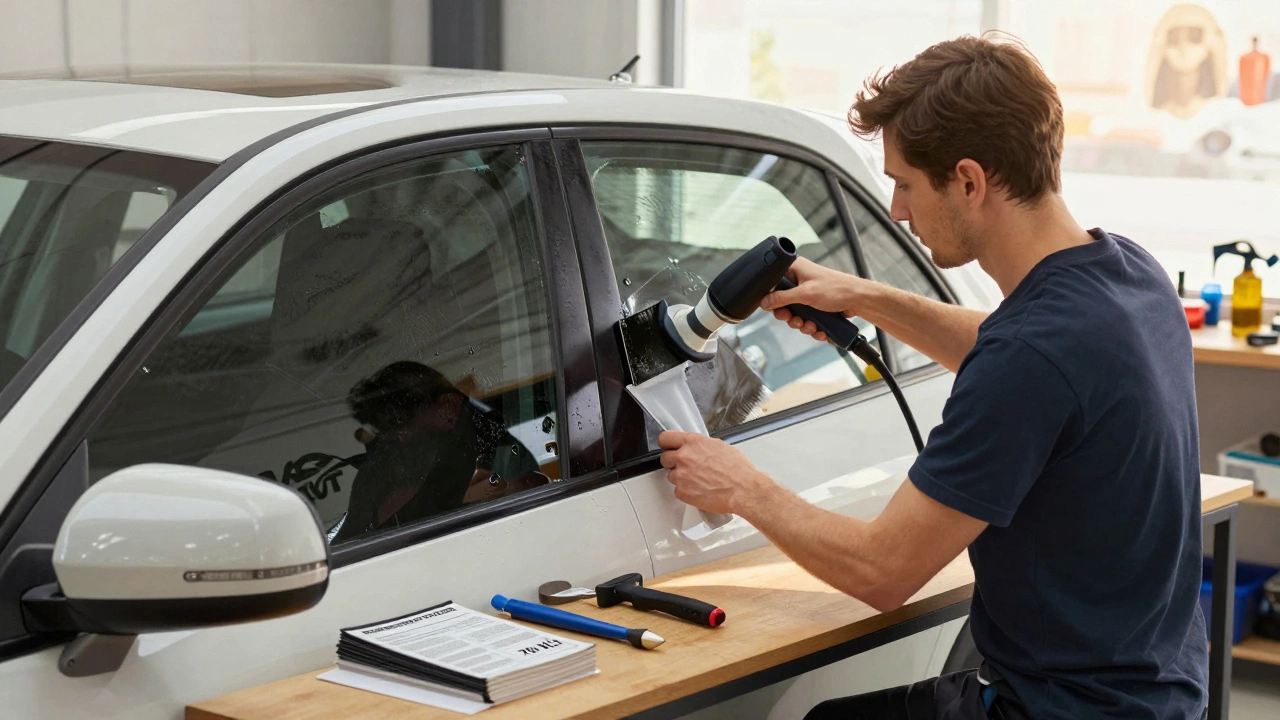
You have two options: remove the tint or replace it with legal film.
Most people choose to remove it. A professional tint removal job costs between $50 and $150, depending on your car’s size and the type of film used. Some shops offer free removal if you install new legal tint with them.
If you’re replacing it, make sure the new film is 70% VLT or higher for the front windows. Look for a certification label on the film - it should say “70% VLT” and have a manufacturer’s stamp. Avoid cheap tint from Amazon or gas stations. Many of those are mislabeled and still illegal.
Once it’s fixed, keep your receipt. Some courts will let you show proof of correction to reduce or dismiss the fine - but only if you do it within the deadline.
What do officers look for during a tint stop?
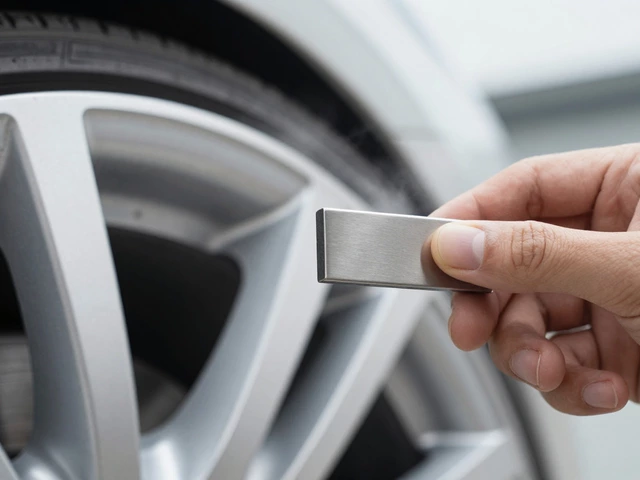
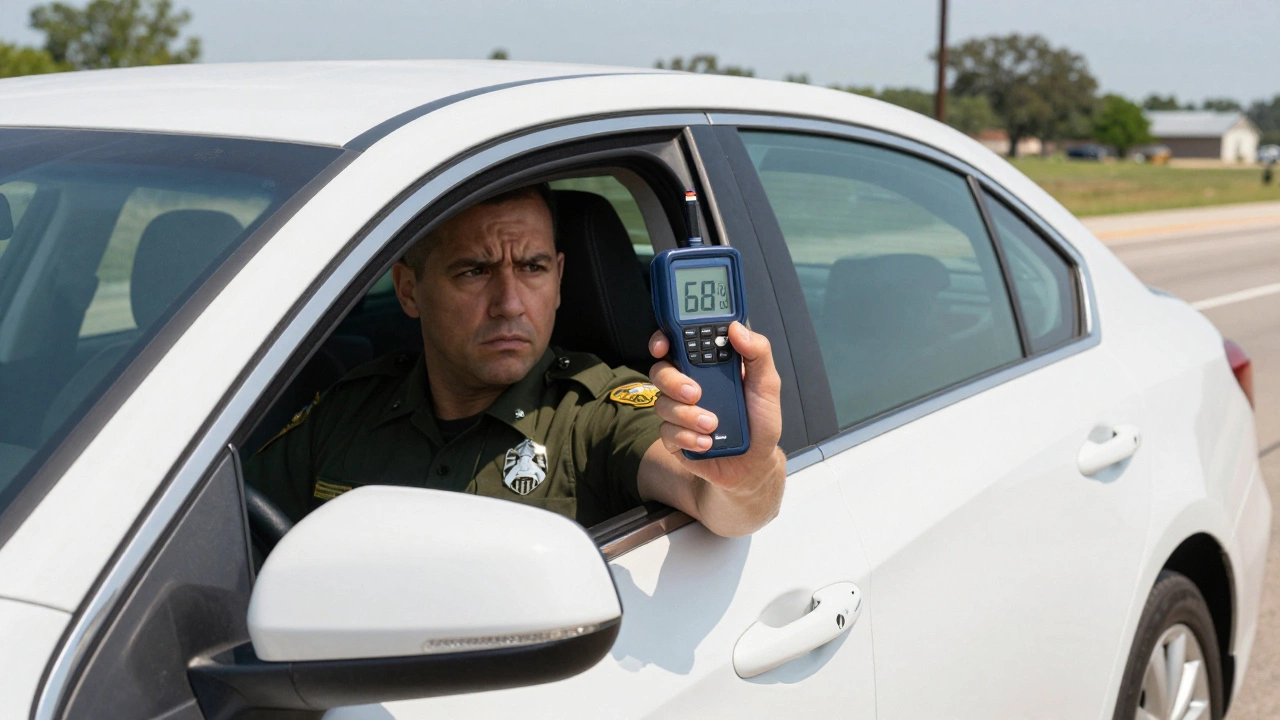
It’s not just about how dark your windows are. Officers use a tint meter - a small handheld device that measures VLT. They’ll shine it on your front side windows from outside the car. If it reads below 70%, they’ll write you a ticket.
They also look for:
- Reflective or metallic tint (illegal in Texas)
- Red, blue, or amber tint (illegal)
- Cracked or peeling film (can be considered a safety hazard)
- Tint on the windshield (only a 5-inch strip at the top is allowed)
Many people think if they’re parked or driving at night, they’re safe. That’s not true. Tint checks can happen at any time - during daylight traffic stops, at sobriety checkpoints, or even during routine license plate checks.
What’s the difference between factory tint and aftermarket tint?
Factory tint is built into the glass during manufacturing. It’s usually darker on the rear windows, but the front windows are always clear or lightly tinted to meet state laws. That’s why you can legally drive a new Ford F-150 with dark rear windows - the front ones are still 70%+ VLT.
Aftermarket tint is applied after you buy the car. That’s where the problem starts. Most people go for 5% or 20% tint because it looks cool. But in Texas, that’s illegal on the front windows. Even if the shop told you it was “legal,” they’re wrong if it’s below 70% on the front side windows.
Some shops will lie to get your business. Ask for the VLT percentage in writing - and check the manufacturer’s specs. If they can’t show you the data, walk away.
Can you fight a tint ticket in court?
You can - but it’s rarely worth it unless you have proof you’re exempt or the officer made a clear mistake.
Most successful defenses:
- You had a valid DPS medical exemption form and were carrying it
- The officer used a faulty tint meter (you’d need calibration records)
- The ticket lists the wrong vehicle or window
Just saying “I didn’t know it was illegal” won’t work. Ignorance of the law is not a defense in Texas.
If you do go to court, bring your receipt for legal tint installation or removal. Some judges will dismiss the fine if you’ve already fixed it - but don’t count on it.
How to avoid a tint ticket in Texas
The easiest way? Don’t tint your front windows darker than 70% VLT.
Here’s what to do before you get tint:
- Check your car’s factory tint level - front windows should already be legal.
- If you want darker tint, only apply it to the rear windows and back windshield.
- Buy tint from a reputable shop that shows you the VLT certification.
- Ask for a written guarantee: “We guarantee this tint meets Texas law.”
- Keep your receipt and any certification labels on file.
And if you’re buying a used car with tint? Test it. Use a tint meter app (like Tint Meter by TintWorld) or ask a professional to check it before you buy. You don’t want to inherit someone else’s $200 problem.
Final tip: Don’t gamble with your license
A tint ticket might seem small. But in Texas, it’s not. It’s a ticket that can snowball into a suspended license, higher insurance rates, or even a court date you didn’t plan for. The fine is just the start.
Fix it right the first time. Get legal tint. Keep your paperwork. And save yourself the stress, the time, and the extra cash.
How much is a tint ticket in Texas in 2026?
A first-time tint ticket in Texas typically costs between $100 and $250, depending on the county and court fees. Additional charges like processing fees or surcharges can push the total to $300. Repeat violations or failure to fix the issue can lead to higher fines and license suspension.
Is 35% tint legal in Texas?
No, 35% tint is not legal on the front side windows in Texas. The law requires at least 70% VLT (Visible Light Transmission) on the front windows. 35% tint is too dark and will result in a ticket. It’s only legal on the rear windows and back windshield.
Can you get a medical exemption for darker tint in Texas?
Yes, but only with an official DPS medical exemption certificate. You need a signed form from a licensed doctor, and you must carry it in the vehicle at all times. Without this form, even a medical condition doesn’t make darker tint legal.
Do police use tint meters in Texas?
Yes. Texas law enforcement uses handheld tint meters to measure Visible Light Transmission (VLT) on your windows. If the reading is below 70% on the front side windows, you’ll be cited. The meter is accurate to within 2-3% and is admissible in court.
Is it legal to tint the windshield in Texas?
Only a 5-inch strip at the very top of the windshield is legal. Any tint below that line - even if it’s light - is a violation. This includes factory-applied tint that extends past the 5-inch line.