Widebody Kit Suitability Calculator
Your Profile
Recommendation
Estimated Fuel Economy Impact:
Aesthetic/Performance Score:
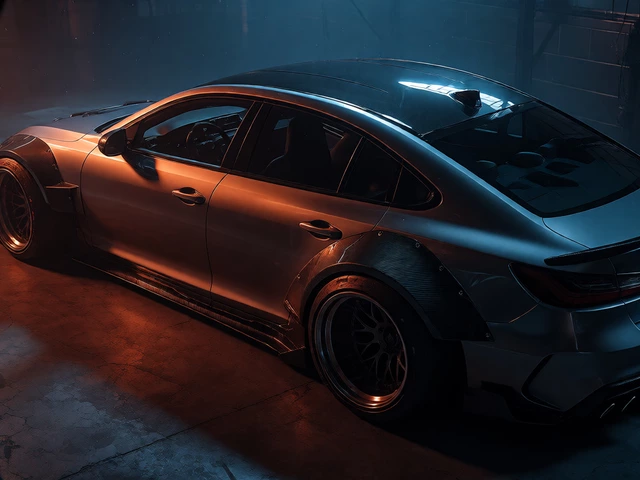
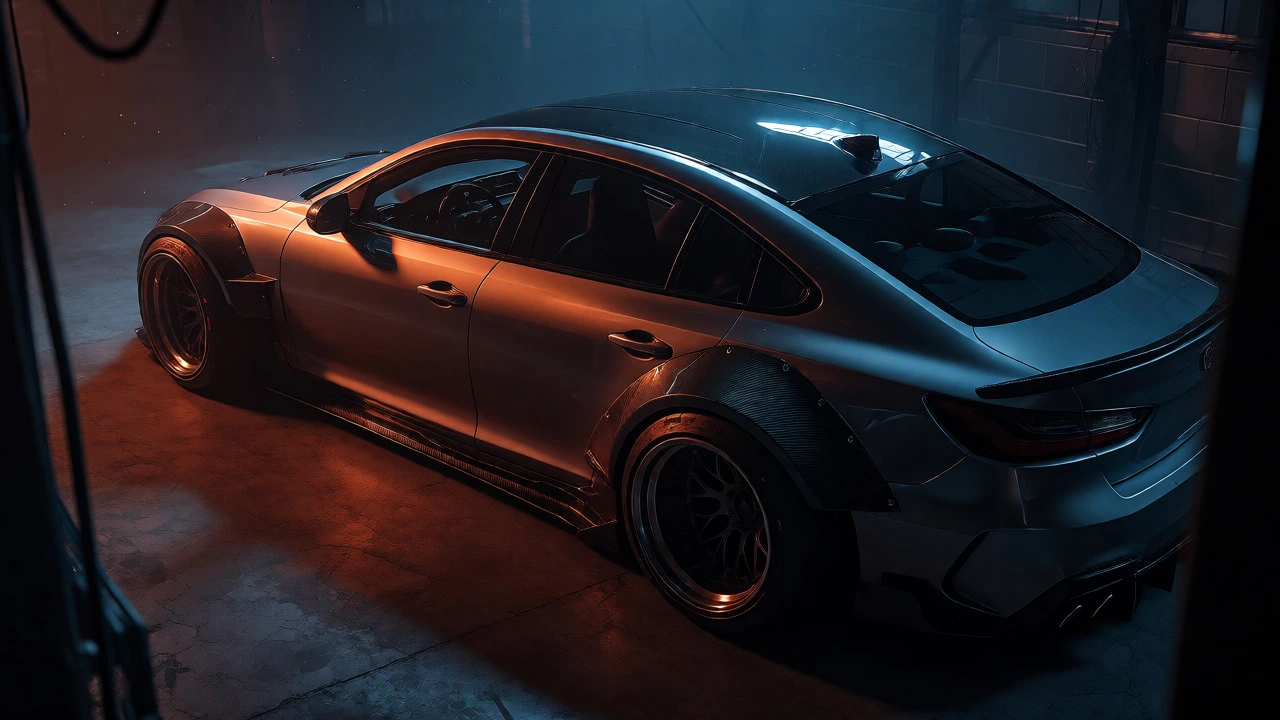
You see them at every car meet in Brisbane: low-slung sedans with hips that seem to defy physics, wheels tucked so tight they look painted on. The widebody kit is one of the most polarizing modifications in automotive culture. Some drivers swear it’s pure vanity; others argue it’s essential for performance. So, what’s the actual point? Is it just about looking aggressive, or does widening your car’s stance do something tangible for how it drives?
The short answer is both. But unlike a spoiler you glue on for show, a proper widebody conversion changes the fundamental geometry of the vehicle. It affects stability, tire clearance, aerodynamics, and even the way the car feels through a corner. If you’re considering adding some muscle to your ride, you need to know exactly what you’re signing up for-because a widebody isn’t just a cosmetic sticker job. It’s structural surgery.
Beyond the Hype: The Mechanical Reality
At its core, a widebody kit extends the outer edges of a car’s body panels. This allows you to fit wider tires and push the wheels further out toward the corners of the vehicle. Think of it like standing with your feet together versus shoulder-width apart. With feet together, you wobble if someone pushes you. Shoulder-width? You’re stable. That’s essentially what happens to a car when you widen its track.
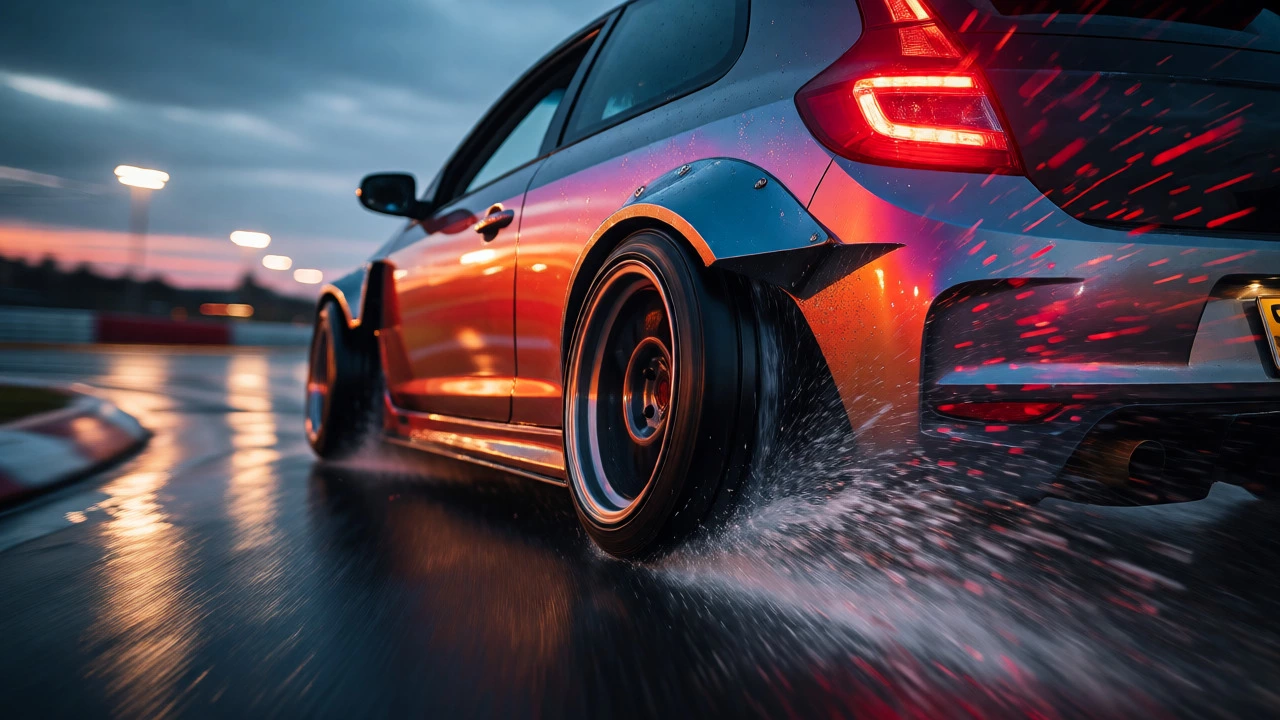
This increased track width reduces body roll during cornering. When the center of gravity remains the same but the base of support widens, the car resists leaning more effectively. For enthusiasts who drive on tracks or twisty back roads, this translates to higher grip levels and more predictable handling. You can corner harder before the tires lose traction because the load transfer across the chassis is more balanced.
| Aspect | Benefit | Drawback |
|---|---|---|
| Stability | Improved high-speed stability and reduced body roll. | Can make steering feel heavier or less responsive if not tuned correctly. |
| Tire Fitment | Allows larger tires for better grip and heat dissipation. | Wider tires increase rolling resistance, potentially lowering fuel economy. |
| Aesthetics | Fills wheel arches, creating an aggressive, planted look. | Poorly fitted kits can look bulky or disproportionate. |
| Cost | Adds resale value for certain enthusiast models. | High upfront cost for quality parts and professional installation. |
Aerodynamics: Does It Actually Help?
Here’s where things get tricky. Many people assume "wider equals faster." In reality, a widebody kit can be an aerodynamic nightmare if done poorly. A stock car is designed by engineers who spend millions testing airflow in wind tunnels. They shape the bumpers, skirts, and rooflines to manage drag and downforce efficiently.
When you bolt on aftermarket fender flares, you disrupt that smooth airflow. If the flares aren’t shaped correctly, they create turbulence. This turbulent air increases drag, which slows the car down and creates noise. However, high-end kits from reputable manufacturers use computational fluid dynamics (CFD) to design flares that actually guide air around the wheels rather than trapping it.
Some advanced kits include vents or channels within the flares themselves. These features help release hot air trapped in the wheel wells, reducing lift at the front of the car. Without these details, you’re mostly paying for looks. With them, you’re buying functional aero. Always check if the kit manufacturer provides wind tunnel data or CFD simulations before assuming it improves performance.
The Fitment Factor: Solving Wheel Offset Issues
One of the most practical reasons for a widebody kit is simple geometry. Modern cars often have narrow wheel arches relative to their potential tire size. If you want to run a set of 305mm rear tires for maximum grip, they might rub against the inner suspension components or poke out awkwardly without proper offset adjustments.
A widebody kit solves this by physically extending the arch outward. This gives you room to run negative camber (tilting the top of the wheel inward) without the tire sticking out past the body line. This is crucial for track days where camber adjustment is key to maintaining contact patch consistency through turns. Instead of compromising on tire width or suspension setup, you expand the canvas.
- Flush Fitment: Widening the body allows wheels to sit flush with the fender line, eliminating the "sunken" look of stock setups.
- Suspension Clearance: Provides space for coilovers to compress fully without hitting the fender liner.
- Tire Stretching: Allows you to stretch narrower tires on wider rims for a specific aesthetic, though this has its own pros and cons.
Vanity and Presence: The Psychological Impact
Let’s be honest: half the reason people buy widebody kits is because they look cool. There’s a psychological component to car modification that we shouldn’t ignore. A wider stance makes a vehicle appear lower, longer, and more powerful-even if the engine hasn’t changed a bit. It signals aggression and intent.
This visual impact is subjective, but it’s real. In car culture, proportions matter. A supercar looks fast because it’s wide and low. By mimicking those proportions on a compact hatchback or sedan, you borrow some of that prestige. It’s the same reason why wearing well-fitted clothes makes you look sharper than baggy ones. The widebody kit tailors the car’s silhouette to fill the space it occupies.
However, there’s a fine line between "aggressive" and "clownish." A common mistake is installing a kit that’s too wide for the car’s height. A tall SUV with massive flares can look disjointed. Conversely, a low sports car with subtle flares looks integrated. The best kits respect the original design language while enhancing it. They don’t fight the car’s identity; they amplify it.
Installation Nightmares: What to Expect
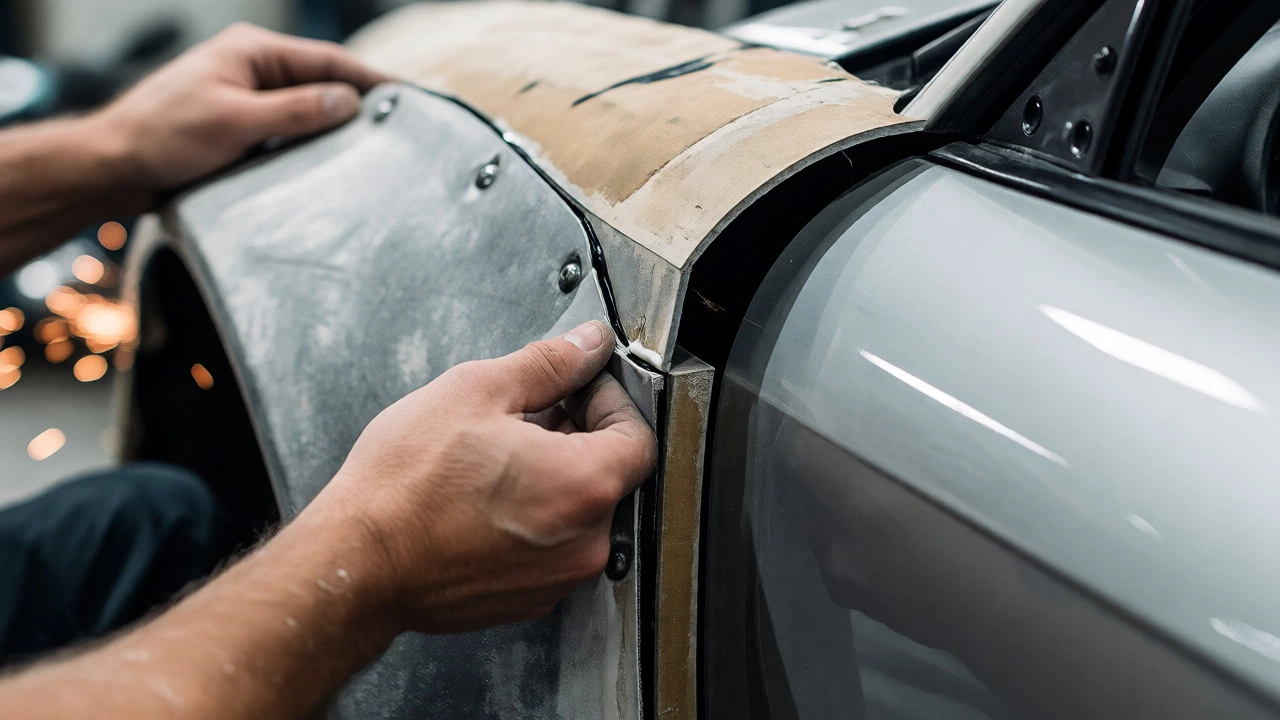
If you’re thinking about DIY-ing this project, think again. Installing a widebody kit is labor-intensive. Most kits require cutting, drilling, and riveting. You’ll likely need to remove the factory fenders, prepare the new panels, and ensure everything aligns perfectly with the doors and hood.
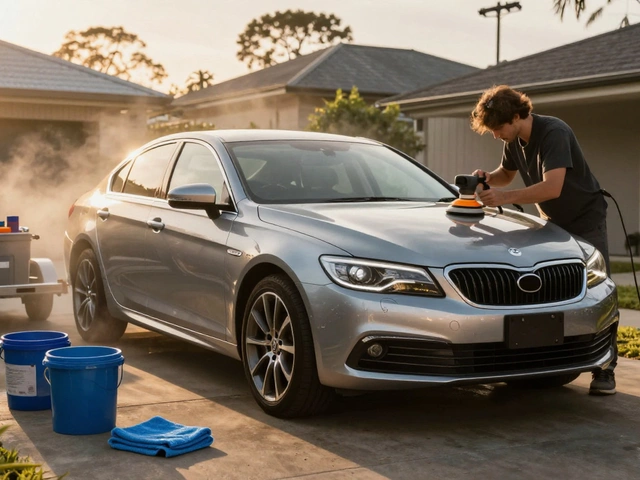
Paint matching is another hurdle. Body kits usually come in raw fiberglass or carbon fiber. Getting a seamless paint match requires a skilled painter. Any mismatch will stand out immediately under sunlight. Plus, you need to consider rust prevention. Cut metal edges must be sealed properly, or corrosion will start within months, especially in coastal areas like Brisbane where salt air accelerates oxidation.
Professional installation can take 40-60 hours depending on the complexity. Expect costs ranging from $1,500 to $5,000 AUD for labor alone, excluding parts. Cheaper shops might rush the process, leading to gaps that trap water or rattles that develop over time. Do your homework on local installers who specialize in bodywork, not just general mechanics.
Legal and Insurance Considerations
In Australia, modifying your car’s width falls under specific roadworthiness standards. While minor extensions are generally accepted, significant changes may require engineering certification. You need to ensure the modified vehicle still meets safety standards regarding visibility, lighting, and structural integrity.
Insurance companies also view widebody kits differently. Some policies exclude modifications unless declared. If you crash into a pole and damage your custom flares, standard comprehensive insurance might only cover the repair of stock parts. You could end up paying thousands out of pocket for fiberglass repairs. Always declare your mods and get written confirmation that your policy covers them.
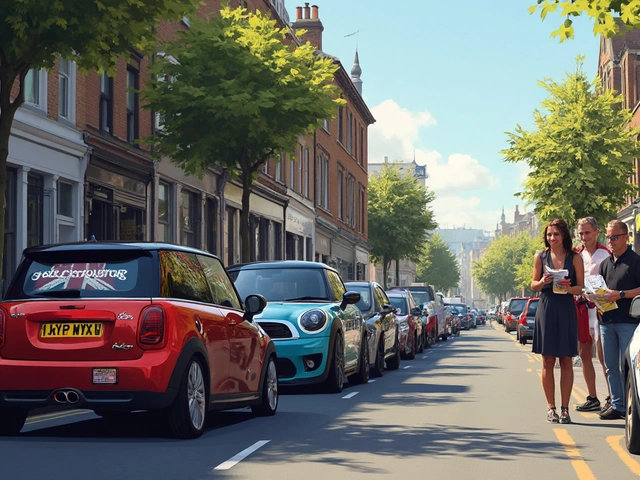
Additionally, consider parking. A wider car doesn’t fit in standard parallel spots as easily. Supermarket aisles become tighter. You might find yourself dinging other cars more frequently simply because your margins are smaller. It’s a small inconvenience, but it adds up daily.
Is It Worth It for Your Car?
Deciding whether to go widebody depends on your goals. Are you chasing lap times? Then yes, the stability gains and tire options are worth the investment. Are you building a show car? Absolutely-the visual impact is unmatched. But if you’re looking for fuel efficiency or easy city driving, maybe skip it.
For many enthusiasts, the widebody kit represents a commitment to the craft. It shows you care about details beyond horsepower numbers. It’s about harmony between form and function. Just remember: a bad widebody kit looks worse than no kit at all. Invest in quality parts, professional installation, and thoughtful design choices. Your car will thank you-or at least, it’ll look good enough to make you forget the hassle.
Does a widebody kit affect fuel economy?
Yes, typically negatively. Wider tires have more surface area touching the road, increasing rolling resistance. Additionally, if the kit adds weight or poor aerodynamics, drag increases. Expect a drop of 5-10% in fuel efficiency depending on driving habits and tire choice.
Can I install a widebody kit myself?
Technically yes, but it’s highly discouraged for beginners. Proper installation requires precise alignment, specialized tools for cutting and riveting, and painting skills. Mistakes can lead to water leaks, rust, or misaligned panels that ruin the aesthetic. Professional installation is recommended for a clean finish.
Are widebody kits legal in Australia?
Generally, yes, provided the modifications comply with Australian Design Rules (ADRs). Significant changes to width may require engineering approval to ensure structural integrity and safety. Always check with your state transport authority and notify your insurer.
Do widebody kits add weight to the car?
Yes, but usually minimally. Fiberglass kits add a few kilograms. Carbon fiber versions are lighter but more expensive. The added weight is negligible for most street cars but might matter for competitive racing where every gram counts.
How much does a widebody kit cost?
Prices vary widely. Entry-level universal kits start around $800-$1,500 AUD. Brand-specific kits from manufacturers like Rocket Bunny or Pandem range from $2,500 to $6,000+ AUD. Add $1,500-$4,000 for professional installation and painting.