Lowering Springs Impact Calculator
Not sure if lowering springs are right for you? Answer a few questions about your vehicle and driving habits to get a personalized assessment.
Your Vehicle & Driving Profile
Assessment Results
You see a car at the traffic lights that sits so low it looks like it’s hugging the asphalt. It looks aggressive, sporty, and undeniably cool. You want that look for your daily driver. But then doubt creeps in. Will these lowering springs destroy your shocks? Will you feel every pebble on the road? And will your local mechanic charge you double for alignments?
The short answer is: no, they don't inherently "mess up" your car if installed correctly. However, they do change the physics of how your vehicle interacts with the road. If you treat them like cheap cosmetic stickers rather than critical suspension components, you will pay for it in comfort and maintenance costs. Let’s break down exactly what happens to your car when you drop the height.
What Actually Happens Under the Chassis
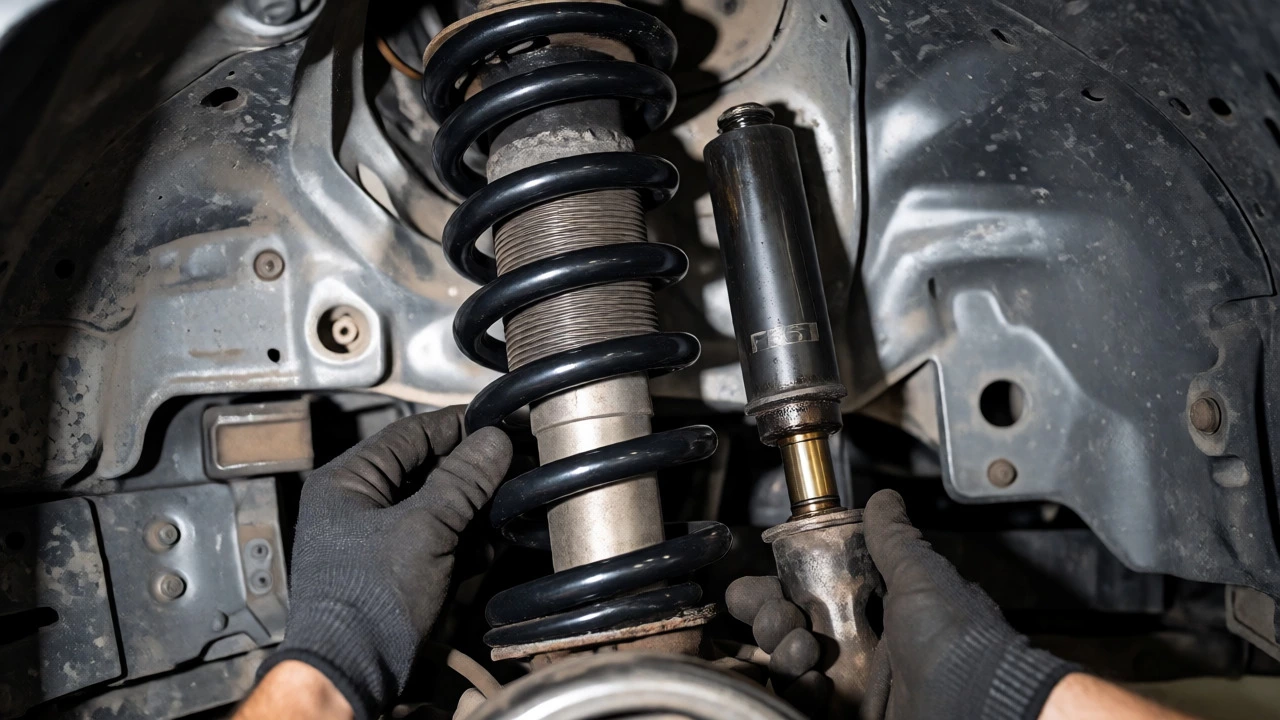
To understand the impact, you have to look at what a spring does. A stock spring is designed by the manufacturer to work in harmony with your specific shock absorbers (dampers). When you install lowering springs, you are changing two main things: the ride height and the spring rate.
Most lowering springs are stiffer than factory springs. This isn't always bad; stiffer springs reduce body roll during cornering. But here is the catch: your factory shocks were calibrated for softer springs. When you pair stiff springs with soft, worn-out stock dampers, the damper can’t control the spring’s energy effectively. This leads to a bouncy, unsettled ride. The car might feel harsh over bumps because the spring is doing all the work while the damper struggles to keep up.
| Feature | Stock Springs | Lowering Springs |
|---|---|---|
| Ride Height | Factory Standard | 1-2 inches lower |
| Spring Rate | Soft/Comfort-focused | Stiffer/Sport-focused |
| Shock Wear | Normal lifespan | Accelerated wear if mismatched |
| Ride Comfort | Smooth | Firmer, more direct feedback |
The Shock Absorber Dilemma
This is the biggest myth-busting point. Do you need new shocks? Technically, many manufacturers say their lowering springs work with stock shocks. Practically? If your car has over 60,000 kilometers on the clock, your stock shocks are already tired. Adding stiffer springs to old shocks is a recipe for disaster.
When a shock absorber wears out, it loses its ability to dampen oscillation. With lowering springs, the travel distance of the suspension is reduced. If the shock hits its bump stop too frequently or works outside its intended range, it overheats and fails faster. I’ve seen countless cars where owners saved money by keeping old shocks, only to replace them six months later because they started leaking oil. If you are installing lowering springs, budget for high-quality performance shocks or strut inserts. It saves you labor costs in the long run.
Ride Quality: What Does It Feel Like?
If you drive a sports car, you might enjoy the sharper response. If you drive a family sedan or an SUV, prepare for a harsher commute. Lowering springs significantly increase the amount of road noise and vibration transmitted into the cabin.
Think about speed bumps. In a stock car, you barely notice a small dip. With lowered springs, you feel the impact through the steering wheel and seats. This is because there is less suspension travel available to absorb the energy. You also risk scraping the undercarriage. Parking ramps, steep driveways, and potholes become enemies. Before buying, check the ground clearance of your specific model. Some cars handle a 30mm drop fine; others bottom out immediately.
Handling and Performance Gains
It’s not all negative. There is a reason racers use low center-of-gravity setups. Lowering your car reduces body roll. When you turn the wheel, the car leans less. This makes the vehicle feel more planted and responsive. For spirited driving or weekend track days, this improvement in stability is noticeable.
A lower center of gravity also improves aerodynamics slightly, though this effect is minimal on street cars compared to dedicated aero kits. The real benefit is psychological and tactile confidence. Knowing the car feels tighter through corners can make you a more engaged driver. Just remember, stiffness doesn't always equal speed. On broken roads, a too-stiff setup can actually make you slower because the tires lose contact with the surface during rapid direction changes.
Alignment and Tire Wear
Here is where people get burned. You cannot just bolt on lowering springs and drive away. You must get a professional alignment. Lowering the car changes the geometry of the suspension arms. Specifically, it alters camber and toe settings.
If you skip the alignment, your tires will wear unevenly-often on the inner edges-within a few thousand kilometers. This ruins expensive tire sets quickly. Furthermore, incorrect alignment can cause the car to pull to one side or vibrate at highway speeds. Always insist on a four-wheel alignment after installation. It is non-negotiable.
Long-Term Maintenance Costs
Let’s talk money. Are lowering springs cheap? The parts themselves cost between $200 and $500 AUD for a set. Installation is straightforward, usually taking 2-4 hours. But hidden costs add up:
- Shocks/Dampers: $400-$800+ if you replace them (recommended).
- Alignment: $100-$150.
- Tire Replacement: Potential early wear if alignment is poor.
- Bushings: Stiffer springs put extra stress on control arm bushings, which may need replacing sooner.
If you plan to sell the car later, be aware that some buyers view modifications as red flags. They fear hidden damage. Keeping the original springs in a box in your garage allows you to revert to stock before selling, maximizing resale value.
Who Should Avoid Lowering Springs?
Not everyone benefits from this mod. Skip lowering springs if:
- You live in an area with terrible road conditions (deep potholes, unsealed roads).
- You carry heavy loads regularly (the car will sit too low and scrape).
- You prioritize maximum comfort over aesthetics.
- Your car is primarily a daily commuter with high mileage.
In these cases, consider alternative options like coilovers, which offer adjustable height and damping, allowing you to find a middle ground between comfort and stance.
Final Verdict: Worth the Drop?
Lowering springs do not mess up your car if you approach them with respect for engineering principles. They trade comfort for style and handling precision. If you accept the firmer ride, invest in matching dampers, and commit to regular alignments, they can transform your car’s character without ruining it. If you expect a luxury cruise with a slammed look, you’ll be disappointed.
Will lowering springs void my warranty?
In Australia, under the Australian Consumer Law, modifications generally do not void the entire vehicle warranty. However, if the modification causes a failure (e.g., a damaged shock absorber), the repair related to that component may not be covered. Dealerships often scrutinize suspension-related claims closely.
How much lower can I go without rubbing?
This varies by vehicle. Most sedans can handle a 30-40mm drop safely. Hatchbacks and SUVs often tolerate less due to shorter wheelbases and higher centers of gravity. Always test drive carefully after installation to check for rubbing against fenders or underbody panels.
Do I need to cut my stock springs instead?
Cutting stock springs is a cheap DIY hack but rarely recommended. It creates unpredictable spring rates, increases the risk of the spring popping off the perch, and often results in a harsher ride than purpose-built lowering springs. Proper lowering springs are engineered for consistent performance.
Can I wash my car myself after lowering it?
Yes, but access to the wheels and brake calipers becomes harder. You may need to jack up the car slightly to clean behind the wheels properly. Ensure your jack points are compatible with the lowered height to avoid damaging the sills or subframe.
Are lowering springs better than coilovers?
Coilovers offer adjustability for both height and damping, making them superior for track use or fine-tuning. However, they are significantly more expensive and complex. Lowering springs are a simpler, cheaper solution for those who just want a fixed, aggressive stance with improved handling.