Warranty Risk & Protection Calculator
Step 1: Assess Your Modification
Select the scenario that best matches your situation:
Step 2: Warranty Risk Analysis
Warranty Protection Checklist
Check off these steps to maximize your legal protection:
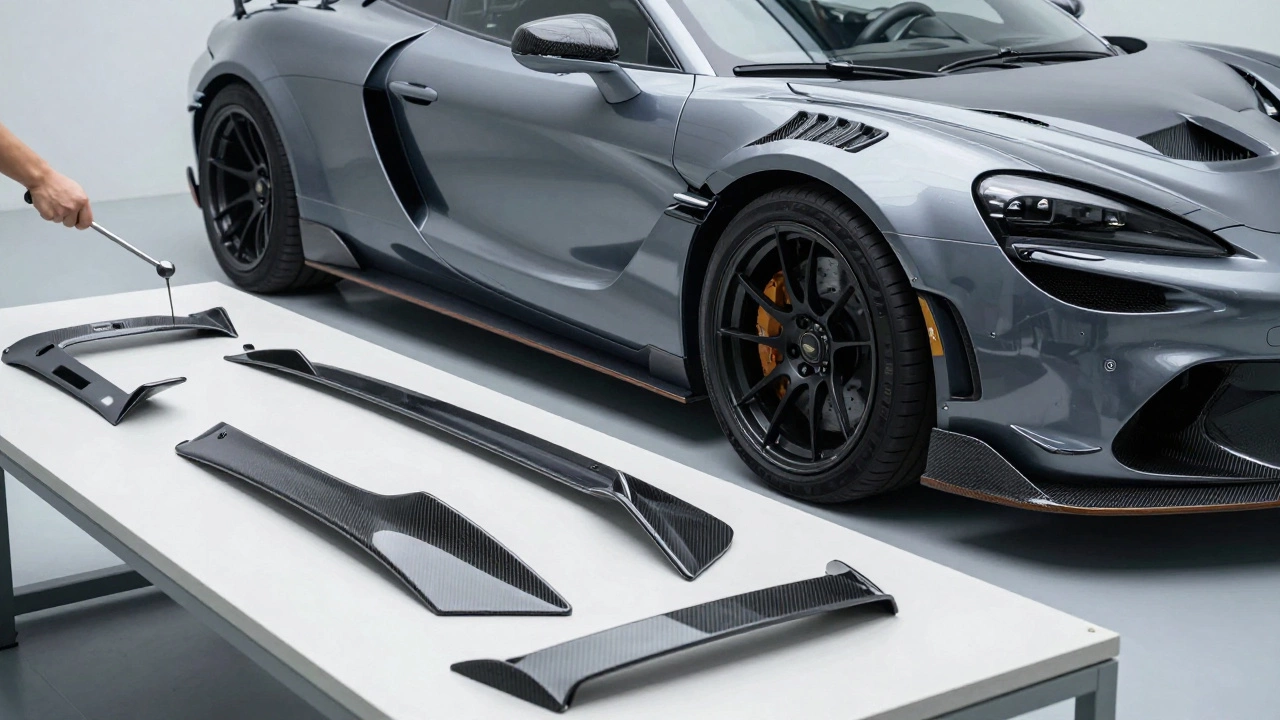
You just spent weeks saving up for that aggressive widebody kit is a set of aftermarket body panels designed to widen the track width of a vehicle. You’ve got the fenders, the flares, maybe even a new bumper. But then you hear the rumor: "If you install this, your manufacturer’s warranty is gone." It sounds like a hard rule, but it’s actually one of the biggest myths in the automotive world. The short answer is no, installing a widebody kit does not automatically void your entire car warranty.
However, saying it doesn’t void the warranty isn’t quite the whole story either. Manufacturers don’t just hand out free repairs forever, and they have specific legal tools to protect themselves from modifications that cause damage. Understanding the difference between a "voided" warranty and a "denied claim" is crucial if you want to keep your car looking sharp without breaking the bank on repairs later.
The Legal Reality: The Magnuson-Moss Act
To understand why your warranty stays intact, we have to look at US federal law, specifically the Magnuson-Moss Warranty Act is a US federal law that regulates warranties on consumer products and prohibits tying arrangements. Passed in 1975, this law prevents manufacturers from voiding your warranty simply because you used an aftermarket part or had work done by someone other than the dealer. This principle applies broadly across many jurisdictions, including similar consumer protection laws in Australia (where I’m based) and the EU.
The core rule here is causation. A manufacturer can only deny a warranty claim if they can prove that the aftermarket modification directly caused the failure. If your engine blows up because of poor maintenance, the widebody kit didn’t do it. If your transmission slips because you ignored service intervals, the fender flares aren’t to blame. The burden of proof is on the manufacturer, not you. They cannot say, "You modified the car, so we won’t fix anything." They must say, "This specific part failed because of this specific modification."
This means your powertrain warranty, your electronics coverage, and your rust protection generally remain fully active. The widebody kit sits on the outside of the car; it doesn’t touch the internal combustion engine or the transmission fluid. Logically, there is no connection between a plastic fender flare and a failing fuel injector.
When Claims Get Denied: The Direct Link
While the broad warranty remains, there are specific scenarios where a widebody kit can lead to denied claims. These usually involve parts that physically interact with the new bodywork or systems affected by the installation process.
- Painless Paint Damage: If you cut into your factory paint to fit the flares and the metal starts rusting within the warranty period, the manufacturer will likely deny a rust repair claim for those specific areas. They will argue that the corrosion was caused by improper cutting during installation, not a defect in their original coating.
- Sensor Interference: Modern cars are packed with sensors. Blind-spot monitoring cameras, parking sensors, and lane-keep assist radars are often located in the bumpers and side mirrors. If your widebody kit blocks these sensors or causes them to malfunction, any related safety system failure might be denied. For example, if your blind-spot monitor fails because the new fender flare is misaligned and blocking the camera view, the dealer may refuse to replace the sensor under warranty.
- Alignment and Tire Wear: Widebody kits are often installed alongside wider wheels and tires. If the increased width puts unusual stress on your suspension components or leads to premature tire wear due to incorrect alignment, claims related to suspension bushings or wheel bearings could be scrutinized. However, standard tire wear is rarely covered anyway.
- Aerodynamic Stress: In extreme cases, poorly designed widebody kits can alter airflow around the car, potentially affecting cooling efficiency. If you can prove that the kit blocked airflow to the radiator, leading to an overheated engine, the manufacturer might deny an engine-related claim. This is rare but possible with very aggressive, non-OEM-style designs.
The Installation Process Matters
How you install the kit is just as important as the kit itself. Many widebody kits require drilling holes into the unibody structure of the car. If a professional installer uses proper techniques, seals the holes correctly, and applies anti-corrosion agents, the risk of warranty issues drops significantly. If you DIY it and strip bolts, crack panels, or leave sharp edges exposed to road salt, you create a clear paper trail of negligence.
Dealerships are trained to spot bad installations. When you bring your car in for a routine service, they’ll note any aftermarket modifications in your service record. If a problem arises later, they can point to that record. To protect yourself, keep detailed records of who installed the kit, what parts were used, and ensure all work meets industry standards. Some high-end widebody manufacturers even offer their own limited warranties on the fitment and finish of their products, which can provide an extra layer of peace of mind.
State and Local Laws
While the Magnuson-Moss Act sets the federal baseline in the US, local laws can add nuances. In Australia, the Australian Consumer Law provides strong protections against unfair contract terms, ensuring that traders cannot exclude liability for major failures just because a minor modification was made. Similarly, in the UK, the Consumer Rights Act 2015 protects buyers from faulty goods, regardless of minor modifications, unless those modifications directly caused the fault.
If you live in a region with strict emissions testing, remember that while a widebody kit doesn’t affect emissions, combining it with exhaust or intake mods might. Always check local regulations regarding body modifications, as some areas have rules about overhangs and visibility that could make your car illegal to drive, regardless of warranty status.
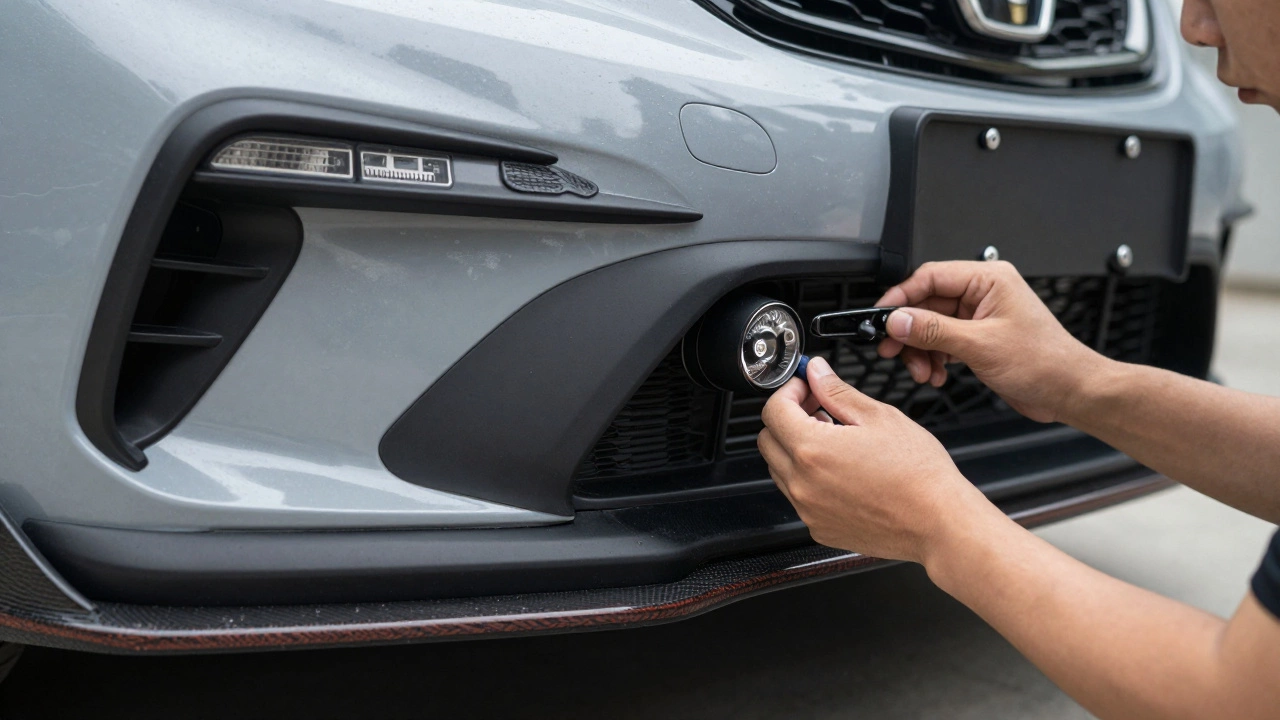
Practical Tips to Protect Your Warranty
If you’re determined to go wide, follow these steps to minimize risk:
- Choose Quality Parts: Buy kits from reputable manufacturers known for precise fitment. Cheap, generic kits often require excessive grinding and cutting, increasing the chance of damage.
- Hire Professionals: Use an installer experienced with widebody conversions. They know how to seal seams properly and avoid damaging underlying structures.
- Document Everything: Take photos before, during, and after installation. Keep receipts for all parts and labor. This proves the work was done professionally.
- Check Sensor Placement: Before buying, verify that the kit design accommodates your car’s existing sensors and cameras. Some kits come with pre-cut holes for these components.
- Maintain Regular Service: Don’t skip oil changes or scheduled maintenance. If you neglect basic care, the manufacturer has an easier time denying claims, using the modification as a secondary excuse.
| Modification Type | Likely Warranty Impact | Reason |
|---|---|---|
| Widebody Kit | Low Risk | Cosmetic; only affects direct contact points (paint, sensors) |
| Exhaust System | Medium Risk | Can affect emissions, noise levels, and nearby heat shields |
| Engine Tuning | High Risk | Directly impacts engine performance and longevity |
| Suspension Lift | Medium-High Risk | Alters geometry, stresses drivetrain and brakes |
| Window Tint | Very Low Risk | No mechanical interaction; legal compliance varies |
What About Insurance?
Don’t forget your insurance provider. While your manufacturer’s warranty covers defects, your insurance covers accidents and theft. Most policies require you to declare significant modifications. Failing to tell your insurer about a widebody kit could lead to a denied claim if you get into an accident. Additionally, widebody kits can increase your premium slightly because they raise the cost of repairs if damaged. Always call your agent before hitting the garage.
Does removing the widebody kit restore my warranty?
Removing the kit doesn't retroactively restore coverage for damage already caused by the installation. However, if you remove it and return the car to its original state, future claims unrelated to the previous modification should be honored. The key is whether the removal fixes any potential damage points, such as sealing drilled holes to prevent rust.
Can a dealership refuse service if I have a widebody kit?
No, a dealership cannot refuse to perform routine maintenance or repairs just because you have aftermarket parts. They can, however, refuse to perform work that involves the modified areas if they feel it poses a safety risk or interferes with their ability to diagnose the issue. For example, they might decline to align wheels if the widebody flares interfere with their equipment.
Will a widebody kit affect my car's resale value?
It depends on the market. High-quality, well-installed widebody kits from reputable brands can increase value among enthusiasts. Poorly fitted or cheap kits can decrease value, as buyers may fear hidden damage or costly removal fees. Always consider who your next buyer might be.
Is it legal to drive with a widebody kit?
Legality varies by location. In many places, widebody kits are legal as long as they don’t obstruct lights, license plates, or safety features. However, some regions have strict rules about vehicle width and overhangs. Check your local Department of Motor Vehicles or equivalent authority for specific regulations.
Do I need to inform the manufacturer about the widebody kit?
There is no legal requirement to notify the manufacturer of cosmetic modifications. However, being transparent during service visits can help build trust with your dealer. If you ask questions about compatibility before installation, you show due diligence, which can help if a dispute arises later.