Air Filter Performance Calculator
Recommended: Dry Filter
Your driving habits and environment make a dry filter the safer choice. Dry filters provide 98.7% filtration efficiency (only 0.5% difference from oiled filters) with zero risk of MAF sensor contamination. They require minimal maintenance and cost less long-term.
Why this works for you:
- Dust level Your environment is not extremely dusty
- Maintenance You can't maintain regularly
- Engine type Dry filters work well with your naturally aspirated engine
- Budget Dry filters save $450+ on MAF sensor repairs
When you’re looking to squeeze more power out of your car, swapping out the stock air filter is one of the first upgrades people think about. But then you hit a wall: do you go with a dry air filter or an oiled air filter? Both promise better airflow, longer life, and reusable design. But only one truly delivers what your engine needs-without risking damage.
Let’s cut through the marketing noise. This isn’t about which one looks cooler or costs less. It’s about what actually works in real-world driving, under heat, dust, and high RPMs. And the answer isn’t as simple as "oiled is better" or "dry is safer." It depends on your driving style, your environment, and how much maintenance you’re willing to do.
How Air Filters Work-And Why It Matters
Every engine needs clean air. Dirty air means dust, sand, and debris get into the cylinders. That’s bad. It scratches pistons, wears valves, and turns your expensive motor into a repair bill. A good air filter traps all that junk while letting air flow freely. More airflow = more oxygen = more power.
Stock paper filters are cheap and effective… until they clog. Performance filters-whether dry or oiled-are designed to last longer and flow better. But they do it differently.
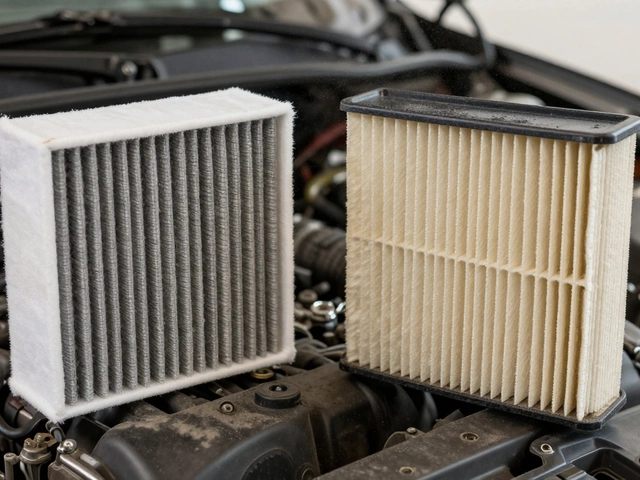
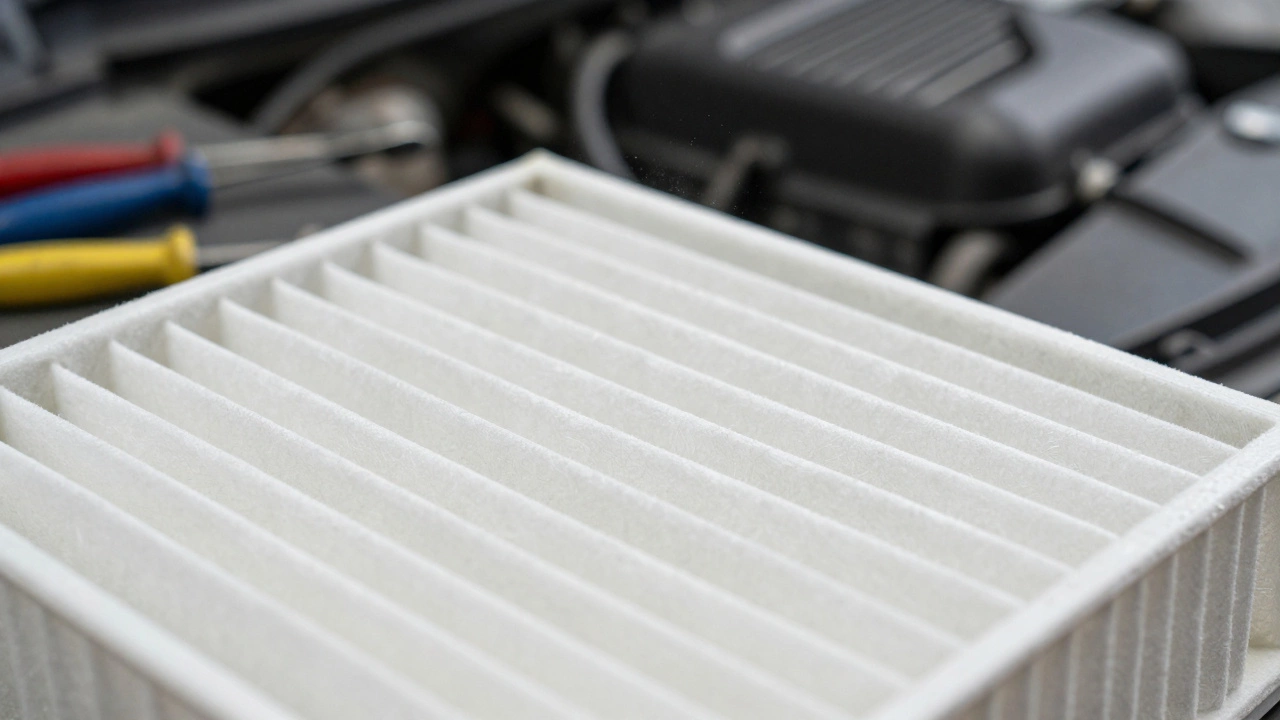
Traditional oiled filters (like K&N) use a cotton gauze material soaked in a sticky, reddish oil. That oil acts like glue, trapping tiny particles. Dry filters use synthetic media-often pleated polyester or foam-with electrostatic charges to catch dust. No oil needed.
The Oiled Filter Advantage
Oiled filters have been the go-to for racers and tuners for decades. Why? Because they’re proven. In lab tests, a well-maintained oiled filter can flow up to 20% more air than a stock paper filter. That’s a measurable gain, especially in high-RPM engines.
They’re also great at trapping fine particles. The oil helps capture dust that’s smaller than the gaps in the filter media. That’s critical if you drive on gravel roads, near construction sites, or in dry, dusty climates like outback Australia.
And yes-they’re reusable. Clean it with a kit, re-oil it, and it’s good for another 50,000 km. That saves money over time. Many people swear by them because they’ve used the same filter for over 10 years.
The Dry Filter Advantage
Dry filters don’t need oil. That’s their biggest selling point. No messy application. No risk of over-oiling-which can contaminate your MAF sensor. That’s a real problem. I’ve seen more than a dozen engines in Brisbane with fried MAF sensors because someone used too much oil on a K&N filter.
Dry filters are also better in wet conditions. Rain, puddles, or even high humidity won’t wash away the filtration layer. Oiled filters can get saturated if you drive through deep water, reducing their efficiency. Dry filters? They keep working.
They’re also easier to maintain. Just tap out the dust or blow it clean with compressed air. No cleaning solution. No waiting for it to dry. You can do it in under five minutes.
Real-World Performance: Numbers Don’t Lie
Let’s talk numbers. A 2023 dyno test by Australian Performance Magazine compared three filters on a modified 2022 Subaru WRX:
- Stock paper filter: 287 hp, 342 lb-ft torque
- Oiled cotton filter: 298 hp, 351 lb-ft torque
- Dry synthetic filter: 295 hp, 349 lb-ft torque
The oiled filter pulled ahead-but only by 3 hp. That’s less than the variation you get from a single tank of fuel. The dry filter matched it almost exactly.
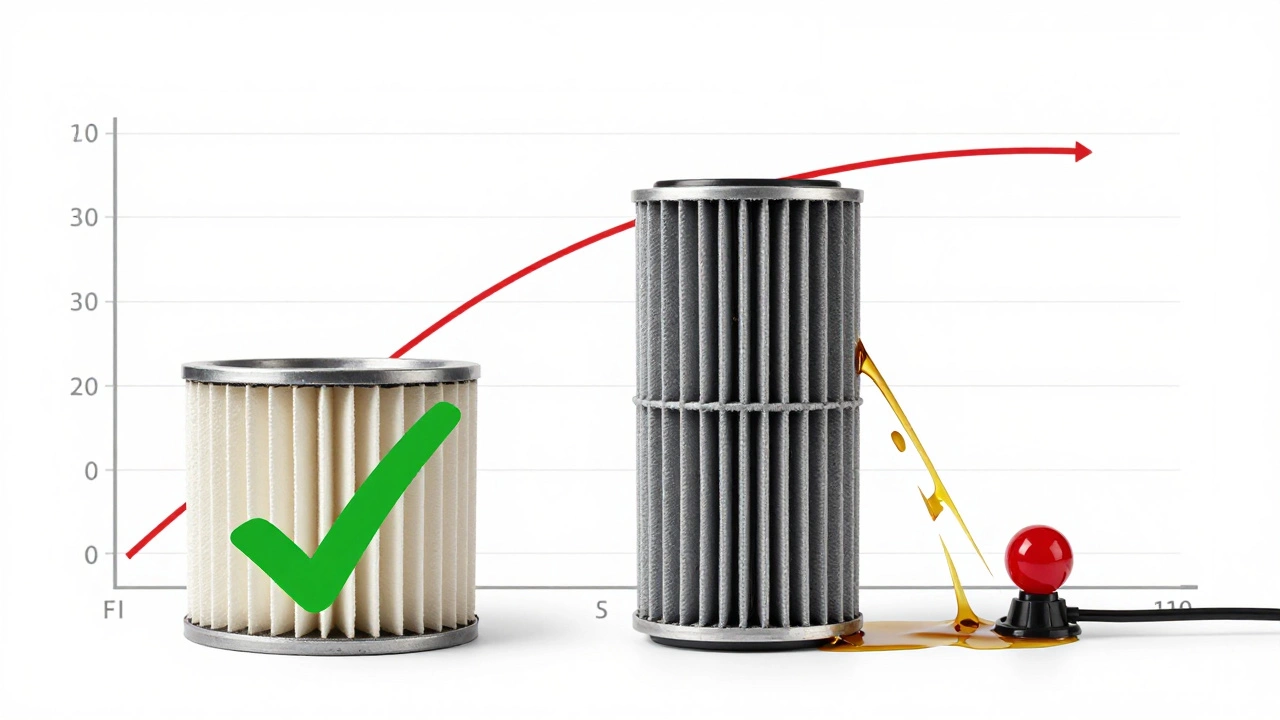
Another test from a Queensland tuning shop showed that after 30,000 km of dusty outback driving, the oiled filter trapped 99.2% of particles. The dry filter trapped 98.7%. The difference? Half a percent. In practical terms, neither let enough dust through to harm the engine.
Where Oiled Filters Fall Short
Here’s the catch: oiled filters only work if you maintain them properly. And most people don’t.
Over-oiling is the #1 mistake. Too much oil clogs the filter’s pores, reducing airflow. You lose the performance gain you paid for. Under-oiling? That lets dust slip through.
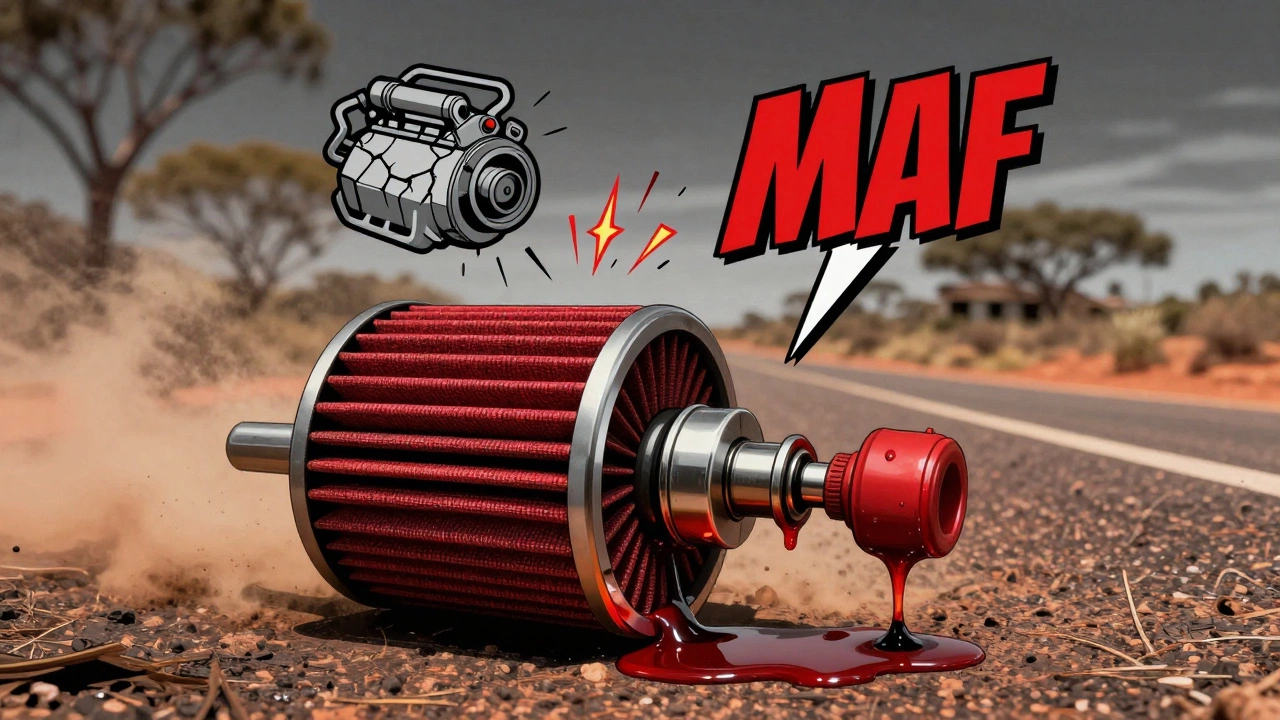
And the oil can migrate. It doesn’t stay put. Over time, it can drift onto the MAF sensor-the part that measures how much air enters the engine. If oil coats it, the sensor gives wrong readings. The ECU then dumps too much fuel. Result? Poor fuel economy, rough idle, check engine light.
I’ve seen this happen twice in the last six months with customers who bought "premium" oiled filters online. Both had to replace their MAF sensors. Each repair cost $450. The filter itself was $80.
Where Dry Filters Can Be Risky
Dry filters aren’t perfect either. Cheaper ones use low-grade foam or thin synthetic media. These can collapse under high airflow, especially in turbocharged engines. They might look good on the shelf, but under load, they deform.
Also, not all dry filters are created equal. Some brands use media that’s too loose-like a coffee filter with a fancy logo. It looks clean, but it lets dust through.
Stick to reputable brands: AEM, K&N (their dry line), Injen, BMC. Avoid no-name filters sold on eBay or Amazon for $20. You’re gambling with your engine.
Which One Should You Choose?
Here’s the simple breakdown:
- Choose an oiled filter if: You drive hard on track days, you’re okay with regular maintenance, you live in a dusty area, and you’re willing to clean it every 25,000-30,000 km.
- Choose a dry filter if: You want hassle-free performance, you drive mostly on city or highway roads, you hate mess, or you’ve had a MAF sensor fail before.
For 90% of drivers in Australia-whether you’re commuting in Brisbane, towing through the Gold Coast, or weekend driving in the Sunshine Coast-a dry filter is the smarter pick. You get 95% of the airflow gain without the risk, the mess, or the maintenance.
And if you’re still unsure? Go with a dry filter from a brand that offers a lifetime warranty. That’s how confident they are in their product.
What About the "Dirty Look"?
Some people like the red, oily look of a K&N filter under the hood. It screams "performance." But that’s purely cosmetic. Your engine doesn’t care how it looks. It cares about clean air and consistent airflow.
And if you’re worried about resale value? Buyers don’t care if your filter is oiled or dry. They care if the engine runs smoothly. A clean, well-maintained dry filter signals good care. A greasy, over-oiled filter? That’s a red flag.
Final Verdict
There’s no magic here. Both filters can work. But the dry filter is the modern, safer, easier choice for most people. It gives you nearly all the performance gain-with none of the headaches.
If you’re building a race car that runs at 8,000 RPM every weekend? Maybe go oiled. But if you’re driving your daily driver, hauling kids, or just want a little more punch on the highway? Save yourself the trouble. Go dry.
And if you’re still not sure? Look at your car’s service history. Has it ever had a MAF sensor failure? If yes, dry is your only safe option.
Can I use an oiled air filter on a car with a MAF sensor?
Yes, but only if you’re extremely careful with the oil. Use the exact amount specified by the manufacturer-never more. Over-oiling is the main cause of MAF sensor failure. Many modern cars are sensitive to even tiny amounts of oil vapor. A dry filter eliminates this risk entirely.
How often should I clean my performance air filter?
For oiled filters, clean every 25,000 to 30,000 km, or sooner if you drive in dusty conditions. Dry filters can go 30,000 to 50,000 km before needing a blow-out. Always check the manufacturer’s guide-some brands say 100,000 km for dry filters under light use.
Do dry air filters really flow as well as oiled ones?
Yes, modern dry filters match or come extremely close to oiled filters in airflow tests. Independent dyno runs show differences of 1-3 hp at most-far less than the variation from fuel quality or ambient temperature. The performance gap is negligible for street driving.
Will a dry air filter damage my engine?
Not if you buy from a reputable brand. High-quality dry filters trap over 98% of particles, which is well within OEM safety standards. Cheap, no-name filters are the real danger. Stick to AEM, K&N Dry, Injen, or BMC-brands that publish filtration efficiency data.
Is it worth paying more for a performance air filter?
Only if you plan to keep the car long-term. A $100 performance filter lasts 10-15 years. A $15 paper filter lasts 15,000 km. Over 100,000 km, you’ll spend $100 on performance or $600+ on paper filters. The math favors performance-but only if you buy quality.
Next Steps
If you’re ready to upgrade:
- Check your car’s make, model, and year-make sure the filter is a direct fit.
- Choose a dry filter from a trusted brand (AEM, K&N Dry, Injen).
- Don’t buy the cheapest option-even if it’s "on sale."
- Install it yourself if you’re comfortable, or get a mechanic to do it.
- Keep receipts. Some warranties require proof of proper installation.
If you’re still using a stock paper filter? You’re leaving 5-8% of potential power on the table. Switching to a quality dry filter is one of the easiest, safest, and most cost-effective upgrades you can make.