Car Interior Upgrade Planner
Select Your Upgrades
Your Budget Settings
Upgrade Summary
Have you ever stepped into your car and felt like you were sitting in a sterile office cubicle? You are not alone. Most factory interiors are designed for mass appeal, durability, and cost-efficiency, not for personality or comfort. But the space inside your vehicle is where you spend hours of your day. It deserves to look as good as it drives.
Customizing your car interior does not require a professional shop or a six-figure budget. Whether you want to add a touch of luxury, improve functionality, or simply make the cabin feel unique, there are practical steps you can take right now. This guide breaks down how to transform your driving experience without compromising safety or resale value.
Start with the Foundation: Cleaning and Decluttering
Before you buy a single accessory, you need to clear the canvas. Many people skip this step because they are eager to start installing new parts, but a cluttered interior makes even high-end upgrades look cheap. Think of it like painting a wall; if you do not clean the surface first, the paint will not stick properly, and imperfections will show through.
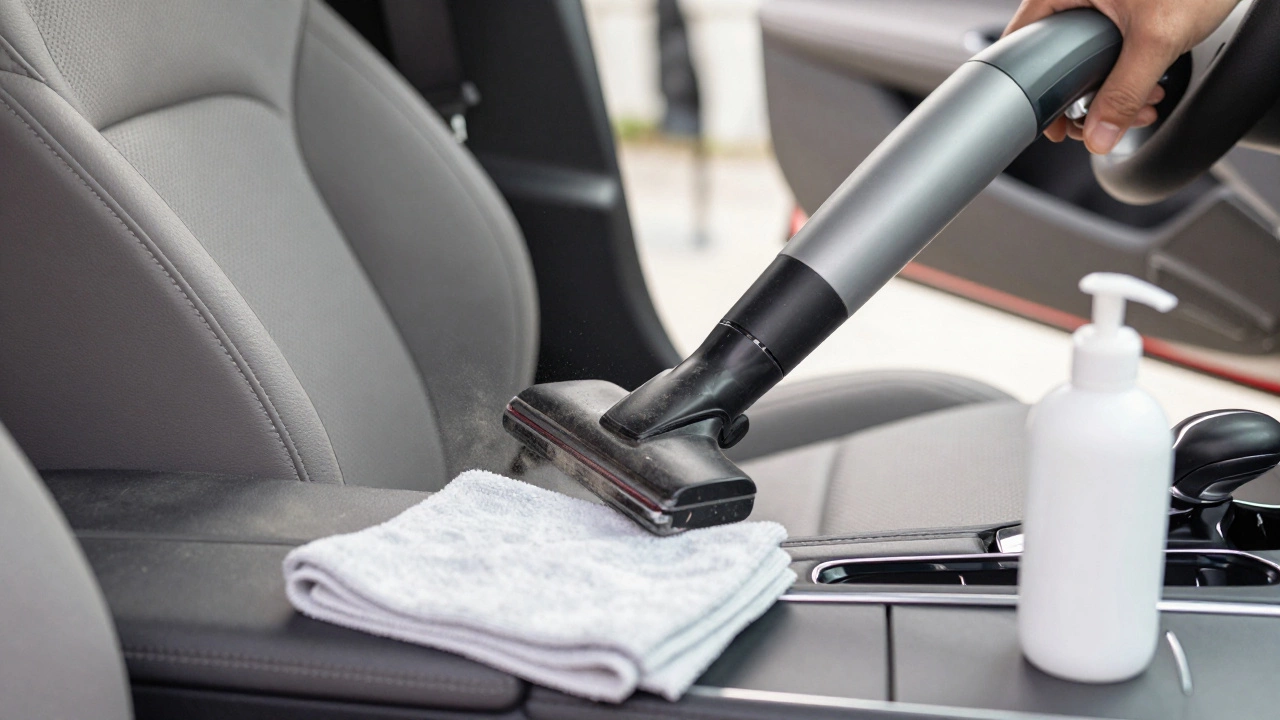
Begin by removing everything that does not belong in the car. Old receipts, empty water bottles, and loose change accumulate quickly. Once the physical clutter is gone, perform a deep clean. Use a vacuum with a crevice tool to get dust out of the seat tracks and floor mats. For fabric seats, a steam cleaner can work wonders in removing stains and odors that regular shampoo misses. Leather interiors benefit from a gentle pH-balanced cleaner followed by a conditioner to prevent cracking. This initial phase costs very little but sets the stage for every subsequent upgrade.
What is the best way to remove stubborn stains from fabric car seats?
For tough stains on fabric seats, a combination of baking soda and white vinegar works effectively. Sprinkle baking soda over the stain, let it sit for 15 minutes to absorb moisture and odors, then spray lightly with a mixture of equal parts water and white vinegar. Blot gently with a microfiber cloth. Avoid rubbing, which can push the stain deeper into the fibers. For persistent stains, a dedicated upholstery cleaner or a portable steam extractor provides better results than household cleaners.
Upgrade Your Seating Experience
Seats are the most critical component of your interior. You sit in them for long periods, so their comfort directly impacts your driving satisfaction. If replacing the entire seat is too expensive or complex, consider intermediate solutions. Seat covers are an obvious choice, but quality varies wildly. Cheap vinyl covers trap heat and wear out quickly. Look for materials like Neoprene, Alcantara, or premium leather that offer breathability and durability.
If your seats are structurally sound but lack support, lumbar pillows and headrest extensions can make a significant difference. These small additions adjust the ergonomic fit, reducing back strain during long trips. For those willing to invest more, aftermarket seat cushions made from memory foam can transform a hard factory seat into a plush throne. Always ensure that any cover or cushion allows full access to side airbags. Safety must never be compromised for aesthetics.
Another often-overlooked aspect is seat positioning. Adjust your seat height, tilt, and distance from the pedals before adding accessories. A well-adjusted stock seat is more comfortable than a poorly adjusted custom one. Take time to find the sweet spot where your knees have a slight bend and your hands rest naturally on the steering wheel at the ten and two positions.
Enhance Visibility and Ambiance with Lighting
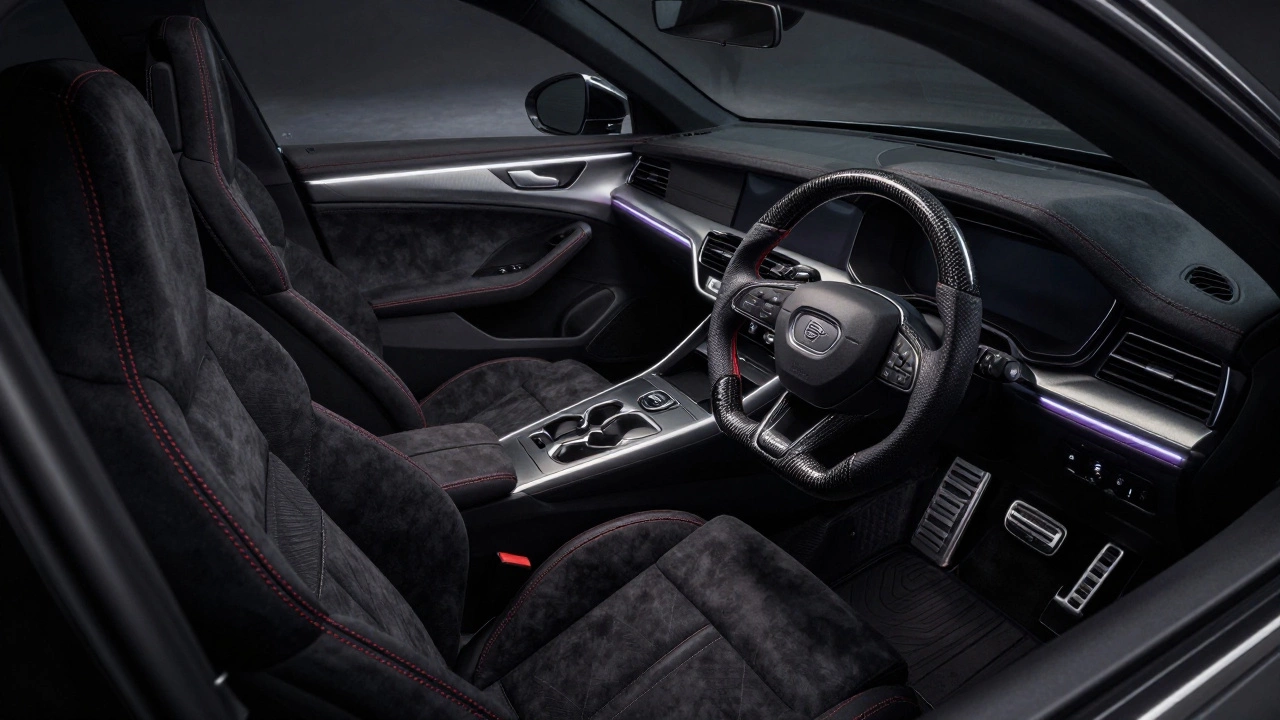
Lighting changes the mood of your car instantly. Factory incandescent bulbs are often dim and yellowish, creating a dull atmosphere. Switching to LED interior lights is one of the easiest and most impactful upgrades available. LEDs consume less power, last longer, and provide brighter, whiter illumination. You can replace dome lights, map lights, and footwell lights with simple plug-and-play kits.
Footwell lighting adds a subtle glow that enhances visibility without distracting you while driving. Choose colors that complement your interior theme-cool whites for a modern look, warm ambers for a classic feel, or RGB options if you want customizable vibes. However, avoid overly bright or flashing lights, which can be illegal in some jurisdictions and dangerous while operating the vehicle.
Instrument cluster backlighting is another area worth exploring. Upgrading these bulbs improves readability at night, making it easier to check speed and RPMs without squinting. Some enthusiasts go further by installing ambient lighting strips along door panels or dashboards. While visually striking, these should be installed carefully to avoid interfering with wiring harnesses or airbag deployment zones.
Personalize with Functional Accessories
A customized interior balances style with utility. Adding functional accessories ensures your upgrades serve a purpose beyond looks. Floor mats are essential for protecting your carpet from dirt, water, and wear. All-weather rubber mats are ideal for harsh climates, while plush carpeted mats add a luxurious touch. Ensure they fit snugly to prevent slipping under pedals, which could cause accidents.
Steering wheel covers and shift knob upgrades offer tactile improvements. A worn-out steering wheel grip can become slippery and uncomfortable. Replacing it with a leather-wrapped cover or a full aftermarket wheel enhances control and aesthetics. Similarly, swapping a plastic shift knob for one made of metal, wood, or carbon fiber gives each gear change a satisfying weight and precision. Just verify compatibility with your transmission type before purchasing.
Storage solutions also contribute to a cleaner, more organized cabin. Console organizers, cup holder inserts, and trunk liners keep items secure and accessible. Magnetic phone mounts attached to the dashboard or windshield allow hands-free navigation without blocking your view. These small additions reduce distractions and make daily commutes smoother.
| Upgrade Type | Cost Range | Difficulty Level | Impact on Resale Value |
|---|---|---|---|
| LED Interior Lights | $20 - $80 | Easy | Neutral to Positive |
| Premium Seat Covers | $50 - $300 | Easy | Positive (if reversible) |
| Aftermarket Steering Wheel | $100 - $500+ | Moderate | Negative (unless restored later) |
| All-Weather Floor Mats | $40 - $150 | Very Easy | Positive |
| Custom Dash Kit | $100 - $400 | Hard | Negative |
Consider Material and Color Coordination
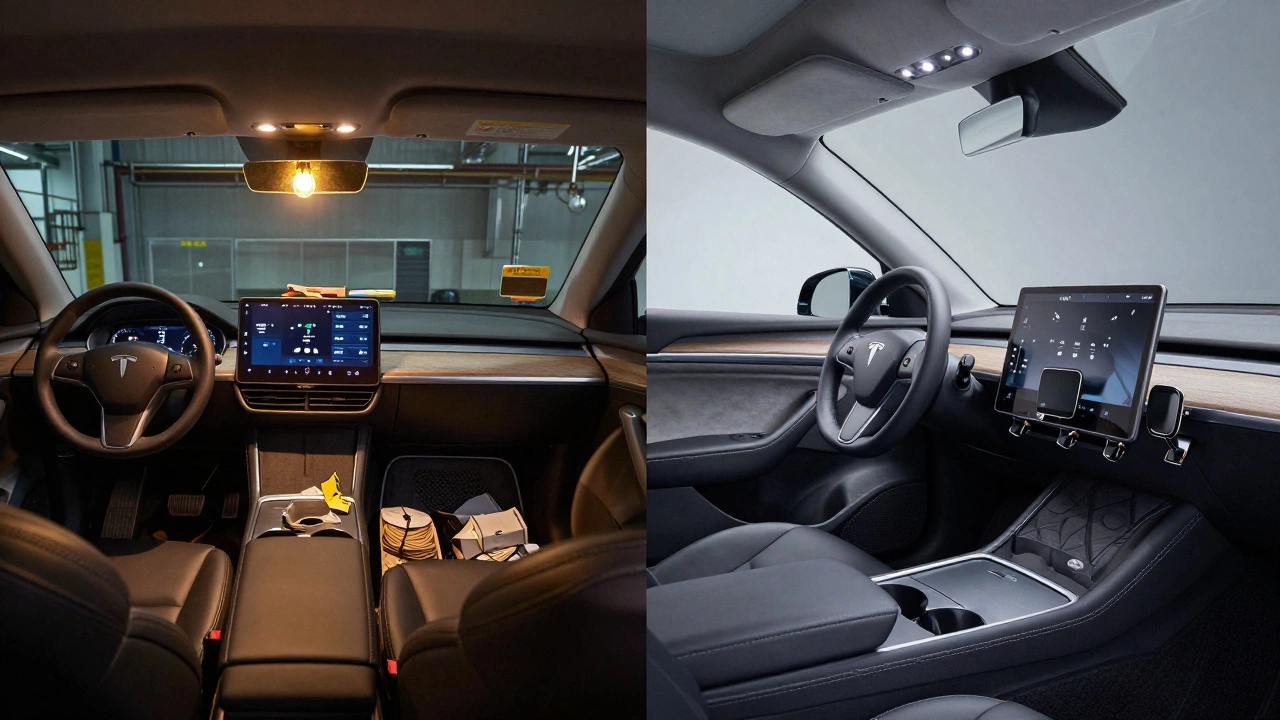
Cohesion matters. When mixing different materials and colors, aim for a unified theme rather than a chaotic mix. If your exterior is sleek black, consider dark tones inside with metallic accents. For a vintage vibe, tan leather and wood trim create warmth. Consistency in texture and hue prevents the interior from feeling disjointed.
Alcantara has gained popularity for its suede-like texture and sporty appearance. It grips well and resists fading, making it ideal for steering wheels and headliners. Carbon fiber trims add a high-tech edge, though real carbon is significantly pricier than vinyl alternatives. Evaluate whether the visual payoff justifies the investment based on your usage patterns.
Color psychology plays a role too. Lighter interiors reflect more light, making small cabins feel spacious. Darker shades hide dirt better but absorb heat. Test samples in natural sunlight before committing to large purchases. Remember, what looks great in a showroom may clash with your specific model’s dashboard design.
Know When to Stop: Balancing Style and Practicality
There is a fine line between customization and overkill. Removing factory components permanently, such as cutting holes for speakers or drilling into dashboards, reduces flexibility and potential resale value. Non-reversible modifications limit future buyers’ options and may raise concerns about structural integrity.
Focus on reversible upgrades whenever possible. Magnetic accessories, slip-on covers, and bolt-on parts allow you to restore the original condition easily. This approach protects your investment while letting you experiment freely. Insurance policies may also exclude coverage for heavily modified vehicles, so check terms before proceeding with major alterations.
Finally, prioritize ergonomics and safety above all else. Any modification that obstructs visibility, interferes with controls, or compromises restraint systems is unacceptable. A beautiful interior means nothing if it hinders safe operation. Regularly inspect new installations for loose fittings or exposed wires that could pose hazards.
Will customizing my car interior void the warranty?
Generally, minor cosmetic changes like seat covers, LED lights, or floor mats do not void your manufacturer's warranty. However, electrical modifications that cause damage to existing systems might lead to denied claims related to those issues. Always consult your owner's manual and dealer before making significant electrical or structural changes. Keep records of all installed parts in case disputes arise.
Are aftermarket steering wheels legal?
In most regions, aftermarket steering wheels are legal as long as they retain the original airbag functionality. Removing or disabling airbags is strictly prohibited and highly dangerous. Ensure any replacement wheel includes proper mounting hardware and connectors for supplemental restraint systems. Check local traffic laws for specific requirements regarding horn operation and turn signal integration.
How much should I spend on interior customization?
Budget depends on personal preference and vehicle value. As a rule of thumb, allocate no more than 5-10% of your car's current market value toward interior upgrades. Prioritize high-use areas like seats and steering wheel first. Incremental spending allows testing preferences without overspending. Avoid investing heavily in older models unless sentimental value outweighs financial logic.
Can I install ambient lighting myself?
Yes, many ambient lighting kits are designed for DIY installation using adhesive backing or clip-in connectors. Basic electrical knowledge helps when tapping into fuse boxes or grounding points. Follow instructions precisely to avoid short circuits. If unsure about wiring complexity, seek assistance from a qualified auto electrician to ensure safe and reliable performance.
What materials last longest in car interiors?
Synthetic leathers like Polyurethane (PU) and Thermoplastic Polyurethane (TPU) offer excellent durability against UV rays and abrasion. Genuine leather ages gracefully but requires regular maintenance. Alcantara provides superior grip and resistance to wear but needs specialized cleaning products. Rubberized flooring withstands extreme conditions better than fabric counterparts. Choose materials suited to your climate and driving habits.