Wheel Spacer Benefit Calculator
Use this tool to determine how different spacer thicknesses affect your vehicle's stance and clearances.
Safety Requirement
Analysis...
Stability Impact
0mm
Total Track Width Increase
Reduced Body Roll
Clearance Gained
0mm
Brake Caliper Room Created
Visual Stance
0%
Flush Look Achievement
Recommendations
- Verify material grade (6061-T6 Aluminum or Steel)
- Check lug nut extension needs
- Retorque after 100km
Why You Might Need More Than Just New Wheels
Have you ever looked at your car and thought it stood too narrow? Or maybe you found some incredible aftermarket brakes but realized they would rub against your stock wheels. These are common frustrations for anyone who has tinkered with their ride. You might have heard whispers about wheel spacers are simple metal shims designed to push your wheel outward from the hub . Many people assume they are purely cosmetic, a quick fix to fill empty space in your wheel wells. However, when used correctly, they solve real mechanical problems. Today, we aren't talking about cheap, unsafe products that could strip your bolts. We are looking at high-quality steel spacers that extend your bolt pattern safely. Let’s talk about three solid reasons why adding these can actually improve your vehicle, specifically focusing on vehicle stability, fitment, and aesthetics.
Benefit One: Improved Traction and Handling Stability
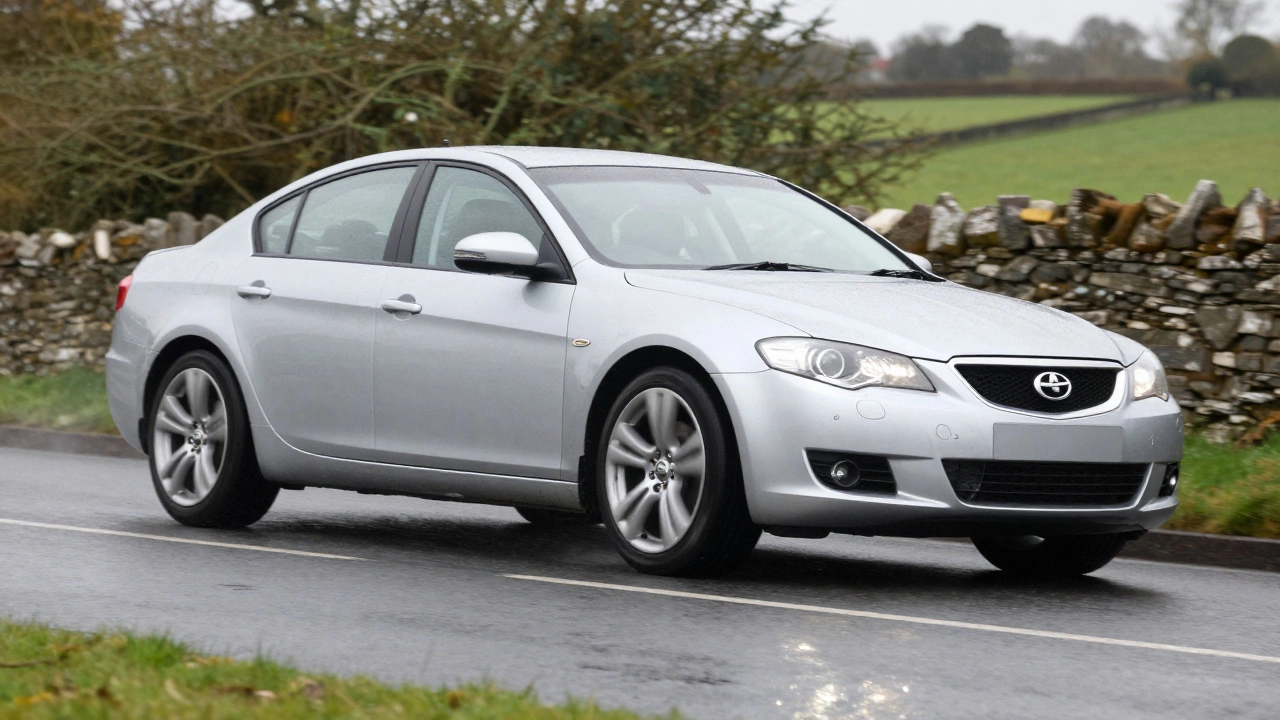
The first major reason drivers install spacers is to change how the car handles the road. When you widen the distance between your left and right wheels, you are essentially increasing your vehicle's track width. Think about a tightrope walker. If they hold their arms out wide, they are more stable than if they stand straight up. Cars work similarly regarding lateral forces.
By pushing the wheels a few millimeters further out, typically anywhere from 5mm to 25mm depending on the spacer, you shift the contact patch of the tire slightly outward. This creates a wider base for the vehicle to sit on. When you take a corner, that wider stance means less body roll and a feeling of greater confidence through turns. The weight transfer during acceleration and braking also changes slightly because the suspension geometry has effectively been tweaked.
This is particularly noticeable on vehicles with factory suspension tuning geared toward comfort rather than performance. A sedan with soft springs will often lean heavily into a turn. Adding a spacer helps minimize that leaning effect by lowering the effective center of gravity relative to the track width. It’s not a magic wand-you won’t transform a family van into a race car-but the difference in steering response is often immediate and tangible.
| Track Width Change | Effect on Body Roll | Cornering Grip |
|---|---|---|
| Narrow Stock Setup is the standard width coming from the factory | High | Baseline |
| Wide Track (with Spacers) involves increasing distance between wheels | Low | Increased |
However, there is a catch. You cannot simply bolt anything on. To get these benefits without compromising safety, the spacers must be rigid and securely mounted. Soft aluminum or thin cast pieces can flex under load, negating the stability benefits and potentially causing dangerous vibration at highway speeds.
Benefit Two: Solving Interference Issues
Sometimes, the benefit isn't about driving dynamics at all; it's about getting parts to fit. Have you bought a set of big brake kits or upgraded your suspension only to find something rubbing? This is known as clearance interference. Factory wheel offsets are designed for the original equipment manufacturer's components, which are often smaller than aftermarket alternatives.
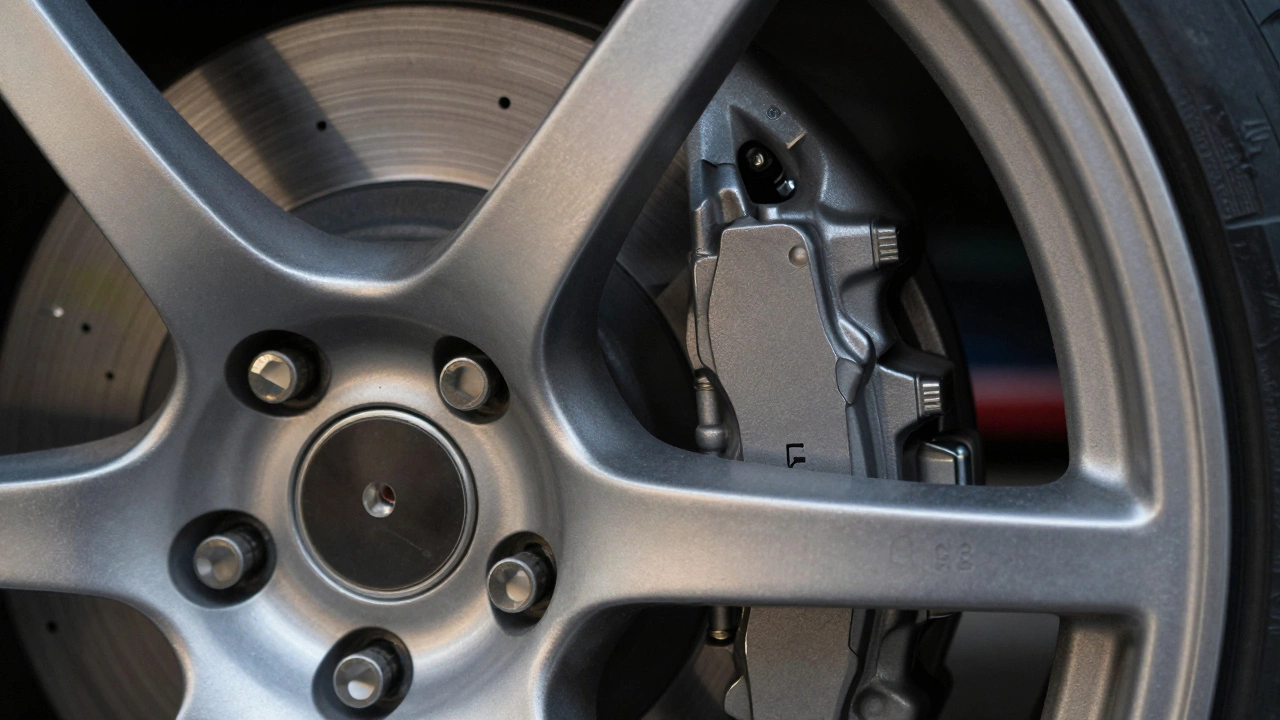
If you install a large diameter rotor for better stopping power, that caliper might protrude past the inner edge of your old wheel rim. Without a spacer, the pad hits the back of the wheel. Similarly, if you add aggressive off-road tires, the bead might scrape against the inner fender flare or suspension arm when the wheel turns fully left or right.
A spacer acts as a bridge here. By moving the entire wheel assembly outward by perhaps 15 to 20mm, you create necessary room for those bulkier components. This allows you to fit high-performance Brake Rotors are discs used in the braking system that convert kinetic energy without having to swap out the entire wheel for a custom design with different offsets. It extends the life of your investment. Instead of buying a whole new set of wheels because of a rubbing bumper, a spacer pushes the wheel enough to prevent damage.
This is also huge for wheel clearance on lifted trucks. When you lift a vehicle in Brisbane or anywhere else, the gap between the tire and the wheel well gets massive. While you want the gap gone, sometimes you need to run a beefier tire that sits wider. A spacer fills that void while allowing you to mount a tire size that provides better ground clearance over rocks.
Benefit Three: Enhancing Visual Appeal and Stance
While we started with mechanical advantages, we can't ignore the eyes. A car's "stance"-how it sits under its own body-is a huge factor in styling. Most mass-produced cars leave a visible gap between the top of the tire and the bottom of the fender arch. Enthusiasts call this negative camber or poor proportioning, even if the engineering is sound.
When you see a modified car that looks right, the wheels are almost always flush with the bodywork. The side profile appears seamless. Using a spacer brings the wheel out so it aligns perfectly with the door panels and fenders. It makes the car look wider and more planted. It gives the front end a more menacing, purposeful attitude without needing to cut fenders or modify body panels.
It is a cost-effective way to achieve a custom look. Building a custom offset wheel is expensive and takes weeks of manufacturing time. A pre-machined spacer fits instantly. You get that aggressive, wide-body look immediately after installation. Plus, once the wheel is pushed out, it protects the bodywork from road debris kicked up by the tire. Mud and stones fly outward away from the painted panels rather than scraping up the paint near the wheel well.

Critical Considerations for Safe Installation
We have covered the benefits, but you need to understand what makes a spacer safe versus dangerous. Not all spacers are created equal. There are two main types you will encounter when shopping: Hub-Centric and Bolt-On.
Hub-Centric Spacers: These feature a ring that slides directly onto the central hub of your car. The lug nuts then secure the outer face. Because the hub supports the weight, these are generally safer and preferred for daily drivers. They rely on the precise machining of the center bore.
Bolt-On Spacers: These look like mini-wheels. They have holes for your car's lug bolts on one side and threaded studs for your wheel on the other. They are thicker, usually 20mm+, but rely entirely on the strength of the bolts. Torque specs are absolutely critical here. You must tighten them to the manufacturer's requirement to prevent loosening due to vibration.
Regardless of type, material quality is paramount. Steel is vastly superior to aluminum for thick spacers. Aluminum is lighter, but cheaper grades can crack under heavy loads. If you are lifting your suspension or driving off-road in Queensland terrain, go with 6061-T6 billet aluminum or high-grade steel. Avoid cheap black market imports that lack heat treatment stamps.
You also need to watch out for Lug Nuts are fasteners that secure wheels to hubs . When you add a spacer, the thread engagement length changes. If the spacer is too thick, your stock lug nuts might not screw in far enough to grip securely. Always check that you have at least 2 threads engaging or switch to extension stud kits to maintain clamping force.
Frequently Asked Questions
Do wheel spacers affect my vehicle warranty?
It depends on your manufacturer. Generally, installing quality spacers does not automatically void your warranty unless a failure occurs that is directly traceable to the spacer. However, some warranties exclude suspension or drivetrain issues if unauthorized modifications are present. Always check your owner's manual.
Are wheel spacers legal in Australia?
In Australia, spacers are generally permitted provided they do not alter the load capacity of the wheel beyond its rated limits. They must be installed correctly with appropriate grade hardware. Local regulations vary by state, but they are widely accepted for aesthetic and safety improvements as long as they pass inspection.
Can I use spacers on electric vehicles?
Yes, but caution is required. Electric vehicles often have different axle geometries and higher torque outputs. The added stress means you need high-strength spacers. Also, some EVs have complex speed sensors integrated into the hub area that must not be disturbed.
What thickness spacer should I buy?
For most daily street cars, 5mm to 15mm is sufficient to correct offsets or improve stance. Anything thicker than 20mm often requires bolt-on styles and extension studs. Thinner hub-centric spacers (under 15mm) offer the best balance of safety and convenience for most users.
Do I need to re-torque the nuts often?
Absolutely. After installation, you should re-check the torque settings after the first 100 kilometers of driving. Vibration can loosen the fasteners initially. Once settled, check them again at regular maintenance intervals along with your tire rotations.