Car Interior Modernization Estimator
Select the upgrades you are considering for your vehicle. The tool will calculate the estimated cost range and overall impact.
- No upgrades selected yet.
There is nothing quite like the smell of aged leather and the solid thunk of a heavy door on a classic vehicle. But let’s be honest: driving a twenty-year-old car often feels like stepping back in time in ways you didn’t sign up for. You might love the soulful engine note or the timeless body lines, but you probably don’t miss the lack of Bluetooth, the stiff seats, or the dashboard that looks like it belongs in a museum exhibit rather than your daily commute.
The good news? You don’t need to trade your beloved older model for a sterile, screen-heavy new car to get modern comforts. With some strategic upgrades, you can bridge the gap between vintage charm and contemporary convenience. This isn’t about stripping out the character; it’s about enhancing the experience so your car feels relevant again without losing its identity.
Quick Takeaways
- Start with technology: A modern head unit with Apple CarPlay or Android Auto instantly updates the feel of any cabin.
- Refresh textiles: Reupholstering seats or adding custom floor mats can transform the look from worn-out to premium.
- Upgrade lighting: Swapping halogen bulbs for LED interior lights adds a subtle, high-tech ambiance.
- Improve ergonomics: Adjustable steering wheels and better seat supports make old cars drivable for longer periods.
- Respect the original design: Avoid cheap plastic add-ons; choose materials that match the car’s era and quality.
The Tech Upgrade: Your Digital Command Center
The most noticeable difference between an old car and a new one is the interface. In 2026, we expect our cars to talk to our phones, navigate us home, and play our favorite playlists seamlessly. An older car usually has a static radio display and a cassette slot that hasn’t worked since the nineties. Upgrading this single component delivers the highest return on investment for a modern car interior feel.
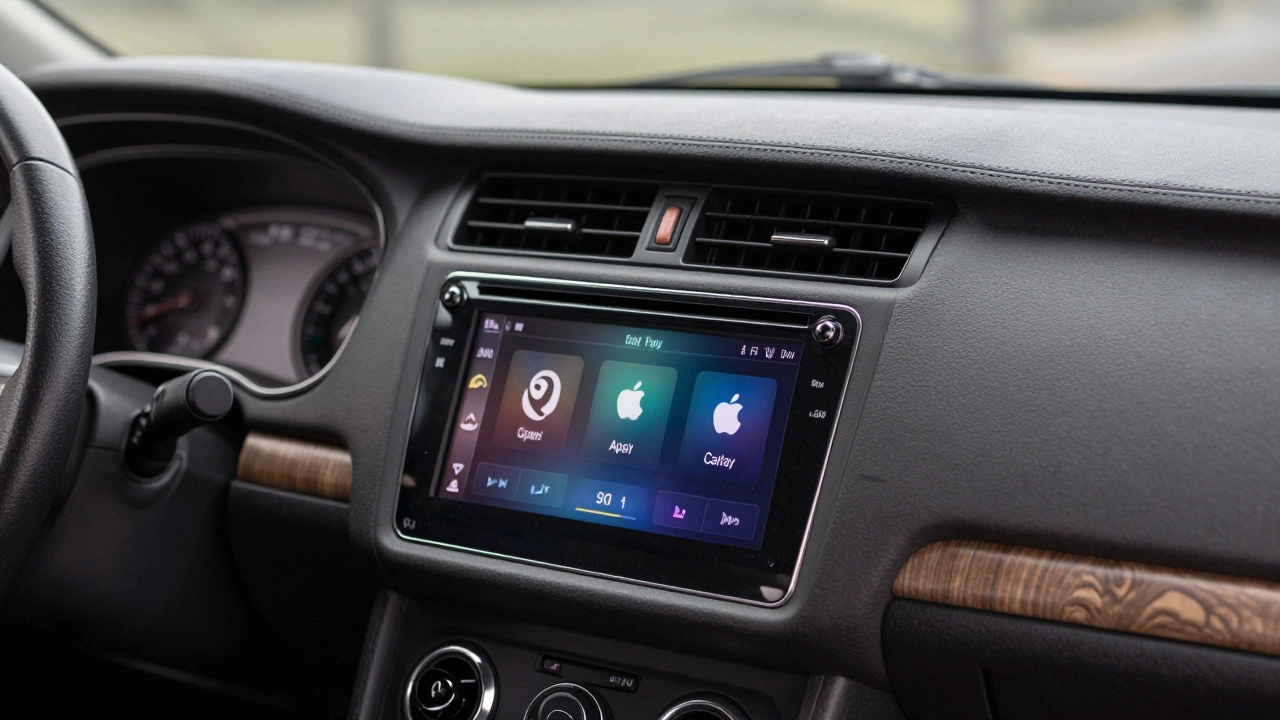
Head Units are the central electronic control panel in a vehicle's dashboard, managing audio, navigation, and connectivity. Also known as Car Stereo, they serve as the primary interaction point for drivers and passengers.Look for a double-DIN unit if your dash space allows it. These larger screens mimic the tablet-like interfaces found in newer vehicles. Brands like Pioneer and Sony offer models with built-in wireless Apple CarPlay and Android Auto. This means you can project your phone’s map, messages, and music apps onto the car’s screen without plugging in cables every time you start the engine.
If your car has a unique dashboard shape-like a curved console in a vintage BMW or a wood-trimmed panel in a classic Land Cruiser-you’ll need a custom installation kit. Companies like Metra specialize in these brackets. They ensure the new unit sits flush with the dashboard, avoiding the "bolted-on" look that screams cheap modification. Pair this with a high-quality amplifier and upgraded speakers, and the auditory experience will rival brand-new luxury sedans.
Textiles and Upholstery: Touchpoints Matter
Technology catches the eye, but textiles catch the hand. Worn-out fabric, cracked leather, and faded carpets are immediate visual cues that age a car. Refreshing these surfaces doesn’t require a full professional retrim if you’re working within a budget, but it does require attention to detail.
Consider replacing your seat covers. Instead of generic vinyl covers that slide around, invest in tailored neoprene or high-grade synthetic leather covers that match your original color scheme. For a more permanent solution, local upholstery shops can repair small tears and refresh the dye on existing leather. This process, called conditioning and recoloring, can bring life back to dried-out hides without the cost of full replacement.
Floor mats are another overlooked area. Stock rubber mats in older cars tend to become brittle and discolored over time. Switching to all-weather liners made by brands like WeatherTech or Husky Liners provides a clean, protected look. These mats fit precisely to the contours of your footwell, eliminating gaps where dirt accumulates. The contrast between a pristine floor mat and a dusty carpet is stark; clean floors trick the brain into perceiving the entire cabin as cleaner.
| Upgrade Type | Estimated Cost (AUD) | Visual Impact | Functional Benefit |
|---|---|---|---|
| Head Unit with CarPlay | $300 - $800 | High | Connectivity, Navigation |
| Custom Floor Mats | $150 - $300 | Medium | Protection, Cleanliness |
| LED Interior Lighting Kit | $50 - $150 | Medium | Ambiance, Visibility |
| Seat Repair/Upholstery | $500 - $2,000+ | Very High | Comfort, Aesthetics |
| Steering Wheel Cover | $20 - $100 | Low | Grip, Feel |
Lighting and Ambiance: Setting the Mood
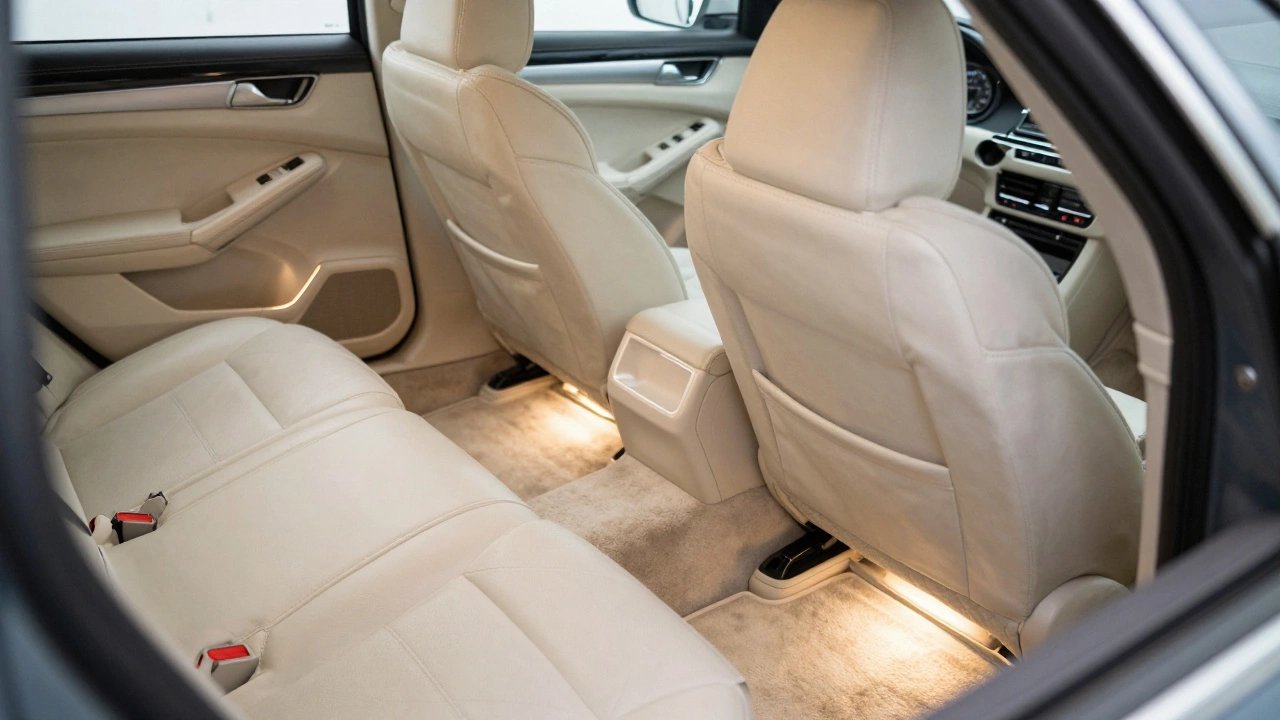
Modern cars use light to create atmosphere. Think of the soft blue glow under the footwells or the warm white LEDs illuminating the door pockets at night. Older cars typically rely on incandescent bulbs that cast a yellowish, dim light. Swapping these for LED Bulbs is one of the easiest and most effective upgrades you can make.
LEDs are brighter, last longer, and consume less power. More importantly, they change the perception of space. A bright, crisp white light makes a cramped cabin feel larger and cleaner. Look for kits that include dome lights, map lights, license plate lights, and even trunk illumination. Some advanced kits allow you to adjust the color temperature via a smartphone app, letting you switch from a cool daylight tone while driving to a warmer, relaxing hue when parked.
Be cautious with aftermarket ambient lighting strips. While popular in tuner culture, poorly installed RGB strips can look tacky and distract from the car’s original elegance. If you want colored lighting, keep it subtle. A faint red or blue accent along the door sill or under the dashboard adds a modern touch without overwhelming the vintage aesthetic. The goal is enhancement, not transformation into a nightclub.
Ergonomics and Comfort: Driving for Hours
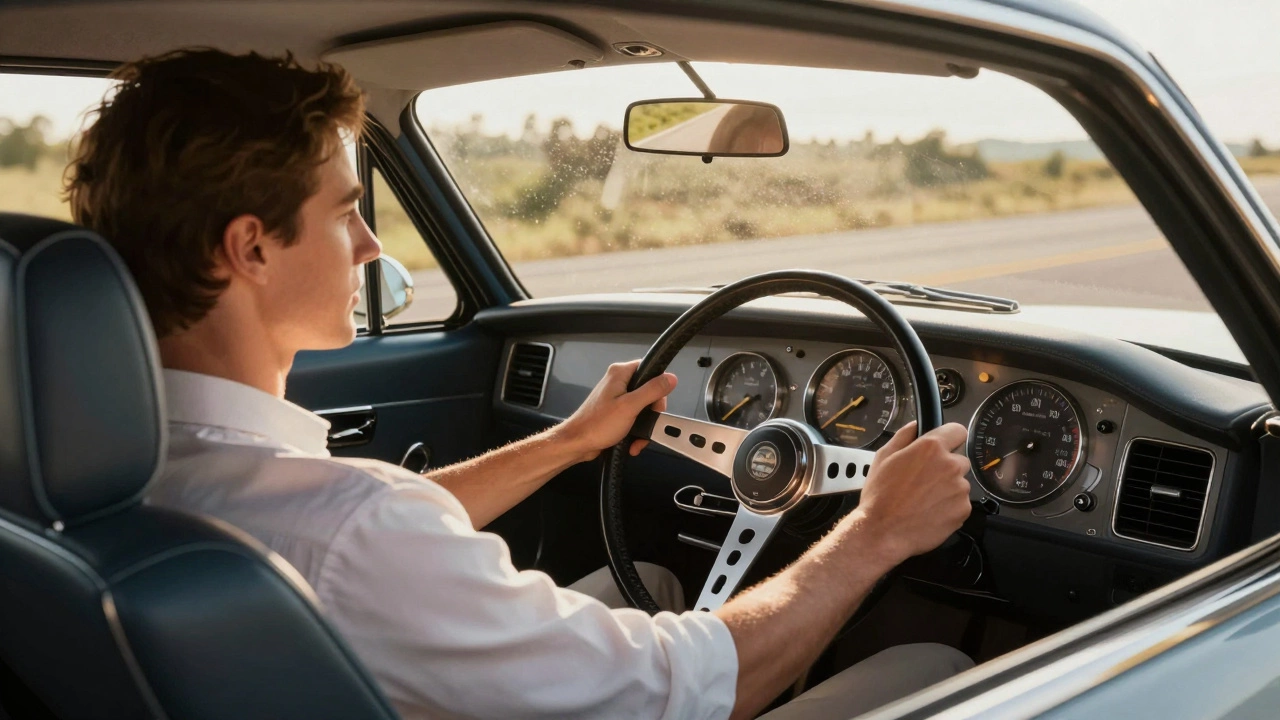
Older cars were designed with different standards for driver comfort. Seats might lack lumbar support, steering columns may not tilt, and visibility could be compromised by thick pillars. Addressing these ergonomic issues makes the car not just look modern, but feel modern to drive.
Installing a tilt-and-telescopic steering wheel adapter can be a game-changer. These devices bolt onto the existing steering shaft and allow you to adjust the wheel’s position for better reach. It improves safety and reduces fatigue on long drives. Similarly, adding a cushioned lumbar support pillow or having a shop install foam inserts into your seatbacks can significantly improve posture.
Don’t overlook the rearview mirror. Many older mirrors are simple glass panes that cause glare at night. Replacing yours with an auto-dimming mirror eliminates the blinding effect of headlights behind you. This small change aligns your car with a standard feature in all vehicles manufactured after 2010, providing a subtle but appreciated modern convenience.
Climate Control and Air Quality
A stuffy, hot cabin with weak airflow ages a car faster than any cosmetic flaw. If your air conditioning works but blows lukewarm air, it’s likely due to low refrigerant levels or a failing compressor. Servicing the AC system ensures you have cold air on demand, a hallmark of modern comfort.
Beyond cooling, consider air filtration. Older cars often lack proper cabin air filters, allowing pollen, dust, and exhaust fumes to enter the interior. Installing a high-quality HEPA cabin air filter, if your HVAC system supports it, or using aftermarket charcoal filters can drastically improve air quality. For cars without factory filter slots, inline filter adapters are available that retrofit into the intake hose. Breathing clean air while driving makes the journey feel fresher and more refined.
Preserving Character While Modernizing
The biggest risk in updating an older car is losing its soul. You don’t want your 1990s Toyota Supra to look like a 2020s rental car. The key is restraint. Choose upgrades that complement the existing design language rather than contradicting it.
If your car has analog gauges, leave them. Don’t replace a beautiful mechanical speedometer with a digital cluster unless it’s broken beyond repair. Instead, enhance the surrounding area. Clean the instrument panel, polish the chrome bezels, and ensure the needles move smoothly. If you must add digital information, do it discreetely. A small GPS unit mounted near the windshield or a smartphone holder integrated into the vent area keeps essential tech accessible without cluttering the dashboard.
Material choice is critical. Avoid shiny black plastics that reflect sunlight and highlight dust. Opt for matte finishes, brushed aluminum, or genuine wood accents that match the car’s era. When selecting seat covers or mats, stick to colors that existed in the factory options for your model. This maintains authenticity while upgrading durability and appearance.
Is it legal to modify my car's interior in Australia?
Generally, yes. Interior modifications like changing seats, installing stereos, or adding LED lights are legal as long as they don’t obstruct the driver’s view or interfere with safety features like airbags. However, removing seats or altering seatbelt anchor points is illegal and dangerous. Always check with your state’s transport authority (e.g., Transport Queensland) if making significant structural changes.
Can I install Apple CarPlay in any old car?
Yes, almost any car with a standard DIN-sized stereo slot can accommodate a head unit with Apple CarPlay. If your car has a non-standard dashboard, you may need a custom fascia kit. Wireless CarPlay requires specific hardware, but wired versions are widely available and affordable.
Will upgrading the interior increase my car's value?
It depends on the buyer. Enthusiasts often prefer original interiors for classic cars. However, for daily drivers from the 90s and early 2000s, a clean, modernized interior with reliable tech can make the car more appealing to practical buyers. Focus on condition and functionality rather than expensive customizations.
How much does it cost to fully modernize an older car interior?
A basic refresh including a new stereo, floor mats, and LED lights can cost between $500 and $1,500 AUD. A comprehensive overhaul involving upholstery, climate control repair, and ergonomic upgrades can range from $2,000 to $5,000+ depending on labor costs and parts quality.
Should I remove the original dashboard trim?
No, unless it is damaged or unsafe. Original trim adds character and value. Instead of removing it, clean and restore it. Use appropriate cleaners for wood, vinyl, or metal surfaces to maintain their integrity while keeping them looking fresh.