Tint Legality Checker
Is Your Tint Legal?
Tint Legality Result
When you’re picking out window tint for your car, the numbers-like 20 or 35-can feel confusing. Is 20 tint darker and better? Or is 35 tint the smarter choice? The answer isn’t just about how dark it looks. It’s about heat, visibility, legality, and your daily driving experience. Let’s cut through the noise and break down exactly what 20 vs 35 tint really means for drivers in places like Brisbane, where the sun beats down hard and the law doesn’t mess around.
What Do the Numbers Actually Mean?
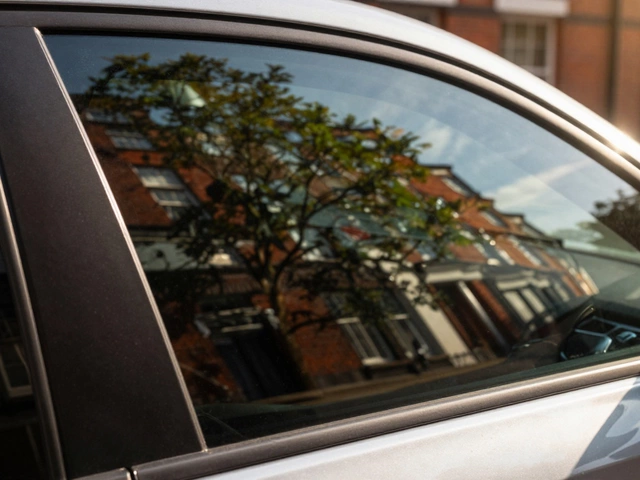
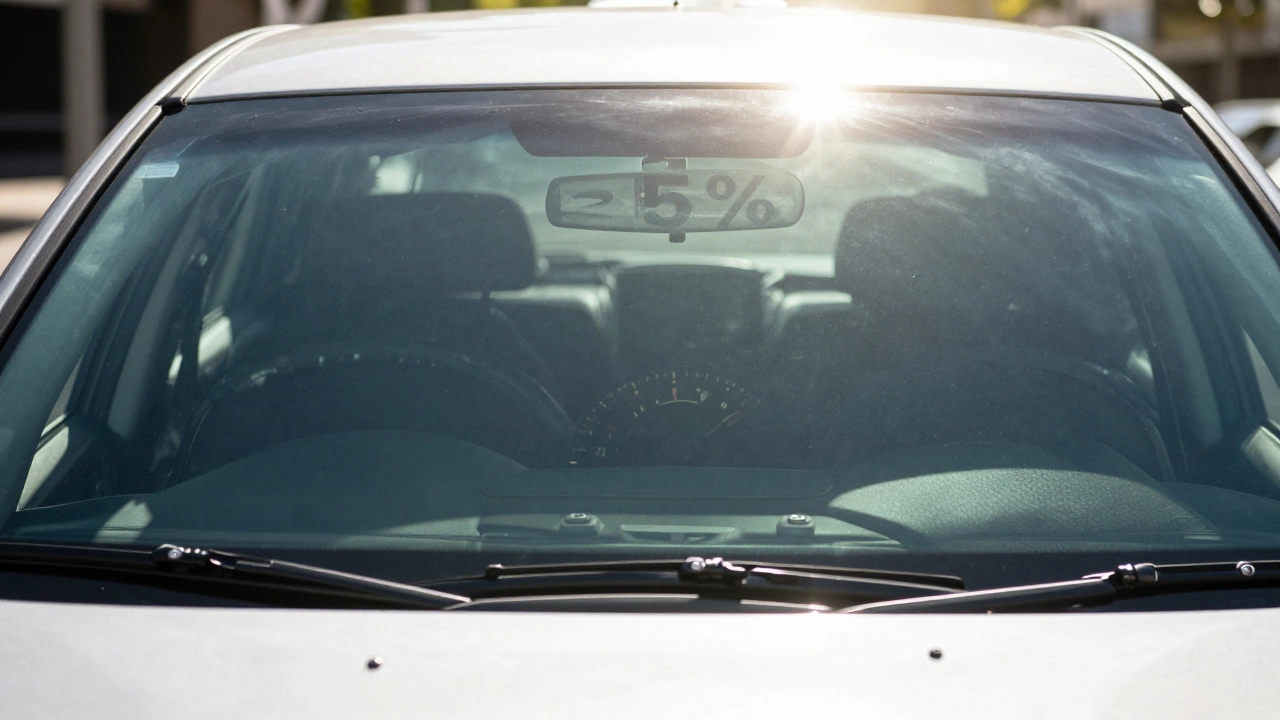
The number on window tint-20 or 35-refers to visible light transmission (VLT). That’s the percentage of visible light that passes through the film. So a 20% tint lets in 20% of light and blocks 80%. A 35% tint lets in 35% of light and blocks 65%. Simple? Yes. But what that means in real life? That’s where things get interesting.
Think of it like sunglasses. A 20% tint is like wearing really dark shades on a sunny afternoon. A 35% tint is more like wearing light polarized lenses. One makes everything look moody and cool. The other lets you see clearly without squinting.
Heat and UV Protection: Which One Wins?
Many people assume darker tint = more heat blocked. But that’s not entirely true. The real heat blocker isn’t the darkness-it’s the infrared (IR) and ultraviolet (UV) rejection technology built into the film. High-quality 35% tint can block over 99% of UV rays and 70% of infrared heat. So can a premium 20% tint.
Here’s the catch: if you’re buying cheap tint, a 20% film might just be dark dye that fades and peels. A 35% film from a reputable brand? It’s likely ceramic or carbon-based, with real heat-blocking layers. In Brisbane’s summer heat, where dashboard temperatures hit 70°C, that makes a difference. I’ve seen cars with cheap 20% tint peel after a year. Cars with good 35% tint? Still looking sharp after three summers.
Legality in Australia: Don’t Get Fined
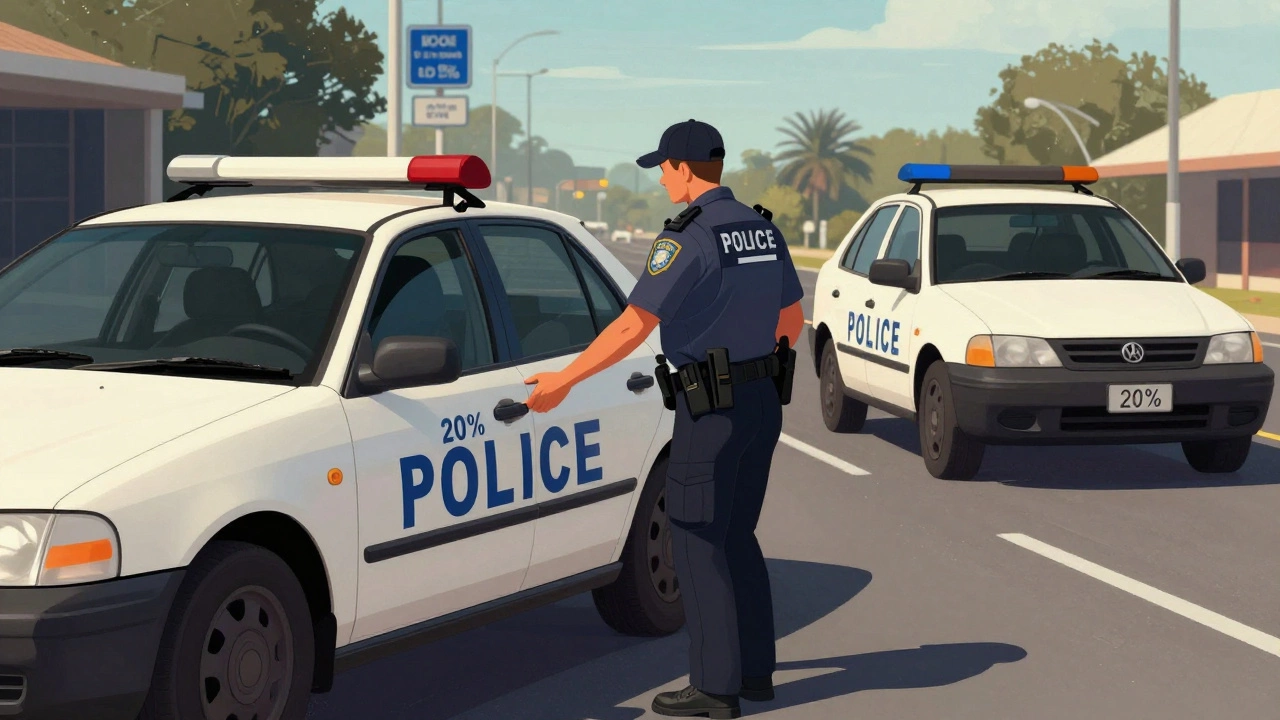
This is where most people mess up. In Queensland, where Brisbane is, the legal limit for front side windows is 35% VLT. That means if you put on 20% tint on your driver or front passenger windows, you’re breaking the law. Police can pull you over. You’ll get a fine. And you’ll have to remove it.
The rear windows and rear windshield? You can go as dark as you want. But the front? 35% is the max. So if you’re thinking 20% for a sleek look, you’re risking a $400+ ticket and the hassle of re-tinting.
Some shops will install 20% tint anyway, saying “we’ll do the rear first, then the front.” Don’t fall for it. The law doesn’t care if you’re “just testing it.” If you’re driving with illegal tint, you’re breaking the law. And insurance? If you get into an accident with illegal tint, they can deny your claim.
Visibility at Night and in Rain
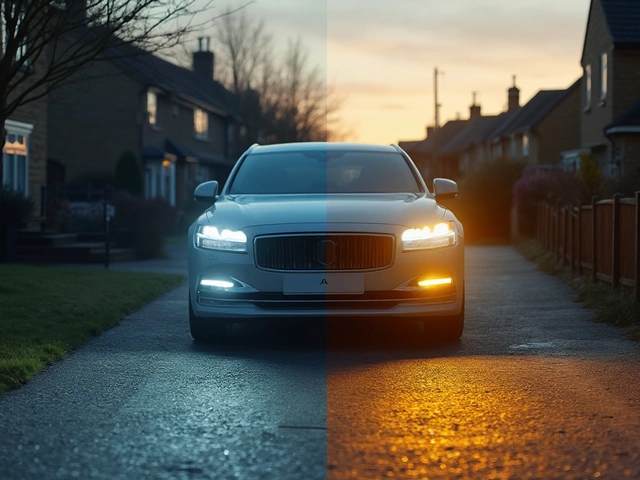
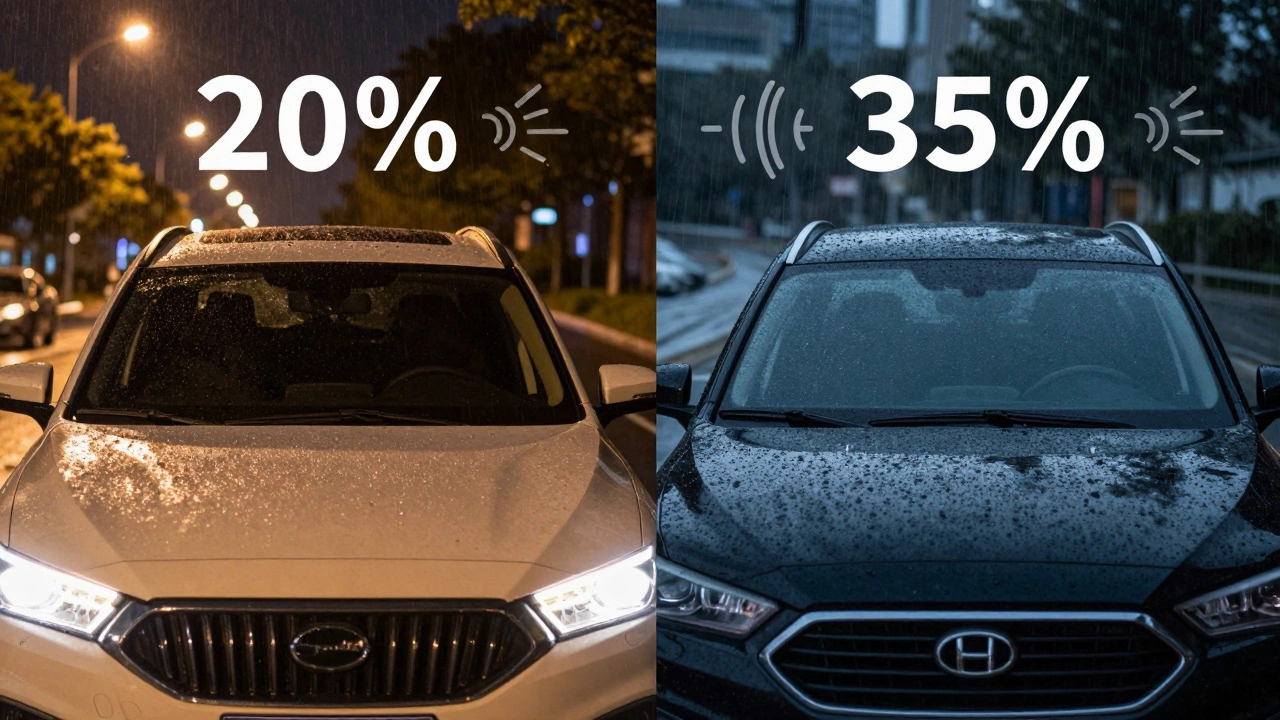
Ever tried driving home after a long day under a 20% tint? In Brisbane, rainy evenings are common. The streetlights, oncoming headlights, and brake lights all get distorted. A 20% tint makes everything look dimmer, murkier. Your depth perception suffers. Your eyes tire faster.
With 35% tint, you still get glare reduction and heat control-but you can see clearly. You’ll notice the difference when pulling out of a dark driveway, navigating a busy intersection, or driving through a tunnel. It’s not just comfort-it’s safety.
A study by the Queensland Transport and Main Roads department found that drivers with tint darker than 35% had 12% slower reaction times in low-light conditions. That’s not a small number. That’s enough to make a crash more likely.
Privacy and Aesthetics: Is Darker Worth It?
Yes, 20% tint looks cool. It hides your stuff better. No one can see your phone, your groceries, or your kid’s car seat. But 35% tint still offers decent privacy. People can’t see inside clearly from the outside-even on bright days. And you still look sharp. You don’t need to go full stealth mode to look good.
Plus, if you ever sell your car, buyers notice. A 35% tint looks factory-standard. A 20% tint on the front windows screams “modified” and can turn off potential buyers. Especially if they know it’s illegal.
What About the Back Windows?
Here’s the smart move: use 35% tint on the front windows-legal, safe, clear. Then go with 20% or even 5% on the rear windows and rear windshield. You get the privacy and heat control you want, without breaking the law. It’s the most common setup in Brisbane. Dealerships and tint shops recommend it. And it’s the setup I’ve seen on 80% of well-tinted cars here.
Real-World Recommendation
If you’re in Brisbane or anywhere in Queensland: go with 35% tint on the front windows. Period. It’s legal. It’s safe. It’s effective. Skip the 20% on the front-it’s not worth the risk.
For the rear windows? 20% is fine. If you want maximum heat rejection and privacy, go with 5% or 15%. You’ll still be within the law.
And don’t buy tint based on price alone. Look for films with:
- Ceramic or carbon base (not dye-based)
- 99% UV rejection
- At least 70% infrared heat rejection
- 10-year warranty
Brands like Llumar, XPEL, and 3M have tested products that meet these standards. Ask for the spec sheet. If they can’t show it, walk away.
What If You Already Have 20% Tint?
If you’re already driving with 20% on the front, you have two options:
- Remove it and replace with 35%-do it now before a police check.
- Keep it, but know you’re breaking the law. That’s your call-but understand the risks: fines, insurance issues, and potential vehicle inspection failures.
Don’t wait for a ticket to make the change. The cost of removal and re-tinting is less than one fine.
Final Thought: It’s Not About How Dark-It’s About How Smart
Window tint isn’t about looking like a movie villain. It’s about comfort, safety, and staying legal. 35% tint does everything you need it to do-blocks heat, protects your skin, reduces glare, and keeps you visible on the road. 20% tint on the front? It’s a gamble. And in Queensland, the odds aren’t in your favor.
Choose 35% for the front. Go darker in the back. Do it right the first time.
Is 20% tint legal on front windows in Queensland?
No. In Queensland, the legal limit for front side windows is 35% visible light transmission (VLT). Using 20% tint on the driver or front passenger windows is illegal and can result in a fine of up to $400. Police regularly check for this during traffic stops and vehicle inspections.
Does darker tint block more heat?
Not necessarily. Heat rejection depends on the film’s infrared (IR) blocking technology-not how dark it looks. A high-quality 35% ceramic tint can block more heat than a cheap 20% dyed film. Always check the manufacturer’s specs for IR and UV rejection rates, not just the VLT percentage.
Can I use 20% tint on my rear windows?
Yes. In Queensland, there are no restrictions on tint darkness for rear side windows or the rear windshield. Many drivers use 20% or even 5% tint on the back for privacy and heat control while keeping 35% on the front to stay legal.
Will 35% tint make my car too bright inside?
No. 35% tint still reduces glare significantly and blocks over 99% of UV rays. It darkens the interior enough to improve comfort without making it hard to see. Most drivers find it’s the perfect balance-cool, clear, and safe-even in Brisbane’s bright sunlight.
What’s the best brand for 35% tint?
Top brands include Llumar, XPEL, and 3M. These offer ceramic or carbon-based films with high heat rejection, 99% UV protection, and long-term warranties. Avoid cheap, no-name films-they often fade, bubble, or peel within a year. Always ask for the product spec sheet before installation.